
Karakul Lake Travel Guide 2026 — What to See, Do & Plan
Updated July 2026 | By Karl Huang
This Karakul Lake guide is one I keep coming back to when I plan a Xinjiang route, because it sits where several regions meet and the details below save real time on the ground. Karakul Lake is more than a quick photo stop; it rewards a traveler who knows the season, the transport, and the costs before arriving. I have covered the distance by train, by rental car, and on the overnight buses, and the notes here come from those trips rather than a brochure.
What makes Karakul Lake worth the detour is the mix of landscape and culture you rarely get in one place elsewhere in the region. The quick-reference table under the intro packs the hard numbers; the sections after it explain how to use them in practice. If you are building a loop, treat this page as the node you plan around, not just a name on the map.
This guide is written for the independent traveler who would rather plan once and move smooth than improvise at every gate. The facts below are the ones I wish I had on my first crossing, trimmed to what actually changes a trip. Read the season and the tickets first, because those are the two things that ruin a Xinjiang plan when they are ignored.
Quick Reference
| Best Season | May-Oct; June-July for wildflowers against snow. |
|---|---|
| How to Get There | On the Karakoram Highway, 3.5h from Kashgar to Tashkurgan. |
| Ticket Price & Hours | Free roadside view; nearby camps charge 30-50 RMB; 24h. |
| Distance | ~190 km from Kashgar, Akto county, Pamir. |
Why Karakul Lake Deserves a Place on Your Route
Detail 1
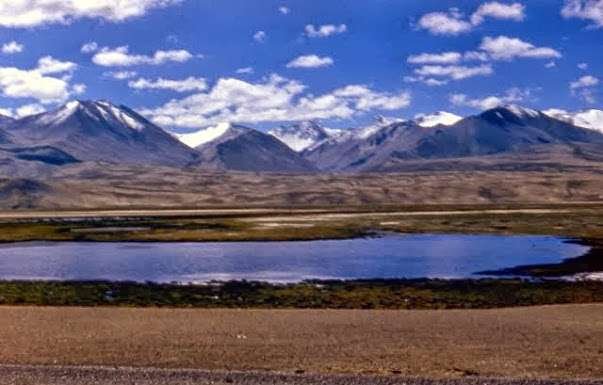
Karakul is a glacial lake at 3,600 m whose surface mirrors Muztagh Ata (7,546 m), the ‘Father of Ice Mountains’. At Karakul Lake, the practical move is to arrive before the tour buses, because the light and the quiet both fade by mid-morning. Tickets and shuttles here keep short hours, so start early and treat the afternoon as backup, not prime time.
Detail 2
Kyrgyz herders camp on the shore with yurts you can stay in, and yaks graze the lakeside meadow. Most visitors give this a half day; rush it and you miss the side details that make Karakul Lake different from the postcard. A local guide at the gate adds context the signs leave out, and the fee is small against a wasted visit.
Detail 3
The water is brackish and changes from steel grey to turquoise with the sky; mornings are glass-calm. The on-site food is basic, so eat in the nearest town before you enter and carry water for the walk. Photography works best in the first two hours after opening, before the crowds and the harsh sun arrive.
Detail 4
It sits on the old Karakoram route that linked Kashgar to Pakistan and still carries truck traffic south. Tickets and shuttles here keep short hours, so start early and treat the afternoon as backup, not prime time. At Karakul Lake, the practical move is to arrive before the tour buses, because the light and the quiet both fade by mid-morning.
Getting There & Around
Reaching Karakul Lake is straightforward once you plan the leg: On the Karakoram Highway, 3.5h from Kashgar to Tashkurgan. I usually compare the train with the road before booking, because the train saves a hotel night on long hauls while a car gives you the stops in between. For a first visit, the train plus a local driver at the destination is the low-stress choice.
Once you are in the area, local taxis, shuttles, and the occasional tour bus cover the last miles. If you are on a loop, treat Karakul Lake as one node and keep fuel and water topped up, because the next town can be a long drive. Signal drops on the approach, so download the offline map before you leave coverage.
Best Time to Visit
The short answer for Karakul Lake is May-Oct; June-July for wildflowers against snow. I break it down by what each window gives. The warm months open every road and the high passes, and the meadows are at their greenest, but the headline sites fill with bus tours. The shoulder seasons, May-June and September-October, trade a little green for far smaller crowds and lower hotel rates. Winter is for the snow scenes and the cheapest stays, with the catch that some passes and parks close after heavy snow.
If your dates are fixed, pick the region to match: the north (Kanas, Ili) is best in summer, while the south (Kashgar, Turpan, Hotan) is kindest in spring and autumn when the heat backs off. Karakul Lake fits that pattern, so time it with the rest of your loop rather than against it.
Tickets, Price & Hours
Plan the money around this: Free roadside view; nearby camps charge 30-50 RMB; 24h. If you will visit more than two sites in the area, ask about the combined or through ticket, which almost always beats paying per gate. Remote county parks keep shorter hours than the cities, so enter at opening and treat the afternoon as a buffer. Buy online where offered; the on-site window can queue on holidays.
Where to Stay
At 3,600 m many feel breathless; spend the night in Tashkurgan (lower) not lakeside if prone to altitude sickness. My rule is to sleep in the nearest real town and enter at opening, which avoids both the premium in-park price and the daily shuttle grind. County towns also hold the only clinics and ATMs nearby, so they are the safe base for a loop. In July-August and during the October Kanas peak, book the in-park stays two to three months ahead, because they sell out and the walk-up price jumps.
Food to Try Near Karakul Lake
Eat locally: Kyrgyz yogurt and naan; yak meat stew. These are the dishes you will actually find near Karakul Lake, not the generic list you see on every travel site. A full plate plus naan is a cheap, filling meal, and the bazaar version beats the hotel dining room on both price and flavor. If you keep to halal spots, you are eating the way most of the region eats.
A Simple Plan for Karakul Lake
If you have one day, arrive at opening, walk the main route in the cool morning, eat in the town at lunch, then take the secondary viewpoints in the afternoon when the light flattens. With two days, sleep in the area and use the second morning for the sunrise or the quiet trails the day-trippers miss. I have found that a slow first morning beats a packed full day almost every time in Xinjiang.
How Long to Spend
For most travelers, Karakul Lake needs a half day if it stands alone, or a full day once you add the side viewpoints and a slow lunch in the town. I would not try to pair it with a second major site on the same day, because the transfer time eats the experience. If you are on a tight loop, the half-day version still covers the headline sights; the full day just adds the quiet corners that photographs rarely show.
What to Pack for This Stop
The kit for Karakul Lake is the same as the rest of Xinjiang with a twist for the local condition: sun protection and a refill bottle are non-negotiable, and a windbreaker earns its place even in summer at altitude. Carry your passport and any border permit, because the checkpoints near remote sites do ask. Offline maps and a little cash cover the gaps where signal and cards fail, and they are the difference between a small hitch and a stalled day.
Local Tips That Save the Day
A few things I learned the hard way at Karakul Lake: buy tickets online before you leave the hotel, because the on-site window can snarl on a holiday. Carry small bills for the bazaar and the shuttle, since change runs short at the busy stalls. And tell your hotel where you are going each morning; in the remote counties a checked-in guest is easier to help if a plan slips. None of this is hard, but each one has ruined a day for someone who skipped it, and they cost nothing to do.
Pair It With
Two places worth adding to the same loop as Karakul Lake: Kanas Lake and Hemu Village. Both sit within a day’s drive and share the same logistics, so combining them saves a backtrack and a hotel change. Build the region around Karakul Lake and the transport math starts to work in your favor.
FAQ
Need a border permit?
Yes, the Karakoram Highway past Oppa requires a Border Pass from Kashgar.
Stay in a yurt?
Possible but freezing; a guesthouse in Tashkurgan is warmer.
Karakul Lake is one node in a much larger map, and the smart move is to build the region around it instead of treating it alone. Use the transport and season notes above to time your arrival, and check the linked guides for the legs before and after. Start planning your Xinjiang trip today, and Karakul Lake will reward the effort you put in before you leave home.