
Karakul Lake & Muztagh Ata: The Pamir Plateau’s Crown Jewel
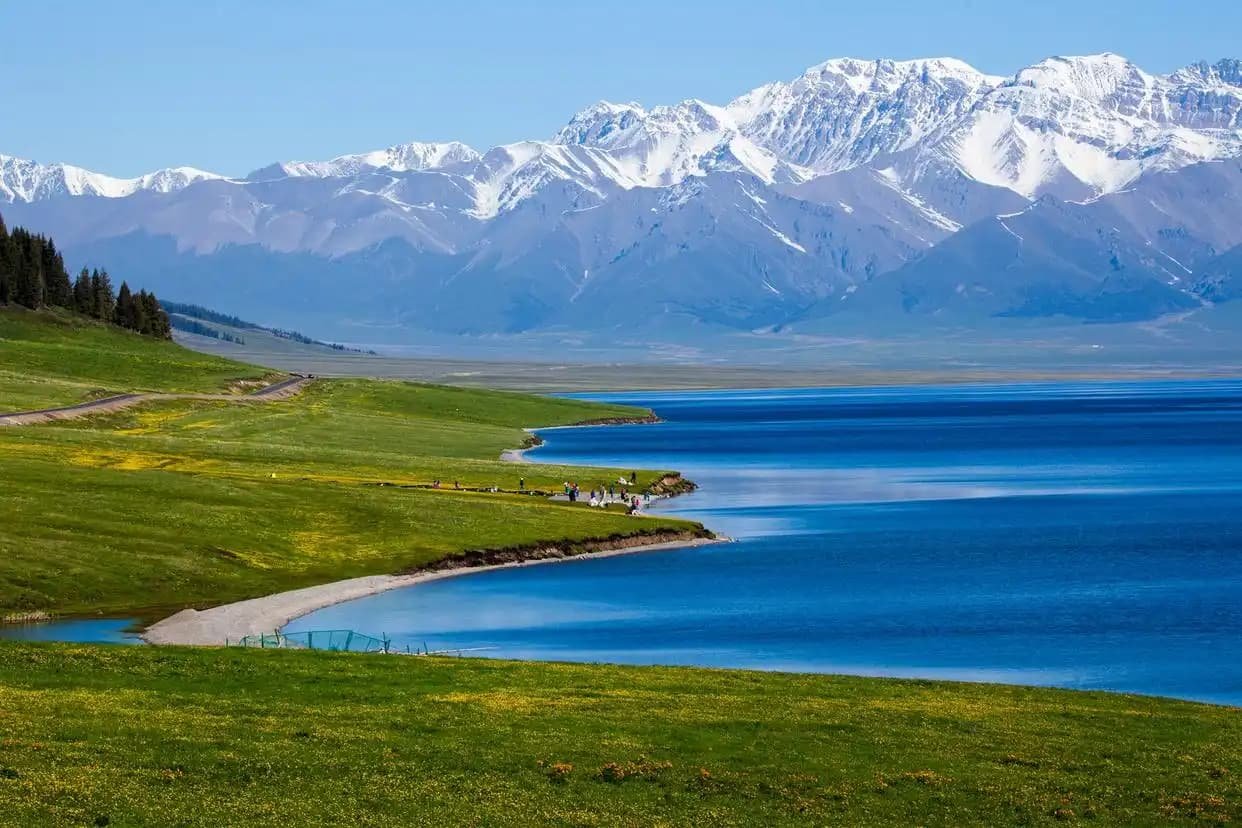
At 3,600 meters above sea level, cradled in the Pamir Plateau that travelers once called “The Roof of the World,” Karakul Lake delivers a moment that no amount of screen time can prepare you for. One moment you are winding through dun-colored hills along the Karakoram Highway; the next, the road crests the Subash Pass and the lake unfolds below — a vast oval of glacial water shifting from jade-green to steel-blue to burnt-orange as the cloud cover moves, with the snow-white massif of Muztagh Ata (7,546 m) standing guard at the far shore.
It is one of the highest alpine lakes in the world, and certainly the most iconic day-trip or overnight extension from Kashgar. But Karakul is not a “selfie spot” you tick off in twenty minutes. It is a place to slow down, to feel the altitude in your chest, and to understand why the Pamir trade routes endured for two millennia despite the thin air, the winter cold, and the isolation.
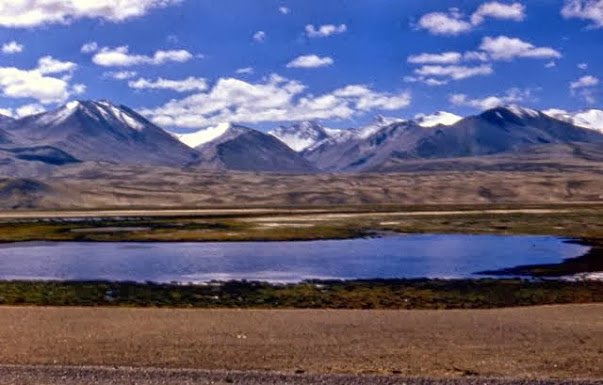 Karakul Lake Pamir Plateau Muztagh Ata reflection glacial lake Xinjiang” />
Why Karakul Lake Belongs on Your Itinerary
For our complete Xinjiang solo travel Guide, see our dedicated Xinjiang Solo Travel Guide with practical details on safety, costs, and planning.
Unlike anywhere else in Xinjiang, the Pamirs deliver a landscape that feels genuinely Himalayan-alpine — jagged permanent snow, high-altitude wetlands dotted with grazing Kyrgyz yurts, and a silence so complete it rings in your ears. Karakul Lake itself is an ice-formed crater lake, its water colored by glacial flour (finely ground rock particles) that shift with the angle of the light and the wind on the surface.
The cultural layer matters too. The lake sits on the seasonal grazing lands of Kyrgyz nomadic families, who set up yurt camps on the north shore from May through September. Staying in one of these yurts — sleeping on a felt mattress with the door flap tied back so you can see the stars — is as close as most foreign travelers will get to the traditional high-pasture nomadic life of Central Asia.
Nearby, Muztagh Ata Glacier Park lets you walk a boardwalk directly toward the glacier tongue at ~4,680 m. “Father of Glaciers,” as the name translates, is not just a postcard view — it is an active glacial system that feeds the lake and sustains the fragile high-altitude wetland ecosystem around it.
Seasonal Window: When to Go
| Consideration | Detail |
|---|---|
| Best Months | May through early October. June–August is warmest (daytime 12–20°C at lake level) but also peak domestic travel — go midweek if possible. |
| Shoulder Season | Late May and late September offer fewer crowds and crisp light, but nights dip below freezing. Bring a real sleeping bag if staying in a yurt. |
| Winter | Not recommended for independent travelers — heavy snow closes passes and altitude risk spikes. The lake freezes solid and the yurt camps dismantle until spring. |
The lake is accessible year-round in theory via the Karakoram Highway (G314) from Kashgar, but the practical window is May–October when guesthouses are open and roads are reliably clear of snow. July and August bring out the most families and tour buses, but also the warmest water (still freezing) and the greenest lakeshore meadows.
Tickets and Fees (2025–2026 Rates)
Karakul Lake entrance: approximately ¥40–50 per person (collected at the checkpoint gate on the north shore; some viewpoints are visible from the road for free, but stepping into the managed lakeshore area requires the ticket).
Muztagh Ata Glacier Park: approximately ¥92 per person (includes mandatory shuttle bus fare; operating hours roughly 10:30–18:30, shuttles run hourly). The glacier park is separately managed and requires its own ticket.
Border / PSB Permit (边防证): Required. You must hold a valid border-zone permit noting Taxkorgan / Tashkurgan County. Most travelers arrange this in Kashgar through their hotel or a travel agency (usually free or a nominal service fee). Bring your passport — the checkpoint staff will inspect it both on the way out and on the way back.
How to Get There
The lake sits roughly 190 km — a 3.5 to 4-hour drive — southwest of Kashgar along the Karakoram Highway (G314). The road itself is part of the experience: it climbs from Kashgar’s oasis basin (~1,280 m) to the Subash Pass (∼4,100 m) before dropping down to the lake (3,600 m), with every kilometer bringing a new geological drama.
- Private 4×4 charter (recommended): ¥1,200–1,800 per vehicle per day including driver, with stops at Baisha (White Sand) Lake and Subash viewpoint. This solves the permit issue (driver handles checkpoints), gives you flexibility for photos, and the road has occasional altitude-related issues where having a local driver matters.
- Public bus: Kashgar long-distance station runs a daily bus to Tashkurgan town (∼¥60), but it won’t wait for photos and drops you at the county seat, not the lakeshore. Not ideal for a pure lake visit.
- Self-drive: Permitted only with proper paperwork and an approved itinerary. Check current rules with your tour operator — foreign self-drive on the Karakoram Highway has periodic restrictions.
What to Do at Karakul Lake
Photograph the Reflection
The classic shot is from the northeast shore track looking south at Muztagh Ata mirrored in the lake. Best light: dawn (clear air, no wind) and 90 minutes before sunset (warm side-light on the glacier face). If the wind picks up, the reflection shatters — wait it out or come back the next morning if you are staying overnight.
Visit a Kyrgyz Yurt Camp
Several seasonal camps operate May–September on the north shore (¥80–200 per person for a mattress on the floor + meals). It is rustic — no plumbing, no Wi-Fi, and the altitude makes everything feel like an effort — but waking up to glacier light from inside a felt tent is unforgettable. Ask the yurt owner about evening milk tea and dried fruit; it is simple, generous hospitality.
Glacier Park Boardwalk Hike
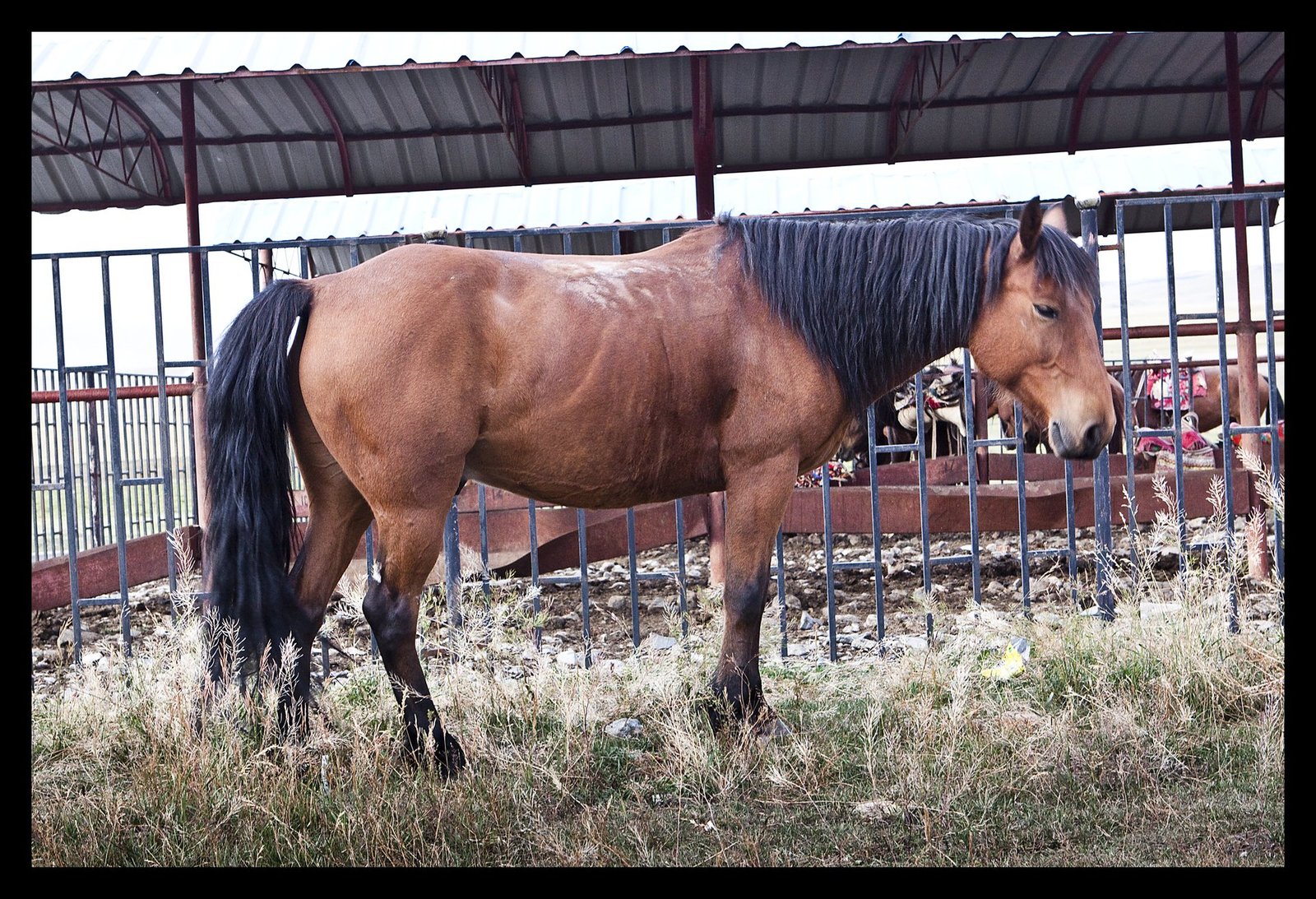
From the shuttle drop-off at Muztagh Ata Glacier Park, a 1.2 km plank walk leads to the glacier viewing platform. The air is thin — walk slowly. Horseback rides are available one-way (∼¥100) if you are feeling the altitude. Note: the glacier has retreated significantly over the past three decades; what you see is real, but it is not the dramatic ice wall from old photographs.
Baisha (White Sand) Lake
En route between Kashgar and Karakul, Baisha Lake is worth a 30-minute stop. The water is shallow and the surrounding dunes are pale quartzite — it gleams white in full sun. Entrance is approximately ¥40.
Altitude and Safety (Non-Negotiable)
Karakul sits at 3,600 m. Altitude sickness is real here, and the nearest proper medical facility is back in Kashgar (3.5 hours away).
- Acclimatize: Never ascend directly from Kashgar (1,280 m) to the lake AND exert heavily on the same day if you are susceptible. Spend a night in Kashgar first, or at minimum have lunch in the town of Upal on the way out to let your body adjust gradually.
- Symptoms: Headache, nausea, dizziness. If you feel vomiting or confusion, descend immediately — don’t “push through.” The lake will wait; your brain won’t.
- Bring: Ibuprofen (for altitude headache), sunscreen SPF 50+, lip balm (the air is dry enough to crack lips in a day), a warm layer (the wind cuts through even in August), and cash (no ATMs at the lake, and the yurt camps don’t take cards).
- No alcohol at altitude. Drink water — more than you think you need.
Sample Itinerary Pacing
Day Trip from Kashgar: Depart 07:30 → Baisha Lake (45 min stop) → Subash Pass photo stop → Karakul lakeshore walk and lunch at a yurt camp → return by 19:00. This is a long day but doable if you have limited time.
Overnight (Recommended): Stay at a lakeshore yurt or Muyun Camp, shoot sunset + sunrise, continue next morning deeper into the Pamirs toward Tashkurgan. The second morning light on the lake is invariably better than the previous evening’s, because you’ve had time to scout the best angle and the wind has often died down overnight.
Where to Stay
Accommodation at Karakul is seasonal and rustic. The yurt camps on the north shore are the most atmospheric option — sleeping under layered felt with the sound of the wind and the occasional yak bell drifting in. Bring your own sleep sheet and a four-season sleeping bag rating to at least -5°C. The camps have basic communal toilets (pit latrines) and no showers.
For those who prefer a proper bed, Muyun Camp (穆云营地) offers simple wooden cabins with shared bathrooms, approximately ¥300–600 per night depending on season. Book ahead if traveling in July–August.
Respect and Etiquette
The Kyrgyz families who run the yurt camps are sharing their summer grazing land with visitors. A few basic courtesies go a long way:
- Always ask before photographing inside a yurt or taking a close-up of a person. A smile and a gesture with your camera is universally understood.
- If you are invited for tea or a meal, accept — and offer a small tip (¥20–50) when you leave. It is not expected, but it is appreciated and helps sustain the camps.
- Don’t wander into the fenced winter-shelter areas or the yak-corralling zones. These are working pastoral lands, not petting zoos.
- Pack out everything you bring in. The Pamir ecosystem is fragile and slow to recover from litter.
Why the Pamir Route Deserves More Than a Day
Most foreign travelers treat the Kashgar–Karakul–Tashkurgan corridor as a two-day blitz. That is a mistake. The Pamir Plateau is not just a scenic drive; it is a cultural landscape where the Silk Road’s high-mountain trade routes are still visible as stone-paved trackways, where the food shifts from Uyghur laghman to Kyrgyz milk tea and bread, and where the night sky — untouched by light pollution — is the kind of dark that lets you see the Milky Way’s central band from horizon to horizon.
If your itinerary allows, give the Pamirs three days. One for the lake, one for Tashkurgan and the Stone City, and one for the high passes toward the Khunjerab checkpoint (even if you don’t cross the border, the landscape gets progressively more dramatic as you climb). It is some of the most extraordinary travel terrain on Earth — and it starts, very quietly, with the moment the road crests at Subash Pass and you see Karakul Lake for the first time.