
Is Xinjiang Safe for Tourists in 2026? An Honest Solo Travel Safety Guide
Updated July 2026 | By Karl Huang
If you are asking whether Xinjiang solo travel is safe in 2026, you are asking the right question — and you deserve a straight answer, not a tourism brochure. I have spent weeks moving through the region alone, by train, long-distance bus, and a rented car, and the short version is this: Xinjiang is one of the safer corners of China for visitors who plan ahead. Street crime is low, violent crime against travelers is rare, and the risks that actually bite most solo travelers are logistical — distance, altitude, weather, and the occasional paperwork snag at a border checkpoint — not personal safety.
This guide separates the real risks from the noise, breaks safety down region by region, and gives you a checklist you can actually use before you board the plane.
| Question | Short answer |
|---|---|
| Is Xinjiang safe for tourists? | Yes — low crime, but plan your logistics |
| Safest regions | Urumqi, Kashgar, Turpan, Ili, North Xinjiang lakes |
| Main risks | Distance, altitude, weather, border permits |
| Solo female travel | Generally safe with standard precautions |
| Emergency numbers | 110 police, 120 ambulance, 119 fire |
| Best prep | Sort best time to visit Xinjiang and your border permit early |
What “safe” actually means in Xinjiang
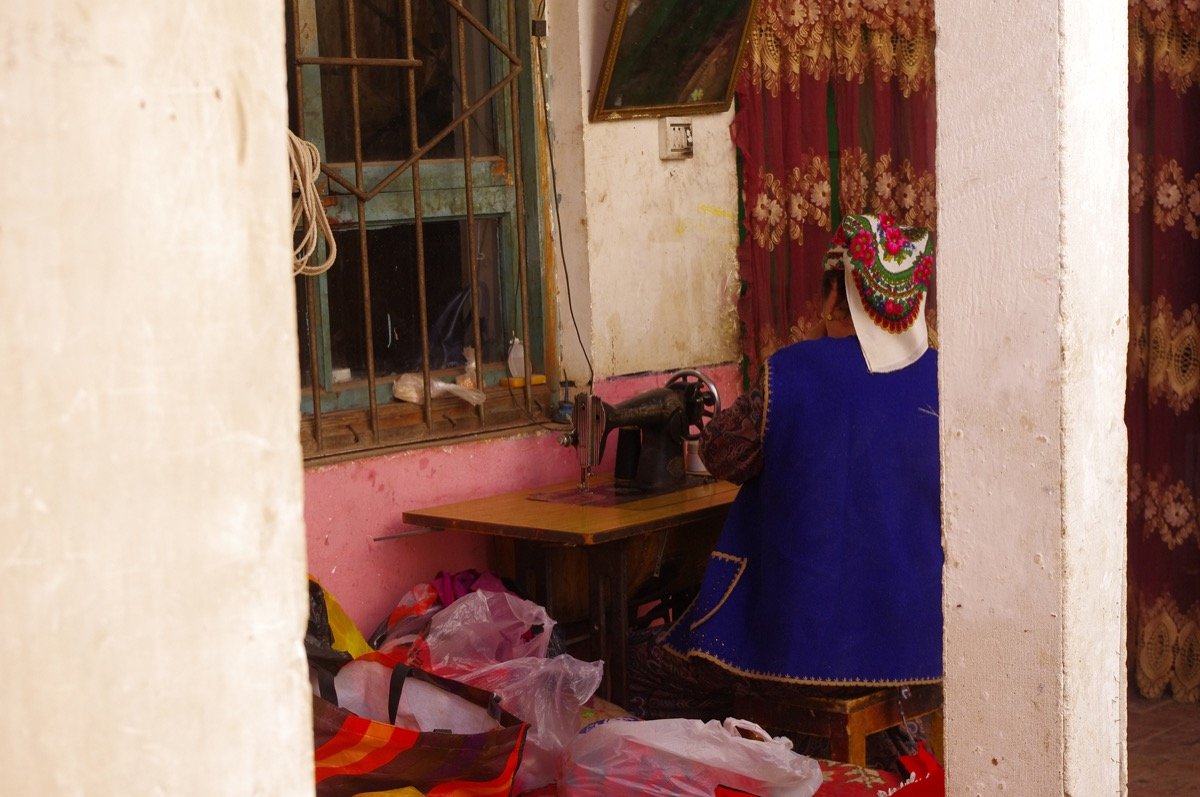
Most travelers picture Xinjiang through headlines, not through the daily reality of its streets. The region runs a heavy security presence — police stations on major blocks, ID checks at bus and train stations, luggage scanners everywhere. That visibility can feel unfamiliar, but it correlates with something travelers care about: very low rates of street theft, pickpocketing, and violent crime against visitors.
On my first solo trip I arrived at Urumqi Diwopu Airport after midnight. The 90-minute taxi ride into the city was metered, the driver used a navigation app the whole way, and I walked from the drop-off point to my hostel block at 1 a.m. without a second thought. That is the more honest texture of the place.
Regional safety breakdown
Urumqi and North Xinjiang (Kanas, Yili, Burqin)
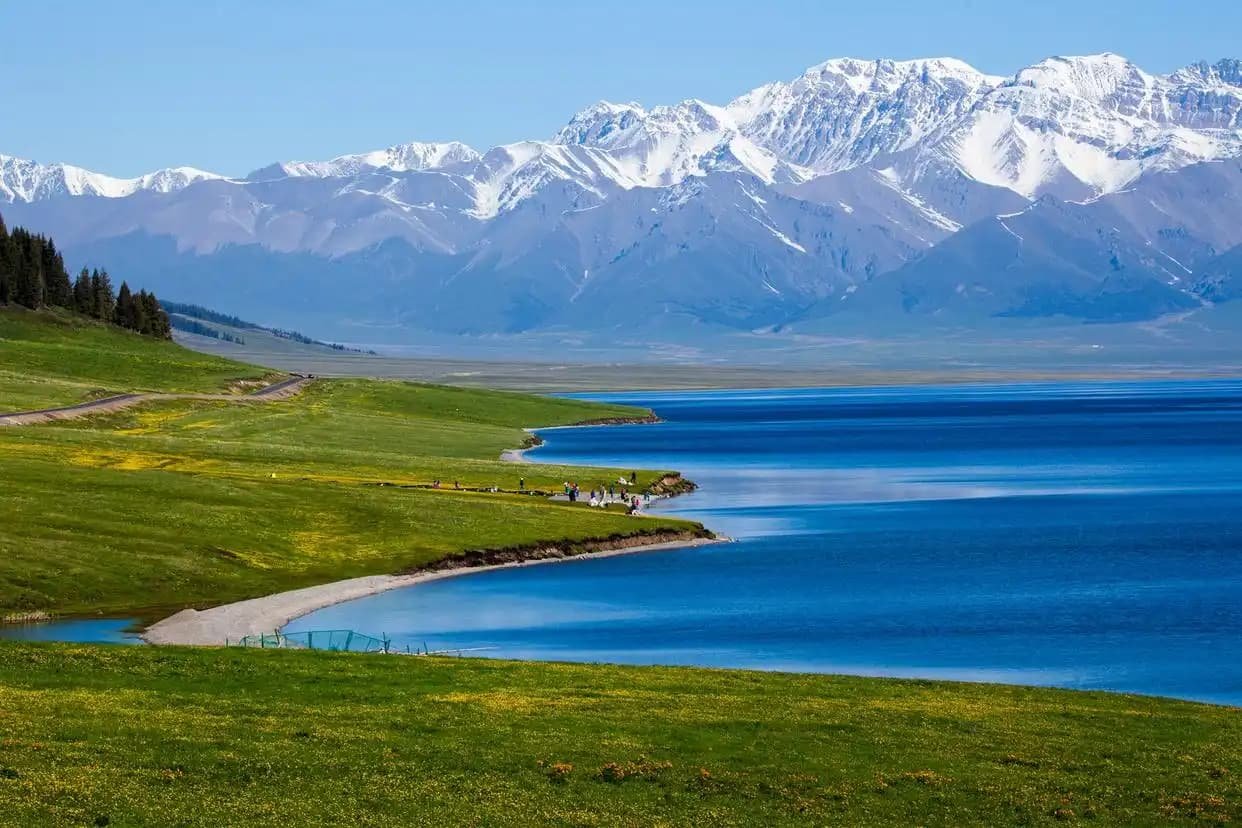
This is the easiest, most tourist-polished part of the region. Kanas Lake, Sayram Lake, and the Ili grasslands see domestic and some international visitors throughout the season. The hazards here are natural, not social: long drives between stops, sudden cold fronts, and the occasional closed mountain pass.
Kashgar and South Xinjiang (Taklamakan, Pamir)
Kashgar’s old town is busy, friendly, and walkable day or night. Heading south toward the Pamir Plateau or out to the desert highway means more checkpoints and, in some cases, a border permit. The people are welcoming; the logistics just need attention.
Border zones (Tashkurgan, Baihaba, Khorgos)
These are not “dangerous” — they are bureaucratic. Foreign visitors need a border permit (边境证) for places like Tashkurgan and Baihaba. Get it in Kashgar or Urumqi before you go; showing up at the gate without it means a long drive back.
The real risks (and how to handle them)
Forget the scary stories. The five things that actually disrupt a Xinjiang trip:
- Distance and sparse services. Towns can be 300–500 km apart with little between them. Always leave with a full fuel tank, water, and a downloaded offline map.
- Altitude. The Pamir Plateau sits above 3,000 m. Tashkurgan is around 3,100 m. Ascend gradually and know the symptoms of altitude sickness.
- Weather swings. A sunny 28°C afternoon can drop to 8°C after dark at altitude. Pack layers regardless of season.
- Border paperwork. Permits take a day to arrange. Build buffer into your Xinjiang solo travel plan so one missing stamp does not sink the route.
- Payment and connectivity friction. Foreign cards do not always work at small vendors, and some apps are region-locked. Carry cash and set up mobile payment before you arrive.
Solo female travel in Xinjiang
Women traveling alone report the same pattern: hassle is rare, respect is the norm. Dress modestly near mosques and in rural southern areas (a scarf and sleeved top goes a long way), book hotels through major platforms so your registration is automatic, and you will move freely. Night markets in Kashgar and Urumqi are crowded and lively well past 11 p.m. — perfectly fine to wander.
Scams and small things to watch
Xinjiang is not a scam hotspot, but a few standard travel cautions apply:
- At airports, use the DiDi or Gaode ride-hailing apps rather than negotiating with touts at the curb.
- “Free” invitations to a “local home” near attractions sometimes lead to a carpet or jade sales pitch. Polite refusal is normal and expected.
- Agree on taxi fares before getting in if the meter is not running.
Emergencies and healthcare
Emergency numbers are national: 110 for police, 120 for ambulance, 119 for fire. Urumqi has international-standard clinics; prefecture capitals have solid public hospitals. For anything serious, travel insurance with evacuation cover is worth it — and so is saving your embassy’s China contact into your phone before you leave.
A practical safety checklist
- Register your stay within 24 hours — hotels do this automatically; if you stay with a family, the host must register you at the local station.
- Carry your passport, or at minimum a clear photo plus the hotel registration receipt.
- Share your route with someone at home and check in at each major stop.
- Download offline maps; signal drops on mountain roads.
- Keep a small cash buffer (¥500–1,000) for places that do not take cards.
The honest conclusion: Xinjiang travel tips for first-timers boil down to preparation, not fear. Plan the logistics, respect local customs, and the region rewards you with some of the most open, hospitable travel in Asia.
FAQ
Is Xinjiang safe for Western tourists in 2026?
Yes. Visitors from Europe, North America, and elsewhere travel independently without issue. The main adjustment is the security presence and the ID checks, which are routine, not targeted.
Do I need a guide, or can I travel completely independently?
You can travel independently across almost all of Xinjiang. A guide helps mainly in remote border areas or if you want deeper cultural context. Booking trains, hotels, and buses yourself is straightforward with translation apps.
Is it safe to rent a car and self-drive?
Safe and popular. Roads are good, signage is clear, and traffic is light outside cities. The catch is fuel range and the occasional checkpoint — keep your passport and permit handy and never cross a restricted zone without paperwork.
Are there areas foreigners cannot visit?
A few military or border zones are off-limits, and some require a permit (Tashkurgan, Baihaba). These are marked and enforced at checkpoints; plan around them rather than through them.
What should I do if stopped at a checkpoint?
Stay calm, smile, and hand over your passport when asked. Checks are routine and brief. Having your accommodation registration and permit ready speeds things up considerably.