
Xinjiang Food Guide: What to Eat and Where
Introduction to Xinjiang’s Culinary Landscape
For our complete Xinjiang Solo Travel Guide, see our dedicated Xinjiang Solo Travel Guide with practical details on safety, costs, and planning.
Xinjiang, China’s vast western region, is a culinary paradise that reflects thousands of years of Silk Road cultural exchange. The region’s unique position as a crossroads between East and West has created a distinctive food culture that blends Central Asian, Middle Eastern, and Chinese flavors. For travelers embarking on Xinjiang free independent travel, exploring the local cuisine is not just about satisfying hunger – it’s about understanding the region’s rich cultural tapestry.
The cuisine of Xinjiang is primarily shaped by the Uyghur people, the largest ethnic group in the region, along with significant contributions from Kazakh, Kyrgyz, Hui, and Han Chinese communities. This diversity creates a vibrant food scene that offers everything from hearty nomadic dishes to delicate pastries influenced by Persian cuisine. Whether you’re a adventurous eater or prefer familiar flavors, China Xinjiang DIY travel will introduce you to tastes you’ve never experienced before.
Must-Try Dishes: A Culinary Journey Through Xinjiang
1. Laghman (Hand-Pulled Noodles) – The Soul of Xinjiang Cuisine
Laghman is undoubtedly the most iconic dish of Xinjiang. These hand-pulled noodles are made fresh daily by skilled chefs who stretch and pull dough into long, chewy strands right before your eyes. The noodles are served with a rich, aromatic sauce made from tomatoes, bell peppers, onions, and your choice of meat (typically lamb or beef).
What makes Laghman special is not just the noodles themselves, but the accompanying sauce (called “lenpung”). This sauce is slowly simmered with tomatoes, creating a rich base, then augmented with stir-fried vegetables and meat. The result is a harmonious blend of textures and flavors – chewy noodles, tender meat, and crisp-tender vegetables all coated in a savory, slightly tangy sauce.
You can find excellent Laghman at restaurants throughout Xinjiang. In Urumqi, head to the “Erdaoqiao” area near the International Grand Bazaar for some of the best versions. In Kashgar, the family-run restaurants in the Old Town serve Laghman that has been perfected over generations. For Roam Xinjiang travel tips, ask locals for their favorite Laghman spot – some of the best bowls are served in humble establishments that don’t even have English signage.
Pro tip: Watch the noodle-making process if you can. Seeing a skilled chef transform a lump of dough into dozens of perfectly uniform noodles in seconds is mesmerizing. And don’t be afraid to slurp your noodles – in Xinjiang, it’s a sign that you’re enjoying your meal!
2. Kebabs (Chuanr) – The Ultimate Street Food
No visit to Xinjiang is complete without trying the famous kebabs, known locally as “chuanr.” Skewered cubes of marinated meat (usually lamb, but beef and chicken are also common) are grilled over open charcoal fires and seasoned with a magical blend of cumin, chili powder, salt, and sometimes Sichuan peppercorns.
The aroma of sizzling meat and spices fills the air in night markets and street corners across Xinjiang. What sets Xinjiang kebabs apart from other grilled meats is the quality of the meat and the marination process. Lamb is the most popular choice – it’s typically from sheep raised on the region’s vast grasslands, resulting in tender, flavorful meat with just the right amount of fat.

Beyond meat, Xinjiang’s kebab vendors also offer vegetarian options like grilled peppers, mushrooms, tofu, and even grilled whole garlic heads. The vegetables are brushed with the same spice blend as the meat, creating a cohesive flavor profile across the entire skewer.
For the full experience, head to a night market in Urumqi (Hongshan Road has an excellent one) or Kashgar’s Old Town Night Market. The atmosphere is electric – sizzling grills, laughter, music, and the clinking of beer bottles create an unforgettable dining experience. These markets are also perfect for solo travel services in Xinjiang, as the communal atmosphere makes it easy to meet fellow travelers and locals alike.
3. Pilaf (Zhuafan) – Fragrant Rice Fit for Kings
Pilaf, known locally as “zhuafan” (which literally means “grab rice”), is a fragrant rice dish that’s a staple of Xinjiang cuisine. The rice is cooked with lamb, carrots, onions, and raisins, then seasoned with cumin, cardamom, and other spices. The result is a dish that’s both hearty and aromatic, with each grain of rice infused with the rich flavors of meat and spices.
Traditionally, pilaf was eaten with the right hand (hence the name “zhuafan”), but nowadays most people use spoons. The dish holds a special place in Xinjiang’s culinary culture – it’s served at weddings, festivals, and other celebrations, and is often the centerpiece of a festive meal.

The recipe varies from region to region. In southern Xinjiang (around Kashgar and Hotan), you’ll find sweeter versions with more raisins, apricots, and even dates. In northern Xinjiang (around Urumqi and Ili), the pilaf tends to be more savory, with larger pieces of meat and more onions and carrots.
For travelers following Xinjiang travel guide for independent explorers, trying pilaf in different regions is a great way to understand the subtle culinary differences across this vast province. Don’t miss the opportunity to try “Kashgar-style pilaf” – many consider it the gold standard of Xinjiang pilaf.
4. Samsa – The Perfect Portable Snack
Samsa are flaky, golden-brown pastries filled with minced meat, onions, and spices. They’re baked in traditional tandoor ovens (cylindrical clay ovens), which gives them a unique smoky flavor and crispy exterior. Samsa are ubiquitous in Xinjiang – you’ll find vendors selling them on almost every street corner, especially in the morning when locals buy them for breakfast.
These pastries are perfect for travelers on the go. They’re portable, affordable (usually costing just 3-5 yuan, or about $0.50 USD), and incredibly satisfying. The best samsa have a slightly charred bottom from the tandoor oven and a juicy, well-seasoned filling. Vegetarian versions with pumpkin or spinach filling are also available.
For those on a DIY Xinjiang travel budget, samsa provide an authentic and filling meal for under $1 USD. They’re also an excellent introduction to Xinjiang’s bakery culture – once you’ve tried fresh samsa, you’ll understand why locals line up at tandoor ovens every morning.
5. Dairy Products: Milk Tea, Yogurt, and Cheese
Xinjiang’s nomadic communities (primarily Kazakh and Kyrgyz) produce exceptional dairy products that are an integral part of the region’s culinary identity. Milk tea (nay chay) is a staple beverage, made with black tea, milk, and salt. It might sound unusual to Western palates, but it’s surprisingly delicious and perfect for the region’s cold climate.
Yogurt in Xinjiang is thick, tangy, and often served with honey or fruit preserves. Unlike the sugary, artificially flavored yogurts found in supermarkets, Xinjiang’s traditional yogurt is a probiotic powerhouse with a rich, complex flavor. You can find it at markets and roadside stalls throughout the region.
Cheese varieties include “kurut” (dried salty cheese balls) and fresh cottage-style cheeses. These are essential parts of the nomadic diet and provide crucial nutrition for herders living in remote mountain regions. When you travel independently in Xinjiang, accepting an invitation to share milk tea and cheese with a local family can be one of the most memorable experiences of your trip.
Where to Eat: Best Food Destinations in Xinjiang
Urumqi: The Food Capital
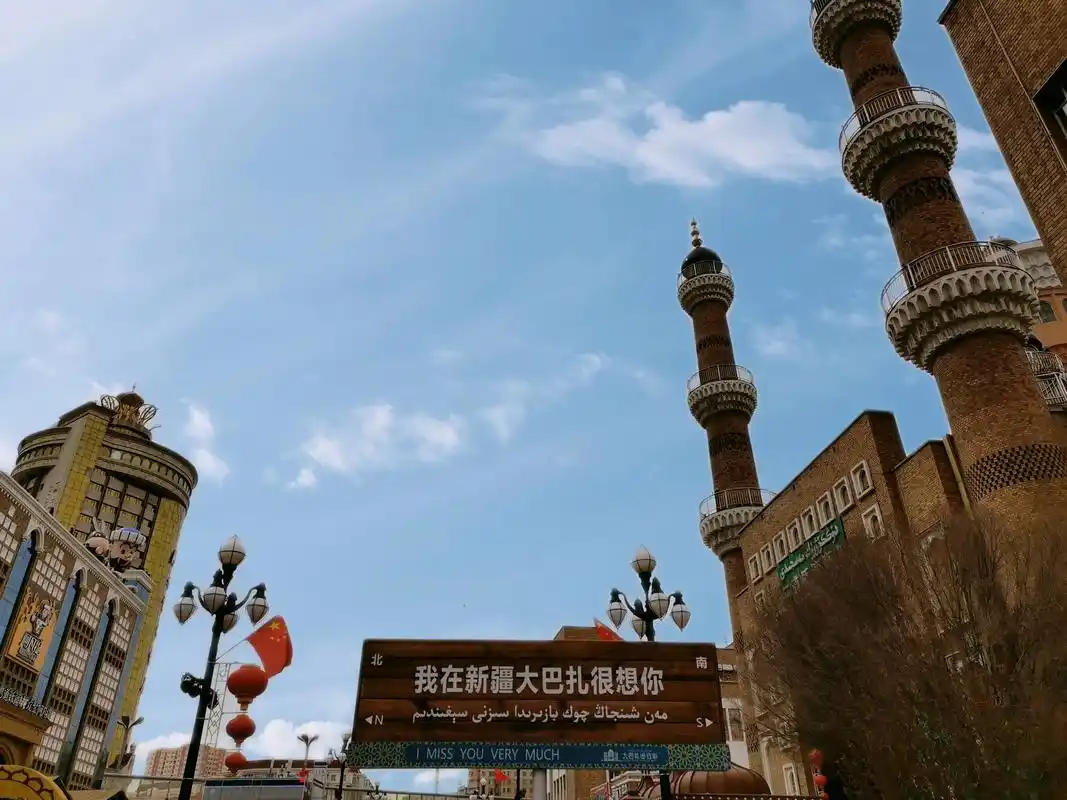
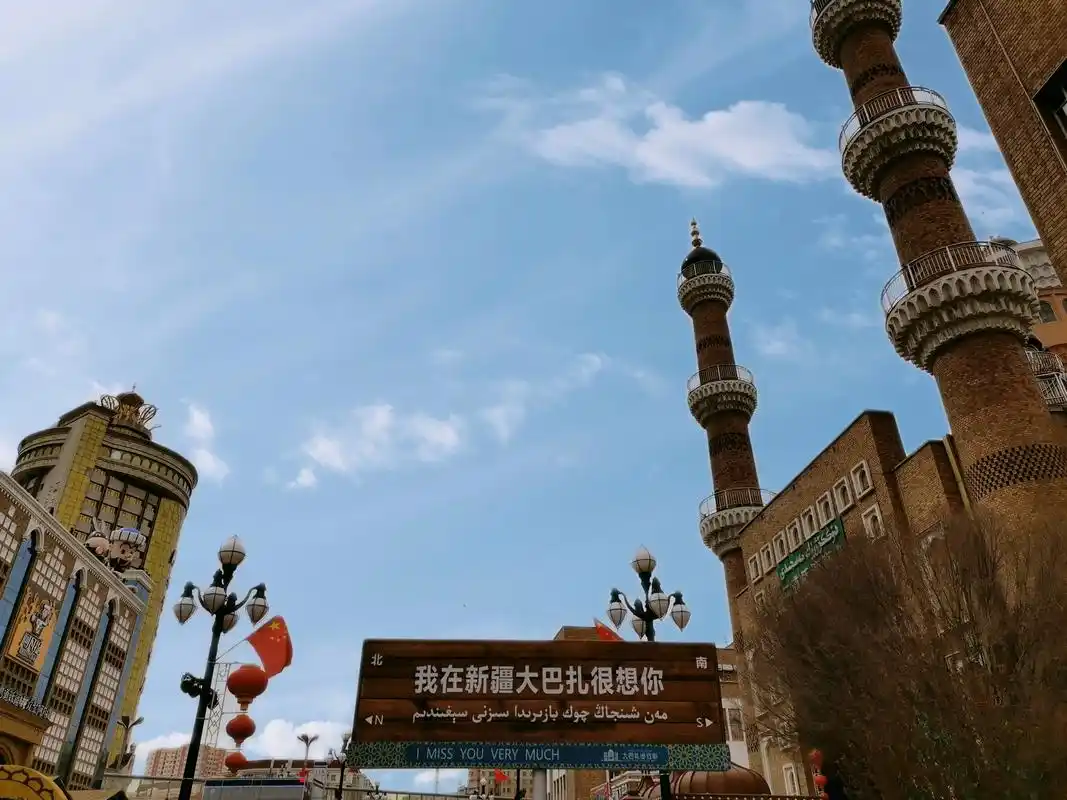
As the capital of Xinjiang, Urumqi offers the most diverse food scene in the region. The famous “Erdaoqiao” (Second Bridge) area is home to the International Grand Bazaar, where you can sample dishes from all over Xinjiang in one place. The bazaar has a dedicated food court with dozens of stalls serving everything from Laghman to fresh-baked naan bread.
Don’t miss the night market on “Hongshan Road” for late-night snacking. This bustling market comes alive after sunset, with dozens of food stalls, outdoor seating, and a lively atmosphere. It’s the perfect place to sample multiple dishes in one evening.
Kashgar: Ancient Flavors in a Living Museum
Kashgar’s Old Town is a living museum of Uyghur culture, and its food reflects centuries of tradition. The area around “Id Kah Mosque” has numerous family-run restaurants serving authentic Uyghur cuisine. Try “Iparihan Restaurant” for excellent Laghman and “Old Town Night Market” for the best kebabs in the region.
What makes dining in Kashgar special is the sense of history. Many restaurants are housed in centuries-old courtyard houses, and recipes have been passed down through generations. Eating in Kashgar isn’t just a meal – it’s a journey through time.
Turpan: Oasis Cuisine at Its Best
Turpan’s unique climate (it’s one of the hottest places in China) produces exceptional grapes, melons, and other fruits. The local cuisine makes creative use of these ingredients. Don’t miss “Turpan raisins” – they’re world-famous for their sweetness and quality. The city’s Sunday Bazaar is also an excellent place to sample local snacks and buy fresh produce.
Food Safety and Dietary Considerations for Foreign Travelers
For foreign travelers, food safety is a common concern. Here are some tips to ensure a safe and enjoyable culinary experience in Xinjiang:
- Choose busy restaurants: High turnover means fresher ingredients and better hygiene. If a place is packed with locals, it’s almost certainly safe and delicious.
- Drink bottled water: While tap water is generally safe for locals, foreigners should stick to bottled water and avoid ice in drinks unless you’re sure it’s made from purified water.
- Vegetarian options: Xinjiang cuisine is heavily meat-based, but vegetarian travelers can find dishes like “tomatir nan” (tomato flatbread), “samsa” with pumpkin filling, and various noodle dishes without meat. Buddhist restaurants (serving vegetarian food) can also be found in larger cities.
- Halal food: Most restaurants in Xinjiang are Halal, so you won’t find pork on the menu. This also means high standards of cleanliness in food preparation, as Islamic dietary laws require meticulous hygiene.
- Spice levels: Xinjiang food can be spicy, but it’s usually not as fiery as Sichuan cuisine. If you’re sensitive to spice, ask for “bu la” (not spicy) when ordering. Most dishes can be adjusted to your tolerance level.
- Allergies: If you have food allergies, learn to say them in Mandarin or Uyghur, or carry a card explaining your allergies. Nut allergies can be particularly challenging, as nuts are commonly used in pastries and desserts.
Cooking Classes and Food Tours for Immersive Experiences
For travelers who want to dive deeper into Xinjiang’s food culture, several cooking classes and food tours are available. In Urumqi, “Xinjiang Culinary Academy” offers half-day classes where you can learn to make Laghman, samsa, and other local dishes. The classes are taught by experienced local chefs and include a market visit to select fresh ingredients.
In Kashgar, “Old Town Food Tours” take you through the winding alleys of the ancient city, sampling snacks and learning about the history behind each dish. The tours are led by local food experts who can explain the cultural significance of different ingredients and cooking techniques.
These experiences are perfect for travelers who want to go beyond just eating and actually understand the “why” and “how” of Xinjiang cuisine. Plus, you’ll get to take home new culinary skills that will impress your friends and family!
Conclusion: A Culinary Adventure Awaits
Xinjiang’s cuisine is as diverse and captivating as its landscapes. From the hearty noodles of the north to the fragrant rice dishes of the south, every meal tells a story of cultural exchange and culinary innovation. Whether you’re savoring a perfectly grilled kebab in a bustling night market or sharing milk tea with a nomadic family on the vast grasslands, the food of Xinjiang will leave you with lasting memories.
So pack your appetite and embark on a culinary adventure through this remarkable region – your taste buds will thank you! And remember, the best meals in Xinjiang often come from the most unexpected places: a roadside stall, a family’s kitchen, or a bustling market. Be adventurous, be open-minded, and most importantly, be hungry. For more information on Xinjiang solo travel and food experiences, visit our website for the latest updates and travel tips.