
Habahe: White Sand Lake and the Birch Forest
Updated July 2026 | By Karl Huang
If you are planning your first independent trip to Xinjiang and want to see a side of Xinjiang that most tourists miss, Habahe County deserves a spot on your itinerary. Tucked into the northwesternmost corner of China where the borders of Kazakhstan and Russia converge, this small county of roughly 80,000 people is the gateway to White Sand Lake (Bai Sha Hu), one of Xinjiang’s most surreal landscapes, and the quietly beautiful Habahe Birch Forest Park.
I first passed through Habahe on a late-September drive from Burqin toward the 185th Regiment. What struck me wasn’t a single landmark but the spaciousness of the place—wide roads lined with golden birch, the Habahe River running clear and fast, and a town center that felt remarkably calm compared to the summer bustle of Burqin or Kashgar. Habahe doesn’t try to impress you. It just sits there at the edge of the map, doing its border-town work, and if you slow down, it rewards you.
Quick Reference: Habahe County at a Glance
| Item | Details |
|---|---|
| Best season | June–October; peak autumn color: September 20 – October 5 |
| How to get there | Fly to Altay Xingjiang Airport (AAT), then 2.5h drive; or via Burqin (1.5h) |
| Ticket prices | White Sand Lake: ~102 CNY; Birch Forest Park: ~30 CNY |
| Opening hours | White Sand Lake: 10:00–19:30 (Jun–Oct); Birch Forest: 09:00–20:00 |
| Distance from Urumqi | ~680 km (10–11 hours by car); ~1h flight to Altay + 2.5h drive |
| Border permit needed? | Yes, for White Sand Lake / 185th Regiment area (get it in Habahe town) |
Where Is Habahe County, Exactly?
Habahe County (哈巴河县) sits in the Altay region of northern Xinjiang, sharing a 282.6 km border with Kazakhstan to the west and Russia to the north. It is, quite literally, the northwesternmost county of China. The county seat is Akqi Town (阿克齐镇), a compact, tidy place that serves as the logistics base for visitors heading to White Sand Lake and the 185th Regiment scenic area.
The name “Habahe” comes from the Habahe River, which flows out of the Altay Mountains and into the Irtysh River basin. In Kazakh, “Haba” is interpreted as meaning “riverbank” or “river flat.” The river gives the county its identity and its water—Habahe is known as one of Xinjiang’s most ecologically pristine counties, with high forest coverage and some of the cleanest air in the region.
Habahe’s location makes it a natural stop on a northern Xinjiang loop. Most travelers encounter it as a transit point between Burqin (for Kanas and Hemu) and the northwestern border areas. But treating it as only a transit point is a mistake—the county itself has enough to justify a full day or two.
White Sand Lake: The Desert Holy Spring
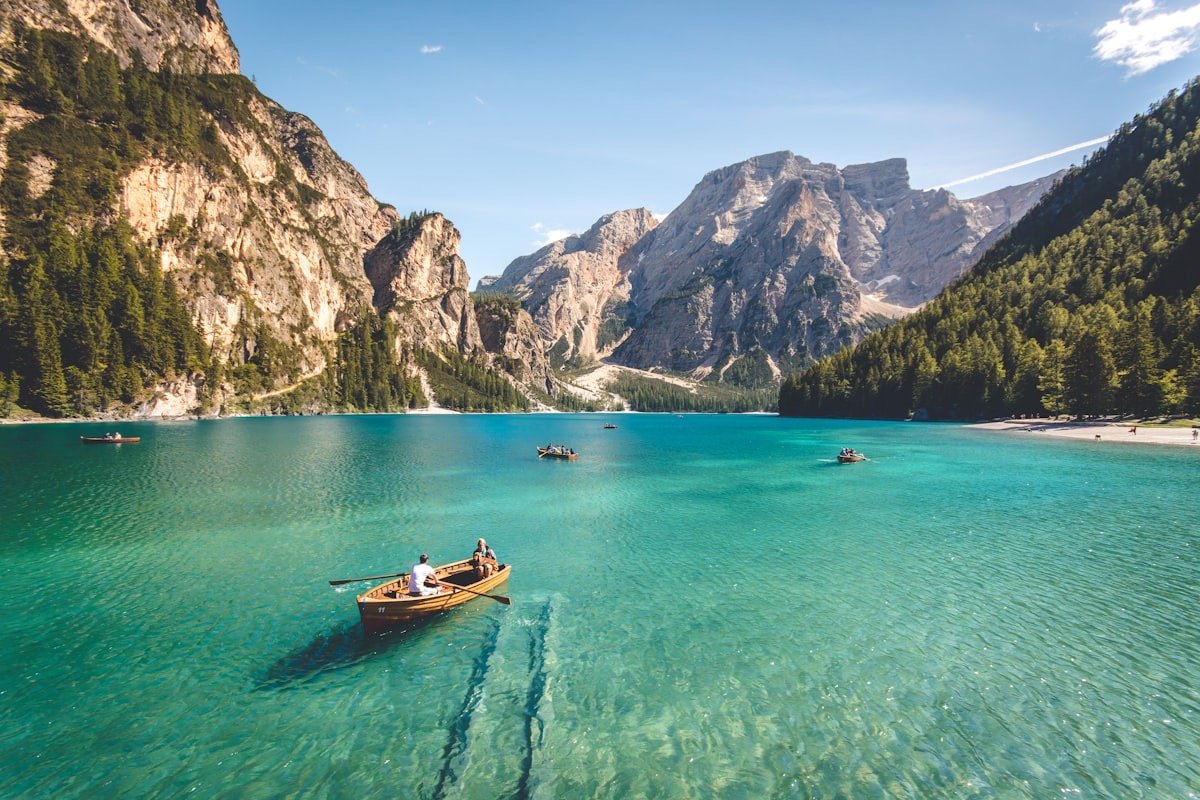
The main reason most travelers come to Habahe is White Sand Lake (白沙湖), a 5A-rated scenic area located within the territory of the 185th Regiment of the Xinjiang Production and Construction Corps, about 100 km northwest of Habahe town.
What makes White Sand Lake remarkable isn’t its size—it’s only about 10 hectares—but its setting. The lake sits in the middle of a sand dune complex, with no visible inlet or outlet, yet its water level remains constant year-round. Surrounding the lake are sand dunes to the north and west, birch and poplar forest to the east and south, and in the distance, the low mountains that mark the border with Kazakhstan, barely 2.5 km away.
I visited in late September. The contrast was striking: white-gold sand, deep blue water, and the pale yellow of drought-resistant plants around the shore. The lake’s water is clear enough to see pebbles at the bottom. There’s a boardwalk that circles part of the lake, and climbing the adjacent dune gives you a view across the desert plain toward the border lines.
Practical note: You need a border permit (边防证) to visit White Sand Lake. You can get it at the PAP (Public Security) bureau in Habahe town; bring your passport or ID card. The permit is free and takes about 20 minutes.
Habahe Birch Forest Park: The Birch Kingdom of Northwest China
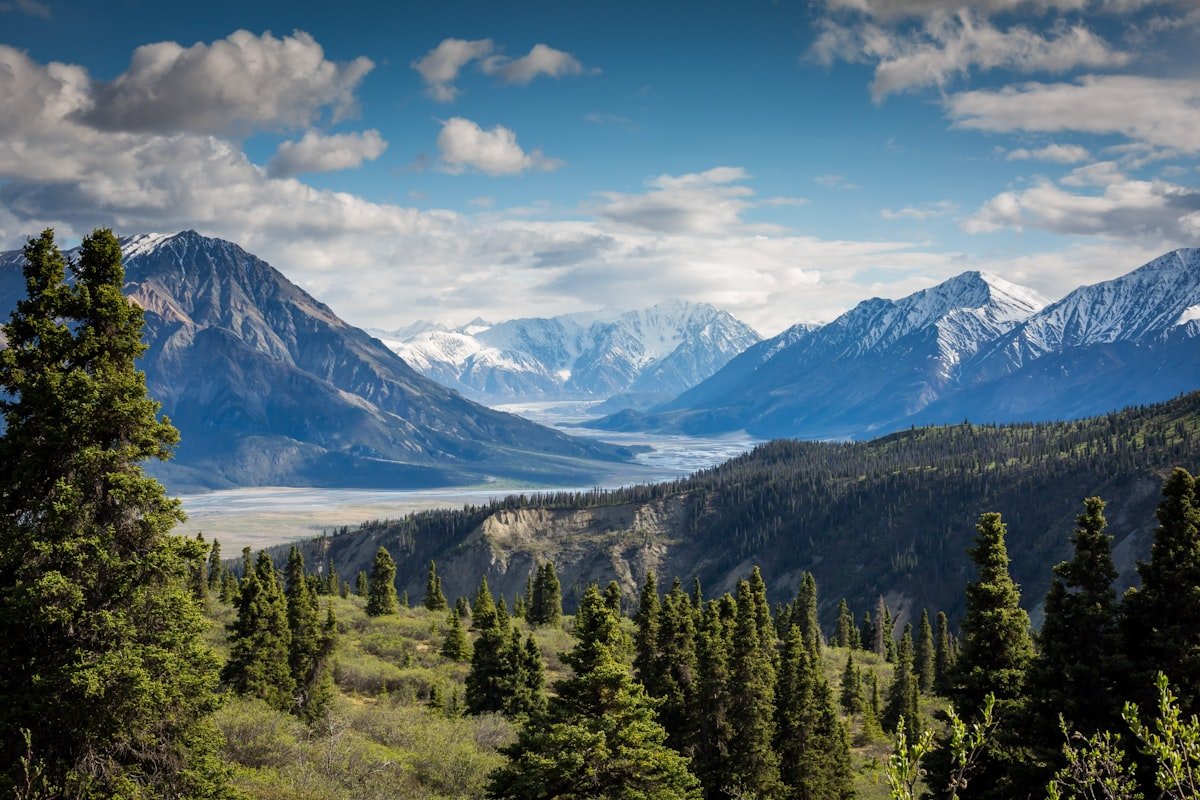
About 4 km west of Habahe town lies the Habahe Birch Forest (哈巴河白桦林), a 4A-rated scenic area that protects a large tract of naturally growing silver birch. The forest stretches along the Habahe River for several kilometers, with walking paths that take you deep into the stands.
The best time to visit is, without question, late September to early October. That’s when the birch leaves turn a clear, bright gold, and the contrast with the still-green grass and the dark trunks is as good as any autumn scenery I’ve seen in Europe or North America. The forest is not heavily developed—there are boardwalks and a few viewing platforms, but it retains a wild feel.
What I appreciated most was the sound. Birch forests have a particular acoustic quality—the leaves rustle in even a light wind, and the Habahe River provides a constant background. If you’re traveling with a tent, there are designated camping areas in and around the forest park (though check with the ticket office first).
The birch forest is also a good place to see local life. On weekend mornings, you’ll see families from Habahe town walking the paths, and in autumn, it’s a popular spot for wedding photography. It’s one of the few scenic areas in Xinjiang where you can have a genuinely local experience rather than a staged tourist one.
The 185th Regiment: China’s Northwesternmost Border Regiment
The White Sand Lake scenic area is part of the 185th Regiment (兵团185团) of the Xinjiang Production and Construction Corps. The 185th is known as the “northwesternmost regiment” and has a small but interesting museum and monument area that tells the story of the Corps’ settlement along the border in the 1960s.
Even if you’re not into modern history, the landscape around the 185th Regiment is worth seeing. The combination of desert, river, and distant mountains, with the knowledge that you’re standing at one of China’s most remote border posts, gives the place a particular atmosphere. There’s also a “Northwest First Lien” (西北第一连) monument that marks the westernmost settlement of the Corps.
Getting to Habahe County
By air: The nearest airport is Altay Xingjiang Airport (AAT), which has flights from Urumqi (1h) and some direct connections from other Xinjiang cities. From the airport, it’s about 2.5 hours by car to Habahe town. Car rental is available at the airport.
By bus: There are regular buses from Burqin (1.5h) and Altay city (2h) to Habahe. The bus station in Habahe is in the center of town, walkable to most hotels.
By car: This is the best way. Habahe is a natural stop on a northern Xinjiang loop: Urumqi → Burqin (for Kanas) → Habahe → White Sand Lake → back via the G216 or G217. The roads are in excellent condition, and the drive from Burqin to Habahe along the Irtysh River is scenic.
Getting around locally: Habahe town is small enough to walk, but for the outlying attractions (White Sand Lake is 100 km away), you’ll need a car. Taxis in town are cheap; for the 185th Regiment / White Sand Lake area, expect to pay around 300–400 CNY for a round-trip with waiting time, or rent a car in Burqin or Altay.
Where to Stay in Habahe
Habahe town has a range of accommodation, from basic guesthouses (80–120 CNY/night) to mid-range hotels (200–350 CNY/night). Don’t expect luxury, but the places I stayed were clean and the heating worked well (important in September/October evenings, when temperatures can drop to near freezing).
If you want to stay closer to the attractions, there are yurts and guesthouses in and around the 185th Regiment area, but these are basic and may not have reliable hot water. I’d recommend staying in Habahe town and making a day trip to White Sand Lake and the birch forest.
Food in Habahe: What to Eat
As in most of Altay region, the food in Habahe is heavy on meat and dairy. Uyghur and Kazakh cuisines dominate, with some Han Chinese options in town.
- Kao yangrou (烤羊肉): Lamb kebabs, grilled over charcoal. The lamb in Altay is among the best in Xinjiang—grass-fed, lean, and flavorful. A skewer costs 3–5 CNY.
- Naan and milk tea: A standard breakfast. The naan in Habahe tends to be softer than the version you get in southern Xinjiang, which I prefer.
- Wild mushroom dishes: In autumn, local restaurants serve dishes made with wild mushrooms foraged from the Altay forests. Ask for “mushroom with noodles” (蘑菇拌面).
- River fish: The Habahe River and Irtysh River have several species of fish. In town, there are small restaurants that serve locally caught fish, usually simply prepared.
When to Visit: A Seasonal Breakdown
June–August: Warm (20–28°C daytime), green landscapes, wildflowers in the border areas. This is the best time for hiking and camping. The birch forest is fully leaved but still green—beautiful, but not the gold of autumn.
September–early October: This is the time. The birch forest turns gold, the crowds of summer have thinned, and the light in the late afternoon on the drive to White Sand Lake is spectacular. Be prepared for cold nights (0–5°C).
November–March: Very cold (down to -30°C). The birch forest is bare, and White Sand Lake may be partially frozen. This is not the ideal time for a first visit, but if you’re interested in winter border landscapes, it has a stark beauty.
April–May: Spring comes late to Altay. The landscape is still brown/grey from winter, but the ice on the rivers starts to break up, and you might see migrating birds around the wetland areas.
Practical Tips for Visiting Habahe
- Border permit: Essential for White Sand Lake. Get it at the Habahe Public Security bureau; it’s free and takes 20 minutes with your passport.
- Cash: Some small restaurants and shops in Habahe town don’t take cards or Alipay/WeChat Pay from foreign accounts. Bring some CNY cash.
- Fuel: If you’re driving, fill up in Habahe town before heading to White Sand Lake. There are no gas stations in the scenic area.
- Mobile coverage: China Mobile and China Telecom have good coverage in Habahe town and along the main road to White Sand Lake. Coverage gets spotty once you’re inside the scenic area.
- Respect the border: The 185th Regiment area is an active border zone. Don’t cross any fences or designated boundaries, and don’t take photos of military installations or border posts.
FAQ
Is Habahe County worth visiting if I only have 7 days in Xinjiang?
It depends on your priorities. If your 7 days are focused on the classic northern Xinjiang route (Urumqi → Burqin → Kanas → Hemu), then Habahe makes sense as an add-on—it’s only 1.5 hours from Burqin. But if you’re short on time, I’d prioritize Kanas Lake and Hemu over Habahe. That said, if you’re traveling in autumn and want to see birch forest at its peak, Habahe is hard to beat.
Do I need a guided tour to visit White Sand Lake?
No. You can get there independently by rental car or by hiring a driver in Burqin or Habahe. The scenic area has good signage (in Chinese), and the boardwalk around the lake is easy to follow. That said, having a local driver who knows the route is helpful, especially if you want to combine White Sand Lake with other border-area sites in a single day.
Can I visit Habahe and White Sand Lake as a day trip from Burqin?
Yes. Burqin to Habahe town is about 1.5 hours; Habahe town to White Sand Lake is another 1.5 hours. You can leave Burqin at 8:00, spend 2–3 hours at White Sand Lake and the birch forest, and be back in Burqin by evening. This is what most independent travelers do.
Is Habahe safe for solo travelers?
Yes. Habahe is a safe, quiet county. The main considerations are the border zone regulations (you need a permit for White Sand Lake) and the remoteness—if you’re driving, make sure your car is in good condition and you have enough fuel and water. As always in Xinjiang, carry your ID/passport with you.
What’s the difference between Habahe County and Habahe town?
Habahe County is the administrative region, which includes the town of Akqi (the county seat, referred to as “Habahe town”) and several rural townships. When travelers say “Habahe,” they usually mean Habahe town (Akqi), which is where the hotels, restaurants, and the birch forest are. White Sand Lake is in the 185th Regiment area, which is under the administrative umbrella of Habahe County but is about 100 km from the town.