
Xinjiang Naan: The Ultimate Guide to Xinjiang’s Soul Bread in 2026
Updated July 2026 | By Karl Huang
Xinjiang Naan: The Ultimate Guide to Xinjiang’s Soul Bread in 2026
Walk into any bakery in Xinjiang and you’ll hear the slap of dough against the wall of a tonur (clay oven) before you smell it. Naan (馕) is not just bread here—it’s the carbohydrate backbone of every meal, the travel snack that survives a 10-hour bus ride, and the gift you bring when visiting a Uyghur home. If Xinjiang cuisine has a patron saint, it’s this flat, oval, sesame-speckled disk.
In 2026, after three trips across the region and more naan breakfasts than I can count, I’ve learned that “naan” is not one thing. There are over 300 documented varieties across Xinjiang, from the paper-thin lavash-style sheets in Hotan to the thumb-thick, oil-brushed rounds of Kashgar. This guide breaks down what they are, how they’re made, where to buy the real thing, and why you should care beyond the Instagram shot.
| Quick Reference | Details |
|---|---|
| Best Season | Year-round; spring (April-May) and autumn (September-October) for peak freshness in bazaars |
| Typical Price | ¥3-8 per piece (depends on size, toppings, and region) |
| Where to Eat | Every bakery, street corner, and bazaar; best in Kashgar Old Town and Urumqi’s international bazaar |
| Shelf Life | 3-7 days at room temperature; vacuum-sealed lasts 1-3 months |
| Calories (per 100g) | ~280-350 kcal (depends on recipe—oil-brushed versions are richer) |
What Exactly Is Naan?
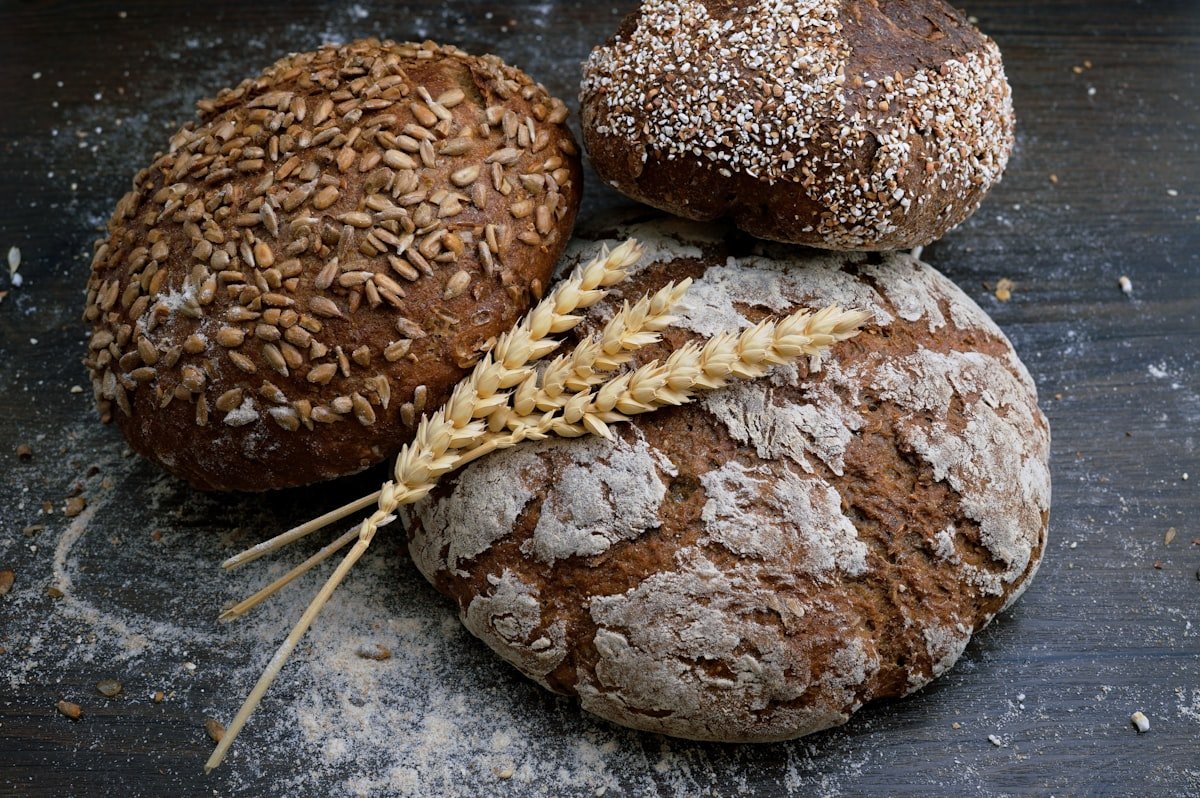
Naan is a flatbread baked in a tonur, a cylindrical clay oven sunk into the ground or built above it, with a charcoal or wood fire at the bottom. The dough—usually wheat flour, water, salt, and sometimes yeast or yogurt—is slapped against the oven’s inner wall, where it puffs slightly and develops a blistered, chewy crust.
The result is a bread that’s simultaneously crisp and soft, with a flavor that’s clean and wheat-forward, slightly salty, and, in some varieties, enriched with milk, egg, or oil. It’s cheap, portable, and designed to be eaten with stews, kebabs, or simply tear-and-eat with tea.
A Brief History: The Silk Road’s Original Energy Bar
Naan’s roots in Xinjiang go back over 2,000 years, carried along the Silk Road from Central Asia and the Middle East. The tonur technique is ancient—archaeologists have found similar clay ovens at sites across the region, including in Turpan’s Jiaohe ruins.
What makes Xinjiang’s naan distinct is its adaptation to local ingredients and tastes. Xinjiang is China’s wheat belt; the flour here is high-gluten, giving naan its characteristic chew. Over centuries, Uyghur, Tajik, Kyrgyz, and Han communities each added their twist—stuffed versions, sweet versions, and the massive “big naan” (直径可达半米) that can feed a family.
There’s even a saying: “三日无肉,不可一日无馕” (“Three days without meat is okay; one day without naan is not”). That’s how central it is.
The Variety Map: 300+ Types, But These Are the Ones You’ll Actually Eat
If you stand in a Kashgar bakery and don’t know what to point at, here’s the decoder:
- Sesame Naan (芝麻馕): The default. Sprinkled with white sesame seeds, sometimes black cumin (孜然). Oval or round, medium thickness. Best for dipping into curries or eating with kebabs.
- Onion Naan (皮牙子馕, “Piyaz Naan”): Folded dough with minced onion and sometimes a pinch of chili. The onion sweetens as it bakes. My personal favorite for breakfast with tea.
- Rose Petal Naan (玫瑰花馕): A Hotan specialty. Dried rose petals mixed into the dough or pressed on top. Floral, slightly sweet, and pricey—often ¥8-15 because of the ingredient cost.
- Stuffed Naan (馅馕): The dough is wrapped around a filling—minced lamb and onion (like a giant, flattened samosa), or sweet red bean paste. Eaten warm, right out of the oven.
- Thin Naan (薄馕): Cracker-thin, often broken into shards and served with tea. Can be stored for weeks. The staple for long-distance truck drivers.
- Giant Naan (大馕): Found in Kuqa and some Turpan bakeries. Diameter can exceed 50 cm. Usually plain or sesame, baked for festivals or large gatherings.

How It’s Made: The Tonur Technique
I’ve watched this done in a 4-square-meter bakery in Kashgar’s Old Town, and it’s choreographed chaos. Here’s the basic process:
- Mixing: Wheat flour, water, salt, and sometimes a starter or yeast. Some bakers add milk or egg for richness. The dough is kneaded until smooth and elastic—about 10-15 minutes by hand.
- Shaping: The dough is divided into portions (usually 150-300g each), rolled into rounds or ovals, and prickled all over with a small metal comb or fork. This prevents blistering and gives naan its signature dimpled texture.
- Topping: Brushed with a slurry of water, egg wash, or milk; then sesame seeds, cumin, or onion pieces are pressed in.
- Baking: The baker slaps the dough onto a round cushion (naan tapushi), leans into the tonur’s mouth, and peels the dough onto the oven wall. It bakes fast—2-5 minutes at ~300-400°C. When the edges brown and the top blisters, it’s done.
- Cooling: Pulled off the wall with a long metal hook, stacked in a wicker basket, and sold within the hour. Fresh naan is unbeatably good; day-old naan is still fine if you warm it slightly.
If you want to try this at home, you can approximate it with a very hot oven (250°C+) and a pizza stone, but it won’t have quite the same smoky depth. The tonur’s charcoal imparts a flavor you can’t replicate on a home stove.
Where to Eat Naan in 2026: The Real Spots (Not the Tourist Traps)
I’ve eaten naan in 15+ cities across Xinjiang. Here are the places where the bakeries are still family-run, the tonurs are fired with apricot wood, and the price hasn’t been inflated for outsiders:
- Kashgar Old Town (喀什古城): The alleyways behind Id Kah Mosque have 6-8 bakeries within a 200-meter radius. Look for the ones where locals are queuing at 8 AM. “爷爷的爷爷的馕” (Grandpa’s Grandpa’s Naan) is a popular spot, but honestly, any bakery with a wood-fired tonur and a stack of naan disappearing every 10 minutes is good.
- Urumqi International Bazaar (乌鲁木齐国际大巴扎): The bakery section has over 30 types on display. It’s touristy, but the naan is still baked on-site. Good place to buy a “sampler” of 5-6 varieties in one stop.
- Hotan (和田): Rose petal naan is the specialty here. The bazaar near the Hotan River has bakeries that have been in the same family for three generations.
- Kuqa (库车): Known for its giant naan. If you’re passing through on the Duku Highway, stop at the bakery row near the old town entrance—the naan here is often bigger than your steering wheel.
How to Eat Naan Like a Local (Not a Tourist)
There’s a way to do this that minimizes crumbs on your shirt and maximizes flavor:
- Break, don’t cut: Tear a piece with your right hand (left hand is considered impolite in conservative areas). Tear slightly smaller pieces as you go—it’s communal.
- Dip and scoop: Naan is often used as a utensil. Scoop up laghman noodles, dip into soup, or use it to pick up pieces of kebab meat.
- Pair with tea: Brick tea (砖茶) or milk tea (奶茶) is the standard accompaniment. The tannins cut the bread’s richness.
- Breakfast setup: In a Uyghur home, breakfast is naan + boiled eggs + cucumbers + tea. Simple, filling, and it costs almost nothing if you’re buying ingredients at a local market.
Buying Naan as a Souvenir: What to Know
Naan travels well, which is why it’s the go-to souvenir for budget-conscious travelers. Here’s the practical info:
- Vacuum-sealed: Most bazaars sell vacuum-packed naan (¥10-20 for 2-4 pieces). It extends shelf life to 1-3 months. Downside: the texture suffers slightly—it’s more like a thick cracker after resealing.
- Customs: Vacuum-sealed naan is generally fine for international travel, but check your home country’s rules on imported grain products. In my experience, sealed commercial packages are rarely an issue, but homemade, unesealed bread might raise questions.
- What to avoid: Don’t bother with the “gourmet gift box” naan in Urumqi’s airport shops. It’s 3x the price and often stale. Buy from a working bakery the morning you depart instead.
Naan and Dietary Restrictions
Most naan is halal (no pork products, no alcohol in the dough). But if you have specific dietary needs:
- Vegetarian/Vegan: Plain naan is usually just flour, water, salt, and yeast—vegan. But some versions brush the top with egg wash or milk. Ask before buying.
- Gluten-free: Not a thing in Xinjiang bread culture. If you’re celiac, naan is off-limits. Your alternatives are rice-based dishes (polow, laghman with rice noodles if you can find them).
FAQ: Your Naan Questions, Answered
Can I bring naan back to my home country?
Vacuum-sealed naan is usually fine for international travel, but check your country’s customs rules on imported grain products. Commercially packaged naan rarely causes issues, but homemade bread might. I’ve never had naan confiscated, but I also declare it and carry the receipt from the bazaar shop.
How long does naan stay fresh?
At room temperature, naan stays good for 3-7 days. It gradually loses moisture and becomes chewier, which some people actually prefer for dipping. Vacuum-sealed naan lasts 1-3 months. If it develops mold (rare in Xinjiang’s dry climate) or smells sour, toss it.
Is naan in Xinjiang the same as naan in India or Iran?
Similar concept, different execution. Xinjiang naan is typically thicker and less fluffy than Indian naan (which is often leavened with yogurt and cooked in a tandoor). It’s closer to Iranian sangak or barbari, but with Central Asian twists—cumin, sesame, and the distinctive oval shape. The flour is also higher-gluten than what’s common in South Asia.
Can I watch naan being made?
Yes—most bakeries are completely open, and the baker is visible working the tonur. In Kashgar’s Old Town, some bakeries even have small viewing windows or allow you to step into the workspace (ask first, and don’t touch the oven). It’s a great photo op, but buy a piece afterward as a courtesy.
What’s the best time of day to buy naan?
Morning (8-11 AM) is when most bakeries fire up the tonur for the first batch. The naan is freshest, the bakery is fully stocked, and you can watch the process. Afternoon batches happen around 3-5 PM. Avoid buying naan after 8 PM—it’s likely been sitting since morning unless the bakery specifically advertises “fresh evening batch.”
Plan your Xinjiang food trip now—start with a fresh naan breakfast in a Kashgar alleyway. You won’t regret it.