
Urumqi Restaurants Guide: Where to Eat in Xinjiang’s Capital
Urumqi, the capital of Xinjiang Uyghur Autonomous Region, is a melting pot of cultures and cuisines. As the gateway to the Silk Road, this city offers some of the most authentic and diverse Xinjiang cuisine experiences you’ll find anywhere in the region. Whether you’re a first-time visitor or a seasoned traveler, knowing where to eat in Urumqi can transform your trip from good to unforgettable.
Why Urumqi is a Food Lover’s Paradise
Urumqi’s strategic position along the ancient Silk Road has made it a culinary crossroads for centuries. Here, you’ll find the full spectrum of Uyghur cuisine alongside Hui, Kazakh, Han, and other regional Chinese culinary traditions. The city’s restaurants range from hole-in-the-wall kebab stalls that have been run by the same family for generations to modern establishments serving refined takes on classic dishes.
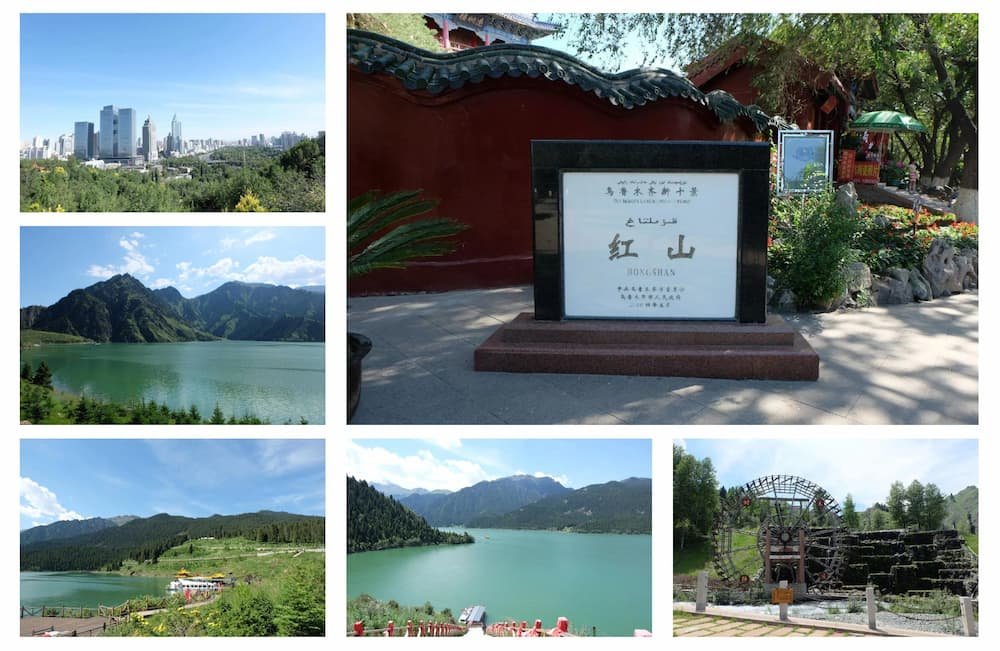
What makes Urumqi special is not just the food quality—though that’s exceptional—but the accessibility. Unlike more touristy destinations where authentic spots are hidden behind three layers of old town alleys, Urumqi’s best restaurants are often right on main streets, identifiable by the queues of locals waiting outside. The city’s ethnic diversity means you can eat your way through Uyghur, Hui, Kazakh, and Han Chinese culinary traditions all within a three-kilometer radius of People’s Square.
The altitude also plays a role in the flavor profile. At 800 meters above sea level, Urumqi’s climate produces ingredients with more concentrated flavors—the tomatoes are sweeter, the lamb has a cleaner taste due to the dry climate and saltbush grazing, and the wheat produces noodles with a chewiness that’s hard to replicate at lower elevations.
Must-Visit Restaurant Areas in Urumqi
1. Hongshan Market Area (红山市场)
The Hongshan area is ground zero for Urumqi food exploration. This is where locals go when they want a guaranteed good meal. The concentration of restaurants here means you can walk for ten minutes and pass fifty places worth eating at. The area centers around Hongshan Park, and the best strategy is to wander until something smells right.
What to order: Start with laghman noodles (hand-pulled noodles with meat and vegetable sauce)—the version here features noodles that are noticeably thicker and chewier than what you’ll find in southern China. Then move on to samsa (Uyghur-style baked buns) from one of the clay-oven bakeries that dot the street corners. Finish with a plate of perfectly grilled lamb kebabs, where the meat is hand-cut daily and marinated simply with salt, cumin, and chili flakes.
Price range: 30-60 RMB per person for a filling meal. Cash only at most stalls.
2. Nanmen International Bazaar (南门国际大巴扎)
Yes, it’s touristy. But the Nanmen Bazaar deserves its reputation. The food court here is where you’ll find the greatest concentration of Xinjiang’s signature dishes in one place. It’s not just for show—many of the vendors have been here for decades, and the recipes are legit. The second-floor section has better seating and slightly higher prices, but the food quality is consistent.
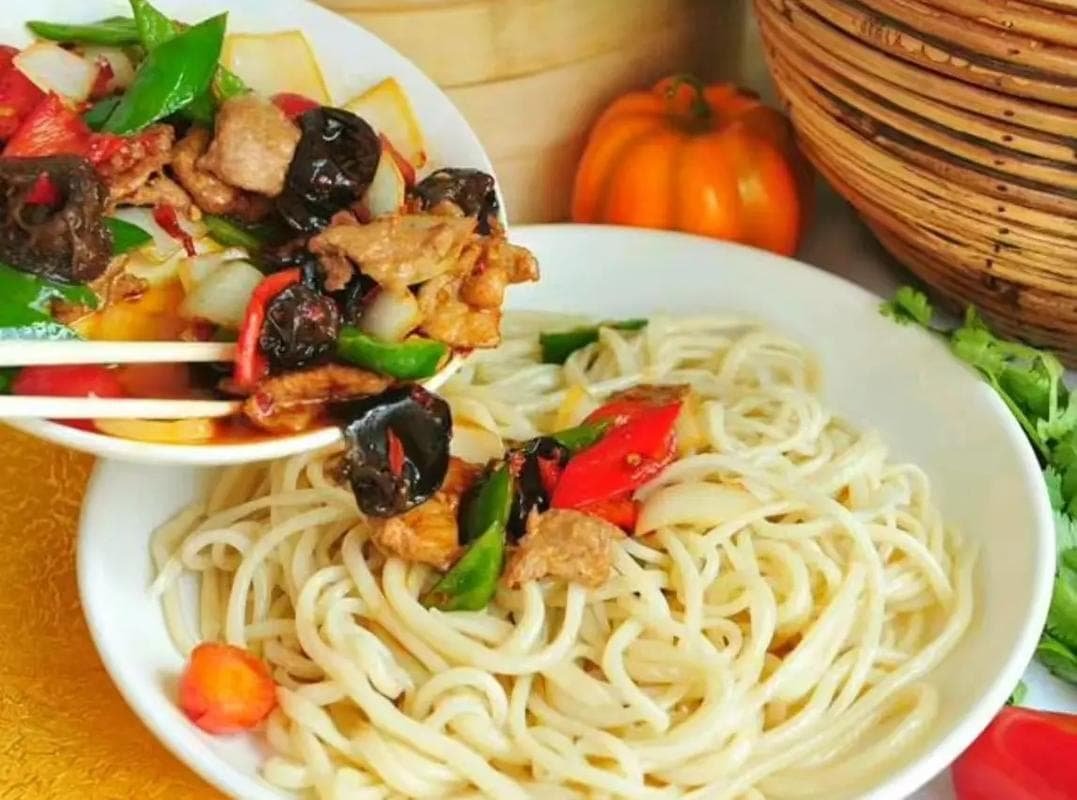 Xinjiang noodles being hand-pulled fresh” />
Don’t miss: The polo (pilaf) here is cooked in massive iron cauldrons, the rice infused with carrot, lamb, and a blend of spices that varies by vendor. Get a small portion to start—you’ll want to sample widely. Also try the naren, a dish of boiled lamb served over flat noodles with a onion-vinegar dressing that cuts through the richness of the meat.
Pro tip: Go after 2 PM when the tour groups have left. The vendors are more relaxed, and you can actually get a seat with a view of the bazaar activity.
3. Jiefang South Road (解放南路)
This is where Urumqi’s Uyghur community does its everyday dining. The restaurants here don’t cater to tourists, which is exactly why you should come. The menus are often Uyghur-language only, but pointing works, and the staff is patient with non-Uyghur speakers. This strip runs for about two kilometers and has at least thirty restaurants worth trying.
The experience: Expect communal seating, generous portions, and flavors that are bolder than what you’ll find in more tourist-oriented areas. The milk tea served here is often house-made, richer and less sweet than the version you’ll find elsewhere. Ask for “süt chai” (milk tea) and you’ll get a clay pot of tea simmered with milk, salt, and sometimes herbs.
Recommended spot: Look for the restaurant with the tandoor oven visible from the street—the naan coming out of that oven at 7 AM is worth setting an alarm for.
4. Youhao Road (友好路)
Youhao Road represents the modern face of Urumqi dining. Here you’ll find upscale interpretations of traditional dishes, fusion concepts that actually work, and international cuisines that reflect the city’s cosmopolitan character. This is also where you’ll find the city’s best Hui-style restaurants—Hui cuisine being the other major culinary tradition in Xinjiang alongside Uyghur.
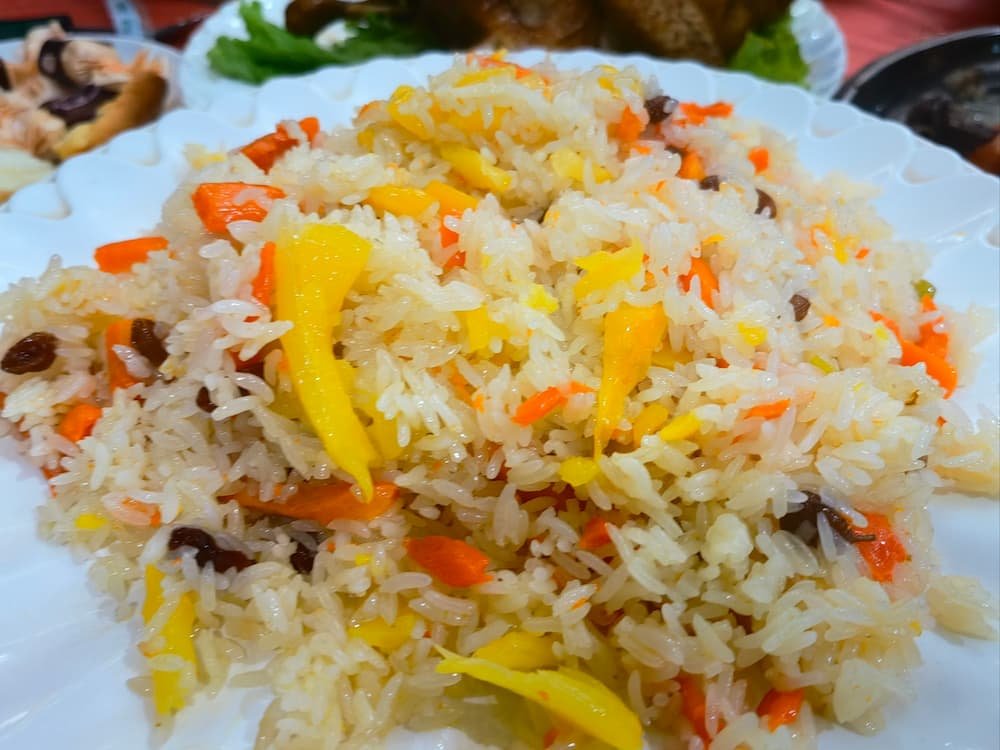 Xinjiang Polo pilaf with lamb and carrots” />
Best for: A more comfortable dining environment if you’re new to Uyghur cuisine, or if you’re traveling with people who prefer a bit more predictability in their meals. The trade-off is authenticity—the food is excellent, but it’s been polished for broader appeal. Come here for the goshnan (stuffed flatbread) which achieves a level of refinement that makes it a different dish from the street version.
Price range: 80-150 RMB per person. Most places accept Alipay and WeChat Pay.
5. Xidaqiao Area (西大桥 area)
Less known to tourists but beloved by Urumqi residents, the Xidaqiao area comes alive after dark. This is where you’ll find the city’s best night market culture—not the sanitized version in tourist areas, but the real night markets where people come after work to eat, drink tea, and socialize until midnight.
What makes it special: The grilled fish here is exceptional. Whole fish—typically local river fish or imported carp—grilled over charcoal with a spice rub that varies by vendor. Order one fish per person, supplement with grilled vegetables, and spend the evening working your way through small plates of pickled vegetables and fresh-baked naan.
Dishes You Must Try in Urumqi
Dapanji (Big Plate Chicken)
This is Urumqi’s most famous culinary export. A massive plate of chicken, potatoes, and bell peppers in a spicy sauce, served with hand-pulled noodles that you mix into the sauce at the table. In Urumqi, dapanji isn’t just a dish—it’s a social event. Portions are designed for sharing (though “sharing” is optional if you’re hungry enough), and finishing the whole thing is a point of pride.
Where to get the best version: The restaurants near Hongshan Park do a particularly good dapanji because they use locally raised free-range chicken, which has more texture and flavor than the industrially raised alternative. The sauce should be rich and complex—if it tastes like straight chili oil, you’re at the wrong place.
Goshnan (Stuffed Flatbread)
Not to be confused with samsa, goshnan is a stuffed flatbread that’s grilled rather than baked. The fillings vary—lamb and onion is the classic, but you’ll also find pumpkin, herbs, or a mixture of minced meat and vegetables. The best goshnan in Urumqi comes from small shops where you can watch them stuff and grill it right in front of you.
The dough is stretched thin, filled, then grilled on a convex metal griddle that gives the bread distinctive brown spots and a smoky flavor. It’s best eaten immediately, while the filling is still steaming and the bread has that perfect tension between crispy exterior and chewy interior.
Chuchvara (Uyghur Dumplings)
These tiny dumplings are typically served in a yogurt-based sauce with garlic and herbs. They’re labor-intensive to make (which is why they’re often only available at better restaurants), and the texture should be delicate—the dough is paper-thin, and the filling is seasoned but not overwhelming. The yogurt sauce is tangy and garlic-forward, cutting through the richness of the dumpling filling.
When to order: Chuchvara is traditionally a winter dish, but several Urumqi restaurants serve it year-round. It’s comfort food at its finest—order it with a side of pickled vegetables to balance the richness.
Sangza (Deep-Fried Pastry)
A festive food, sangza is made for celebrations but you can find it year-round in Urumqi’s bakeries. The dough is rolled thin, twisted into intricate shapes, and deep-fried until golden. It’s sweet but not cloying, and it’s the perfect accompaniment to the salty, savory dishes that dominate Xinjiang cuisine. Buy a bag from any bakery in the old city and eat it while walking—it’s the local equivalent of street snacking.
Laghman Variants You Won’t Find Elsewhere
Urumqi does laghman (hand-pulled noodles) better than anywhere else in Xinjiang, and the variety is staggering. Beyond the standard version with meat and vegetable sauce, look for: Sihan laghman (with generous amounts of garlic and tomato), Guyru laghman (with a yogurt-based sauce), and Kara laghman (stir-fried with dark soy and vegetables). Each restaurant has its own signature version—trying them all is a legitimate reason to extend your stay in Urumqi.
Eating Etiquette in Urumqi
Understanding dining etiquette will enhance your experience and show respect for local culture. In Uyghur restaurants, it’s customary to wash your hands before eating—most restaurants have a designated area for this, typically near the entrance, with a pitcher of water and a basin. Don’t skip this—it’s both a hygiene practice and a cultural norm.
Meals are often communal, with dishes placed in the center of the table for sharing. Don’t be surprised if strangers are seated at your table in busy restaurants—this is normal and not an indication that you’ve done anything wrong. In fact, it’s an opportunity—point at what they’re eating and ask for the same. You’ll often discover dishes that aren’t on the English menu (or any menu).
When drinking tea (which accompanies almost every meal), hold the cup with both hands when being served, and don’t rush to finish—lingering over tea is part of the experience. If you’re offered tea and don’t want more, leave a little in the bottom of your cup; an empty cup will be immediately refilled. This is one of those cultural details that separates tourists from travelers who’ve done their homework.
Practical Tips for Dining in Urumqi
Timing: Lunch in Urumqi typically runs from 1:30 PM to 3:00 PM, and dinner from 7:30 PM to 9:30 PM. Many restaurants close between lunch and dinner, so plan accordingly. If you arrive at 4 PM expecting to eat, you’ll likely find locked doors and a very confused staff member wondering why you’re there at the wrong time.
Payment: Cash is still king at smaller establishments, though larger restaurants and those in shopping areas accept Alipay and WeChat Pay. International credit cards are rarely accepted, so come prepared with cash or a Chinese payment app. There are Bank of China ATMs near People’s Square that accept foreign cards, but the withdrawal fee is steep—better to exchange cash at the bank during business hours.
Language: In more local areas, don’t expect English menus. Google Translate’s camera function works well for Chinese characters, but for Uyghur-language menus, you’ll need to ask for help or point at what others are eating. Most restaurant staff speak some Mandarin, even if they don’t speak English. Learning three phrases will transform your dining experience: “nema” (what is this?), “bikar” (delicious), and “rahmat” (thank you).
Spice levels: Urumqi food can be spicy, but it’s nothing like Sichuan cuisine. The heat here comes from black pepper and occasional chili flakes, not from mouth-numbing peppercorns. If you’re sensitive to spice, you can usually ask for “less spicy” (少辣 / azrak aciq), though many dishes have fixed spice levels. The cumin is the real star here—Urumqi’s location on the Silk Road means the spice trade shaped the cuisine, and cumin appears in almost every savory dish.
Dietary restrictions: Vegetarian options exist but require explanation. “I don’t eat meat” translates to “Gúsh yemaymen” in Uyghur or “Wǒ chī sù” in Mandarin. Halal dietary restrictions are naturally accommodated at Uyghur and Hui restaurants—look for the halal symbol (هلل) at the entrance. Pork is never served at these establishments, so if that’s a concern, stick to the Uyghur and Hui areas.
Beyond Restaurants: Markets and Street Food
Some of Urumqi’s best eating doesn’t happen in restaurants at all. The night markets that spring up after dark offer everything from grilled whole fish to fresh fruit juice to desserts that you won’t find on any restaurant menu. The best night market is near the Xidaqiao area—it starts at 8 PM and runs until midnight or later.
The wet markets (early morning markets where vendors sell fresh produce, meat, and prepared foods) are also worth visiting. You’ll see ingredients you’ve never encountered before—wild herbs, varieties of wheat that don’t exist outside Central Asia, dairy products made from mare’s milk—and the prepared food sections often have vendors selling breakfast items: steamed buns, fried dough twists, and sweet milk tea that define how Urumqi residents start their day.
Must-try street foods: (1) Samsa from street-side clay ovens—flaky pastry filled with lamb and onion; (2) Kavun (melon) juice in summer—made fresh while you watch; (3) Tandoor naan in every variation imaginable, from plain to seeded to stuffed with minced meat; (4) Fresh cheese (qurut) that’s simultaneously salty, tangy, and addictive.
Final Thoughts
Urumqi’s restaurant scene is vast, varied, and deeply rewarding for the curious eater. You could spend a week here and barely scratch the surface. The key is to be adventurous, ask locals for recommendations (they take immense pride in their food culture and will walk you to their favorite spot if you ask), and save room for seconds—because in Urumqi, you’ll want to taste everything.
The city’s position as Xinjiang’s capital means it attracts the best chefs from across the region. What starts as a humble dish in a village outside Kashgar often ends up refined and elevated in Urumqi’s restaurants. This is where Xinjiang’s culinary traditions meet urban sophistication, and the result is a dining scene that’s both deeply rooted and constantly evolving.
Updated: July 2026 | Author: Xinjiang solo travel Team