
Car Rental in Xinjiang: The Complete 2026 Guide for Independent Travelers
Last updated: June 2026. Practical, experience-based guide — no fluff.
There’s a moment on the Duku Highway when the asphalt unwinds in front of you, the Tianshan peaks are stacked in every shade of blue and white, and you realize: this is why you came to Xinjiang. But then the practical questions hit. Can I legally rent a car here? Do I need a special permit? What about the border zones? Is it actually a good idea, or should I just hire a driver?
This guide answers every question foreigners reliably ask about self-drive travel in Xinjiang — based on current 2025–2026 regulations and real traveler reports.
Can Foreigners Legally rent a car in Xinjiang?
The short answer: yes, but with important caveats. Most major rental agencies in Urumqi, Kashgar, and Yining do accept foreign passports and valid driver’s licenses. However, the experience varies significantly depending on where you rent, what paperwork you bring, and which areas you plan to drive into.
What you need to rent a car in Xinjiang as a foreigner:
- Valid foreign driver’s license — your home country license is accepted, but having an International Driving Permit (IDP) or an official Chinese translation helps enormously at the rental counter and if you’re stopped at a checkpoint.
- Passport — always with you when driving; photocopies are not enough at police checkpoints.
- Credit card — Visa/Mastercard is accepted at major agencies (Hertz, Avis partners in Urumqi). Chinese domestic agencies prefer Alipay/WeChat Pay, so bring a Chinese friend or arrange this in advance.
- Age requirement — minimum 21–25 years old depending on agency; some off-road or SUV rentals require age 25+.
- Security deposit — typically ¥3,000–8,000 pre-authorization on your credit card; released 30–60 days after return (standard in China).
Where to Rent: Urumqi, Kashgar, or Yining?
Urumqi (乌鲁木齐) — Best Infrastructure
Urumqi Diwopu International Airport and the city center have the most options: Hertz partner locations, AVIS, and major Chinese chains (Shenzhou, Yihi). Staff are more likely to speak English here. If you fly into Xinjiang, this is the easiest place to start a self-drive itinerary.
Typical daily rates (2025–2026):
- Economy (VW Lavida, Toyota Corolla): ¥250–400/day
- Mid-size SUV (Toyota RAV4, Honda CR-V): ¥450–700/day
- 4×4 Off-road (Toyota Land Cruiser, Prado): ¥800–1,500/day
Kashgar (喀什) — Best for the Southern Circuit
Kashgar has several local rental agencies near the Old City and the airport. English is less common. Best for starting a southern Xinjiang loop (Kashgar → Yarkand → Hotan → Taxkorgan). Note: many agencies in Kashgar are reluctant to let foreigners take cars into the border zones without a local guide — ask explicitly about your planned route before paying.
Yining / Ili (伊宁) — Best for the Grassland Circuit
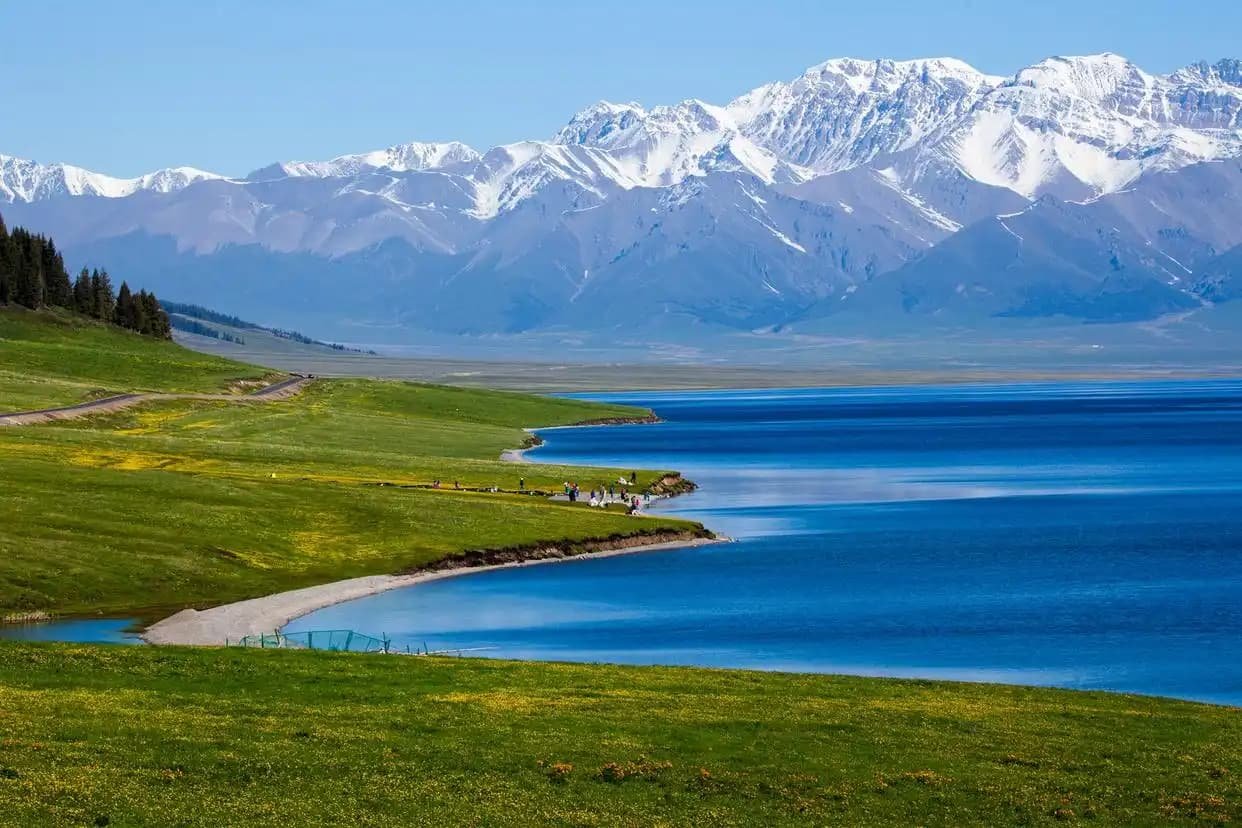
Smaller selection, but convenient if you’re flying into Yining directly and want to focus on Sayram Lake, Nalati, and the Ili valley. Rates are similar to Urumqi.
The Border Permit Question (边防证)
This is the single most misunderstood part of Driving in Xinjiang. Certain counties — including Taxkorgan (Tashkurgan), Baihaba, and parts of the Altai border zone — require a Public Security Bureau (PSB) Border Permit (边防证). This is separate from your visa.
Key facts:
- You can apply for a border permit in your home country at a Chinese embassy/consulate before traveling — this is the safest option.
- You can also apply in Urumqi or Kashgar at the PSB office. Bring your passport and a local contact number; processing takes 1–2 hours.
- Rental car agencies will NOT handle this for you. If you plan to drive into Taxkorgan County (to reach Karakul Lake or the Pamir Highway), you must have the permit before setting off.
- Some rental contracts explicitly prohibit crossing into border zones. Read the fine print.
Should You Rent a Car or Hire a Driver?
For many foreign travelers, hiring a private driver with a car is the better choice. Here’s why:
| Self-Drive (Rental Car) | Hire a Driver |
|---|---|
| Full freedom and flexibility | No navigation stress; driver handles checkpoints |
| Cheaper for solo/2-person trips | Local knowledge; safer on mountain roads |
| You handle border permits, navigation, fuel | Driver handles border permits, navigation, fuel |
| Checkpoint language barrier risk | Driver speaks Chinese; smoother checkpoints |
| ¥250–1,500/day + fuel + your time | ¥800–1,800/day all-in (negotiate) |
Our honest recommendation: If this is your first time in Xinjiang and you don’t speak Chinese, hire a driver. The checkpoints, the occasional road closures, the navigation challenges in remote areas — they add up. A good driver costs about the same as a mid-size SUV rental but removes 90% of the stress.
If you’re an experienced China traveler with basic Chinese, self-drive is exhilarating and gives you access to early-morning and sunset shots that group tours miss.
Insurance: What’s Covered (and What’s Not)
Standard rental insurance in China typically includes:
- Third-party liability — mandatory, covers damage to others
- Vehicle damage cover — with a deductible (usually ¥1,500–3,000). You pay the first ¥2,000 of any damage; insurance covers the rest.
- Theft protection — if the car is stolen (rare in Xinjiang, but covered)
What’s typically NOT covered:
- Tire damage from rough roads (very common on desert highways and mountain routes)
- Windshield damage from gravel (common on G314 and G217)
- Damage from off-road driving (most rental contracts prohibit leaving paved roads)
- Accidents occurring in border zones without proper permits
Tip: Pay for the full coverage add-on (typically ¥50–80/day extra) if you’re driving on G217 (Duku Highway) or the desert highways. The mountain roads are unforgiving, and a single tire blowout can cost ¥500–1,000 out of pocket.
Parking, Fuel, and Checkpoints
Parking
Parking in Xinjiang is straightforward: scenic areas have paid lots (¥10–30), hotels have free parking, and street parking in cities is usually ¥5–15/day. In remote areas, you often park on the shoulder — just make sure you’re not blocking traffic.
Fuel
Important: Many gas stations in Xinjiang require you to show your passport and have your car registration checked before fueling. This is normal security procedure. Always carry your passport. Fuel is cheap by international standards: ¥7.5–8.5/liter for petrol (95 octane recommended for high-altitude driving).
Checkpoints (安检)
You will encounter police checkpoints on major highways, especially when entering/out of the Kashgar region and border areas. Have your passport ready, be polite, and you’ll be waved through. If you don’t speak Chinese, having your hotel’s business card or your next destination written in Chinese characters helps.
Best Self-Drive Routes in Xinjiang (2026 Picks)
If you do decide to self-drive, these are the most rewarding routes:
- Duku Highway (G217) — The most famous: 561 km from Dushanzi to Kuqa across the Tianshan. Open June–early October. Read our full Duku Highway guide.
- Yili Valley Loop (G218 + S220) — Urumqi → Yining → Sayram Lake → Nalati → Kuerdening → Tekes → Yining. Best in June–September.
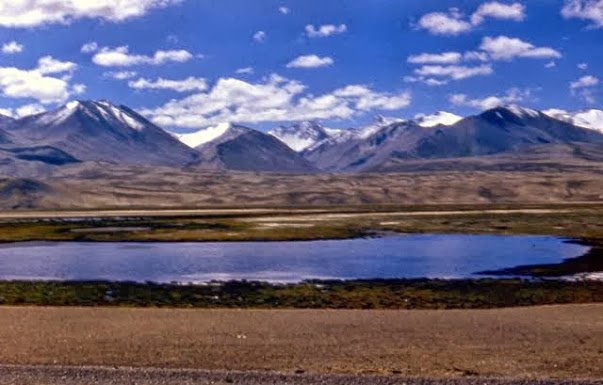
- Kashgar to Tashkurgan (G314 / Karakoram Highway) — Stunning Pamir Plateau driving. Requires border permit. Best in June–September.
- Taklamakan Desert Highway (G216) — The “Sea of Death” crossing. Otherworldly. Best in April–May or September–October.
- Northern Xinjiang Loop (G216 + G217) — Urumqi → Koktokay → Kanas → Burqin → Urumqi. See our Northern Xinjiang self-drive guide.
Practical Tips for a Smooth Rental Experience
- Book ahead — June–September is peak season; rental cars sell out in Urumqi and Kashgar.
- Take photos of the car — before driving off, photograph every scratch and dent. Get the rental agent to initial the damage report.
- Download offline maps — Gaode (Amap) works well in Xinjiang; Google Maps is unreliable. Both need offline areas downloaded in advance.
- Carry cash — many toll booths and remote gas stations don’t take foreign cards.
- Emergency contacts — save your rental agency’s 24-hour hotline. Cell coverage is surprisingly good even in remote areas (China Mobile works well), but battery packs are essential.
- Don’t drive at night — wildlife (camel, sheep, deer) on rural highways is a real hazard after dark. Plus, many scenic area parking lots close at sunset.
The Bottom Line
Self-Driving in Xinjiang is one of the most rewarding travel experiences in Asia — but it’s not for everyone. If you’re an experienced driver, comfortable with basic Chinese, and excited by the idea of setting your own pace on some of the world’s most dramatic roads, rent the car. If you want to focus on the scenery rather than the speedometer, hire a driver. Both options are covered in our complete Xinjiang self-drive guide.
Either way: the roads of Xinjiang are waiting. The only question is how you want to experience them.
— Written by travelers who’ve driven the Duku, the Desert Highway, and the Pamir Plateau. No AI fluff — just what actually works on the ground in 2026.