
Xinjiang Dining Etiquette & Tea Culture: How to Eat Like a Local
Food in Xinjiang is never just fuel. It is a greeting, a negotiation, a celebration, and sometimes a diplomatic mission. If you have wandered through a Xinjiang travel itinerary only to realize that every meal feels like a delicious mystery—you are not alone. The unspoken rules of Uyghur, Kazakh, Kyrgyz, and Han Chinese dining tables can leave even seasoned travelers unsure of where to sit, how to pour tea, or when to stop eating.
This guide strips away the guesswork. It is written for independent travelers who want to move beyond being a spectator at the table and step into the rhythm of how local people actually eat, pour, share, and celebrate. Whether you are seated on a carpet in a Kashgar courtyard, perched on a wooden bench in a Yining noodle shop, or invited into a Kazakh yurt beside Sayram Lake, these are the cues that will make you feel—and be—welcome.
First Things First: How You Are Seated Matters
In traditional Uyghur and Tajik homes, seating is intentional, not random. The seat facing the door is reserved for the most senior male guest or, in a family setting, the grandfather. As a foreign visitor, you will often be steered toward this spot—not because you are old, but because you are the honored guest. Accept it with a small nod. Attempting to swap seats can sometimes cause confusion rather than put people at ease.
If you are dining on a tash (low table) with everyone seated on dastarkhan (the spread of food), shoes come off before you step onto the carpeted platform. This is non-negotiable in rural homes and traditional restaurants. In modern mid-range restaurants in Urumqi or Yining, shoe removal may not be required, but observing what your host does is the safest gauge.
The Dastarkhan: More Than a Tablecloth
The word dastarkhan literally means “the cloth laid out,” but it functions as a cultural institution. In Xinjiang, the dastarkhan is never sparse. Even an impromptu visit to a rural home will produce a spread that looks like a feast: naan flatbreads, bowls of nuts, dried fruits, perhaps a plate of cold noodles, and—almost always—tea.
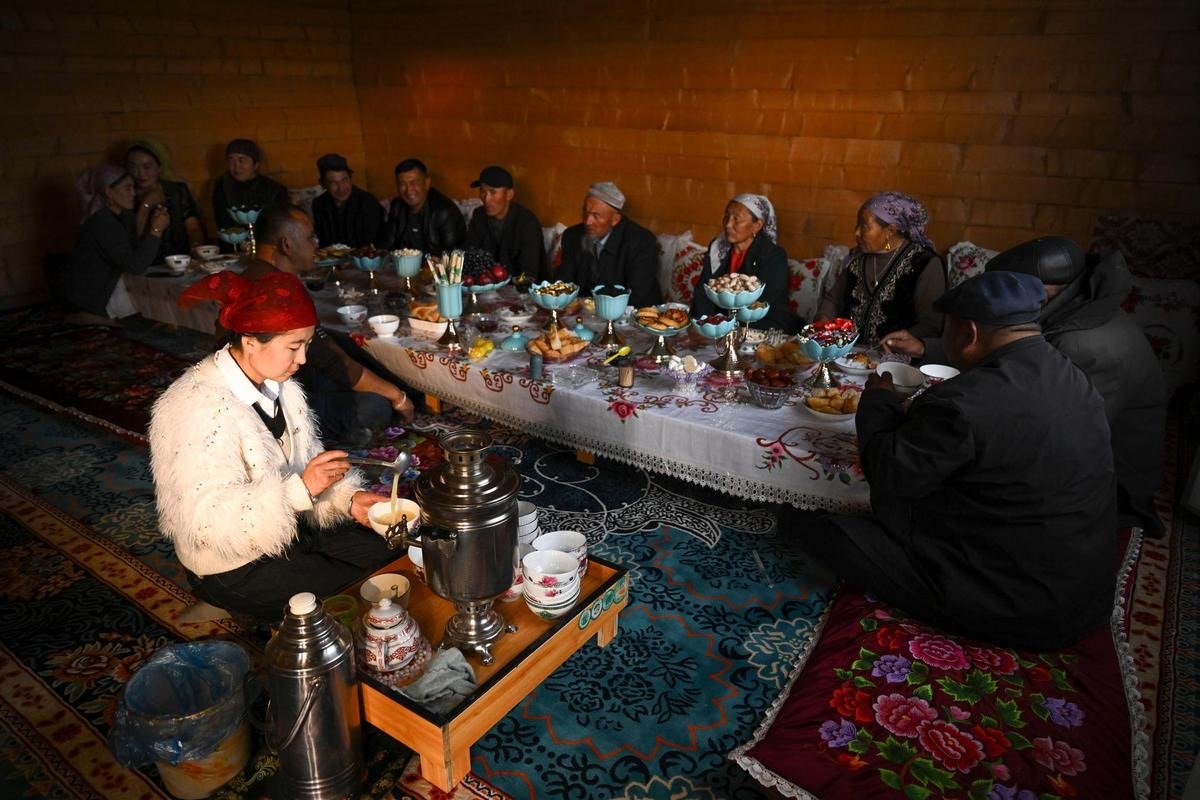 Xinjiang milk tea and traditional dairy products on a wooden table” style=”width:100%;max-width:700px;display:block;margin:20px auto;”>
Rule number one: do not start eating until the host invites you. The phrase to listen for is “Bashlayli!” (Let’s begin!) or a gesture of the hand sweeping toward the food. In some conservative households, an older man may say a short prayer before the meal. This is not the moment to ask about the ingredients. Bow your head slightly, wait, then dig in when everyone else does.
Xinjiang Tea Culture: The Pour, the Hold, and the Tap
If there is one ritual that defines Xinjiang hospitality, it is tea. Specifically, milk tea (chyelik chay in Uyghur, naichá in Chinese). Unlike the clear, bitter teas of eastern China, Kumiss-where-to-try-them/”>Xinjiang milk tea is simmered with brick tea, water, salt, and fresh milk (sometimes sheep’s milk in pastoral areas). The result is a savory, pale-beige brew that tastes more like a warm hug than a caffeine hit.
How to Pour (and Receive) Tea
In group settings, the youngest person at the table—sometimes the restaurant server, sometimes a family member—pours tea into small handled bowls. If you are the guest, your bowl will be filled first. Here is the etiquette that matters:
- Do not lift your bowl while it is being poured. Let the pourer complete the pour. Lifting it mid-pour suggests impatience.
- The “tap” signal. When you have had enough, rest your index finger lightly on the rim of your bowl or make a gentle tapping motion with two fingers on the table. This signals “thank you, I’m full” without needing words.
- Never pour for yourself first. If you are the most junior person at the table and there is no server, pick up the teapot and pour for others before filling your own bowl.
In Kazakh and Kyrgyz yurt encampments around Sayram Lake or the pastures near Nalati, you may be offered kumiss (fermented mare’s milk) or shubat (fermented camel milk). These are acquired tastes. You are not expected to finish a bowl, but you are expected to accept the first pour with your right hand and express appreciation.
Brick Tea and the Salt Debate
In southern Xinjiang (Kashgar, Khotan, Kuqa), milk tea is typically salty. In northern pastoral areas (Ili, Altay), it can be either salty or sweet depending on the host’s background. If you are unsure, ask: “Tuzluq chaymu?” (Is the tea salty?) A smile and the question itself usually delights local hosts and opens a conversation.
The Bread Rule: Naan Is Not Just Food
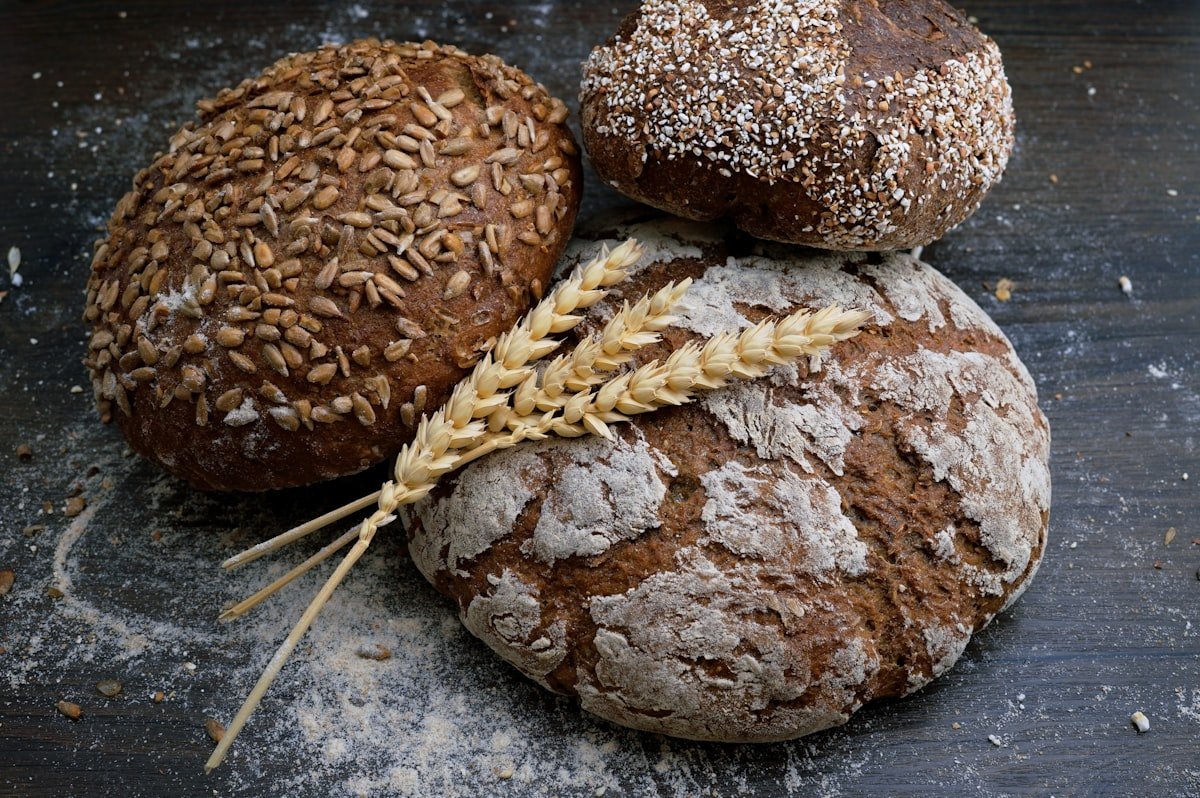
Uyghur cuisine revolves around naan (also spelled non or nang)—the round, flat oven bread that emerges blistered and fragrant from the tonur (clay oven). But naan carries cultural weight that many travelers miss.
- Do not stick a naan upright in a rice pile. In some interpretations, this resembles an incense offering and is considered disrespectful. Lay it flat on the dastarkhan.
- Tear, do not bite. Tearing naan with your right hand and passing a piece to a neighbor is a gesture of connection. Biting directly into a whole loaf, especially in a rural setting, can come across as rude.
- The scrap piece belongs on the edge of the table, not on the floor. Wasting bread is frowned upon; in some communities, even the smallest scrap is picked up and set aside respectfully.
Using Your Hands: The Right Hand Rule
In Xinjiang, as across much of Central Asia and the Islamic world, the right hand is for eating, passing food, and handing objects. The left hand is reserved for personal hygiene and should not touch shared food. This rule applies even if you are using cutlery—reach with your right hand when serving yourself from a communal plate.
If you are eating polo (pilaf) or laghman (hand-pulled noodles) in a traditional setting, you may be invited to eat with your hands. Wash your hands first—a basin and pitcher are often brought to the table before the meal. When finished, hold your palms up to be dried with a small towel. This hand-washing ritual, called dastishin, is as integral to the meal as the food itself.
What to Do When You Are Full (But They Keep Serving)
Xinjiang hospitality has a volume problem: it never seems to drop. You will be full, and then a fresh plate of samsa (meat pastries) will appear. Or a neighbor at the table will load a piece of lamb onto your bread. Here is how to handle it without causing offense:
- Leave a small amount of food on your plate or bowl. A completely clean plate can signal “I’m still hungry, please serve me more.” In contrast, leaving a bite or two says “I have eaten well.”
- Place your hand over your bowl or plate when the server approaches with more tea or food. Coupled with a slight shake of the head and a smile, this is universally understood.
- Compliment the food specifically. Saying “Bek zadi!” (Very delicious!) or “Rahmet!” (Thank you!) with genuine enthusiasm goes a long way toward softening a refusal.
 Xinjiang food spread with kebabs, naan, and dried fruits on a low table” style=”width:100%;max-width:700px;display:block;margin:20px auto;”>
Dining Do’s and Don’ts: A Practical List
Some rules are universal; others are specific to Xinjiang’s cultural mix. Here is the shortlist that will keep you in good stead from Kashgar to Altay:
| Do | Don’t |
|---|---|
| Wash hands before and after the meal (basin provided in traditional settings) | Stick chopsticks upright in a bowl of rice (resembles incense for the dead) |
| Accept tea or food with your right hand | Refuse tea outright without a polite gesture (tap the bowl, smile) |
| Compliment the host’s hospitality in simple Uyghur or Chinese | Photograph people eating without asking first |
| Try a small piece of everything offered (even if unfamiliar) | Waste bread or throw naan scraps on the floor |
| Dress modestly when visiting religious or conservative households | Drink alcohol in a home that does not explicitly offer it |
Where to Experience Authentic Dining in Xinjiang
Reading about etiquette is one thing; putting it into practice is another. These are the best places to respectfully insert yourself into a real dining scene:
Kashgar Old Town — The Sunday Livestock Market Breakfast
Arrive at Kashgar Old Town before 08:00 and follow the smell of baking naan. The area around the Id Kah Mosque and the Sunday livestock market (on Sundays) has unmarked hole-in-the-wall spots where locals eat samsa fresh from the tonur, drink bowl after bowl of salty milk tea, and tear bread in rhythmic silence. No one will bother you if you sit quietly and observe the rhythm.
Yining (Ghulja) — The Russian-Influenced Tea Houses
Yining, the capital of Ili Kazakh Autonomous Prefecture, has a unique dining culture that blends Uyghur, Kazakh, Russian, and Hui Chinese influences. The tea houses along the Ili River embankment serve shir chay (milky sweet tea) with layers of clotted cream. This is one of the few places where you can sit alone for an hour over a single bowl of tea without feeling rushed.
Urumqi — The International Bazaar Food Street
The Erdaoqiao (二道桥) area near the International Grand Bazaar is touristy, yes, but it is also where you will find the widest range of Xinjiang regional cuisines in one place. Look for restaurants where the clientele is mostly local. A good sign: the tonur oven is visible from the dining room and the naan is being pulled out continuously.
A Kazakh Yurt by Sayram Lake
If you are traveling the Ili ring road, the seasonal yurt encampments near Sayram Lake offer the most immersive dining experience. You will sit on a felt carpet, drink kumiss from a wooden bowl, and eat hand-torn bread dipped in clotted cream. The etiquette here is more relaxed than in conservative households, but the right-hand rule and the tea-pouring ritual still apply.
Tea Culture by Region: A Quick Reference
Xinjiang’s tea culture is not monolithic. Here is how it shifts as you move across the region:
- Urumqi & Northern Xinjiang: Milk tea is often sweeter, influenced by Han Chinese preferences. Shuang jianghu (milk tea with two toppings: pearl barley and nuts) is a modern café invention worth trying.
- Kashgar & Southern Xinjiang: Salty brick-tea milk tea dominates. The brick tea is often from Hunan or Hubei provinces, shipped along the historic Tea Horse Road routes.
- Ili & Kazakh Areas: Kumiss (fermented mare’s milk) takes center stage in summer. In winter, shubat (fermented camel milk) is prized for its supposed health benefits.
- Tajik Communities in Tashkurgan: Green tea (kok chay) is more common than milk tea, reflecting the Persian-influenced palate of the Pamirs.
Bringing It Home: What You Can Practice Anywhere
You do not need to be in Xinjiang to borrow from its dining culture. The next time you share a meal with someone—anywhere—try these three moves:
- Pour for the other person first. It changes the entire dynamic of the table.
- Put your phone away before the first bite. In Xinjiang, a meal is a conversation, not a backdrop for social media.
- Compliment one specific thing about the food. Not “everything is good,” but “this bread has the perfect blister on the bottom.” Specificity signals that you were paying attention.
Last updated: June 2026. This guide reflects the author’s experiences dining across Urumqi, Kashgar, Yining, and the Ili valley between 2023 and 2026. Customs can vary by household and sub-region; when in doubt, observe and mirror.