
How to Plan Your First Xinjiang Trip: Complete Guide
Introduction: Why Xinjiang Should Be Your Next Big Adventure
For our complete Xinjiang Travel Guide, see our dedicated Xinjiang Travel Guide with practical details on safety, costs, and planning.
If you’ve been bitten by the travel bug and are looking for a destination that’s culturally rich, scenically breathtaking, and still relatively undiscovered by mass tourism (compared to Beijing, Shanghai, or Xi’an), Xinjiang should be at the top of your list. China’s largest province is a land of superlatives: the driest desert (Taklamakan), the sweetest grapes (Turpan), the most extensive grassland (Bayanbulak), and some of the most hospitable people you’ll ever meet.
But planning a first trip to Xinjiang can feel overwhelming. The region is massive (you could fit France, Spain, and Germany inside its borders and still have room left over), the cultural differences are significant, and the logistics can be complex. This comprehensive guide will walk you through every step of planning your first Xinjiang free independent travel adventure, from choosing when to go and what to see, to practical matters like visas, transportation, and cultural etiquette.
Step 1: Determine Your Travel Season and Duration
Best Times to Visit Xinjiang
Xinjiang has a continental climate with extreme temperature variations. The best time to visit depends on what you want to see and do:
- June to September (Peak Season): Warm to hot weather, all attractions accessible, grasslands in full bloom, perfect for hiking and outdoor activities. This is also when domestic Chinese tourists travel, so expect crowds at popular sites.
- April to May (Shoulder Season): Spring brings wildflowers to the grasslands, fruit trees in bloom, and fewer tourists. Weather can be unpredictable (sandstorms in desert areas, sudden cold snaps in mountains).
- October to November (Shoulder Season): Autumn colors in the forests, harvest season for fruits and grapes, comfortable temperatures, and thinning crowds. This is widely considered the best time for photography.
- December to March (Low Season): Very cold (especially in northern Xinjiang), but excellent for winter sports, ice festivals, and experiencing authentic local life without tourist crowds. Some high-altitude roads and attractions close due to snow.
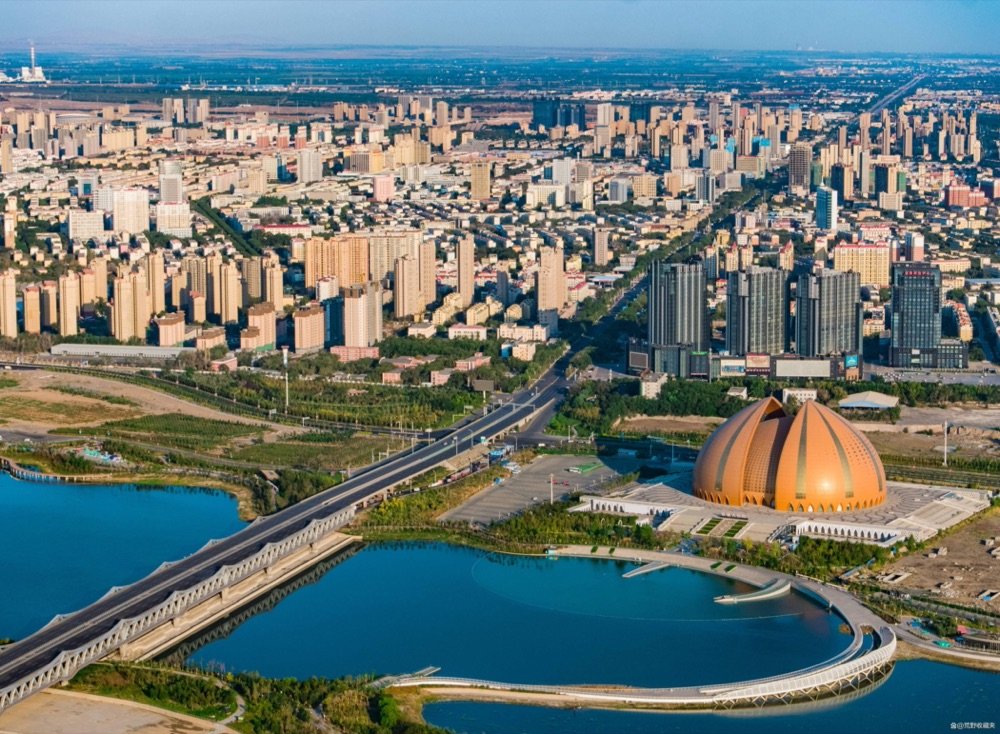
For your first trip, I recommend June to September or September to October. These periods offer the most comfortable weather, full accessibility to attractions, and the chance to experience Xinjiang at its most vibrant. For China Xinjiang DIY travel beginners, these seasons also provide the most straightforward logistics and safety margins.
How Long Do You Need?
This is the million-dollar question, and the answer depends on your interests, budget, and tolerance for long travel days. Here are some sample itineraries:
- 7-10 days: Focus on one region (Northern or Southern Xinjiang). For Northern Xinjiang, base yourself in Urumqi and explore Tianchi (Heavenly Lake), Turpan, and perhaps a grassland (Nalati or Tianger). For Southern Xinjiang, fly to Kashgar and explore the Old Town, nearby grasslands, and the Karakul Lake area.
- 14-18 days: Combine Northern and Southern Xinjiang at a relaxed pace. This allows you to experience the region’s diversity – from the alpine scenery of the north to the desert landscapes and Islamic culture of the south.
- 21+ days: A comprehensive Xinjiang road trip or overland journey. You can cover the major highlights, spend quality time in each place, and even venture into some off-the-beaten-path areas.
Step 2: Choose Your Route and Destinations
Xinjiang is traditionally divided into two main regions: Northern Xinjiang (with Urumqi as the hub) and Southern Xinjiang (with Kashgar as the main city). Each has distinct landscapes, cultures, and travel experiences to offer.
Northern Xinjiang: Alpine Scenery and Grasslands
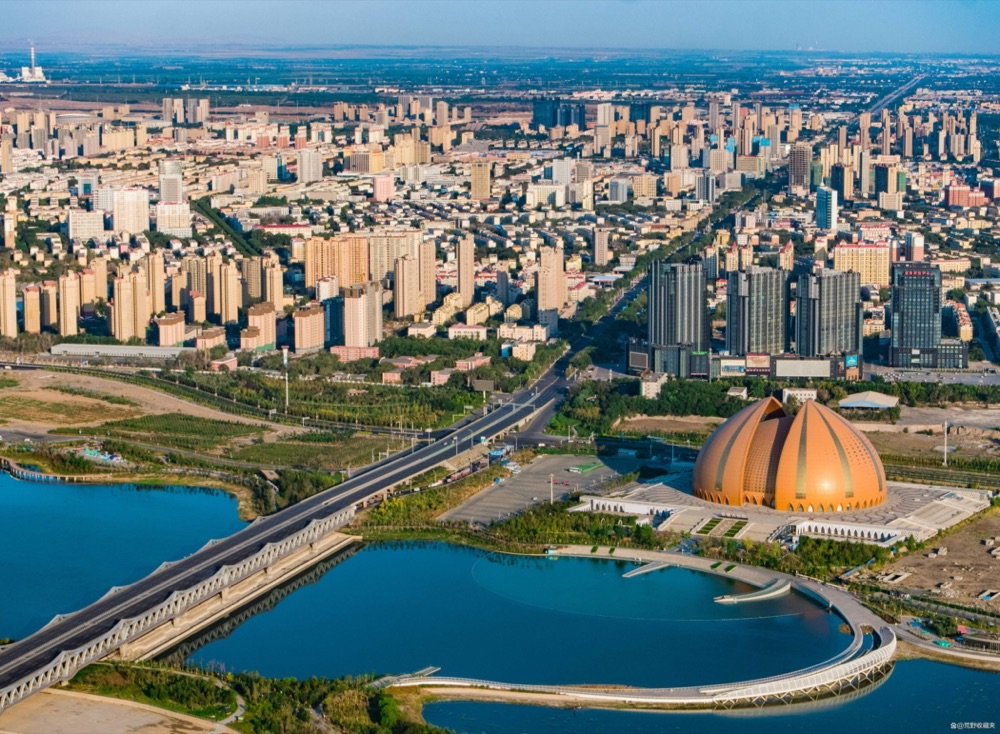
Northern Xinjiang is characterized by stunning alpine scenery, vast grasslands, and a mix of ethnic cultures (Kazakh, Mongolian, and Han Chinese are more prominent here than in the south). Top destinations include:
- Urumqi: The gateway to Xinjiang, with good infrastructure and as a base for day trips.
- Heavenly Lake (Tianchi): A stunning alpine lake set among snow-capped peaks, just 2 hours from Urumqi.
- Turpan: An oasis city famous for grapes, the Flaming Mountains, and ancient Silk Road sites.
- Ili Valley and Nalati Grassland: Vast, flower-covered grasslands where you can stay in yurts and experience nomadic culture.
- Kanas Lake: A fairy-tale alpine lake with crystal-clear water, surrounded by forests and mountains. Often called “China’s Switzerland.”
Southern Xinjiang: Desert Landscapes and Islamic Culture
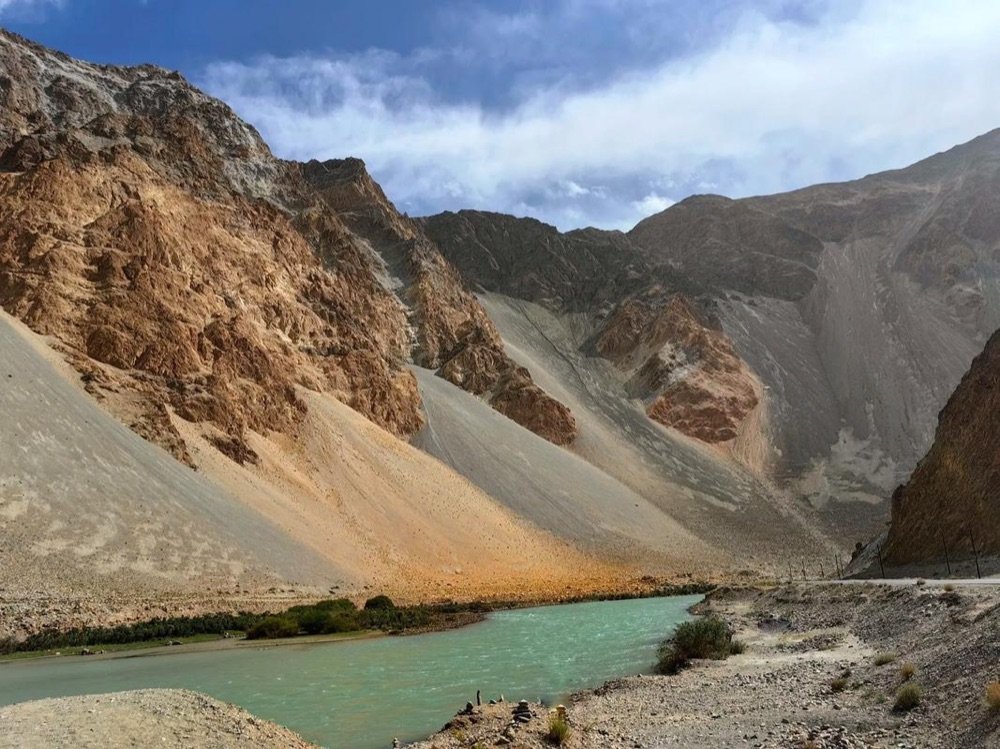
Southern Xinjiang offers a more rugged, exotic travel experience. The landscape is dominated by the Taklamakan Desert, and the culture is predominantly Uyghur (a Turkic, predominantly Muslim ethnic group). Top destinations include:
- Kashgar: The cultural heart of Xinjiang, with a magnificently preserved Old Town, ancient mosques, and bustling bazaars.
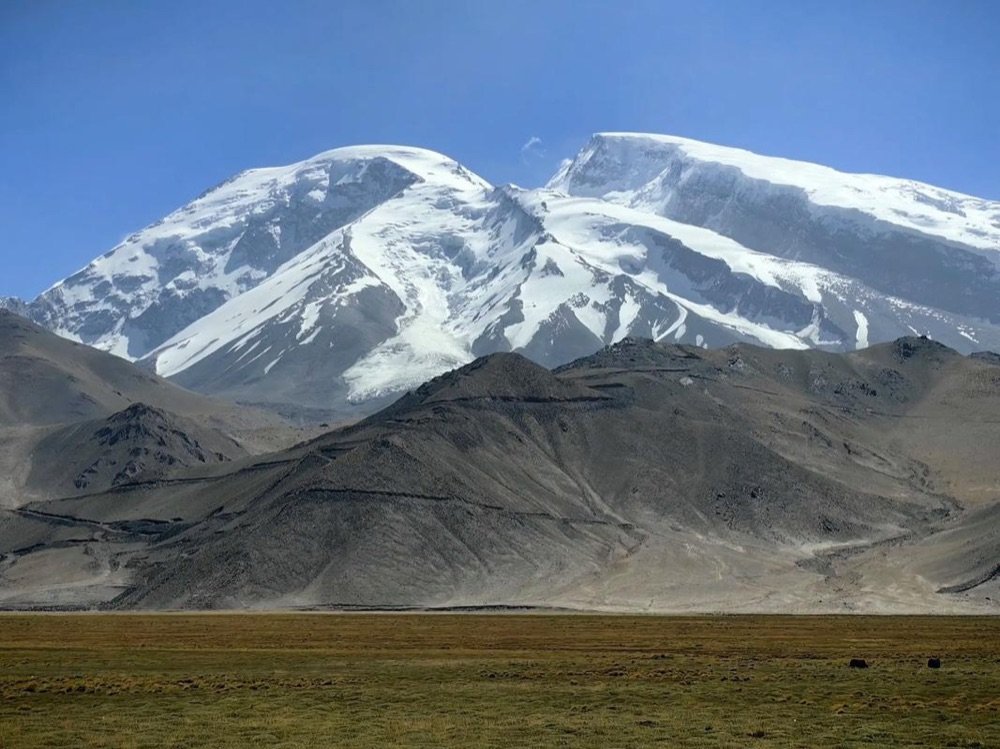
- Karakul Lake: A stunning high-altitude lake set against the backdrop of Muztagh Ata (one of the most beautiful mountains in the world).
- The Karakoram Highway: One of the world’s highest paved roads, connecting Kashgar (China) to Gilgit and Islamabad (Pakistan). Open to tourists in summer.
- Hetan: Famous for jade, carpet weaving, and as a gateway to the Taklamakan Desert.
For Roam Xinjiang travel tips on route planning, I recommend first-time visitors spend 60% of their time in Northern Xinjiang (the scenery is more accessible and the infrastructure is better) and 40% in Southern Xinjiang (for the cultural experience).
Step 3: Handle Visas and Permits
Most foreign nationals need a visa to enter China. For tourism, the L (Tourist) visa is appropriate. Apply at a Chinese embassy or consulate in your home country before traveling. Processing times vary, but typically take 4-7 business days.
For Xinjiang specifically, most areas are open to foreign tourists with just a standard Chinese visa. However, some restricted areas (mostly near borders) require additional permits. These include:
- Taxkorgan County (home to Karakul Lake and the Karakoram Highway): Requires a Border Pass, which you can obtain in Kashgar with your passport and Chinese visa.
- Some remote border areas: May require special permits. Check the latest requirements on official tourism websites or consult your hotel/tour operator in Kashgar or Urumqi.
Step 4: Book Flights and Accommodation Strategically
Once you’ve determined your travel dates and route, it’s time to book flights and accommodation. Here are some strategic tips:
- Fly into Urumqi, fly out of Kashgar (or vice versa): This allows you to do a one-way trip through Xinjiang without backtracking, saving you time and transportation costs.
- Book accommodation in advance during peak season (June-September): Xinjiang’s popularity has surged post-pandemic, and good hotels fill up quickly. Book at least 2-3 weeks ahead for peak season travel.
- Use multiple booking platforms: International platforms (Booking.com, Agoda) have limited selection in Xinjiang. Chinese platforms (Ctrip/Trip.com, Qunar) have more options and often better prices. They have English versions and accept international credit cards.
Step 5: Prepare for Cultural Differences
Xinjiang is culturally distinct from other parts of China. The predominant ethnic group is Uyghur (a Turkic, predominantly Muslim people), and their language, religion, and customs are different from the Han Chinese majority. Here are some cultural tips for solo travel services in Xinjiang:
- Dress modestly: Especially when visiting religious sites or rural areas. Women should cover shoulders and knees; men should avoid going shirtless.
- Ask before taking photos: Always ask permission before photographing people, especially women and religious figures.
- Respect prayer times: You may hear the call to prayer from mosques, especially in southern Xinjiang. Be respectful and avoid loud behavior near mosques during prayer times.
- Learn a few basic phrases: “Assalamu alaykum” (Peace be upon you – the standard greeting), “Rahmat” (Thank you), and “Kachilik” (Delicious) can go a long way in building rapport.
Conclusion: Embrace the Adventure
Planning your first trip to Xinjiang requires more effort than planning a trip to Beijing or Shanghai, but the rewards are immeasurable. You’ll witness landscapes that seem plucked from a fairy tale, taste food that’s a fusion of Central Asian and Chinese flavors, and meet people whose warmth and hospitality will leave a lasting impression.
Take the time to plan thoughtfully, but also leave room for serendipity – some of the best travel memories come from unexpected encounters, detours, and spontaneous decisions. And remember, the journey itself is as important as the destination. The long train rides, the winding mountain roads, the impromptu meal shared with strangers – these are the moments that will stay with you long after you’ve returned home. For more Xinjiang independent travel tips and resources, keep exploring our website. Safe travels!
Budget Planning for Your Xinjiang Adventure
Understanding costs is crucial for Roam Xinjiang travel tips planning.
Here’s a realistic daily budget breakdown (per person in CNY):
Budget Traveler (300-500 CNY/day):
– Hostels or yurt stays: 80-150 CNY/night
– Local restaurants and street food: 50-100 CNY/day
– Public transportation: 50-100 CNY/day
– Attractions and activities: 100-150 CNY/day
Mid-Range Traveler (600-1000 CNY/day):
– 3-4 star hotels: 300-500 CNY/night
– Mix of local and international restaurants: 150-250 CNY/day
– Private transportation or tours: 200-400 CNY/day
– All attractions and some guided activities: 200-350 CNY/day
Luxury Traveler (1500+ CNY/day):
– 5-star hotels or premium yurt experiences: 800-1500 CNY/night
– Fine dining: 300-500 CNY/day
– Private SUV with driver-guide: 800-1200 CNY/day
– Exclusive experiences and premium tours: 500-800 CNY/day
These estimates exclude international flights to China. For solo travel services in Xinjiang,
budget around 20-30% more for single supplements and private transportation.