
Heavenly Lake: Sacred Alpine Waters Near Urumqi
Introduction to Heavenly Lake (Tianchi)
For our complete Top Xinjiang Attractions, see our dedicated Top Xinjiang Attractions with practical details on safety, costs, and planning.
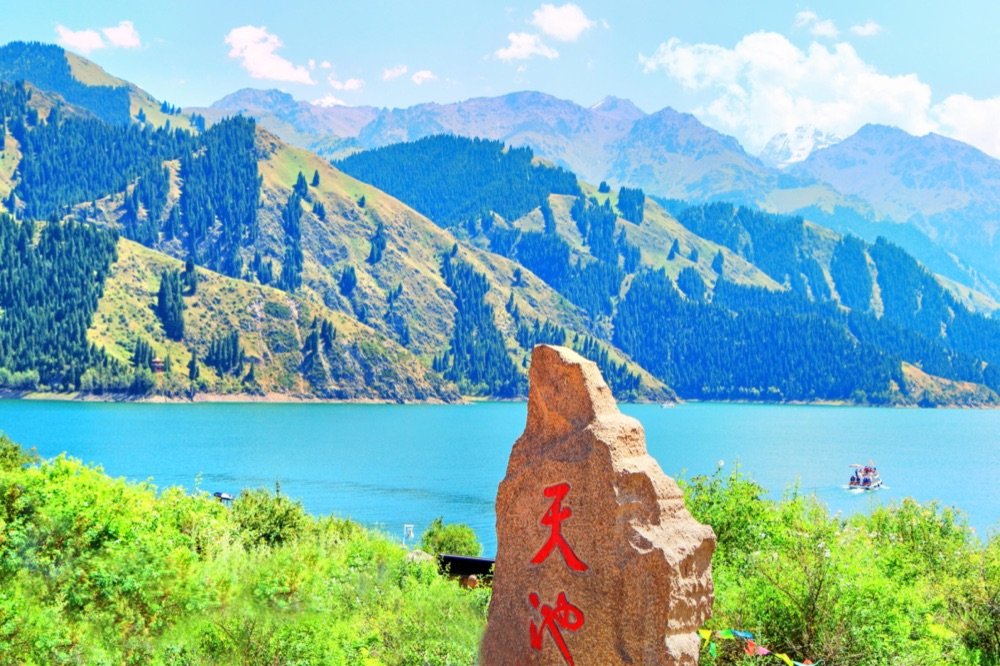
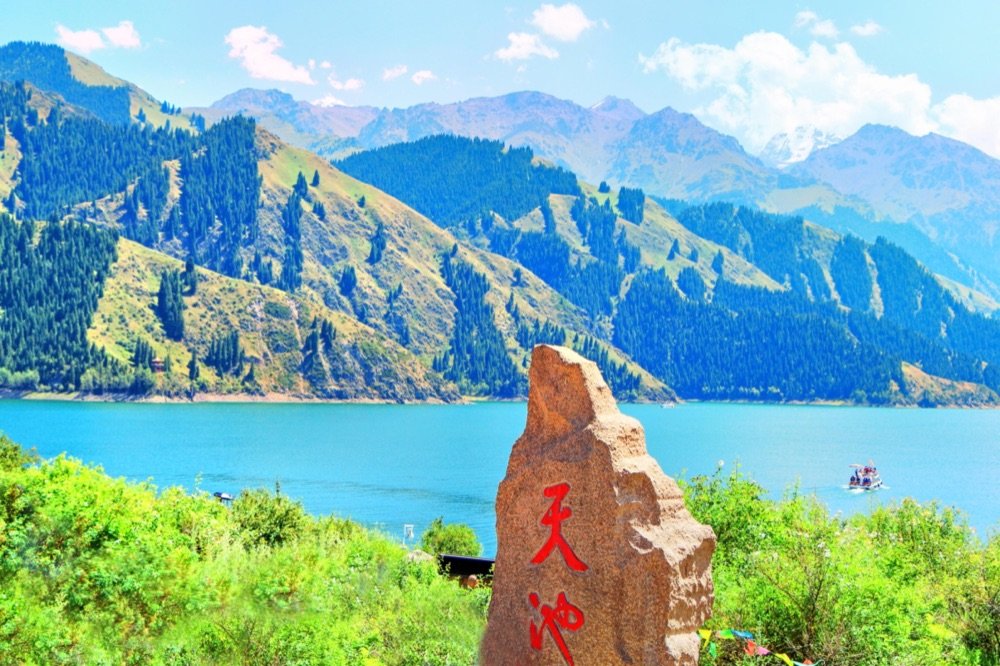
Heavenly Lake, known in Chinese as “Tianchi” (天池), is one of Xinjiang’s most beloved alpine destinations and a sacred site for both Taoist believers and nature lovers alike. Situated at an elevation of 1,907 meters above sea level on the northern slopes of the Bogda Peak (5,445m)—one of the most majestic mountains in the Tianshan Range—the lake has been celebrated in poetry and legend for over 2,000 years. The name “Heavenly Lake” comes from the Qing Dynasty (1644-1912), when the area was designated as a protected imperial hunting ground and the lake was described as a “heavenly pond” where immortal beings might bathe. The lake itself is a stunning turquoise color, surrounded by snow-capped peaks, dense spruce forests, and vibrant alpine meadows that burst with wildflowers in the summer months. With a surface area of approximately 4.9 square kilometers and a maximum depth of 105 meters, Heavenly Lake offers breathtaking vistas from every angle. For Xinjiang attractions enthusiasts, this destination perfectly combines natural beauty, cultural heritage, and spiritual significance. Whether you’re interested in Taoist mythology, alpine hiking, or simply soaking in spectacular mountain scenery, Heavenly Lake deserves a prominent place in your Xinjiang travel itinerary. This comprehensive guide covers everything you need to know to make the most of your visit to this sacred and spectacular alpine lake.
The Legend and Cultural Significance of Heavenly Lake
Heavenly Lake is shrouded in fascinating legends that have been passed down through millennia. According to Taoist mythology, the lake is the earthly reflection of the celestial pool where the Queen Mother of the West (Xiwangmu) bathes and holds her legendary peach banquets for the immortal beings. In the “Classic of Mountains and Seas” (Shanhai Jing), written over 2,000 years ago, the Queen Mother of the West is described as a powerful deity who ruled over the western paradise—and Heavenly Lake was said to be her personal bathing pool. Another legend tells of a great warrior who, after being wounded in battle, came to the lake and was miraculously healed by its pristine waters. These stories have made Heavenly Lake a place of pilgrimage for those seeking spiritual renewal, physical healing, or simply a connection to China’s ancient mythological heritage. In addition to Taoist significance, the lake and surrounding area are also sacred to local Kazakh and Mongolian nomadic peoples, who have held the mountain and lake as sacred sites for generations. The spruce forests that ring the lake are considered especially holy, and it’s traditional to tie blue prayer flags on tree branches while making a wish. Whether you approach Heavenly Lake from a religious, cultural, or purely aesthetic perspective, the atmosphere of reverence and awe is palpable. This deep cultural layering is what makes China Xinjiang free independent travel so richly rewarding—every landscape has stories to tell if you know where to listen.
Best Season to Visit Heavenly Lake
Heavenly Lake is a year-round destination, but the experience varies dramatically by season, so choose your timing based on your interests and tolerance for cold weather. Summer (June to August) is the most popular time to visit, with pleasant daytime temperatures (18-25°C / 64-77°F) and comfortably cool nights (10-15°C / 50-59°F). This is when the alpine meadows around the lake burst into bloom, creating a spectacular carpet of wildflowers in every color imaginable. The lake’s water is at its most vivid turquoise, and all hiking trails are open and accessible. However, summer is also peak tourist season, so expect crowds, especially on weekends and Chinese holidays. Autumn (September to October) is arguably the best time to visit—the weather remains pleasant, the summer crowds have dissipated, and the spruce forests take on brilliant golden and copper hues that create spectacular contrast against the deep green of the lake and the white of the snow-capped peaks. Winter (November to March) transforms the landscape into a serene snowy wonderland. The lake sometimes freezes over completely, creating a vast expanse of ice surrounded by snow-covered trees and mountains—a scene of profound tranquility. However, temperatures plummet to -15°C to -25°C (5 to -13°F), and some facilities close for the season. Spring (April to May) is a time of renewal, with melting snow feeding the lake and wildflowers beginning to emerge, though the weather can be unpredictable with occasional late-season snowstorms. Each season offers a distinct and beautiful experience, so consider what type of adventure you’re seeking when planning your Xinjiang solo travel itinerary to Heavenly Lake.
Scenic Spots Around the Lake
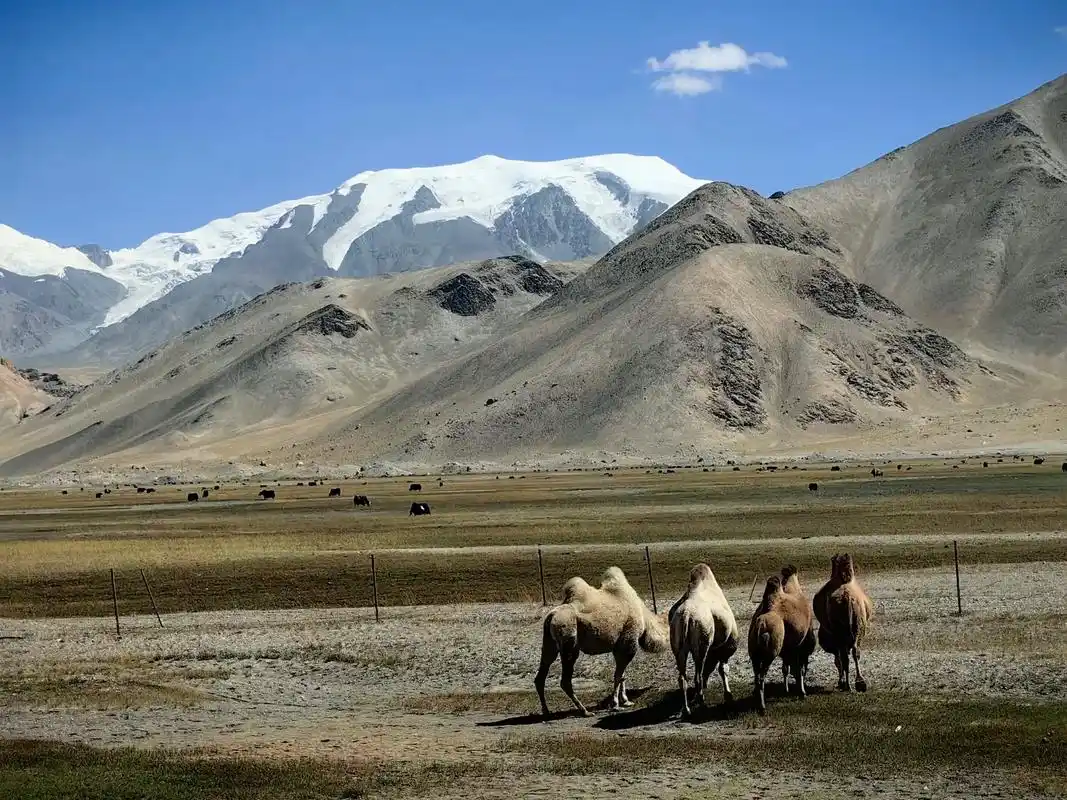
Heavenly Lake offers numerous scenic spots, each with its own unique character and photographic opportunities. The main lake viewing platform is the most accessible and popular spot, offering unobstructed views of the turquoise water with the majestic Bogda Peak reflected in the calm surface on windless days. A paved walking path circles approximately half of the lake (about 6 kilometers), making for a very pleasant 2-3 hour stroll with constantly changing vistas. Halfway Point (Banchilu) is a particularly beautiful spot where the lake narrows and the surrounding spruce forests create a tunnel-like effect over the water. Further along the trail, you’ll reach the Dragon King Temple (Longwangsi), a small but historically significant Taoist temple built during the Qing Dynasty. The temple is still active, and you may witness locals making offerings or burning incense. For the best panoramic views, take the cable car or hike up to the Maya Mountain (Mayashan) viewing platform, which sits at 2,700 meters and offers a bird’s-eye view of the entire lake and the surrounding Tianshan peaks. On the eastern side of the lake, there’s a picturesque stone formation called “The Goddess of Heavenly Lake” (Xiwangmu Shi), which resembles a woman’s profile and is intimately connected to the lake’s mythology. Each of these spots offers a different perspective on the lake’s beauty, and together they create a richly layered experience that rewards slow, contemplative exploration. Don’t rush—allow at least half a day to fully appreciate the many faces of this extraordinary alpine lake.
Hiking Trails and Outdoor Activities
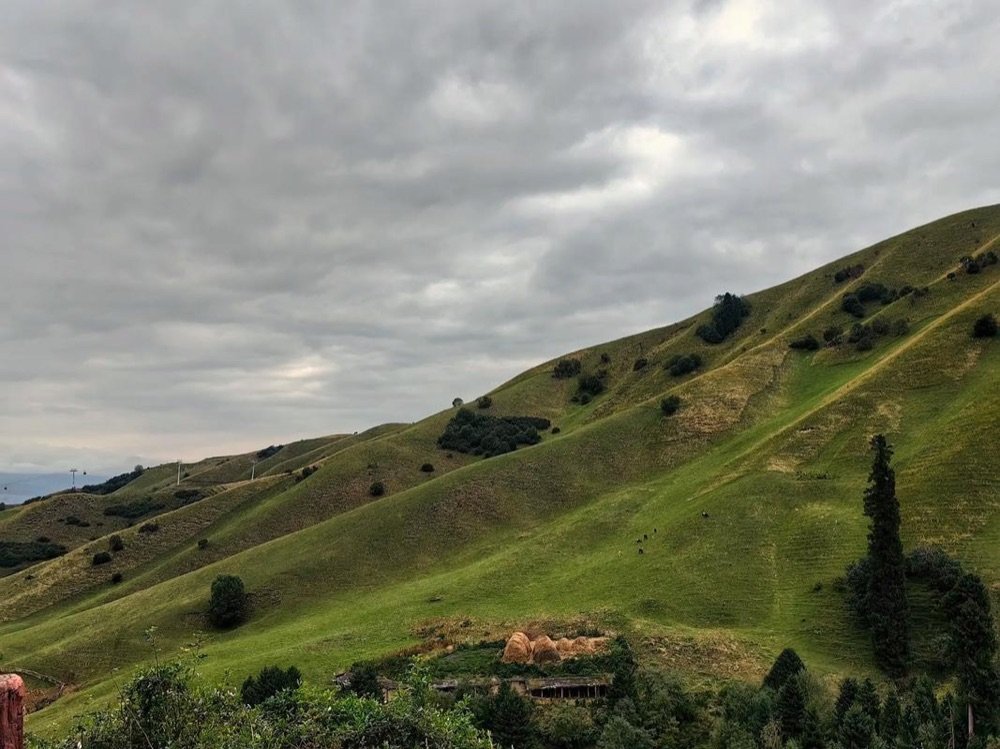
For active travelers, Heavenly Lake offers excellent hiking opportunities that range from easy lakeside strolls to challenging mountain treks. The most popular and accessible option is the Lakeside Trail, a well-maintained paved path that circles approximately 6 kilometers of the shoreline. This trail is suitable for all fitness levels and offers constantly changing views of the water, surrounding forests, and mountain peaks. Allow 2-3 hours for a leisurely walk with plenty of photo stops. For a more challenging adventure, consider the hike up to Maya Mountain (2,700m), which takes about 2-3 hours round-trip and rewards you with spectacular panoramic views. The trail is steep in sections but well-marked and safe. Experienced hikers can venture beyond the main tourist area on the trek to the “Back Lake” (Houchi), a smaller, wilder alpine lake that sits in a glacial cirque above the main Heavenly Lake. This trek takes 5-6 hours round-trip and requires a good fitness level, proper hiking boots, and adequate water and snacks. In winter, the area around the lake becomes a wonderland for snowshoeing and cross-country skiing, though you’ll need to bring your own equipment as rentals are not available. Fishing is permitted in designated areas with a proper license (available at the park office), and the lake is home to several species of cold-water fish. Birdwatching is also excellent, with species such as golden eagles, blue eared pheasants, and various songbirds frequently spotted in the spruce forests. Whatever your preferred outdoor activity, the combination of high-altitude scenery, pristine air, and spiritual atmosphere makes every moment spent on the trails around Heavenly Lake deeply rejuvenating.
Practical Travel Tips
To make the most of your visit to Heavenly Lake, keep these practical tips in mind. First: transportation. The lake is about 110 kilometers (roughly 2 hours by car) from Urumqi, making it a perfect day trip or overnight stay. Buses depart regularly from Urumqi’s Nanchang Road Bus Station, or you can hire a private car or join a tour. Second: accommodation. Options range from basic guesthouses near the lake to more comfortable hotels in Fukang city (closer to Urumqi). Staying overnight allows you to experience the lake at sunrise and sunset, when the light is most magical and the tour groups have departed. Third: what to bring. Even in summer, bring a warm layer—temperatures drop quickly after sunset. Sunscreen, sunglasses, and a hat are essential, as the UV radiation at 1,900 meters is intense. Comfortable walking shoes are a must, as you’ll be on your feet for several hours. Fourth: food and water. There are restaurants at the main tourist area, but they’re overpriced and mediocre. Bring a picnic lunch and plenty of water for a more enjoyable experience. Fifth: altitude awareness. At 1,907 meters, altitude sickness is uncommon but possible. If you’re coming directly from Urumqi (800m), ascend gradually and stay hydrated. Finally: cultural etiquette. If you visit the Dragon King Temple or see prayer flags, be respectful—don’t touch offerings, speak quietly, and always ask before taking photos of people or religious sites. With these tips in mind, your visit to Heavenly Lake will be safe, comfortable, and deeply memorable—a true highlight of your Xinjiang journey.
Conclusion
Heavenly Lake represents the very best of what Xinjiang has to offer—spectacular alpine scenery, profound cultural and spiritual heritage, and outdoor activities that will delight travelers of all ages and fitness levels. Whether you’re drawn by the ancient legends of the Queen Mother of the West, the promise of hiking through spruce forests with snow-capped peaks as your backdrop, or simply the opportunity to experience one of China’s most beloved alpine landscapes, Heavenly Lake will exceed your expectations. As you stand on the shore, watching clouds dance around the summit of Bogda Peak and listening to the gentle lapping of turquoise water against the rocky shore, you’ll understand why poets, painters, and pilgrims have been drawn to this sacred lake for over two millennia. We hope this guide has provided you with the knowledge and inspiration to include Heavenly Lake in your Xinjiang itinerary. Safe travels, and may your journey to this heavenly place be filled with wonder, discovery, and moments of profound connection to the natural and spiritual beauty of Xinjiang. The lake is waiting—will you answer its call?