
Karakul Lake: The Jewel of Pamir Plateau
Overview of Karakul Lake
For our complete Xinjiang Solo Travel Guide, see our dedicated Xinjiang Solo Travel Guide with practical details on safety, costs, and planning.
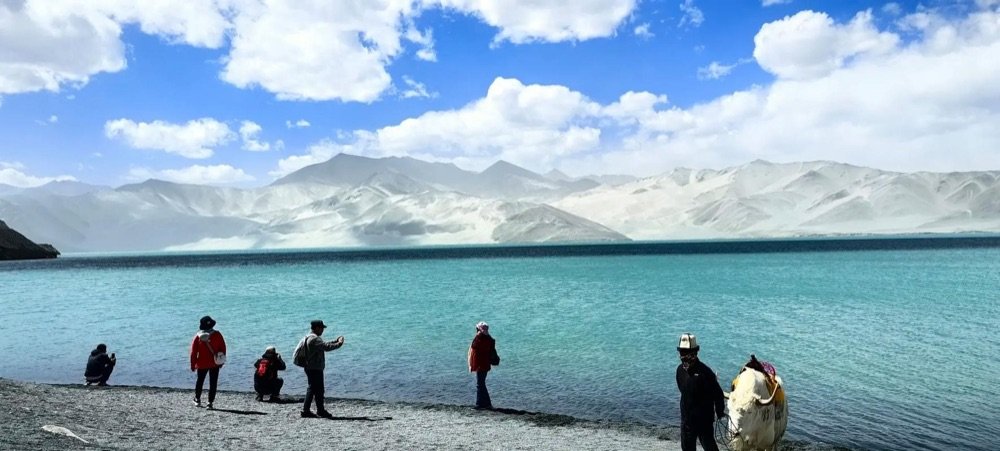
Karakul Lake, whose name literally means ‘Black Lake’ in the local Kyrgyz language, is one of the most stunning alpine lakes in the world. Situated at a breathtaking elevation of 3,600 meters above sea level on the Pamir Plateau, this glacial lake is surrounded by some of the highest peaks in Central Asia. The lake’s most famous neighbors are Muztagh Ata (7,509m), known as the ‘Father of Ice Mountains,’ and Kongur Tagh (7,649m), the highest peak in the Pamir range. The landscape is dramatically beautiful—a deep blue lake reflecting snow-capped peaks, with vast meadows along the shoreline dotted with yurts from Kyrgyz nomadic families. The lake itself is about 30 square kilometers in area and reaches depths of up to 50 meters. What makes Karakul truly special is its ever-changing colors—the water can appear deep blue, turquoise, or even black depending on the weather, time of day, and your viewing angle. For centuries, the lake has been a sacred site for local Kyrgyz people, who believe it holds spiritual power and that certain areas of the shoreline should not be disturbed. The combination of extreme altitude, dramatic mountain scenery, and rich cultural heritage makes Karakul Lake an essential stop on any Xinjiang travel tips itinerary.
The Legend and Mystery of Karakul
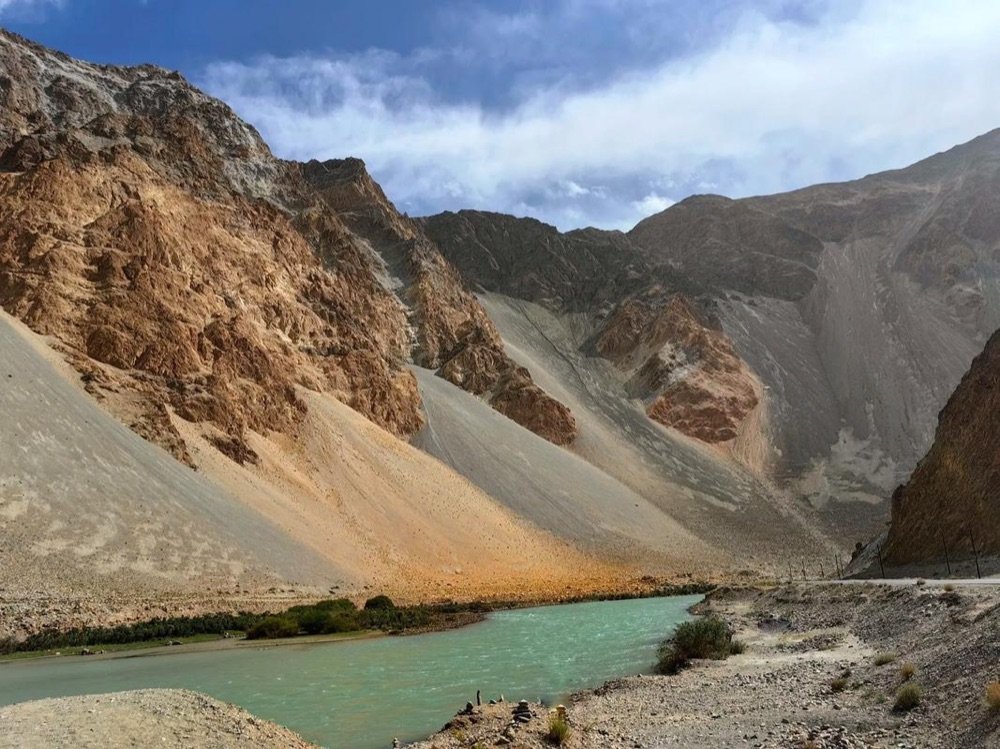
Like many ancient landmarks in Xinjiang, Karakul Lake is shrouded in fascinating legends that have been passed down through generations. According to local Kyrgyz folklore, the lake was formed by the tears of a grieving mother whose son was killed in a battle against invaders—her tears flowed so copiously that they created this vast body of water. Another legend speaks of a giant fish that inhabits the depths of the lake, occasionally surfacing to bring good fortune to those who spot it. These stories add a layer of mystique to an already magical place, and many visitors find themselves drawn into the folklore as they listen to local nomads share tales around evening campfires. The lake is also believed to have healing properties—some locals swear by the therapeutic benefits of the mineral-rich water for skin conditions and joint pain, though swimming is not recommended due to the extremely cold temperatures year-round. Scientists have their own explanations for the lake’s origins, tracing it to glacial activity during the last Ice Age, but there’s something special about experiencing a place that exists at the intersection of natural wonder and human storytelling. Whether you’re a skeptic or a believer, the atmosphere around Karakul has a way of making you feel that anything is possible, that magic might just be real if you know where to look for it.
Best Time to Visit and Weather Considerations
Visiting Karakul Lake requires careful timing due to its extreme altitude and the harsh climate of the Pamir Plateau. The best time to visit is from May to October, with July and August being the most popular months. During this period, daytime temperatures can reach a pleasant 15-20°C, though nights remain cold (0-5°C), so proper gear is essential. June and September offer good weather with fewer tourists, making them ideal for photographers and those seeking solitude. The weather at 3,600 meters can change rapidly—a sunny morning can turn into a snowy afternoon within hours, so always be prepared with layered clothing, a warm hat, gloves, and a reliable down jacket. Altitude sickness is a serious concern; symptoms include headache, nausea, dizziness, and shortness of breath. To acclimatize properly, spend at least one night in Tashkurgan (2,900m) before ascending to the lake, stay well-hydrated, avoid alcohol, and consider bringing acetazolamide (Diamox) if you’re prone to altitude sickness. The thin air also means stronger UV radiation, so sunscreen (SPF 50+), sunglasses, and a wide-brimmed hat are absolute necessities. Winter visits (November to April) are not recommended for casual travelers—temperatures can plummet to -30°C, and the road to the lake is often closed due to heavy snow. However, for extreme adventure seekers and winter photography enthusiasts, the snow-covered landscape offers a pristine, otherworldly beauty that’s impossible to experience in any other season.
Accommodation and Dining at Karakul
Accommodation options at Karakul Lake are limited but offer an authentic high-altitude experience that you won’t soon forget. The most popular choice is staying in a traditional Kyrgyz yurt along the shoreline. These yurts are basic but cozy, with thick felt insulation that keeps them surprisingly warm even when outside temperatures drop below freezing. Expect to pay 80-150 RMB per person per night, which typically includes a simple meal of noodles, bread, and tea. Toilets are squat-style and located outside the yurts, and there are no shower facilities—wet wipes and dry shampoo are your friends here. For those who prefer more comfort, there are a few guesthouses in the area, though they fill up quickly during peak season, so advance booking is highly recommended. Dining options are extremely limited—most visitors eat at their guesthouse or yurt camp, where meals consist of hearty, carb-rich dishes designed to fuel you in the cold mountain environment. Try the local specialty, laghman (hand-pulled noodles with vegetables and meat), and definitely sample the Kyrgyz bread, which is cooked over an open fire and has a delicious smoky flavor. Bring plenty of snacks, energy bars, and instant coffee or tea—the hot drinks will be your lifeline in the cold mornings and evenings. If you have dietary restrictions, bring your own food, as the local cuisine is heavy on mutton, noodles, and dairy products. Despite the rustic conditions, there’s something deeply satisfying about enjoying a simple meal while gazing out at one of the most spectacular landscapes on Earth—it’s a reminder of what travel used to be before luxury hotels and chain restaurants took over every picturesque corner of the globe.
Photography Tips for Capturing Karakul
Karakul Lake is a photographer’s dream, offering compositions that range from grand landscape vistas to intimate cultural portraits. The best light occurs during the golden hours—sunrise and sunset—when the mountains are bathed in warm, directional light and the lake reflects the sky like a perfect mirror. Sunrise is particularly magical, as the first rays of light hit the snow-capped peaks of Muztagh Ata, creating a pink glow that gradually transitions to gold. For landscape shots, bring a wide-angle lens (14-24mm) to capture the vastness of the scene, and don’t forget a sturdy tripod—the winds at 3,600 meters can be surprisingly strong, and a slow shutter speed is often needed in the low-light conditions of early morning and late evening. A polarizing filter will help reduce glare from the water and enhance the blue of the sky and the white of the snow. For those interested in cultural photography, always ask permission before photographing local Kyrgyz people, and consider bringing small gifts (such as candies, pens, or instant coffee) as a gesture of goodwill. Portrait shots with the lake and mountains in the background can be stunning, but be respectful and never take photos of people without their consent. Finally, pack extra batteries—the cold drains them rapidly—and bring a weather-sealed camera bag to protect your gear from sudden snow showers or dust storms. The images you capture at Karakul will be among the most spectacular in your portfolio, guaranteed to elicit envy and admiration from everyone who sees them.

Conclusion
Karakul Lake is more than just a destination—it’s an experience that challenges your body, awakens your spirit, and expands your understanding of what wilderness truly means. Standing on the shore of this ancient glacial lake, with some of the world’s highest peaks towering above you and the vast Pamir Plateau stretching out in every direction, you’ll feel a profound sense of humility and wonder that’s increasingly rare in our over-connected, over-developed world. Yes, the altitude is demanding, the facilities are basic, and the weather can be unforgiving, but these challenges are precisely what make Karakul so rewarding. This is travel in its purest form—raw, authentic, and transformative. As you descend back toward the relative comfort of Tashkurgan or Kashgar, you’ll carry with you not just stunning photographs, but memories of star-filled skies, the sound of wind across the grassland, and the warmth of Kyrgyz hospitality that will sustain you long after you’ve returned to your everyday life. For those willing to venture off the beaten path and embrace the adventure, China Xinjiang free independent travel doesn’t get much better than this. Pack your bags, prepare your spirit, and get ready for an experience that will change you forever.
Wildlife Around Karakul Lake
The area around Karakul Lake is home to diverse wildlife adapted to high-altitude environments.
You may spot Tibetan gazelles, snow leopards (extremely rare and elusive), Himalayan brown bears,
and numerous bird species including Himalayan griffon vultures and barbary doves.
For nature enthusiasts exploring Xinjiang free independent travel,
the biodiversity around Karakul Lake adds another fascinating dimension to the visit.
Photography Equipment Checklist
To capture the breathtaking beauty of Karakul Lake professionally, consider bringing:
- Wide-angle lens (14-24mm): For dramatic landscape shots including the lake and mountains
- Telephoto lens (70-200mm): For compressing mountain perspectives and wildlife photography
- Circular polarizing filter: Reduces glare from the water surface and enhances sky contrast
- Sturdy tripod: Essential for sunrise/sunset long exposures and night sky photography
- Extra batteries: Cold temperatures at 3,600m drain batteries rapidly
- Lens cleaning kit: Dust and occasional sand can affect image quality
For China Xinjiang DIY travel photographers,
the investment in proper equipment will reward you with stunning, professional-quality images that capture
the ethereal beauty of this high-altitude lake.