
Huocheng Lavender Fields: Xinjiang’s Provence — Complete 2026 Guide
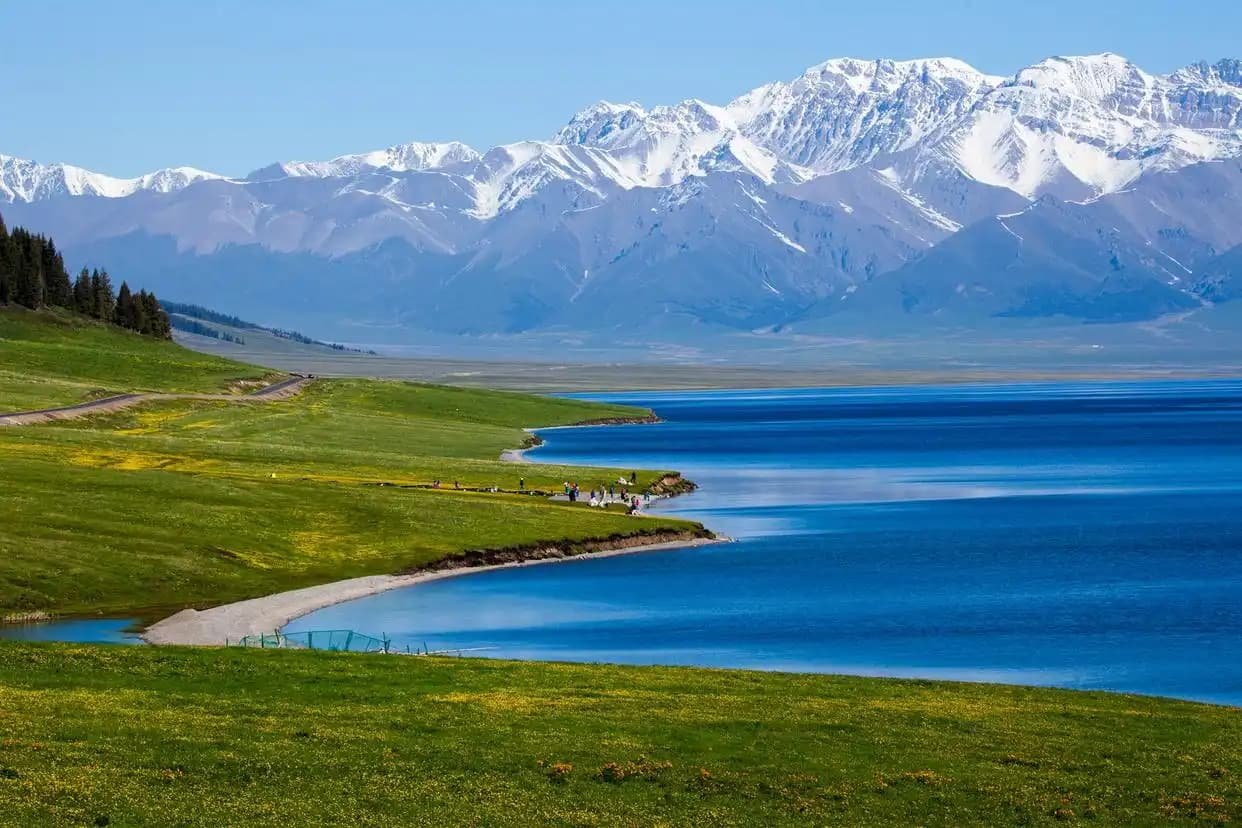 Huocheng Lavender Fields in full bloom, Xinjiang’s answer to Provence” style=”width:100%;max-width:800px;border-radius:8px;margin:20px 0;”>
Last updated: June 2026 • By the Xinjiang travel tips team
Why Huocheng Deserves a Spot on Your Xinjiang Itinerary
If you’re planning independent travel in Xinjiang and think the region is all about deserts and snow-capped peaks, Huocheng (Huocheng County, part of the Ili Kazakh Autonomous Prefecture) will change your mind. Every June and July, this small county in the Ili Valley explodes into a sea of purple — earning it the nickname “China’s Provence.”
Located in the northwest of the Ili Valley, Huocheng sits at the crossroads of history and natural beauty. It’s only 40 minutes from Yining (the prefecture capital),毗邻霍尔果斯口岸 (bordering Kazakhstan), and serves as the gateway to some of Xinjiang’s most diverse landscapes: lavender fields, alpine lakes, desert dunes, and Qing-dynasty fortresses all within a 30-kilometer radius.
This guide pulls together everything you actually need to know to visit — when the flowers are at peak bloom, which farms are worth your time, where to stay, and how to pair Huocheng with Sayram Lake for a perfect 2-day detour.
Huocheng Lavender: The Numbers and the Context
Huocheng produces about 95% of China’s lavender. Alongside France’s Provence and Hokkaido in Japan, it’s one of the world’s three major lavender-growing regions. The county has about 20,000 mu (roughly 1,300 hectares) of lavender fields, most of it concentrated around the towns of Qing earning, Luzigou, and Huocheng proper.
The lavender variety grown here is mostly “Xinjiang lavender” (a hardy strain adapted to the continental climate), and the essential oil yield per mu is among the highest in the world. If you buy lavender oil or dried lavender sachets anywhere in China, there’s a very good chance it came from Huocheng.
When to Go: Nailing the Blooming Window
The single most important thing to get right: lavender in Huocheng blooms from mid-June to early July. The exact peak shifts slightly each year depending on spring temperatures, but here’s the reliable window:
- First week of June: Early buds, some fields starting to show color. Good for fewer crowds.
- June 10–25: Peak bloom. This is the window. Fields are uniformly purple, weather is warm but not yet scorching.
- Late June to July 5: Still blooming, but fading at the edges. After July 10, most fields have been harvested.
If your Xinjiang itinerary doesn’t include a June or early July stop, you’ll miss the lavender entirely. Plan accordingly.
Beyond lavender, Huocheng has a second season: September to October, when the surrounding mountains turn gold and the walnut orchards (Huocheng is also famous for wild cherry plums and walnuts) are in harvest mode. It’s a completely different trip, but a good one if you’re traveling in autumn.
Top Places to See Lavender in Huocheng
1. Xieyou Princess Lavender Garden (解忧公主薰衣草园) — The Classic Choice
This is the most famous lavender farm in Huocheng, and for good reason. It’s a 4A-rated scenic area with over 10,000 mu of planted lavender, observation decks, an essential oil workshop, and a small museum explaining the history of lavender cultivation in the Ili Valley.
The farm is商业化 (commercialized) — there’s a gift shop, and you’ll see tour groups — but it’s also the most accessible option if you don’t have your own transport. Entry is about ¥35 per person. The best photos are from the raised wooden walkways that cut through the fields.
Practical note: Go at 7 AM or after 7 PM for the best light and fewer people. Midday sun flattens the purple and the tours roll in.
2. Siguong Village (四宫村) — The Instagram-Favorite
If you’ve seen those dreamy photos of wooden fences, lavender rows, and distant snow peaks on Chinese social media, they were probably taken in Siguong Village (specifically the “Huangezhuang” area). This is where the boutique lavender farm stays are — places like “Yujiandexiangye” and “Huangezhuang” — that have put Huocheng on the map for younger travelers.
Siguong is less formal than Xieyou Princess. You can walk right up to the fields (some charge a small ¥10–20 entry fee for private farms), and the backdrop of the Tianshan mountains makes every photo look expensive. The village also has a handful of cafes and craft shops selling lavender ice cream and handmade soap.
3. Free Roadside Fields Along G218
You don’t actually need to pay entry fees to see lavender. Driving the G218 highway between Yining and Huocheng, especially the stretch near Luzigou Township, you’ll see endless purple fields right next to the road. Pull over (safely), walk to the edge of the field, take your photos. The locals don’t mind as long as you stay on the paths and don’t trample the plants.
What Else to Do in Huocheng (Beyond Lavender)
Lavender is the headline, but Huocheng has several genuinely interesting sights that most foreign independent travelers miss entirely.
Guozigou Bridge (果子沟大桥) — The Most Beautiful Bridge in Xinjiang
Just 30 km from Huocheng proper, the Guozigou Bridge carries the G30 expressway across a deep canyon. It’s a cable-stayed bridge with a 200-meter drop, surrounded by spruce forest and snow peaks. You can’t walk on it (it’s an expressway bridge), but there’s a scenic overlook on the old G312 highway where you can park and take photos. No entry fee. Allow 30 minutes.
Guozigou is also the gateway to Sayram Lake — if you’re doing both in one day, start at the lavender fields in the morning, hit Guozigou midday, and catch Sayram Lake in the late afternoon light.
Huiyuan Ancient City (惠远古城) — Where Qing-Era Xinjiang Was Governed
Huocheng was once the political center of Qing-dynasty Xinjiang. Huiyuan was the seat of the “Ili General” (伊犁将军), the highest Qing official in Xinjiang, and the city wall, bell tower, and former general’s residence have been partially restored. It’s not a “wow” tourist site, but if you’re interested in the history of the region beyond the Silk Road clichés, it’s worth two hours of your time.
The Huiyuan Bell Tower (钟鼓楼) is the most complete surviving structure and has English-language plaques explaining the Qing administration of Xinjiang. Entry: about ¥30.
Tukai Desert (图开沙漠) — A Desert Next to a Forest
This is odd: a desert that sits right next to a riparian forest, about 15 km from Huocheng. It’s a small desert (about 13 square km), not the endless Taklamakan, but it has dune surfing, desert buggy rides, and the surreal experience of walking from sand dunes straight into a poplar forest. Good for kids or if you want a break from flower photography. Entry: about ¥25.
Fushou Mountain (福寿山) — Hiking and Apricot Blossoms
If you’re in Huocheng in April or early May (too early for lavender), Fushou Mountain is the play. It’s covered in wild apricot blossom trees that turn the entire hillside pink. In autumn, the same mountain is a patchwork of gold and red. There’s a hiking trail to the summit (about 2 hours round trip) with views over the entire Ili Valley. Entry: about ¥40.
How to Get to Huocheng
From Urumqi: The simplest option is to fly to Yining Airport (IATA: YIN), which is about 50 km from Huocheng. Flights from Urumqi take about 1 hour and 20 minutes and cost ¥400–800 depending on season. From Yining Airport, take a taxi or arrange a car to Huocheng (about ¥100–150, 40 minutes).
By train: The Urumqi–Yining high-speed rail line runs several times a day. The trip takes about 5–6 hours and costs ¥180–280 for a second-class seat. The Yining railway station has taxis to Huocheng.
By road: If you’re already on a Xinjiang road trip, Huocheng is on the G218 and G30 highways. From Sayram Lake, it’s about 1 hour driving south. From Zhaosu, it’s about 2.5 hours west.
Getting around locally: Huocheng’s lavender fields are spread out. Public buses exist but are infrequent. The most practical options are (1) rent a car in Yining and drive yourself, (2) hire a local driver for the day (about ¥300–400), or (3) join a small-group tour from Yining if you don’t speak Chinese.
Where to Stay in Huocheng
Lavender farm stays (recommended): Siguong Village has several guesthouses that are right in the middle of the fields. “Yujiandexiangye” and “Huangezhuang” are the best-known. Rates: ¥200–500/night in lavender season (book 2–3 weeks ahead). The experience of waking up to lavender-scented air and having the fields to yourself before the tour buses arrive is genuinely special.
Qingshuihe Town: This is the main town in Huocheng county, about 15 minutes from the lavender fields. It has mid-range hotels (Huocheng Hotel, Jinjiang Inn) at ¥150–300/night. Less atmospheric than the farm stays, but more convenient if you have an early morning flight from Yining.
Yining city: If you prefer more dining and nightlife options, stay in Yining and make Huocheng a day trip. Yining has better hotels and is only 40 minutes away.

Food in Huocheng: What to Eat
Huocheng’s food scene reflects its location at the meeting point of Han, Hui, Kazakh, and Uyghur cultures. A few things to seek out:
- Laghman (hand-pulled noodles): The Huocheng version is slightly different from the Uyghur version — the noodles are broader and the sauce often includes tomatoes and green peppers. Try it at a local Hui restaurant in Qingshuihe.
- Cherry plum jam (haloxylon jam): A Huocheng specialty. The wild cherry plum (China’s only native cherry plum habitat) makes a tart, fragrant jam that’s nothing like store-bought plum jam. Buy a jar at the local market.
- Lavender ice cream: Yes, it’s a thing. Siguong Village cafes serve it. It tastes like a very floral vanilla — worth trying once.
- Walnuts and dried fruit: Huocheng walnuts are among the best in China. Buy them unshelled from a roadside stall; they’re fresher and cheaper than anything you’ll find in a city supermarket.
Practical Tips Before You Go
- Book accommodation 2–3 weeks ahead if you’re traveling in June. Lavender season is short and popular with domestic tourists.
- Sun protection is non-negotiable. The Ili Valley has intense UV at this latitude. Bring SPF 50+, a hat, and sunglasses.
- Lavender pollen: If you have hay fever, bring antihistamine. The scent is strong and the pollen count is high in mid-June.
- Cash: Smaller lavender farms and village shops may not accept Alipay/WeChat Pay if you’re using an international account. Bring some CNY cash just in case.
- Drone rules: Flying drones near the G30 expressway (which includes the Guozigou Bridge area) is restricted. Check locally before launching.
Sample 2-Day Huocheng Itinerary
If you’re building Huocheng into a larger Xinjiang trip, here’s a realistic 2-day plan:
Day 1: Arrive in Yining by morning flight. Pick up a rental car. Drive to Huocheng (40 min). Visit Xieyou Princess Lavender Garden in the late afternoon (better light). Check into a Siguong Village farm stay. Dinner at the guesthouse.
Day 2: Sunrise photos in the lavender fields (right outside your door if you stayed in Siguong). Late morning: drive to Guozigou Bridge overlook (30 min). Continue to Sayram Lake (another 30 min) and spend 3–4 hours there. Drive back to Yining or continue west toward Zhaosu.
The Bottom Line
Huocheng isn’t on most foreign travelers’ Xinjiang maps, and that’s exactly why it’s worth your time. The lavender is real (not a PR invention), the landscapes are genuinely beautiful, and the fact that you can pair a lavender farm stay with a Silk Road fortress and a world-class alpine lake — all within 24 hours — is a reminder of how geographically absurd Xinjiang is in the best possible way.
If your trip falls in June or early July, build in two days for Huocheng. If it doesn’t, file it away for next time — the Ili Valley in spring or autumn is a different kind of spectacular, and the lavender is just the headline act.
Updated June 2026. If you’ve visited Huocheng and have tips to add, let us know — we update this guide regularly based on traveler reports.