
Xinjiang Trip Costs: What a Day Really Runs
Updated: July 2026 | Written by a traveler who has spent three summers on the road in Xinjiang.
Why Budget Planning Matters for Xinjiang
Xinjiang independent travel is one of the most rewarding experiences in China — but it’s also one of the most expensive regions to cover properly. Vast distances, limited budget accommodation in remote areas, and peak-season price spikes all catch first-timers off guard. This guide breaks down real costs for 2026, so you can plan with confidence.
The single most important thing to understand: Xinjiang is not a place where you can “wing it” on a shoestring. The region is larger than many countries, and getting between highlights requires either time (slow buses) or money (flights, private car). That said, with smart planning, a well-planned Xinjiang trip can be done on a reasonable budget.
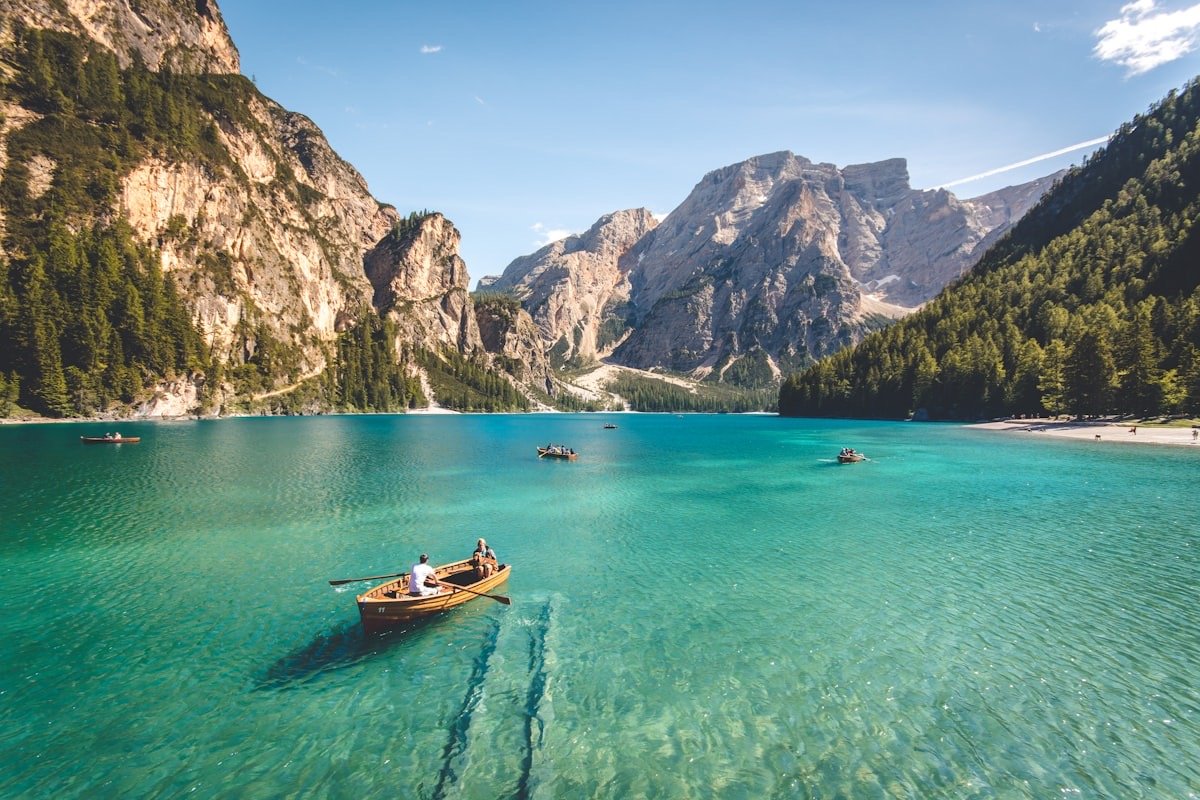 Kanas Lake turquoise water and forest – Xinjiang budget travel highlights”>
Daily Budget Ranges (Per Person)
💰 Shoestring / Backpacker: ¥250–400 per day
This is the minimum viable budget. You’ll stay in hostel dorms (¥60–100/night), eat at local Uyghur joints (¥20–35 per meal), and rely entirely on public buses. Your pace will be slow — some days you’ll spend 6–8 hours on a bus — but you’ll meet locals and see the real Xinjiang.
What’s included: dorm beds, street food, local buses, basic entrance tickets. What’s not: Duku Highway sections (bus access is limited), Kanas Lake eco-bus inside the scenic area (¥100+), private transport of any kind.
🏨 Mid-Range Independent Traveler: ¥500–900 per day
This is the sweet spot for most DIY travelers. You’ll stay in clean budget hotels (¥150–280/night), eat proper restaurant meals (¥40–80 per meal), and mix buses with the occasional ride-share or short domestic flight to skip the longest road sections.
You can comfortably cover a 7-day Xinjiang route or a 14-day ring road trip on this budget without feeling rushed.
🚗 Comfortable Self-Drive / Small Group: ¥1,200–2,500 per day
Renting a car (¥300–600/day) plus fuel, tolls, and mid-range hotels puts you in this bracket. The freedom to stop at Sayram Lake at sunrise and reach Kashgar without a 10-hour bus ride is worth it for many travelers. Self-drive in Xinjiang is the best way to see the region if you have a valid Chinese driving license.
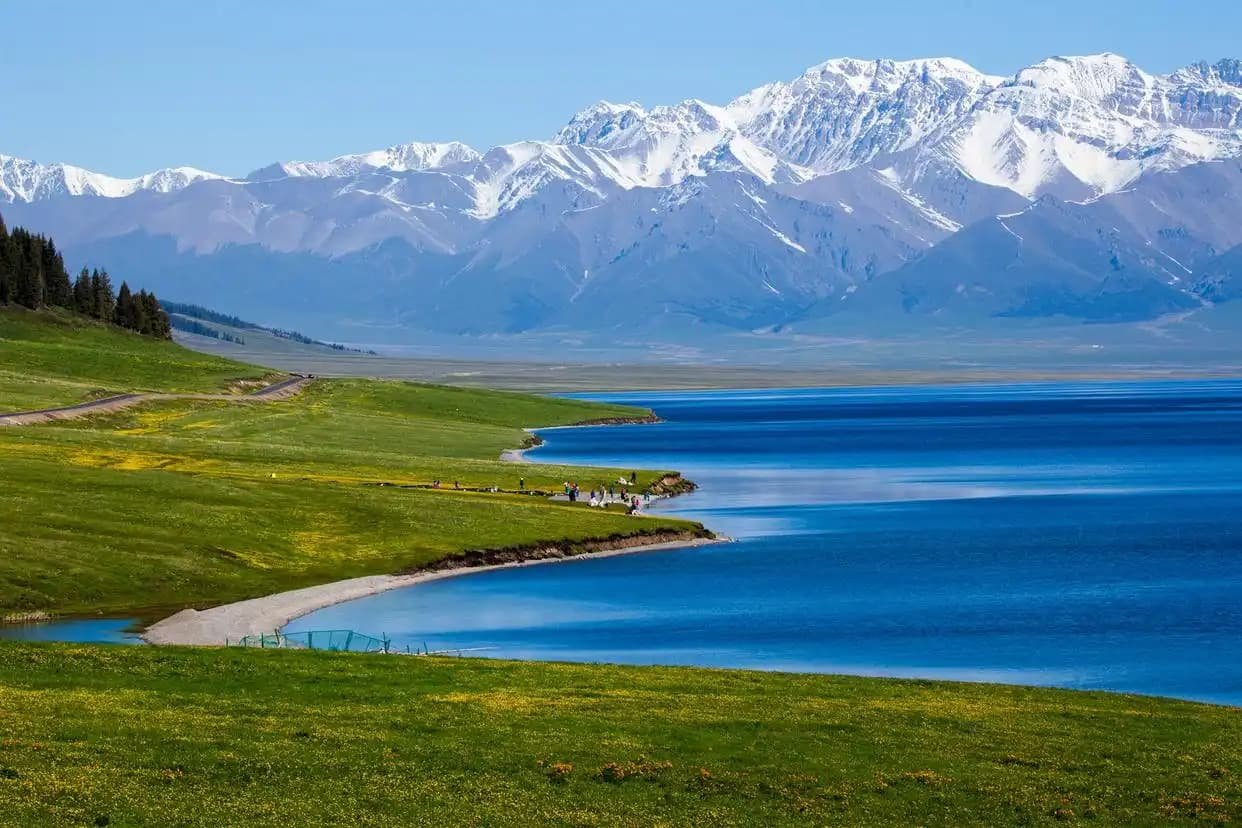 Sayram Lake alpine scenery – budget travel planning Xinjiang 2026″>
Sample 10-Day Budget Breakdown (2026 Prices)
This is a realistic mid-range budget for one person traveling the classic northern Xinjiang loop (Urumqi → Burqin → Kanas → Hemu → Koktokay → Urumqi):
| Item | Cost (¥) | Notes |
|---|---|---|
| Flight: inbound to Urumqi | 1,200–2,800 | Depends on origin; book 30+ days ahead |
| Urumqi accommodation (2 nights) | 300 | Budget hotel, shared bathroom OK |
| Urumqi → Burqin bus | 180 | 8 hours, scenic route |
| Burqin accommodation (2 nights) | 320 | Guesthouse near the river |
| Burqin → Kanas shuttle + entrance | 230 | Must take official eco-bus |
| Kanas Village accommodation (2 nights) | 560 | Wooden guesthouse, July peak |
| Kanas / Hemu meals (4 days) | 480 | ¥40 x 3 meals x 4 days |
| Hemu Village entry + shuttle | 150 | Includes round-trip shuttle |
| Koktokay entrance + shuttle | 126 | Koktokay Geopark — granite canyon scenery |
| Local transport (buses, shuttles) | 400 | Within scenic areas |
| Incidentals & snacks | 500 | Fruit, water, souvenirs |
| Total (excl. inbound flight) | ¥3,846 | ~US$530 for 10 days |
Bottom line: A solid 10-day northern Xinjiang trip costs about ¥4,000–5,000 per person (US$550–700) excluding Flights to Xinjiang. Add ¥1,500–3,000 if you extend to southern Xinjiang (Turpan, Yarkand, Pamir Plateau).
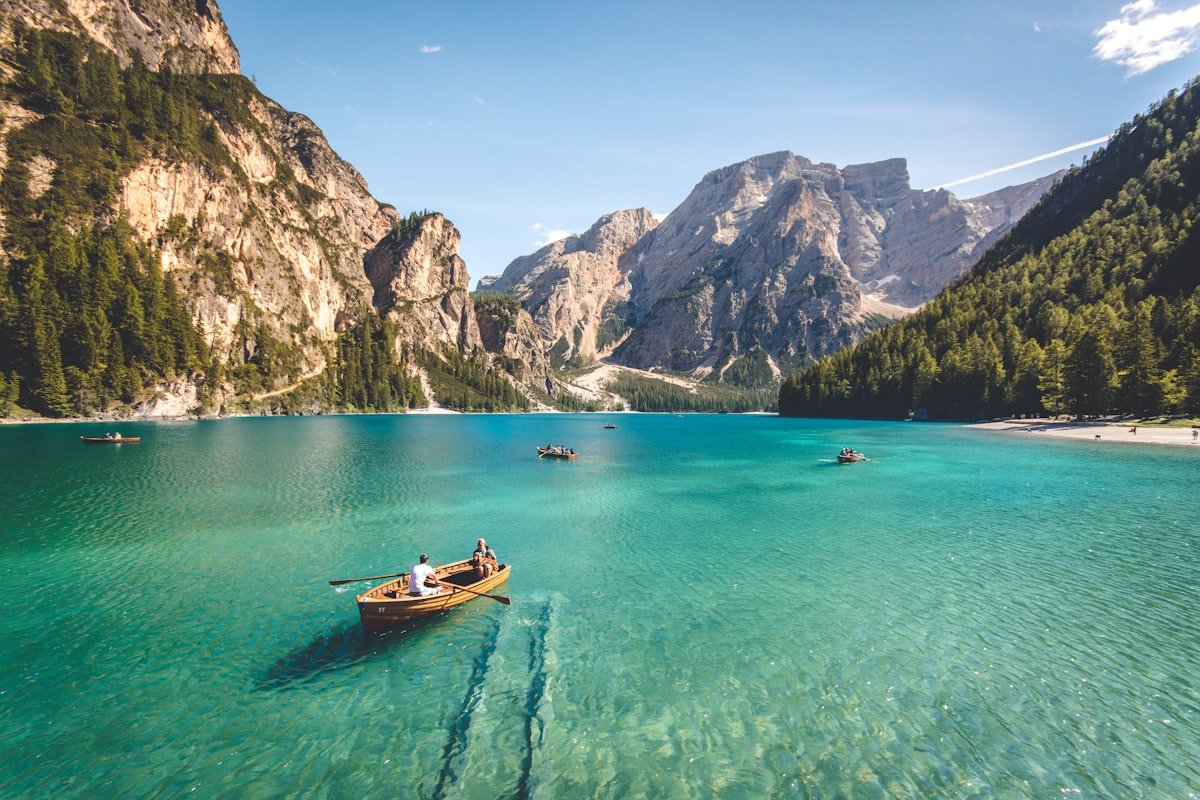 Grape Valley – budget food and accommodation in Xinjiang”>
Where Your Money Goes (and How to Save)
🏨 Accommodation
In major cities (Urumqi, Yining, Kashgar), budget hotels range ¥120–250/night. In scenic areas (Kanas Village, Hemu, Bayanbulak), prices triple in July–August — expect ¥280–500 for a basic room. Money-saving tip: stay in the nearest town outside the scenic area and take the first shuttle bus in each morning. For Kanas, stay in Burqin (¥160/night) instead of inside the park.
🍜 Food
Xinjiang is a fantastic region for eating well on a budget. A plate of laghman noodles costs ¥18–28. A fresh naan bread is ¥3–8. Milk tea is ¥5–10. Sit-down Uyghur restaurants in city centers charge ¥40–70 per dish, but hole-in-the-wall spots near bus stations and markets are half the price. Night markets are the best value for trying many dishes in one evening.
🚌 Transport — The Big Budget Variable
This is where Xinjiang trips get expensive. The region is massive. Urumqi to Kashgar is 1,500 km — a direct bus takes 20 hours and costs ¥280; a one-hour flight costs ¥600–1,200. Within scenic areas, you must use official shuttles (no private cars allowed inside Kanas, Bayanbulak, or Sayram Lake parks). These shuttles cost ¥100–230 per area and are non-negotiable.
Money-saving tip: travel in shoulder season (May or September). Flights drop by 30–50%, hotels inside parks drop by ¥100–200/night, and shuttles are less crowded.
🎫 Entrance Fees
Xinjiang’s entrance fees are among the highest in China. Kanas (entrance + shuttle): ¥230. Sayram Lake: ¥145. Bayanbulak: ¥190. Koktokay: ¥126. If you visit 6–8 major scenic areas, budget ¥1,200–1,800 just for tickets. Student discounts (50% off) apply at most sites with an ISIC or Chinese student ID.
Money-Saving Strategies That Actually Work
- Book flights 30–45 days ahead. Urumqi is a hub; sales on routes like Beijing–Urumqi, Shanghai–Urumqi, Guangzhou–Urumqi appear regularly. Set alerts on Trip.com or Qunar.
- Travel in May or September. Best time to visit Xinjiang is June–August for weather, but May and September offer 70% of the scenery at 50% of the cost.
- Skip the middleman on car rental. Use local car rental agencies in Urumqi rather than international platforms. A Chinese-language SUV rental is ¥300–450/day; an English-speaking driver-guide is ¥800–1,200/day.
- Stock up on fruit and snacks. Xinjiang’s Hami melons, grapes, and apples are legendary and cheap at local bazaars — ¥3–8 per kilo in season. This saves money on roadside meals.
- Stay in hostels that arrange carpooling. Many hostels in Urumqi and Yining organize shared 7-seater rides to scenic areas. Splitting a ¥1,200 round-trip to Kanas between 6 people (¥200 each) is far cheaper than a private charter.
Budget by Season (2026)
Peak season (July–August): Add 40–60% to all accommodation costs. Flights to Urumqi from major cities cost ¥1,500–3,000 round-trip. This is when getting to Kanas is most expensive — shuttle buses inside the park run frequently but accommodation inside the park sells out at premium prices.
Shoulder season (May–June, September–October): The best value period. Weather is still good, crowds thin out, and lavender fields in June or autumn colors in September are spectacular.
Winter (November–March): Deep discounts — hotels drop to ¥80–150/night, flights to ¥400–800 round-trip. But many scenic areas (Kanas, Hemu) are only accessible via expensive private transfer or closed entirely. Ski itineraries are the exception — this is prime season for Altai powder snow.
Sample Budgets for Different Itineraries
5-day Urumqi + Turpan loop (budget): ¥1,800–2,500 excluding flights. Focus on Xinjiang Regional Museum, Turpan’s Jiaohe ruins, and Grape Valley. Public buses connect all points.
10-day Northern Xinjiang (mid-range): ¥4,500–6,500 excluding flights. Covers Urumqi, Burqin, Kanas, Hemu, Koktokay. Mix of buses and one internal flight back to Urumqi.
14-day Northern + Southern Xinjiang (mid-range): ¥7,500–10,500 excluding flights. Adds Duku Highway drive, Bayanbulak, and Kashgar. Requires one flight (Kashgar → Urumqi) to close the loop efficiently.
14-day self-drive ring road (comfortable): ¥15,000–22,000 for two people sharing a car. The most flexible option — classic Xinjiang travel routes become accessible on your own schedule.
Final Thoughts
Xinjiang is not a budget destination in the way that, say, Southeast Asia is. But it’s also not as expensive as many travelers fear. With ¥4,000–6,000 (US$550–800) you can have a genuinely memorable 10-day trip staying in decent hotels, eating well, and seeing the highlights. The key is realistic planning: know the distances, book accommodation ahead in peak season, and don’t try to cover the entire region in one trip.
If you’re planning your first independent trip to Xinjiang and want help choosing between routes, feel free to explore our classic Xinjiang travel routes guide to match your budget and available time.
Practical Information for Visiting Xinjiang budget travel
Before you set off, a few practical notes that make a real difference on the ground in Xinjiang. Distances are vast and timing matters more than almost anywhere else in China, so build buffer days into your itinerary and confirm opening times and road conditions close to your travel date.
Best Time to Go
Most of Xinjiang’s headline destinations are best from May to October. High-altitude lakes and northern grasslands peak in June–September, while desert and southern routes are most comfortable in spring and autumn to avoid summer heat. Winter is spectacular for snow scenery but brings closed mountain passes.
Getting Around
Self-drive remains the most flexible way to cover Xinjiang’s spread-out sights, but inter-city buses, trains to major hubs (Ürümqi, Kashgar, Yining, Turpan), and domestic flights fill the gaps. Check the latest Xinjiang travel tips before booking, as schedules shift seasonally.
What to Pack
Strong sun, dry air, and big day-to-night temperature swings are the norm. Bring high-SPF sunscreen, lip balm, a refillable water bottle, layered clothing, and a power bank. Carry some cash for remote stops where mobile payment is spotty.
Respect & Readiness
Signal can be weak outside towns—download offline maps, share your route with someone, and keep your passport handy for the occasional ID check. A little preparation turns a long drive into the trip of a lifetime.