
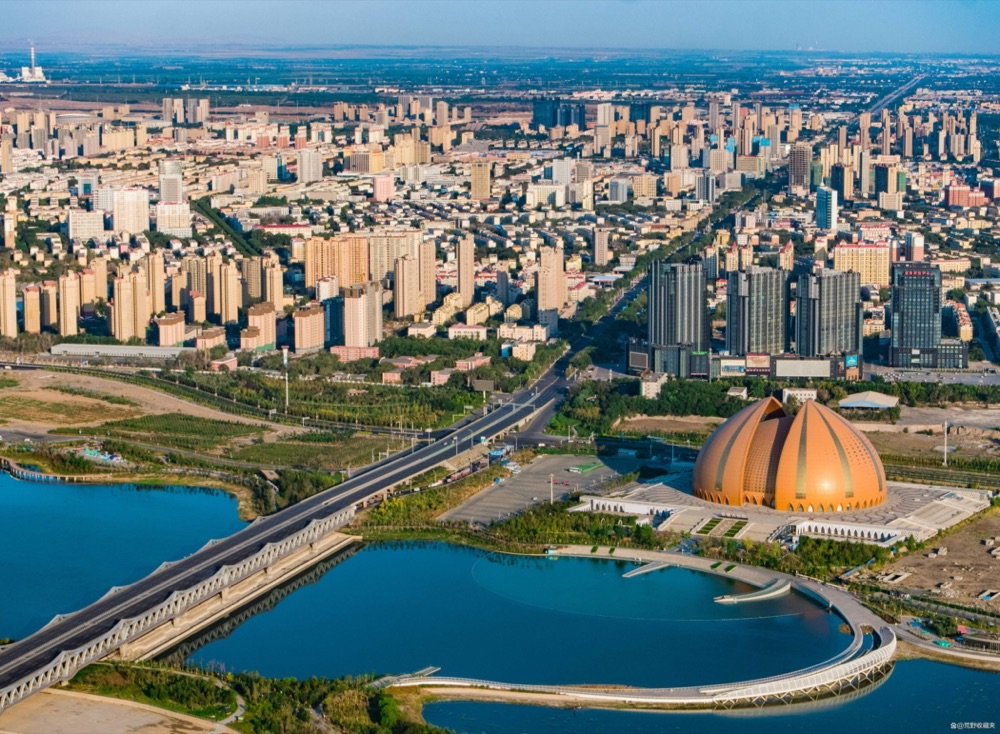
Xinjiang Travel Safety Update: What You Need to Know
Introduction: Understanding Safety in Xinjiang
For our complete Xinjiang Travel Guide, see our dedicated Xinjiang Travel Guide with practical details on safety, costs, and planning.
Safety is a top concern for any traveler, and for those planning to visit China’s largest and most geographically diverse province, understanding the current safety landscape is essential for a smooth, enjoyable trip. This comprehensive guide provides the latest safety information for Xinjiang as of 2026, covering everything from general crime rates and political stability to health considerations, road safety, and practical tips for avoiding trouble. Whether you’re a solo female traveler, a family with children, or an adventure seeker planning to explore remote areas, this guide will help you assess risks and take appropriate precautions for your Xinjiang free independent travel adventure.
Let’s start with the big picture: Xinjiang is generally very safe for tourists. The region has a strong police presence (you’ll see checkpoints, police stations, and patrol officers in every city and at major tourist attractions), crime rates against tourists are low, and the local population is, by and large, welcoming and hospitable to foreign visitors. However, like any travel destination, there are risks and challenges that travelers should be aware of and prepared for. This guide covers them all, with practical, actionable advice based on the latest information available in 2026.
Current Safety Overview: What the Data and Travelers Say
General Crime and Personal Security
Xinjiang has a notably low crime rate when it comes to crimes against tourists. Violent crime is extremely rare, and petty crime like pickpocketing or bag-snatching (which can be issues in other parts of China like Beijing or Shanghai) is uncommon in Xinjiang, especially in smaller cities and rural areas. The strong police presence acts as an effective deterrent, and tourists frequently report feeling safe walking alone at night in cities like Urumqi and Kashgar.
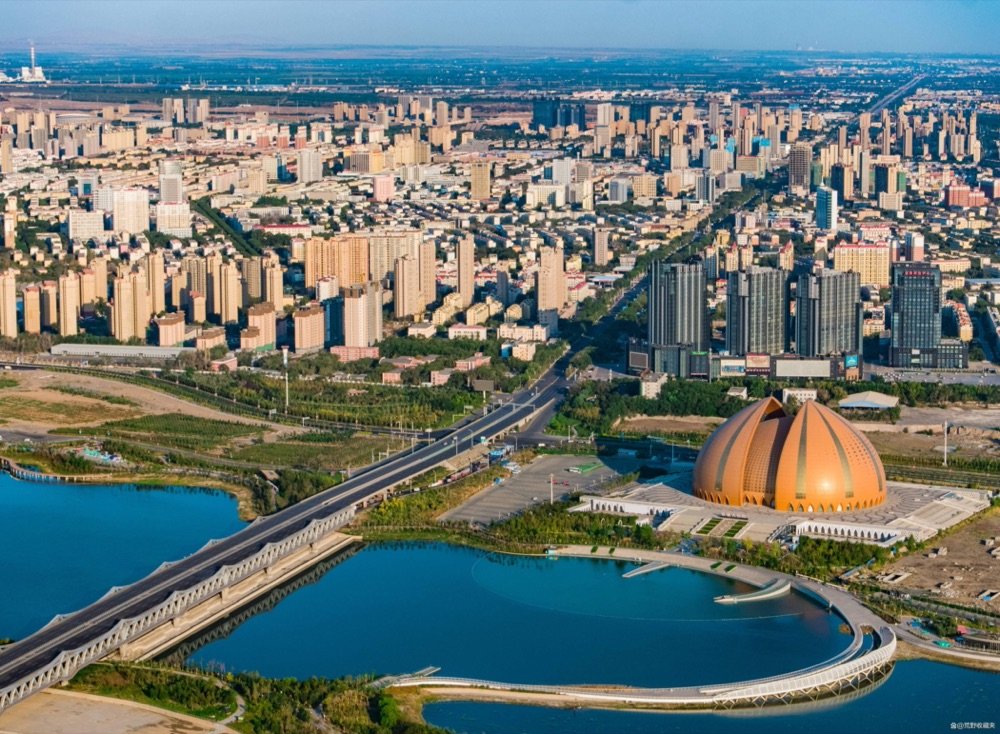
That said, basic precautions are still advisable: keep valuables secure and out of sight, be cautious in crowded places (like bazaars and bus stations) where pickpockets might operate, and avoid confrontations (which are rare but can escalate quickly due to language barriers). For China Xinjiang DIY travel enthusiasts, the general rule is: use the same common sense you would in any unfamiliar city, and you’ll likely have a trouble-free experience.
Political Stability and Security Measures
Xinjiang has undergone significant security enhancements over the past decade. While these measures were implemented for specific reasons, their practical effect for tourists is a highly secure environment. You can expect to encounter security checkpoints when entering cities, tourist attractions, and some public buildings. These checkpoints involve ID checks (have your passport ready), vehicle inspections, and sometimes luggage scanning.
For most travelers, these procedures are minor inconveniences that add 5-15 minutes to your journey. They are a normal part of life in Xinjiang and shouldn’t cause concern. In fact, many travelers report feeling safer knowing that security is taken seriously. Just cooperate politely with security personnel, have your documents easily accessible, and you’ll move through checkpoints smoothly.
Health and Medical Safety in Xinjiang
Altitude Sickness: A Real Risk in Mountainous Areas
Many of Xinjiang’s most spectacular attractions are at high altitude (over 3,000 meters / 9,800 feet above sea level). These include: Karakul Lake (about 3,600m), Taxkorgan County (about 3,100m), the areas around Muztagh Ata mountain, and parts of the Karakoram Highway. Altitude sickness (Acute Mountain Sickness, or AMS) can affect anyone, regardless of age or fitness level, and symptoms include headache, nausea, dizziness, and fatigue.
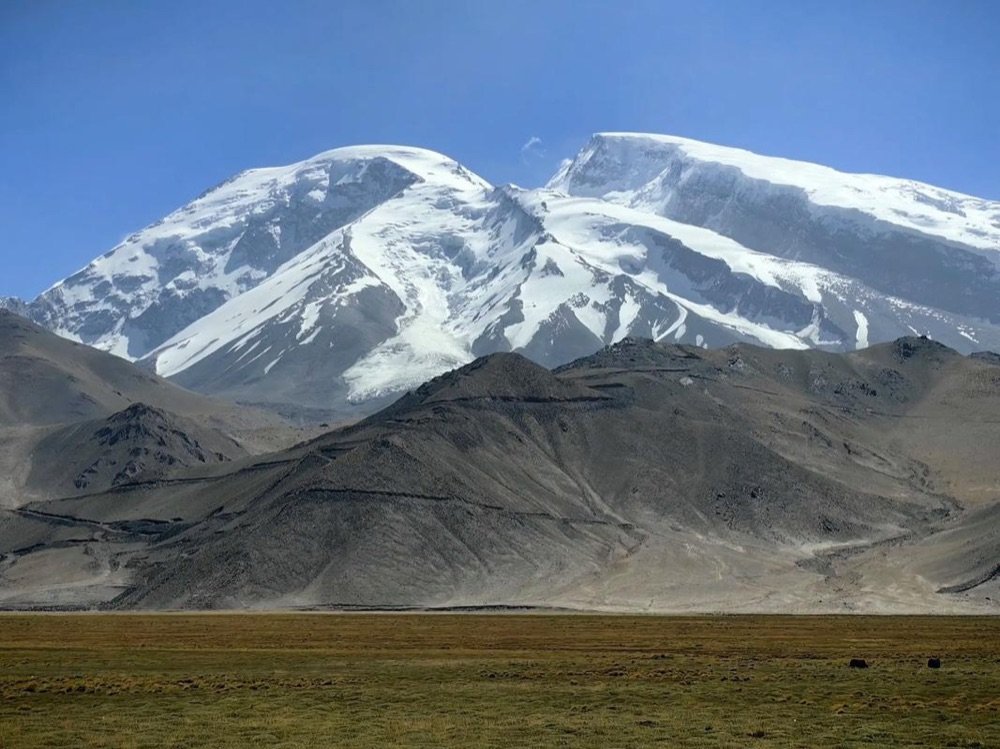
To minimize risk: acclimatize gradually (spend a night or two at moderate altitude before going higher), stay hydrated, avoid alcohol for the first few days at altitude, and consider consulting your doctor about medication (like acetazolamide) before traveling. If you develop severe symptoms (persistent vomiting, confusion, difficulty walking), descend immediately to lower elevation and seek medical attention. For solo travel services in Xinjiang, it’s wise to share your itinerary with someone and check in regularly when traveling to remote, high-altitude areas.
Food and Water Safety
For foreign travelers, food and water safety is a common concern. Here are the key points:
- Drinking water: Tap water in Xinjiang is generally not safe for foreigners to drink directly. Stick to bottled water (widely available in cities and towns) or use a portable water filter/purifier if you’re traveling to remote areas.
- Food hygiene: Eat at busy restaurants (high turnover means fresher ingredients), avoid raw or undercooked meat, peel fruits yourself, and be cautious with street food in very hot weather (food can spoil quickly).
- Dairy products: Xinjiang has excellent dairy, but if you’re not used to it, introduce it gradually to avoid stomach upset.
The good news is that most restaurants in Xinjiang are Halal, which means high standards of cleanliness in food preparation (Islamic dietary laws require meticulous hygiene). For travelers following Xinjiang travel guide for independent explorers, this provides an extra layer of food safety assurance.
Medical Facilities and Emergency Care
Medical facilities in Xinjiang vary significantly by location. Urumqi has excellent hospitals (like the First Affiliated Hospital of Xinjiang Medical University) with English-speaking staff and modern equipment. Major cities like Kashgar, Yining, and Aksu also have decent medical facilities. However, in rural areas and small towns, medical care may be basic, and English-speaking doctors can be hard to find.
Recommendations:
- Travel with comprehensive travel insurance that covers medical evacuation (important given the distances involved in Xinjiang).
- Carry a basic first-aid kit with medications you commonly use (bring extra if you’re on prescription medication, as your specific medication might not be available in Xinjiang).
- Know the location of the nearest hospital at each stop on your itinerary.
- Consider downloading a translation app (like Google Translate offline or Pleco) to help communicate with medical staff if needed.
Road Safety and Transportation Risks
Driving in Xinjiang: Challenges and Precautions
Xinjiang’s roads have improved dramatically in recent years, with modern highways connecting major cities and tourist destinations. However, driving in Xinjiang (whether you’re behind the wheel or a passenger) has unique challenges:
- Extreme distances: It’s not uncommon to drive 500-800 kilometers in a day when traveling between attractions. Driver fatigue is a real risk.
- Weather conditions: Sudden sandstorms (in desert areas), heavy snowfall (in mountain passes), and flash floods (in summer) can make driving hazardous. Check weather forecasts regularly.
- Mountain roads: Roads in mountainous areas (like the Duku Highway) have steep drop-offs, narrow lanes, and switchbacks. If you’re prone to motion sickness, bring medication.
- Fuel availability: In remote areas, gas stations can be far apart. Always fill up when you have the chance, and carry extra fuel if traveling in very remote areas (with proper safety precautions).
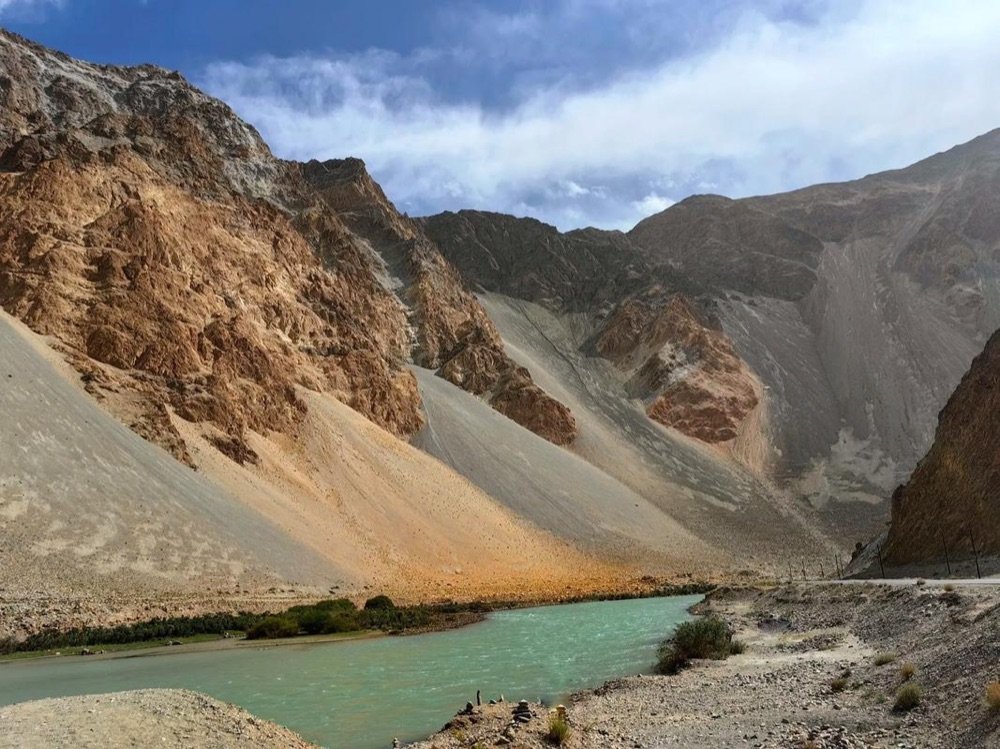
For DIY Xinjiang travel budget travelers, consider hiring a local driver rather than driving yourself. Local drivers know the roads, weather patterns, and checkpoints, and their services are very affordable (typically 600-1,200 CNY per day including the car).
Public Transportation Safety
Trains and long-distance buses in Xinjiang are generally very safe. The high-speed rail network has excellent safety records, and buses (while taking longer) are driven by experienced drivers familiar with the routes. The main risk with public transportation is petty theft (keep an eye on your belongings, especially at busy stations) and, on long bus journeys, discomfort from poorly maintained roads (motion sickness medication can help).
Cultural Sensitivity and Avoiding Offense
Xinjiang is culturally distinct from other parts of China, with a predominantly Muslim population (Uyghur, Kazakh, Kyrgyz, and Hui people). Respecting local customs is not just polite – it’s essential for your safety and the quality of your experience. Here are key cultural do’s and don’ts:
- DO dress modestly, especially when visiting religious sites or rural areas. Women should cover shoulders and knees; men should avoid going shirtless.
- DO ask permission before taking photos of people, especially women and religious figures. Some people may decline, and that should be respected.
- DO learn a few basic phrases in Uyghur or Mandarin. Locals appreciate the effort, and it can help in situations where English isn’t spoken.
- DON’T discuss sensitive political topics. This applies everywhere in China but is particularly important in Xinjiang.
- DON’T bring pork or pork-containing products into Halal restaurants or areas with strong religious observance.
- DON’T visit mosques during prayer times unless you’re there to pray (and even then, modest dress is required).
Emergency Contacts and Useful Numbers
Here are important phone numbers to have handy while traveling in Xinjiang:
- Police: 110 (English-speaking operators may not always be available; have your hotel’s address and phone number written in Chinese to show police if needed)
- Fire: 119
- Ambulance: 120
- Your country’s embassy or consulate in China: Look up the number before you travel and save it in your phone.
Conclusion: Stay Informed, Stay Prepared, Stay Safe
Xinjiang is a remarkably safe destination for travelers who take basic precautions and stay informed about local conditions. The region’s strong security measures, low crime rates, and hospitable local population create an environment where you can focus on enjoying the breathtaking landscapes, rich cultures, and incredible food without constant safety worries.
Do your research before you go, pack appropriately for the environments you’ll encounter (especially altitude and weather extremes), respect local customs, and keep important contact numbers handy. And remember – millions of tourists visit Xinjiang every year and have safe, memorable experiences. With proper preparation and a respectful attitude, you will too. For more Xinjiang travel safety updates and tips, keep checking our website as we continuously update our information based on the latest developments in this dynamic region.