
Xinjiang 7-Day Itinerary: The Perfect First-Timer’s Route (2026)
Last updated: June 2026. Seven days isn’t enough to see all of Xinjiang—the province is one-sixth of China’s landmass, and distances are measured in half-days, not hours. But with a tight, well-designed route, you can experience the absolute essentials: a world-class alpine lake, a fairytale wooden village, and one of the world’s most dramatic mountain roads.
Why 7 Days Is the Minimum for Xinjiang
Xinjiang independent travel requires a minimum commitment. With fewer than 7 days, you’ll spend more time in transit than actually seeing anything. With exactly 7 days, you can do a focused Northern Xinjiang loop that hits the three most iconic destinations without rushing: Sayram Lake, Kanas, and the Duku Highway.
This itinerary is designed for solo travelers, couples, and small groups who want the highlights without the 14-day commitment. It assumes you fly into Urumqi, rent a car or hire a driver, and move efficiently.

7-Day Xinjiang Itinerary at a Glance
| Day | Route | Sleep |
|---|---|---|
| 1 | Arrive Urumqi, International Grand Bazaar | Urumqi |
| 2 | Urumqi → Tianchi → Fukang | Fukang |
| 3 | Fukang → Burqin (via Koktokay) | Burqin |
| 4 | Burqin → Kanas Lake (full day) | Kanas Village |
| 5 | Kanas → Hemu Village | Hemu |
| 6 | Hemu → World Devil City → Kuytun | Kuytun |
| 7 | Kuytun → Sayram Lake → Urumqi | Urumqi (fly out) |
Day-by-Day: What You’ll Actually Experience
Day 1 — Land in Urumqi, Acclimatize
Fly into Urumqi Diwopu International Airport. Pick up your rental or meet your driver. Afternoon: Xinjiang Regional Museum (Tarim mummies, 1-2 hours). Evening: International Grand Bazaar for lamb skewers and spiced naan. Sleep: Urumqi.
Day 2 — Tianchi (Heavenly Lake) → Fukang
Drive 70 km east to Heavenly Lake (Tianchi). Shuttle bus to 1,910 m. Walk the northern shore boardwalk. The reflection of Bogda Peak in the turquoise water is the postcard image of Xinjiang. Sleep: Fukang.
Day 3 — Fukang → Koktokay → Burqin
Early start north toward Altai. Stop at Koktokay (Keketuohai) National Geopark—dramatic granite canyons. Afternoon: reach Burqin, a storybook town on the Irtysh River. Sunset at Wujiatong (Five-house) Rainbow Beach. Sleep: Burqin.
Day 4 — Burqin → Kanas Lake (Full Day)
Enter Kanas Nature Reserve. Park shuttle to Three Bays: Moon Bay → Guanyu Bay → Shenxian Bay (famous morning mist; arrive before 8:00 AM). Afternoon: hike to Fish-Watching Terrace (观鱼台)—1,060 steps, panoramic lake view. Sleep: Kanas Village (book 1–2 months ahead for September).
Day 5 — Kanas → Hemu Village
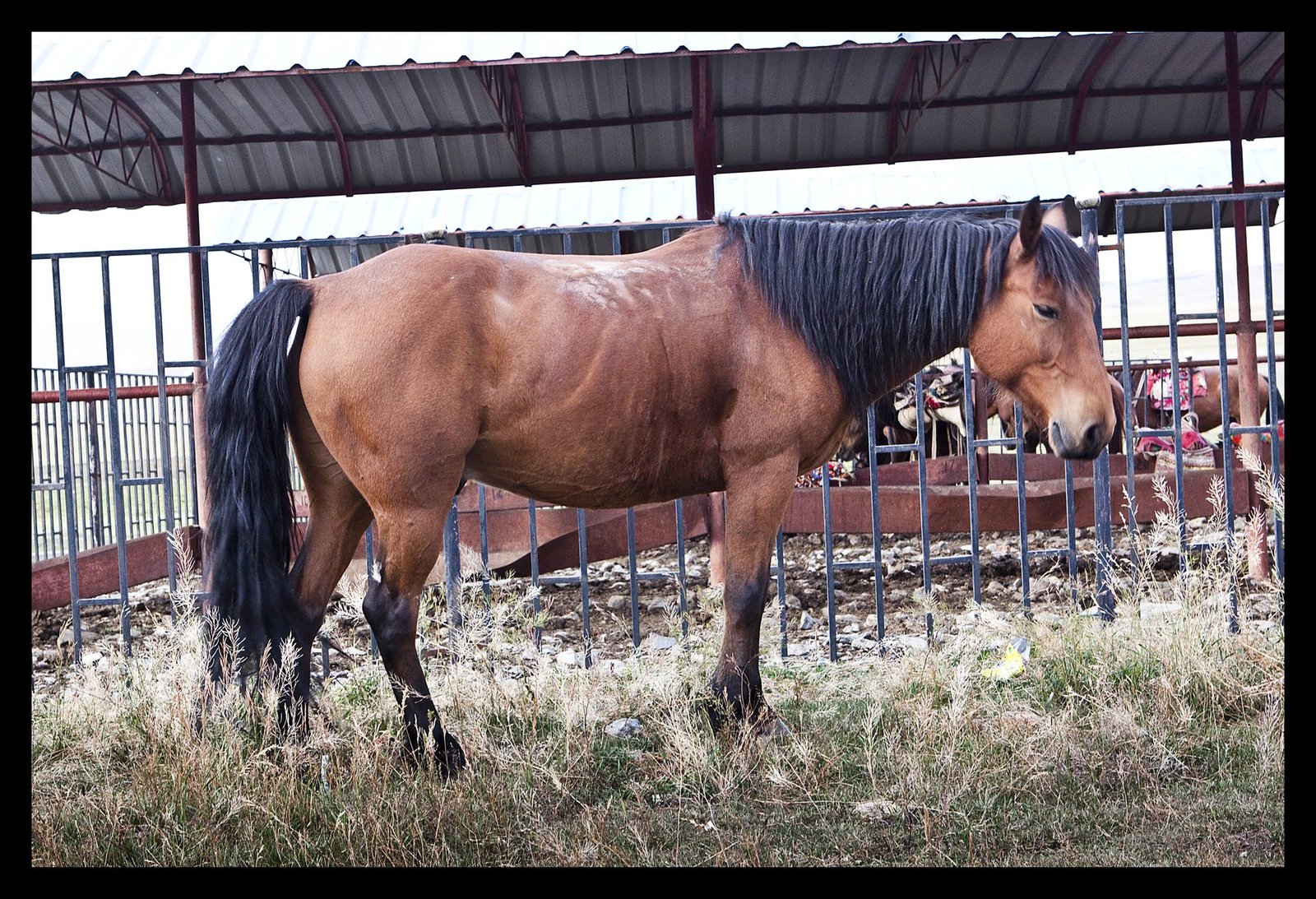
Morning shuttle to Hemu Village (70 km east). Wooden cabins, birch forest, and the iconic morning mist over cabins. Hike to Haden Platform for the classic view (alarm at 5:30 AM). Rent a horse for a 2-hour forest ride if budget allows. Sleep: Hemu (wooden guesthouse; bring earplugs).
Day 6 — Hemu → World Devil City → Kuytun
Leave the mountains. Drive south across Junggar Basin. Stop at World Devil City (Wuerhe Yadan)—wind-carved sandstone castles that glow rust-red at sunset. Sleep: Kuytun or Karamay.
Day 7 — Kuytun → Sayram Lake → Urumqi
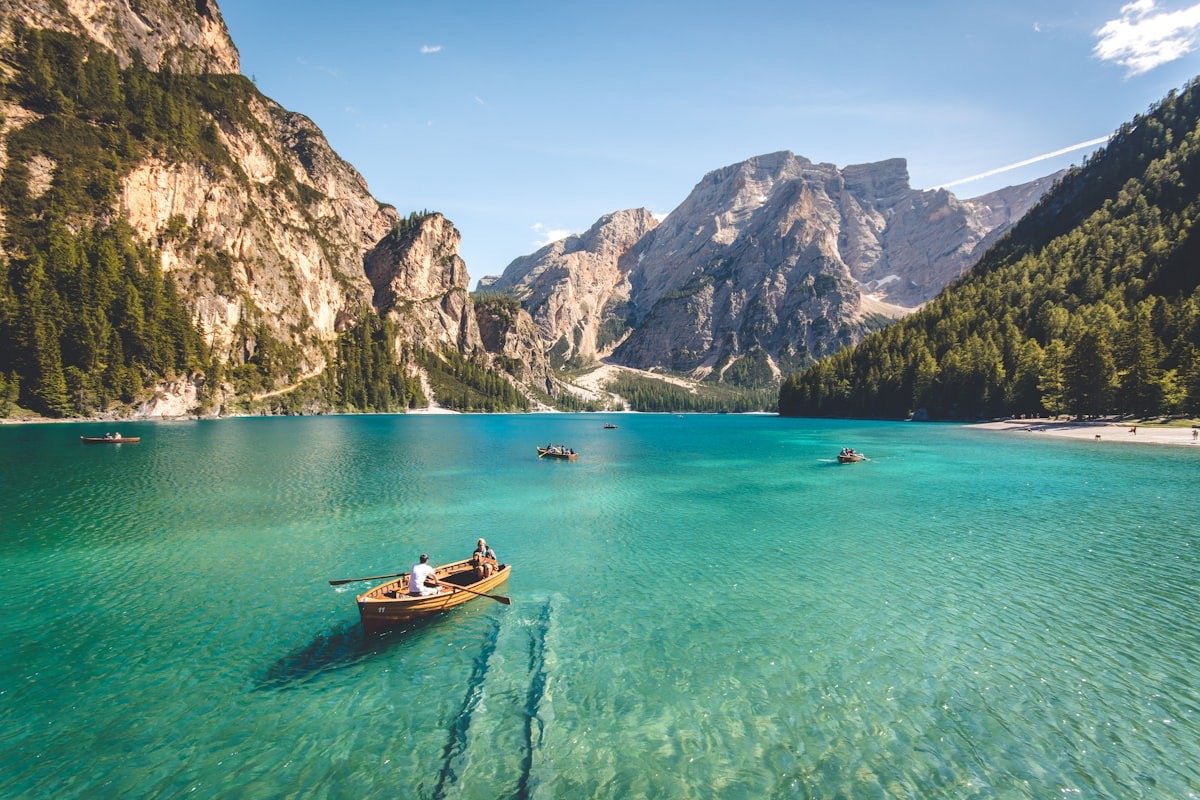
The grand finale: Sayram Lake—the “Atlantic’s last teardrop.” Drive the lake-ring road (90 km, fully paved). Stop at Huoguosi (Fruit Valley) Bridge viewpoint. Afternoon: drive back to Urumqi (5 hours). Evening flight out, or sleep in Urumqi and fly out tomorrow.
Budget Snapshot (Per Person, 7 Days)
| Item | Economy (CNY) | Comfort (CNY) |
|---|---|---|
| Transport (car+gas) | 2,000–3,000 | 5,000–7,000 |
| Accommodation (6 nights) | 1,200–2,000 | 3,000–5,000 |
| Park fees | 800–1,000 | 1,200–1,500 |
| Food | 700–1,000 | 1,500–2,500 |
| Total (excl. flights) | 4,700–7,000 | 10,700–16,000 |
What You’ll Miss (and How to Add It)
With only 7 days, you’re skipping Southern Xinjiang (Kashgar, Taxkorgan, Taklamakan Desert). If you have even 2 more days, extend to the 14-day ring road that includes the Duku Highway and Kashgar. It’s worth the extra time.
Essential Tips for the 7-Day Route
- Best time: June–September (Duku Highway must be open; typically June 1–October 10).
- Transport: Hire a local driver with a 7-seat van. Foreign licenses aren’t valid; don’t try to self-drive.
- Accommodation: Book Kanas and Hemu 1–2 months ahead for July–September. Everything else can be booked 1 week ahead.
- Documents: Bring passport to every gas station (you’ll stop 5+ times). Border permit needed only if you go to White Sand Lake (not on this route).
- Altitude: Maximum 2,000 m on this route. No altitude sickness risk for most people.
Final Word
Seven days in Xinjiang is a whirlwind, but it’s enough to fall in love with the place. You’ll see a lake that glows unnatural blue, walk in a village where time moves at the speed of a grazing horse, and drive past sandstone castles that look like movie sets. It’s not enough time—but it’s a start. And once you’ve seen Kanas at sunrise, you’ll be planning your 14-day return trip before you even land back home.
Written by a traveler who did this exact 7-day route three times and still finds new viewpoints. If you have questions about any day of this itinerary, ask in the comments—I read every one.
Practical Information for Visiting Xinjiang 7-day itinerary
Before you set off, a few practical notes that make a real difference on the ground in Xinjiang. Distances are vast and timing matters more than almost anywhere else in China, so build buffer days into your itinerary and confirm opening times and road conditions close to your travel date.
Best Time to Go
Most of Xinjiang’s headline destinations are best from May to October. High-altitude lakes and northern grasslands peak in June–September, while desert and southern routes are most comfortable in spring and autumn to avoid summer heat. Winter is spectacular for snow scenery but brings closed mountain passes.
Getting Around
Self-drive remains the most flexible way to cover Xinjiang’s spread-out sights, but inter-city buses, trains to major hubs (Ürümqi, Kashgar, Yining, Turpan), and domestic flights fill the gaps. Check the latest Xinjiang travel tips before booking, as schedules shift seasonally.
What to Pack
Strong sun, dry air, and big day-to-night temperature swings are the norm. Bring high-SPF sunscreen, lip balm, a refillable water bottle, layered clothing, and a power bank. Carry some cash for remote stops where mobile payment is spotty.
Respect & Readiness
Signal can be weak outside towns—download offline maps, share your route with someone, and keep your passport handy for the occasional ID check. A little preparation turns a long drive into the trip of a lifetime.
Practical Information for Visiting Xinjiang 7-day itinerary
Before you set off, a few practical notes that make a real difference on the ground in Xinjiang. Distances are vast and timing matters more than almost anywhere else in China, so build buffer days into your itinerary and confirm opening times and road conditions close to your travel date.
Best Time to Go
Most of Xinjiang’s headline destinations are best from May to October. High-altitude lakes and northern grasslands peak in June–September, while desert and southern routes are most comfortable in spring and autumn to avoid summer heat. Winter is spectacular for snow scenery but brings closed mountain passes.
Getting Around
Self-drive remains the most flexible way to cover Xinjiang’s spread-out sights, but inter-city buses, trains to major hubs (Ürümqi, Kashgar, Yining, Turpan), and domestic flights fill the gaps. Check the latest Xinjiang travel tips before booking, as schedules shift seasonally.
What to Pack
Strong sun, dry air, and big day-to-night temperature swings are the norm. Bring high-SPF sunscreen, lip balm, a refillable water bottle, layered clothing, and a power bank. Carry some cash for remote stops where mobile payment is spotty.
Respect & Readiness
Signal can be weak outside towns—download offline maps, share your route with someone, and keep your passport handy for the occasional ID check. A little preparation turns a long drive into the trip of a lifetime.