
Where to Stay in Xinjiang: Accommodation Guide
Introduction: Finding Your Perfect Base in Xinjiang
 Xinjiang accommodation guide – 喀纳斯.jpg” width=”800″ height=”500″ />
Planning your accommodation is one of the most important aspects of any successful trip to Xinjiang. As China’s largest province – spanning 1.6 million square kilometers, an area larger than Iran and roughly the size of Alaska – Xinjiang offers an incredible range of lodging options to suit every budget, travel style, and preference. Whether you’re a luxury-seeking traveler who wants five-star comfort after a long day of sightseeing, a budget backpacker looking for a clean bed and friendly atmosphere, or an adventure seeker hoping to sleep under the stars on the vast grasslands, this comprehensive guide will help you find the perfect place to rest your head during your Xinjiang free independent travel adventure.
The accommodation landscape in Xinjiang has undergone a dramatic transformation in recent years. Following the global COVID-19 pandemic, the region has invested heavily in tourism infrastructure, resulting in significantly improved hotel standards, better online booking systems, more diverse options for international travelers, and enhanced training for hospitality staff. What was once a region with limited accommodation choices outside major cities has blossomed into a destination where travelers can find comfortable, high-quality lodging in even relatively remote areas. This guide covers everything you need to know about China Xinjiang DIY travel accommodation, from luxury international hotels to authentic local stays that will give you a genuine taste of life in this remarkable region.
Urumqi: The Gateway to Xinjiang – Accommodation for Every Budget
As the capital and largest city of Xinjiang, Urumqi serves as the primary gateway for most travelers entering the region. Whether you’re arriving by air (from major Chinese cities or international destinations like Almaty, Kazakhstan), by rail (on the high-speed train from Lanzhou), or by road, you’ll likely spend at least a night or two in Urumqi. The city offers the widest range of accommodation options in Xinjiang, from internationally branded luxury hotels to budget-friendly hostels that cater to backpackers and independent travelers.
Mid-Range Hotels ($$) – Comfort Without Breaking the Bank
For travelers seeking comfort and convenience without the premium price tag of luxury properties, Urumqi offers an excellent selection of mid-range hotels. Chain hotels like “Home Inn” (Rujia), “Hanting Hotel” (Hanting), and “GreenTree Inn” have multiple locations throughout the city, offering clean, reliable accommodation at reasonable prices. These hotels usually have English-speaking staff (at least at the front desk), free Wi-Fi throughout the property, convenient locations near transportation hubs or commercial areas, and consistent quality standards.
Price range: $40-80 USD per night. While these hotels lack the luxury amenities of five-star properties (you won’t find a spa or an executive lounge), they provide everything a traveler needs for a comfortable stay: clean and well-maintained beds with quality linens, hot showers with consistent water pressure, air conditioning and heating (essential given Urumqi’s extreme temperature variations), a simple but filling breakfast (usually included in the room rate), and a 24-hour front desk.
Independent boutique hotels are also emerging in Urumqi, offering more character than chain properties while maintaining reasonable prices. Look for hotels in the “Shuimogou District” for a quieter atmosphere or near “People’s Square” for easy access to shopping and dining.
Budget Hostels and Guesthouses ($) – Meeting Fellow Travelers
Backpackers, solo travelers, and budget-conscious explorers will find a welcoming community at Urumqi’s hostels and guesthouses. The “Urumqi International Youth Hostel” and similar establishments offer dormitory beds (typically 4-8 bed mixed or female-only dorms) as well as private rooms at very affordable rates. These places are fantastic for meeting fellow travelers, exchanging stories and tips, and getting insider recommendations on solo travel services in Xinjiang from both staff and other guests.
Price range: $10-30 USD per night for a dorm bed; $25-50 USD for a private room. Expect clean but basic facilities (don’t expect elevator access in older buildings), communal kitchens where you can prepare simple meals, common areas with sofas and sometimes a small library of travel guides, and friendly, helpful staff who are often travelers themselves and can provide invaluable local insights.
Many budget hostels in Urumqi also offer additional services that can enhance your trip: bicycle rentals (great for exploring the city), luggage storage (useful if you’re leaving for a multi-day trip and don’t want to carry everything), and tour booking services (they can often get you better rates than online platforms). The social atmosphere at these hostels makes them particularly appealing for solo travelers who want to connect with others.
Kashgar: Where Ancient Charm Meets Modern Comfort
Kashgar, located in the far southwest of Xinjiang near the border with Kyrgyzstan, Pakistan, and Afghanistan, is one of the most historically and culturally significant cities along the ancient Silk Road. The city’s Old Town (a UNESCO World Heritage candidate) is a maze of narrow alleys, traditional courtyard houses, ancient mosques, and bustling bazaars that has changed little over the centuries. Choosing the right accommodation in Kashgar can make or break your experience of this remarkable place.
Boutique Hotels in the Old Town – Sleeping in a Living Museum
In recent years, Kashgar’s Old Town has seen a renaissance in tourism-oriented businesses, with many traditional Uyghur courtyard houses thoughtfully converted into charming boutique hotels. Properties like “Seman Hotel” and “Kashgar Old Town Hotel” offer comfortable, well-appointed rooms that blend traditional Uyghur architectural elements (intricately carved wooden doors, colorful handwoven carpets, courtyard gardens with pomegranate trees) with modern amenities (en-suite bathrooms with hot showers, air conditioning, Wi-Fi).
Staying within the Old Town puts you in the very heart of the action – you can wander through the maze-like alleys right outside your door, visit ancient mosques like the Id Kah Mosque (the largest in China), sample local cuisine at family-run restaurants, and witness centuries-old traditions that continue to this day. For travelers following Xinjiang travel guide for independent explorers, this is unquestionably the most authentic and rewarding place to stay in Kashgar.
Price range: $50-120 USD per night. The experience of staying in a traditional courtyard house, enjoying breakfast in a garden filled with the scent of jasmine and the sound of birdsong, and watching the sun set over the Old Town’s flat-roofed houses from a rooftop terrace is truly priceless. Many boutique hotels in the Old Town also offer cultural activities for guests, such as Uyghur language lessons, traditional music performances, and cooking classes.
Unique Accommodation Experiences – Beyond Hotels
One of the most rewarding aspects of traveling in Xinjiang is the opportunity to stay in accommodation that offers a genuine connection to the region’s cultures, landscapes, and ways of life. These unique stays will not only provide a place to sleep but also create some of your most treasured travel memories.
Yurt Stays on the Grasslands – Live Like a Nomad
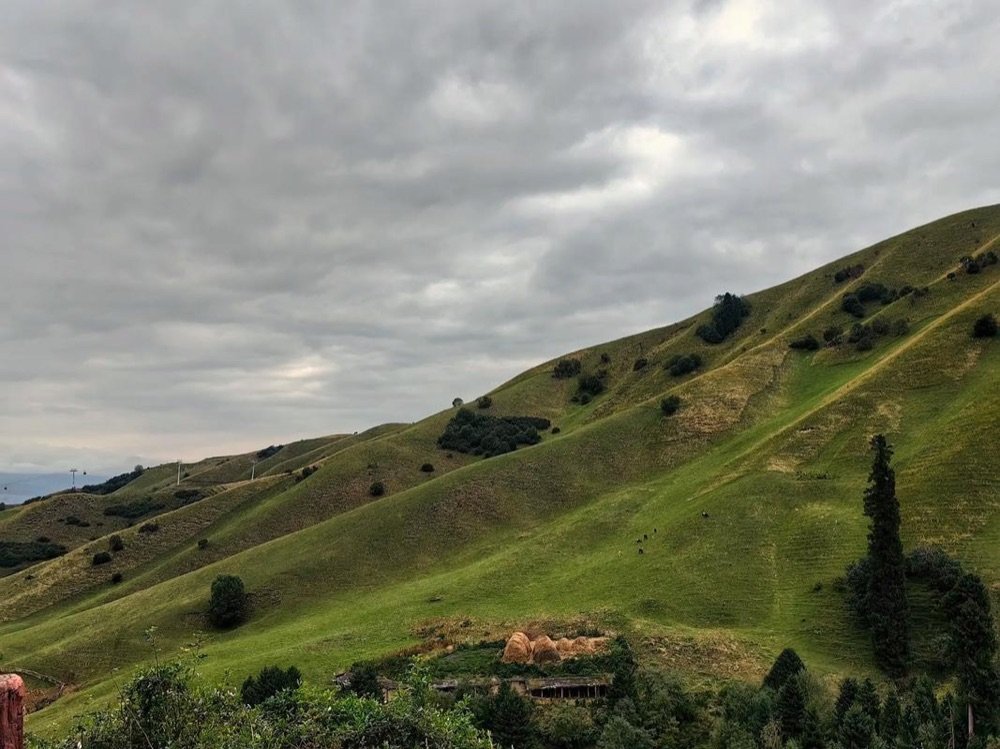
One of the most memorable and culturally immersive experiences available in Xinjiang is spending a night (or several) in a traditional yurt (known as a “ger” in Mongolian) on the vast grasslands. Areas around Nalati Grassland, Tianger Grassland, and Bayanbulak Wetland offer yurt stay opportunities where you can live like a nomadic family for a few days, participating in (or at least observing) daily activities like milking cows, making cheese, herding sheep, and preparing traditional meals.
What to expect: Yurts are surprisingly comfortable and well-adapted to the region’s extreme climate. They feature thick felt walls and ceiling that keep them warm in winter and cool in summer. You’ll typically sleep on flat wooden beds with thick mattresses, blankets, and sometimes even electric heating pads (for cold nights). Meals are usually shared with the host family – expect hearty noodle dishes, homemade dairy products (yogurt, cheese, milk tea), and maybe even freshly slaughtered lamb if you’re lucky and the family has the means.
For DIY Xinjiang travel budget travelers, yurt stays typically cost $15-40 USD per night, often including all meals. Some yurt camps also offer additional activities like horseback riding, hiking, and stargazing (the lack of light pollution on the grasslands makes for incredible night sky viewing). This is an experience that will stay with you long after you’ve returned home – the vastness of the grasslands, the warmth of the nomadic families, and the simplicity of life in a yurt are truly transformative.
Farm Stays in Rural Areas – Agriculture and Authenticity
For a truly immersive cultural experience that goes beyond sightseeing, consider a farm stay in one of Xinjiang’s many agricultural regions. Places around Turpan (famous for grapes and raisins), the Ili Valley (lavender, apples, and bee products), and the oases along the Tarim Basin (cotton, wheat, and melons) offer homestay opportunities where you can help with farming activities (depending on the season), learn to cook local dishes using fresh ingredients from the farm, and gain deep insights into rural life in Xinjiang.
Farm stays are typically very affordable ($10-25 USD per night including meals) and offer a level of cultural exchange that’s hard to achieve in hotels or even guesthouses. You’ll eat what the family eats, help with whatever tasks are needed (or just observe if you prefer), and have the chance to ask questions about local customs, traditions, and daily life.
Practical Tips for Booking Accommodation in Xinjiang
Accommodation Costs: Realistic Budgeting for Xinjiang
Understanding the cost of accommodation in Xinjiang is essential for effective trip budgeting. Here’s a realistic breakdown of what you can expect to pay:
- Budget travelers: $20-40 USD per day for accommodation. This gets you a dorm bed in a hostel or a basic private room in a guesthouse. In smaller towns and rural areas, you can sometimes find even cheaper options ($10-15 USD), but quality and reliability may be compromised.
- Mid-range travelers: $60-120 USD per day. At this price point, you can stay in comfortable chain hotels, well-located boutique properties, or high-quality guesthouses with private bathrooms and good amenities. This is the sweet spot for many independent travelers.
- Luxury seekers: $150-300+ USD per day. For this budget, you can stay in international-brand luxury hotels, the best boutique properties, and premium yurt camps with full amenities. Keep in mind that prices can spike during peak seasons and major holidays, so book early.
It’s also worth noting that accommodation prices in Xinjiang fluctuate significantly based on season, local events, and even weather conditions. A room that costs $40 USD in March (low season) might easily cost $120 USD in July (peak season). For the best value, consider traveling during the “shoulder seasons” (April-May and September-October), when the weather is still pleasant but crowds are thinner and prices are lower.
Conclusion: Rest Well, Explore Better
Accommodation in Xinjiang has something to offer every type of traveler and budget. Whether you choose to splurge on a luxury hotel in Urumqi where you can recover from jet lag in comfort and style, immerse yourself in local culture with a yurt stay on the grasslands where you’ll fall asleep to the sound of wind in the grass, or meet fellow adventurers at a backpacker hostel where travel stories are exchanged late into the night, where you stay will be an integral and memorable part of your Xinjiang experience.
Take the time to research your options, read reviews from other travelers (both positive and negative ones can be informative), and choose accommodations that align with your travel style, budget, and the experiences you hope to have. And remember – some of the best travel memories come from unexpected places, like a spontaneous invitation to stay with a local family you met at a bazaar, or a chance discovery of a hidden gem hotel that wasn’t listed on any booking platform. For more Xinjiang independent travel tips and accommodation reviews, keep exploring our website – we’re constantly updating with new information and insights from our own travels.