
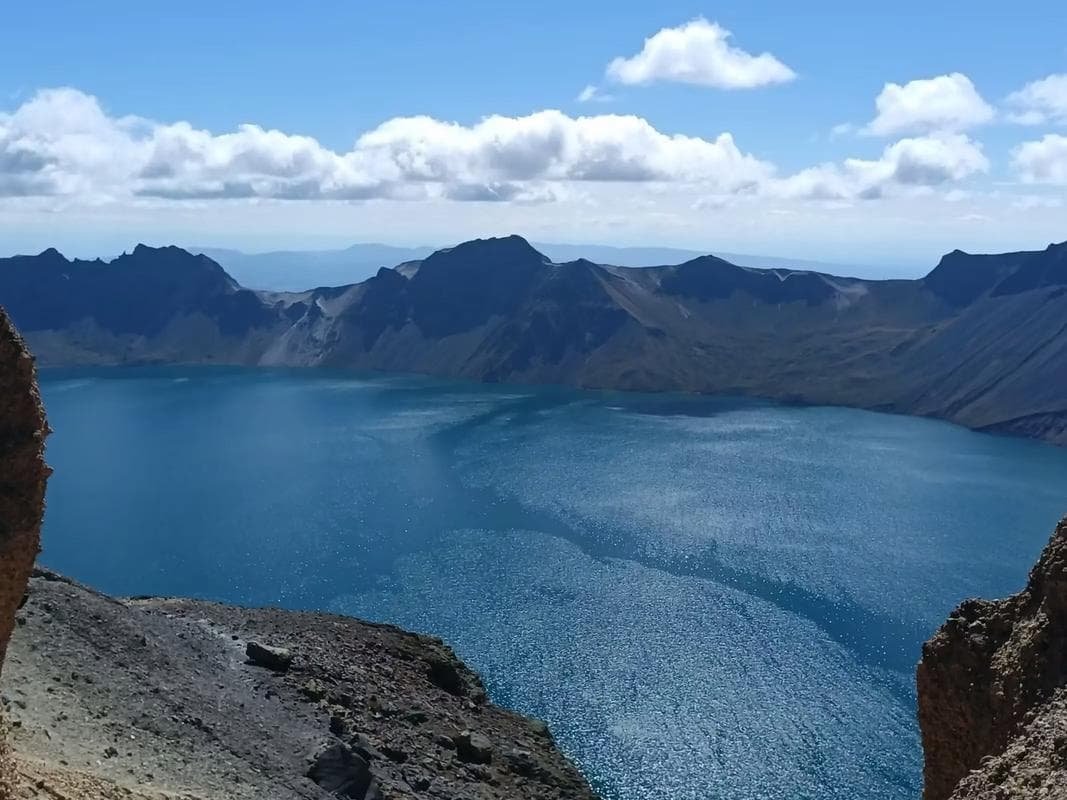
Jimsar (Jimusa’er): Northern Tianshan Steppe and the Road to Beiting
The County on the Northern Corridor
Jimsar, sometimes written Jimusa’er, sits in the Changji Prefecture on the northern flank of the Tianshan, where the mountains step down into the Junggar Basin. It is a working county town on the G216 corridor, the road that runs from the north all the way down toward the Duku Highway and the south. Most drivers treat it as a fuel-and-go point. I did, until I learned what sits just beyond it: the steppe, the fossil beds, and the ruins of a kingdom that once guarded this exact crossing.
This is a guide to Jimsar as more than a punctuation mark, a base for the northern Tianshan’s quieter attractions.
The Road North Runs Through Here
The G216 and G217 northern loop is one of Xinjiang’s great drives, and Jimsar is a natural waypoint on it. Heading north from here the road climbs into spruce steppe and open grassland; heading south it drops toward the basin and the long haul to the canyon country. Either direction, Jimsar is where you refuel and reset.
I used it exactly that way: a long day from the north, a night in Jimsar, and a fresh start south the next morning. The town was unremarkable and exactly what I needed, a clean room and a bowl of laghman after six hours of switchbacks.
Beiting: The Ruin Next Door
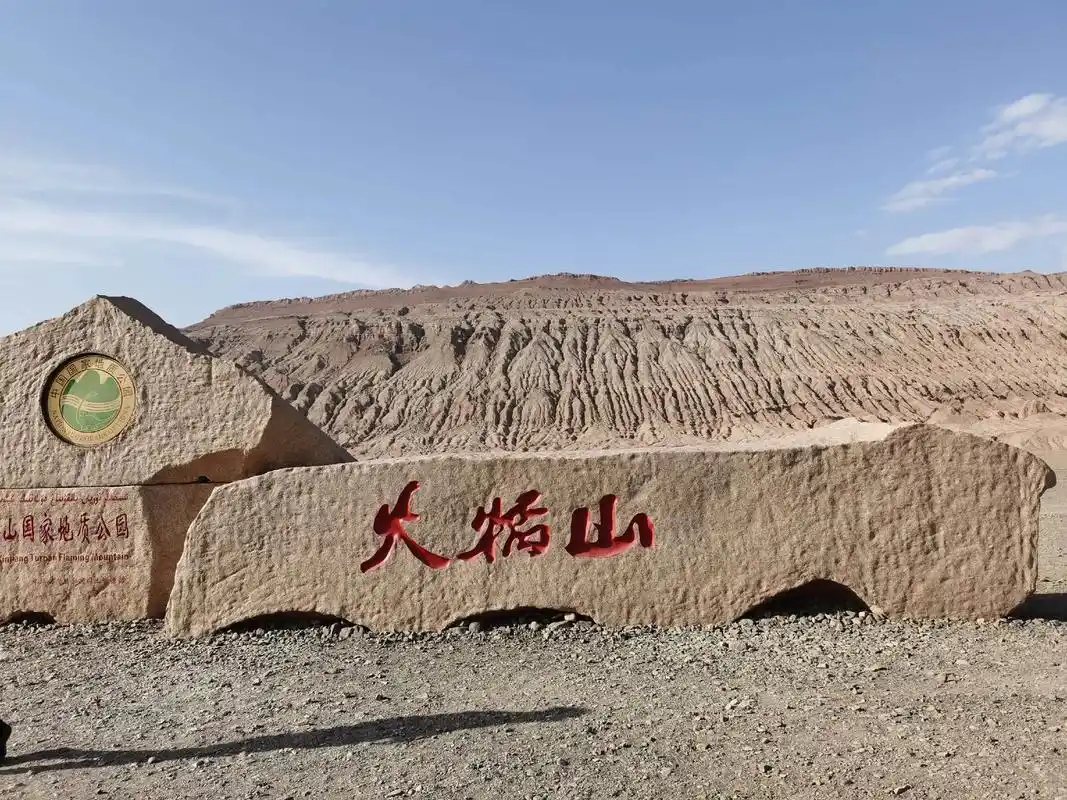
A few kilometers from the county seat lie the Beiting ruins, the remains of a Tang-era garrison town that controlled this corridor for centuries. The earthen walls still stand in places, and the silence out there, with the mountains behind and the basin in front, explains why everyone fought over the spot. It is an easy half-day from Jimsar and, in my view, underrated compared with the famous Turpan ruins because you can wander it without a crowd.
The site connects to the wider Silk Road story, and if you are doing a northern cultural loop, it pairs naturally with the canyon and fossil stops to the east.
The Fossil Country to the East
East of Jimsar, toward Qitai, the land is famous for petrified forest and dinosaur remains. The Qitai petrified forest geopark is the headline, a place where stone trees lie in the open desert and the scale of deep time becomes physical. I combined Jimsar and Qitai into a single northern day and came away with a better feel for the basin’s deep past than any museum gave me.
These are not adrenaline stops. They are for travelers who like the story told by the ground itself, and Jimsar is the convenient, comfortable hinge between them.
Logistics
Jimsar has fuel, hotels, and food, and it is cheaper and calmer than Urumqi to the west. I found a clean room for around 140 yuan and a noodle shop that stayed open past midnight. For a corridor town, the amenities are better than you expect, because the G216 keeps it busy with through-traffic.
Signal is fine in town and on the main roads, fading only deep in the side valleys. Load offline maps for any detour toward the ruins or the steppe, where the lanes can confuse.
A Northern Day Loop
Morning: Beiting ruins, slow and early. Midday: back to Jimsar for fuel and lunch. Afternoon: east toward Qitai and the petrified forest, or north into the steppe if the weather is clear. Evening: return to Jimsar or push on along the G216 depending on your larger plan.
The loop is flexible. The point is that Jimsar is not a through-point but a base that makes the northern attractions reachable in a day each, without the long hauls a Urumqi base would require.
When to Go
Late spring through early autumn is best. The steppe greens in May and holds through September; the fossil sites are open-year but most enjoyable when you are not fighting wind or snow. Winter closes the high northern road and the basin goes white and cold, good for a different kind of trip but not for the loop above.
Altitude is modest, but the northern steppe cools fast after dark even in summer, so a layer in the car is wise.
Why Jimsar Earned a Stop
The northern Tianshan is rich with famous places, and Jimsar is not one of them. But its position, on the corridor, below the ruins, near the fossils, makes it the practical heart of a northern circuit. Treat it as a base and the whole north opens up at a sane pace.
The self-drive essentials still apply, especially a full tank before the northern climbs. But the real preparation for Jimsar is mental: slow down enough to notice that the “boring” corridor town is standing on two thousand years of history and a stone forest older than all of it.
A Practical Northern Plan
Jimsar works best as the middle night of a northern circuit rather than a destination in itself. I used it between a day on the high steppe to the north and a day on the canyon country to the south, and it broke a long haul into two sane halves. The town is unremarkable and that is the point; after switchbacks and ruins, a clean room and a hot noodle is the right reward, not another sight.
If you are building the G216 and G217 loop, Jimsar is roughly the midpoint, and the logical place to reset fuel, water, and sleep before the next long leg. The Beiting ruins are the local headline, an easy half-day, and the Qitai petrified forest is the eastward extension if you have a day to spare.
Costs
Jimsar rooms run 120 to 220 yuan. Food is 30 to 50 yuan a meal, and the town’s transit trade keeps it good and cheap. Fuel is reliable. I spent about 90 yuan on fuel for the local loops and 160 on the room, which is the whole Jimsar budget for a night plus two half-days of exploring. The savings versus basing in Urumqi compound over a multi-day northern trip.
What I Learned From the Ruins
Beiting is not restored to prettiness; it is conserved to honesty. The earthen walls stand as they fell, and the silence out there, with the mountains behind and the basin in front, explains why everyone fought over this corridor for a thousand years. I spent longer than planned just walking the perimeter and reading the interpretive signs, which are in Chinese and English and actually useful. The Silk Road was a chain of places like this, and standing in one makes the chain real in a way the museum cases in Urumqi cannot.
The fossil sites to the east are the deep-time counterpart: not a wall but a forest turned to stone, a reminder that this basin has been a crossroads far longer than people have been here to cross it. Together they make Jimsar a small but complete lesson in the region’s layered past.
When the Road Closes
The northern G216 over the high passes closes in winter, and even in shoulder seasons a late snow can shut a section. Check the forecast and the local road status before committing to the high northern leg from Jimsar. The seasonal-closures guide is the reference; I read it the night before any mountain crossing and have been glad each time. The basin roads stay open year-round, so even if the north closes, Jimsar remains a useful base for the lower loops.
The Quiet Case, Closed
Jimsar will not be the postcard of your trip. It might be the town that made the postcards reachable. Treat it as a base, not a box to tick, and the northern Tianshan opens up at a pace that leaves you rested instead of rushed. The self-drive essentials still apply, especially a full tank before the climbs, but the real preparation is a willingness to let a corridor town be exactly that: a place to refuel body and car before the next long road.
Beiting in Half a Day
The ruins are the reason to stop, and half a day is the honest allowance. Arrive when it opens, walk the earthen walls while the light is soft, read the bilingual signs, and you are done before the midday heat with time to spare. I lingered longer than planned and still rolled out by early afternoon, which left the rest of the day for the basin roads without rush. The site is unfenced in the loose way of remote Xinjiang heritage, so wear decent shoes and stay off the walls; they are earth and they crumble, and the silence is the exhibit, not the reconstruction.
The Northern Steppe Road
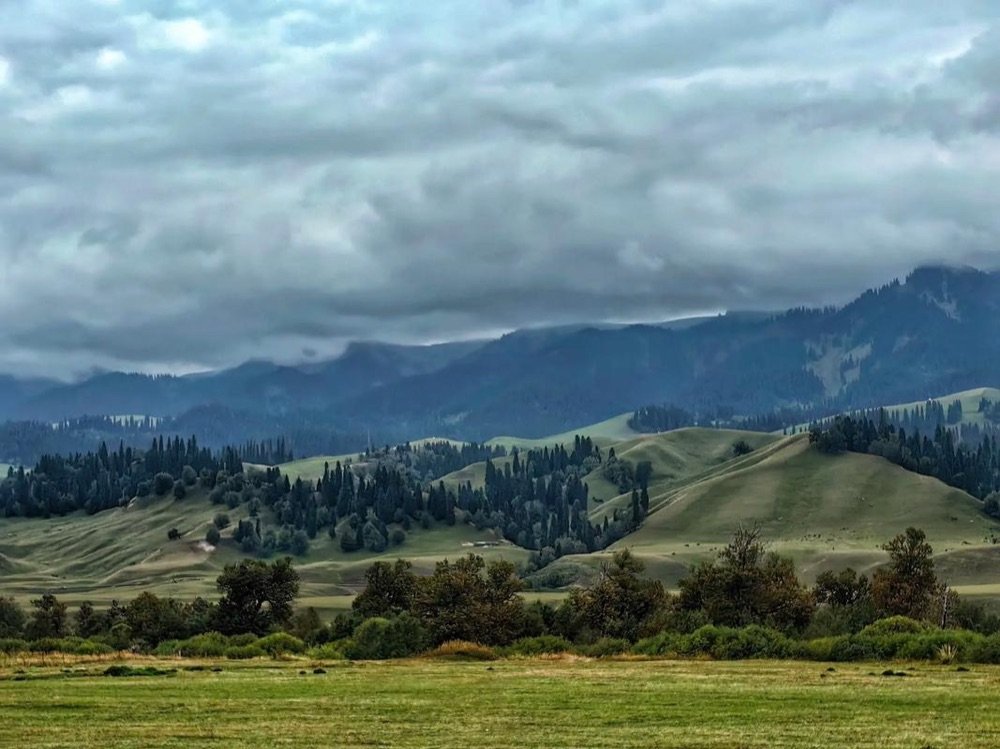
North of Jimsar the road climbs into steppe that few foreign drivers see, a rolling green band under the high Tianshan that contrasts hard with the basin you came from. I drove it as far as a long lunch allowed, met more yurts than signs, and turned back when the track outran the map. The surface is graded rather than paved on the upper reaches, fine in dry weather and a trap after rain, so read the sky before you commit. The steppe is the counterweight to the ruins: same corridor, different thousand years, and Jimsar is the hinge between them.
Costs
A Jimsar night is cheap: a room 120 to 220 yuan, a meal 30 to 50, fuel reliable in town. I spent about 250 yuan all in for a night and a day of ruins and steppe, not counting the long drive in. The saving against basing in Urumqi compounds over a multi-day northern loop, and the rest, the quiet, the early start on the next leg, is the part you cannot put a price on. Bring cash for the small stalls and the ruins entry, because the card machine is a hope, not a promise, out here.
The Night I Did Not Expect
I stayed in Jimsar past dark once by accident, a late steppe run leaving me rolling in at nine, and the town at night was the pleasant surprise. The main street had a quiet life: a few open grills, old men on a bench, a boy walking a dog with no urgency. I ate a last skewer, watched the mountains go black, and understood the place as a base in a way the daylight rush had not allowed. Jimsar is better when you are not leaving; give it the evening it deserves and the northern Tianshan the next morning will feel earned rather than grabbed.
One practical close: fill the tank in Jimsar before any northern climb, because the high G216 has long stretches with no fuel and the cold thin air is hard on a half-empty car as well as a tired driver. I make it a rule to leave town with both full, and have never regretted the five minutes it takes. The basin roads will feed you and water you; the mountains only test whether you prepared. Jimsar is the last easy yes to both, so take it.