
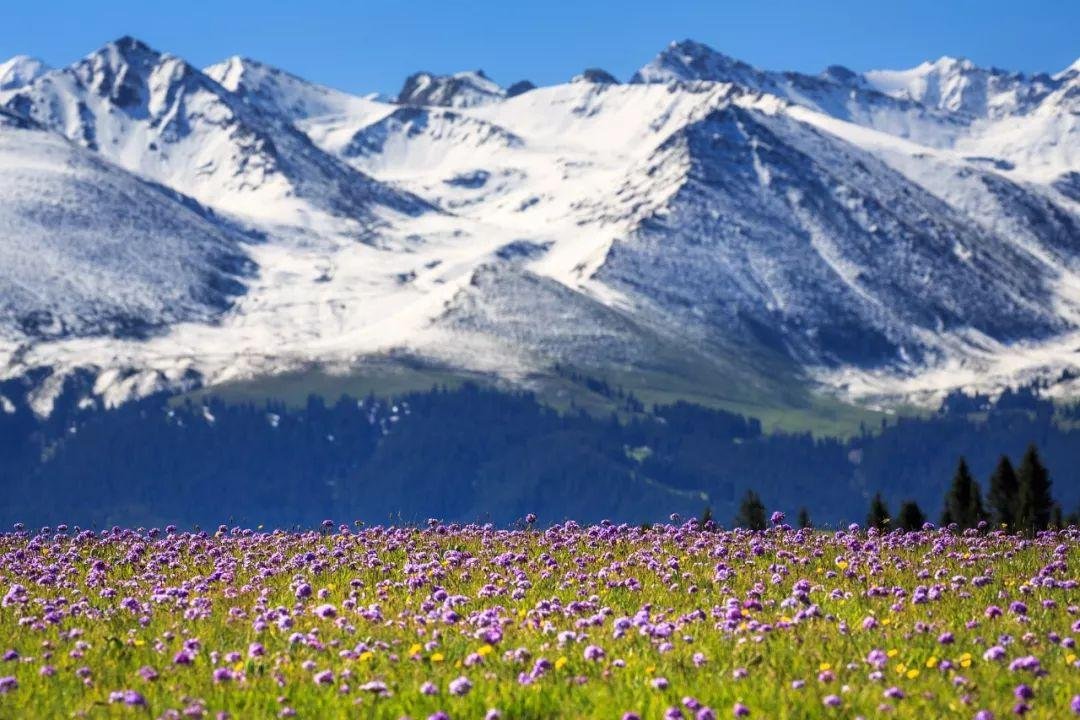
Roadside Picnics and Cooking on a Xinjiang Self-Drive Trip
By the third day of my first Xinjiang road trip I was sick of restaurant lamb skewers and tired of paying ¥45 for a so-so plate in a highway town. So I started cooking by the road. Not gourmet, just honest food bought in county supermarkets and eaten at a picnic table with a mountain in front of me. Self-catering turned a draining drive into something closer to a holiday, and it cut my daily food spend roughly in half. Three trips later, the cooler and the little stove are the first things I load.
Why cook on the road at all
Towns in Xinjiang are spaced far apart. Between Kuqa and Aksu you cover about 260 km with thin options in between. Cooking your own meals means you eat on your clock, not the town’s, and you control what goes in the pot when your stomach is tired of oil and cumin every night.
The savings are real. A supermarket naan costs ¥3 and feeds two; a wheel of local cheese runs ¥15; a kilo of tomatoes is ¥4 in season. Compare that with a sit-down meal at ¥40 to ¥60 a head and the math pushes you toward the cooler fast. Over a twelve-day loop the gap hit roughly ¥700, which paid for a night in Yining.
There is also a quiet pleasure in it. Pulling into a rest area at golden hour with a pot already simmering beats hunting for an open restaurant in a town that closes at 9 p.m. You eat better and you see more, because you stop where the light is good, not where the sign says open.
What to buy that survives the heat
Naan is the backbone of any road pantry. Baked flat and dry, it keeps for four or five days in the car without refrigeration, and you can soften it over the gas stove. We bought a stack of six in Kashgar for ¥18 and ate the last one near Ili, still fine, just harder.
Watermelons are everywhere in summer and absurdly cheap, around ¥1.5 per kilo at a roadside stall. Tomatoes, cucumbers, and grapes travel well in the shaded part of the cooler. Cured meats and vacuum-packed cheese need no ice and became our backup when the fridge warmed up during a long desert stretch with the compressor straining.
Fruit is the easy win. From Turpan’s grapes to Korla’s pears, you can fill a bag for ¥10 and snack for two days. The catch is washing: we never ate raw produce without a rinse from our own water bottle, since tap water along the route is not for drinking and a sick stomach out here is no joke.
Supermarket reality
Every county seat has at least one decent supermarket, and the bigger ones in Urumqi, Yining, and Kashgar have imported sections. Stocking up there before a long gap is the single habit that kept us fed. In Hotan we found a worse selection than in the north, so we over-bought there on purpose. Our supermarkets for self-catering breaks down what each region stocks best and where the imported aisle actually exists.
Keeping food cold in 35°C heat
A passive cooler with ice packs is the minimum, but ice melts in a day under a Xinjiang sun. We ran a 12-volt compressor fridge plugged into the cigarette socket, set at 4°C, and it held milk and cooked meat safely through 38°C afternoons near Turpan. That unit rented in Urumqi for ¥30 a day, or buy one for ¥1,200 if you plan to return, which for a two-week trip is close to break-even.
Without a powered fridge, use two coolers: one for drinks you open often, one for food you keep closed. Every time you lift the lid in the heat you lose the cold, so discipline matters more than capacity. Wrap the food cooler in a reflective sun blanket and keep it on the floor behind the front seats, the coolest spot in a parked car.
For the full setup and temps that worked, see our keeping food cold in the car guide. The short version: a cheap cooler fails by day two, a compressor fridge does not, and the rental fee is cheaper than throwing out ¥200 of spoiling meat.
Food safety in the sun
Bacteria grow fast above 30°C. We treated anything perishable as a four-hour item: bought, chilled, cooked, or tossed. Leftovers from a noon cook-up were either eaten cold by 4 p.m. or binned. A small food thermometer was worth the ¥40 just for the peace of mind on chicken, which we cooked to 75°C at altitude where boiling points drop.
Where you can legally stop and picnic
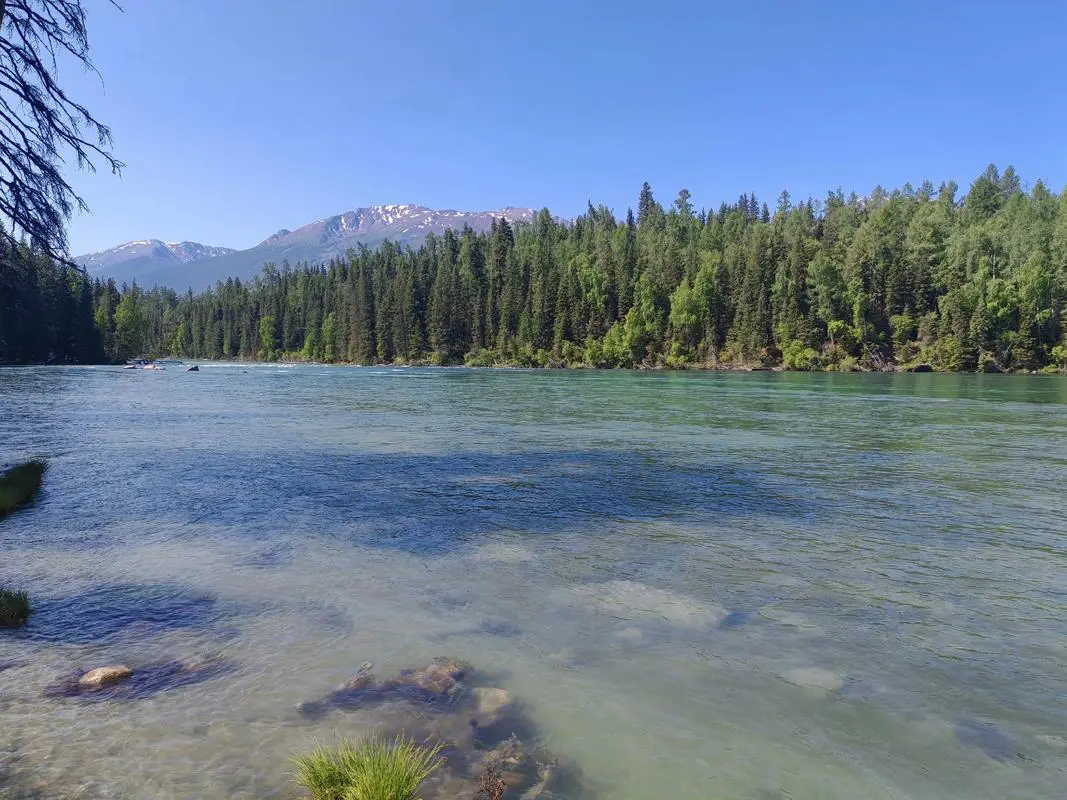
Rest areas on the expressways are the safe default. They have shade, a toilet, and a bin, and nobody questions a picnic table lunch. Paid campsites near Sayram Lake and around the Ili river towns let you pull in, pay ¥30 to ¥50, and use their tables and water. The staff at these sites were glad to see someone not just passing through.
Lakeside pullouts on public land are fine if you park fully off the lane and leave nothing behind. What you must avoid is private farmland and orchard gates; owners here guard their plots and a confused foreigner with a stove is an easy target for a quarrel. When in doubt, ask at the nearest shop and hand over a ¥10 melon as a thank-you, which turned a tense moment near Aksu into an invitation to sit and eat with the family.
If you want to sleep where you eat, our camping on a Xinjiang road trip covers the paid sites that welcome self-caterers versus the ones that wave you on. The free pullouts are for lunch, not for pitching a tent, and the difference matters after dark.
Service areas and the road-food trap
The expressway rest areas look like they solve food, but the attached canteens are uneven. Some serve a decent ¥15 noodle; others offer only instant cups at triple the shop price. We treated them as toilets and shade, not as dinner, and cooked instead. The one exception was the big Karamay and Dushanzi stops, which had fresh naan and boiled eggs worth buying.
Plan your cooked meals around the gaps, not the buildings. Our road food and service areas piece lists which stops actually have a usable canteen and which are a vending machine with a sad sandwich. Knowing that before you commit to a 300 km leg saves a hangry evening.
A no-cook meal plan
On driving days we often skipped the stove entirely. Breakfast was naan, cheese, and a tomato. Lunch at a rest area was cucumber slices, cured meat, and grapes. Dinner, if we reached a town, was a bought roast chicken torn over naan with the cooler’s last yogurt. That three-meal skeleton never failed us on the long southern run.
This kept the cooler load light and meant we could stop anywhere. The only cooking gear we touched was the kettle for tea, which doubles as a sterilizer and a noodle pot if a toddler joins the trip later. No-cook days also meant no washing up, which on a windy plateau is a real gift.
Simple cooked meals that work
The stove opened up warmer food without a restaurant. Our default was broken naan boiled in water with a chopped tomato, a slice of cured meat, and a cracked egg if the cooler held one. Fifteen minutes and ¥10 of ingredients. A second favorite was instant noodles upgraded with cheese and cucumber on the side, which sounds plain but tasted like a feast at 3,400 meters.
For variety we bought a small bag of local spices in Urumqi, cumin and chili flakes, and a wedge of the hard salty cheese that grates over anything. Pasta was a mistake once, because the water boiled off too fast at altitude and we scorched the pot. Rice we saved for the powered-fridge nights when we could keep cooked portions cold.
A small gas-stove setup
We carried a single-burner butane stove, a 1.2-liter pot, and one spork each. The stove cost ¥90 in Urumqi and the canisters, ¥12 apiece, lasted three meals each. Total kit weight was under 2 kg and it lived in a plastic box that also caught any spill, which saved the car floor more than once.
Keep the canister upright and never light it inside a tent or a closed car. We cooked standing in the wind shadow of the open trunk, well clear of the fuel can, and we let the burner cool before packing. A tiny sponge and a bottle of biodegradable soap finished the job, and we hauled the grey water away from any stream.
Leave no trace
We packed out every wrapper, peel, and canister. Xinjiang’s roadside is clean compared with many places, and the locals notice litter fast. A small dry bag held rubbish until the next town bin, usually within 100 km. Wash water we scattered well away from any stream, since soap in a river here is both rude and discouraged by site owners who depend on the view.
Carry your own drinking water
This point deserves its own breath. Between Dushanzi and the southern towns, potable water is not a given, and boiling from a village tap is a gamble. We carried 10 liters in stacked jerry cans and refilled at supermarkets and paid campsites. Our finding drinking water on the road maps the reliable refill points we used, from the Urumqi hypermarkets to the Sayram site taps.
Plan for 3 liters per person per day in summer, more if you cook and wash with it. Dehydration on a 40°C drive is the boring risk that ruins trips, and water weight is the cheapest insurance you can carry. We kept one bottle in the cooler at all times so the baby of a traveling friend had something cold, and the rest rode in the shaded footwell.
The Sayram Lake picnic
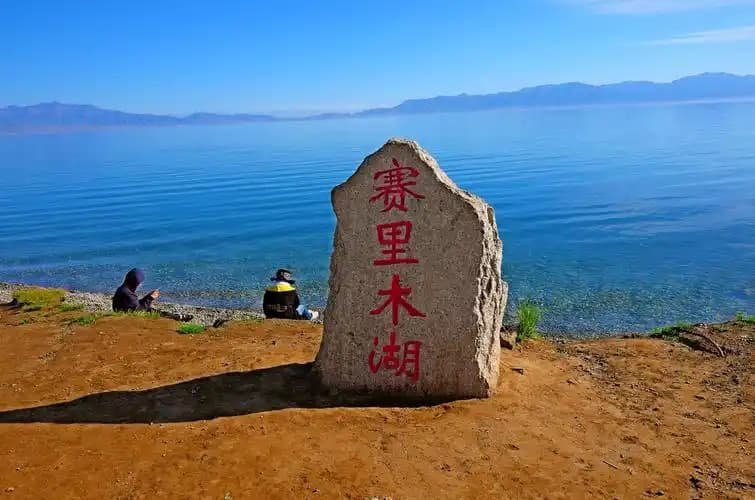
My favorite meal of the whole trip happened at Sayram Lake on a Tuesday in July. We paid ¥40 at the lakeside site, parked under a stand of trees, and laid out naan, a hunk of Yining cheese, tomatoes, and half a watermelon we had bought that morning for ¥8. The compressor fridge had kept yogurt cold for the third day straight, which felt like a small miracle at 2,000 meters.
A local family set up two tables downwind and shared a plate of grapes without a word exchanged beyond a nod. The wind off the lake kept the flies off, the water in the jerry can stayed cool enough to drink, and for an hour the 280 km drive from Urumqi faded. That is the version of Xinjiang you cook for, and the reason I keep the stove in the trunk.
Weather and when to cook
Summer afternoons above 35°C are for cold meals and shade, not for standing over a burner. We cooked at breakfast and after 6 p.m., when the heat let go and the sites emptied. Spring and early autumn were the sweet spot: mild all day, and a lunchtime pot of noodles felt right rather than punishing.
Wind is the wildcard. On the Turpan basin and the Ili plains a gust can blow out your flame mid-boil, so we cooked with the car door as a windbreak and kept the canister low. Rain was rare in the north but turned the Pamir pullouts to mud, where the paid sites with gravel pads earned their fee.
Costs and the bottom line
Across twelve days of mixed cooking and the odd restaurant, our food came to about ¥70 per person per day, against the ¥120 to ¥150 we spent when eating out every meal. The fridge rental at ¥30 a day paid for itself in saved spoilage and skipped restaurants within four days, and the stove kit paid for itself on the second no-restaurant evening.
You do not need to be a camper to eat well on this road. A cooler, a naan, and the willingness to pull over at the next shade is most of the skill. The rest is just hunger and a good view, which Xinjiang hands you for free, and a watermelon that costs less than the plastic bag it rides in.
Karl Huang drove these routes across Xinjiang between 2019 and 2026. He updates guides when road conditions, prices, or permit rules change. You can reach him through the Contact page.