
Free Camping and Boondocking in Xinjiang: Where You Can (and Cannot) Park for the Night
The first time I free-camped in Xinjiang I had no plan to. I was driving the G30 expressway west from Turpan and had covered 540km by 11pm with no hotel booked and desert on both sides. I pulled onto a gravel shoulder, flattened the back seats, and listened to the wind cross the Gobi until I fell asleep. The next morning a herder nodded at me from a horse and rode on. That night showed me what every self-driver here learns fast: Xinjiang is one of the rare places where sleeping in your car, van, or rooftop tent is not just possible but pleasant, if you respect a few hard lines.
What Boondocking Means on a Xinjiang Trip
Boondocking is the American term for dispersed camping with no hookups, no campground, and no fee. In Xinjiang it usually means parking your vehicle somewhere open and quiet and spending the night without paying anyone. It is different from a developed site with toilets and a warden. The province’s scale works in your favor. Between Urumqi and Kashgar you can drive 1,500km and pass more empty horizon than towns. That emptiness is the appeal, and it is what makes free overnight parking realistic in a way it simply is not back home.
I treat boondocking as a tool rather than a lifestyle on these trips. Most nights I pay for a proper site or a yurt camp, and I save wild parking for stretches where the next town is 120km away and I am honestly tired. Doing it that way keeps the experience special and keeps me from wearing out my welcome with locals who already put up with plenty of tourist traffic in summer.
Where Free Camping Actually Works
Lakeside Pullouts Outside the Fence
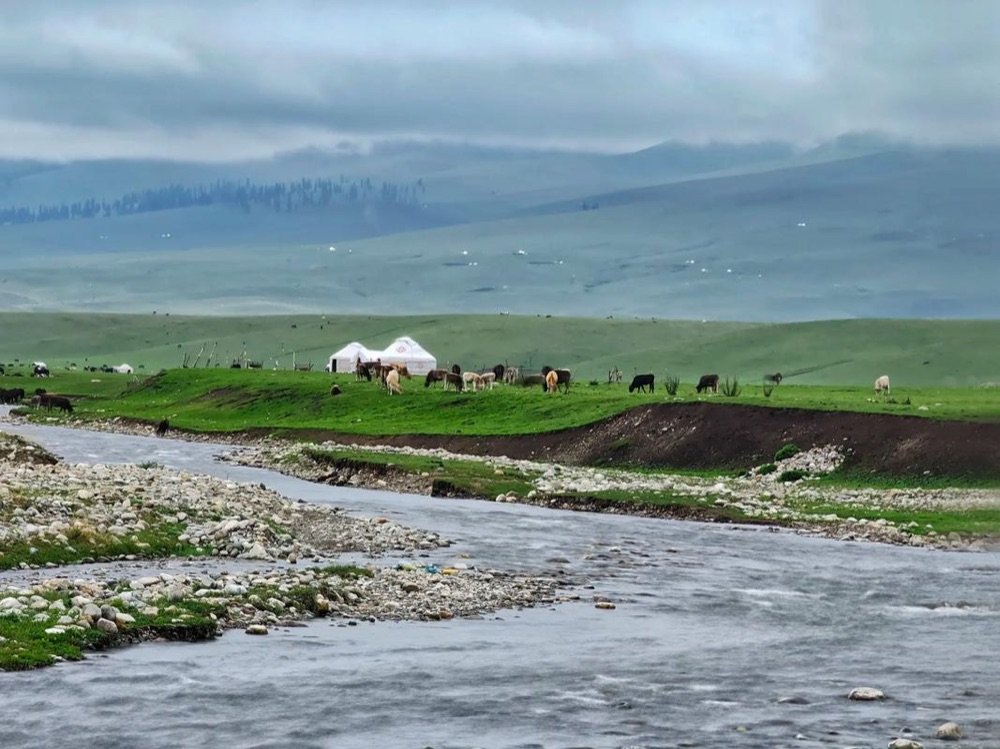
The best free nights I have had were beside water, but almost never inside a paid scenic area. Sayram Lake is fenced and ticketed, yet the ring road that loops it has pullouts on the north and west sides where, if you stay outside the barrier and do not block the lane, nobody bothers you. I spent one June night there parked 40m from the shoreline on a dirt ledge, the lake flat and silver under a half moon. Bosten Lake works the same way on its quieter eastern shore, where reed beds hide you from the main road.
The trick is distance from the gate. Once you see ticket booths and tour-bus parking, you are inside the paid zone and should not set up. Stay beyond it, keep your lights off after midnight, and you will be left alone. Rangers at these places are used to travelers resting. They object to people treating the ticketed lawn as a free campsite.
Desert and Gobi Shoulders
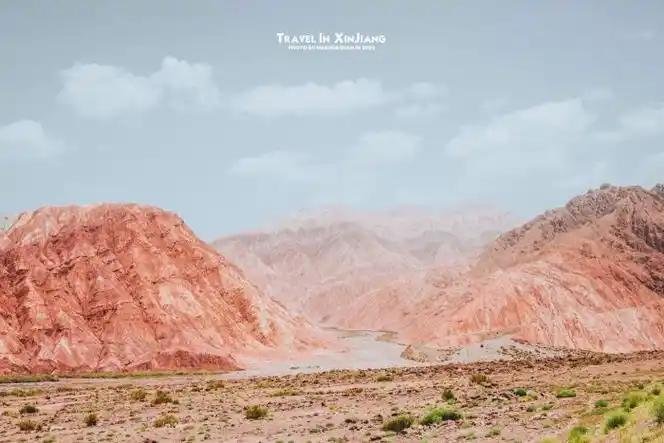
On the highways between Turpan, Korla, Aksu, and Kuqa there are long runs with wide gravel margins. These are my default boondocking spots. After 8pm the traffic thins to almost nothing, and a car parked well off the lane looks like a stopped vehicle, not a camp. I look for a spot at least 30m from the asphalt, level, and clear of the irrigation ditches that run parallel to many rural roads.
The Taklamakan’s southern edge near Hotan has similar pullouts, though I am more careful there because the sand drifts and soft shoulders can trap a two-wheel-drive car. If the ground looks loose, keep driving to the next hard surface. I learned that lesson near Aksu when a seemingly firm shoulder turned to powder under the front wheel and I spent 40 minutes digging with the jack handle.
Mountain Passes and Forest Roads
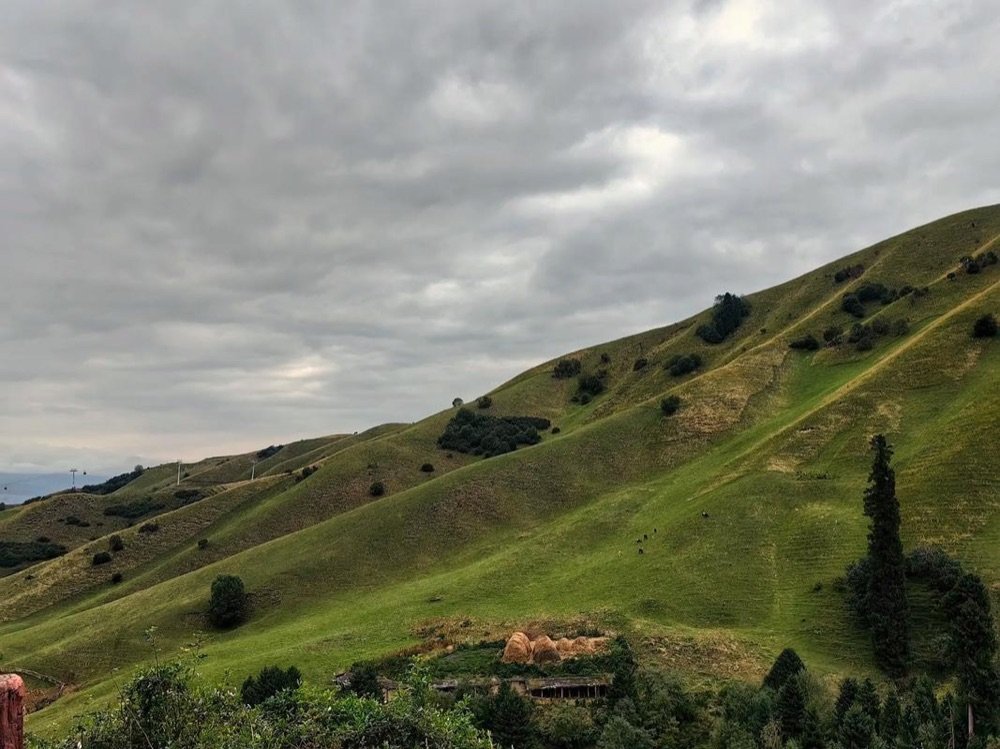
Up in the Tian Shan and around Altay the forest service roads and high passes give excellent dispersed camping. Near Kanas and the roads toward the border I found clearings 2km off the main route where I had total privacy. The catch is altitude and cold. At 2,000m a July night drops to 6°C, and a pass at 2,800m can frost your windshield even in August. Bring the bag rated to 0°C and you will sleep fine.
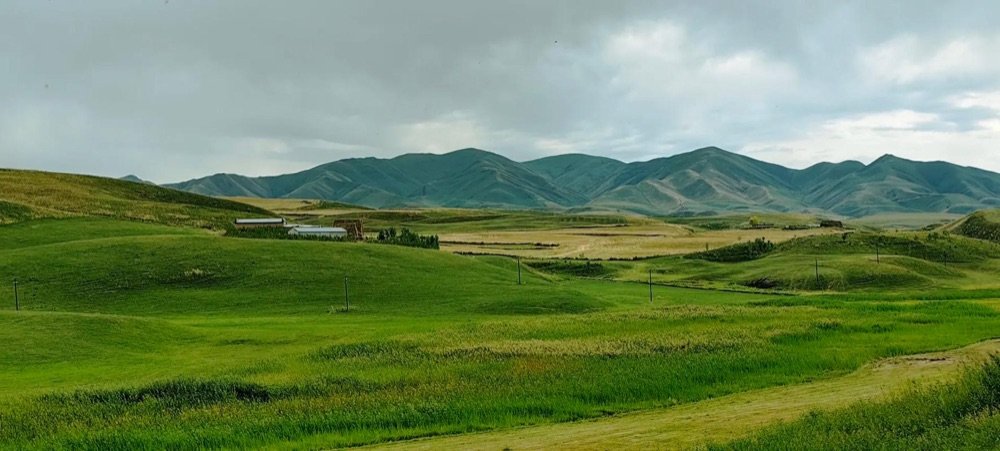
I favor the Ili valleys for this in early summer, when the grass is green and the snow has cleared from the lower passes. The Dushanzi to Karamay road also has wide verges at its higher points, good for a quick overnight if you are crossing and do not want to push on in the dark.
Where You Will Get Moved Along
Inside Scenic-Area Fences
This is the most common mistake. Sayram, Kanas, and the Dushanzi canyon viewpoints all sit inside ticketed zones with fences, patrols, and cameras. Park inside and a ranger will knock by 10pm asking for your ticket or telling you to leave. I learned this at Kanas on a first trip when I tried to sleep at a lakeside lot. I was politely directed to the paid campground 120 yuan away. The rule is simple: if there is a booth and a turnstile, it is not a free spot.
Near Military and Checkpoint Zones
Xinjiang has many police checkpoints, and a few sensitive military areas, especially along the Karakoram Highway toward the southwest and near certain border stretches. Never park overnight within sight of a checkpoint or a fenced military installation. I once pulled into a rest area 300m from a small outpost thinking it was safe. A patrol vehicle came by at midnight, shone a light, and waved me on. They were polite but clear. Keep at least a kilometer from anything that looks official after dark.
Private Farmland and Orchards
The green belt of the Tarim and the fruit orchards around Turpan and Korla look like empty land but almost all of it is someone’s field. I made the error of turning down a track toward what looked like open scrub and met a farmer who was not happy. He did not shout. He just pointed back to the road. Stay on public shoulders and established pullouts. If you see a fence, a gate, or crops, that is private and you keep moving.
The Practical Details That Keep You Comfortable
Level Ground and the Wind
Wind is the thing that ruins a free night in Xinjiang more than cold or noise. Gobi gusts hit 60km/h on open shoulders and will rock a van and batter a tent. I always check the surface for slope first, then look at what the grass and flags are doing. If the wind is already strong at dusk, I drop lower into a dip or behind a low ridge, or I just drive to a town. A level spot behind a windbreak of bushes beats a scenic spot in a gale every time.
For leveling I carry two rubber wedges and a small bubble level that costs 15 yuan at any truck stop. Ten minutes of fussing saves a sore back and a rolled sleeping bag. On a rooftop tent the wind matters even more, because you are up high where it catches the full force.
Toilets, Water, and Power
There are no toilets at a boondocking spot, full stop. I keep a small spade and follow the standard rule of burying waste 60m from water and trails, which is part of the leave-no-trace principles I try to follow on every trip. Water is the real limit. I start each free night with at least 6 liters per person and top up whenever I pass a town or a paid site. Power comes from a 280 yuan Jackery-style bank charged off the cigarette lighter while driving, enough for a phone, a light, and a fan.
If you are in a bigger rig, plan your hookups before you go off grid. The RV water and electric resupply page lists the towns where you can fill tanks and plug in, and I lean on it hard on longer loops through the south.
Security When You Step Away
A question I get a lot: is it safe to leave the vehicle at a free site? In my experience, yes, in the rural stretches. I have walked 1km to a lakeshore at dawn and come back to an untouched car. Still, I never leave valuables visible and I lock up. The bigger risk is not theft but other drivers. On busy summer weekends near popular lakes, a spot that was empty at 9pm fills with tour buses by 7am, so I park where I will not be boxed in or blocked.
For peace of mind on any overnight, I read up on parking and vehicle security before a trip and follow the basic habits: windows up, nothing on show, keys close.
Paid Sites and Yurt Camps Versus the Wild
Free camping is not always the best call. Paid campgrounds near the big lakes run 60 to 150 yuan a night and give you a toilet, sometimes a shower, and a level pitch. Yurt camps, especially around Sayram and in the Ili valleys, cost similar money and add a stove, a bed, and often a huge bowl of laghman noodles. I use these when I want a hot shower or when the wind is too much for a tent.
The yurt camps and stargazing guide covers the ones worth the detour, and I pair it with the general camping on a Xinjiang road trip overview when I plan a loop. Think of paid sites as your rest days and boondocking as the in-between filler that saves money and gives you the quiet.
Seasons: When to Boondock and When to Book
May through October is the window. In May the nights are cold, down to 4°C in the north, but the sites are empty and the wind is calmer. June and July are the sweet spot: long light, manageable cold, and lakes you can sit beside without freezing. August brings the most travelers and the highest chance a free spot gets crowded by dusk. September is my favorite month, cool and clear, with the reed beds turning gold around Bosten.
Winter is a different game. From November to March much of the north is under snow and the mountain passes close. I do not boondock then unless I am in a heated van with a diesel heater, and even then I stick to towns. The south stays open and drier, but nights drop past minus 10°C, which is brutal without proper kit.
Regions That Suit Free Camping
The north, around Ili, Altay, and the Tian Shan lakes, gives the prettiest settings and the coldest nights. The center, Turpan and Korla, is dry and windy but easy to find a flat shoulder. The south, Hotan, Aksu, and the Taklamakan edge, is the most open and the least crowded, with the softest ground to watch for. Kashgar itself is too busy and too controlled for free nights, so I always book there.
My rule of thumb: the more remote the road, the better the boondocking. The Dushanzi to Kuqa highway, the back roads of Jimsar, and the quiet eastern shore of Bosten are all spots I return to. The busy corridors near Urumqi I skip, because the police presence is heavier and the pullouts fill early.
My Quiet Night by the Lake
The night I remember most was at a small unnamed bay on the north shore of Bosten, in late May. I had driven 380km from Urumqi and arrived as the light went orange. I rolled the car behind a line of reeds, cooked noodles on a 90 yuan propane burner, and watched two herons land in the shallows. There was no fence, no fee, no one. At 3am I woke to absolute silence, stepped out in 9°C air, and saw the Milky Way laid straight across the water. That is the trade you make: no facilities, total quiet.
By 6am a fishing truck rattled past on the distant road and I packed up before the day got busy. Total cost of the night: zero. Total value: better than any hotel I have paid for in the region.
A Few Habits Worth Keeping
Boondocking well in Xinjiang comes down to a short list of habits. Arrive before dark so you can see the ground. Stay outside fences and away from checkpoints. Take all rubbish, because there is no collection and the next traveler should find it clean. Keep your stay to one night in any spot. Tell someone your rough plan if you go deep into the mountains.
Do those things and the province opens up in a way hotels never allow. You wake to your own horizon, make coffee with the door open, and drive on when you like. That freedom is the whole point of taking the wheel here, and it is why I keep coming back to sleep under the widest sky I have found anywhere.
Karl Huang drove these routes across Xinjiang between 2019 and 2026. He updates guides when road conditions, prices, or permit rules change. You can reach him through the Contact page.