
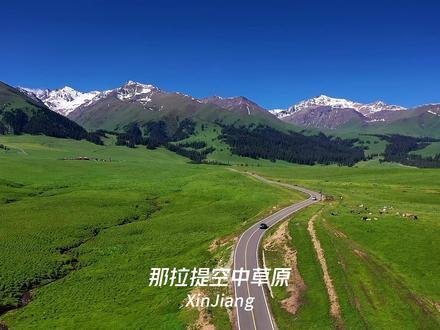
Grass Skiing and Grass Sliding in Xinjiang: Summer Slopes on the Ili Grasslands
What Grass Skiing Actually Is
Grass skiing sounds like a prank until you strap into the skis. One July I tried it on a cable-tow slope above the Ili Valley and spent the first ten minutes convinced I would tumble into a sheep. The skis are short, wheeled or banded contraptions that run down a shaved strip of hillside grass, and the slope is exactly the kind of green run you would ski in winter, minus the snow.
The sport grew out of off-season training for alpine racers. Skiers in Europe used grass slopes to keep their edges sharp through summer, and the idea travelled east to the pastures of Xinjiang. Here the version is gentler than the competitive discipline. You ride a slow cable up a short pitch and glide back down through waist-high wildflowers.
I will be honest about the learning curve. The first descent is awkward because grass grips differently than snow, and you steer with your ankles more than your knees. After three runs I found a rhythm, and by the fifth I was linking short traverses the way I do on a blue run. The Ili grasslands make a strange kind of ski hill, but the thrill is real.
The appeal is not the speed. It is the oddity of skiing in 26-degree heat with bees buzzing past your helmet and a view of snow-capped ridges in the distance. For a solo traveller the setup is social too. The tow lines are short, the queues small, and you end up chatting with families from Urumqi who drove out for the same novelty.
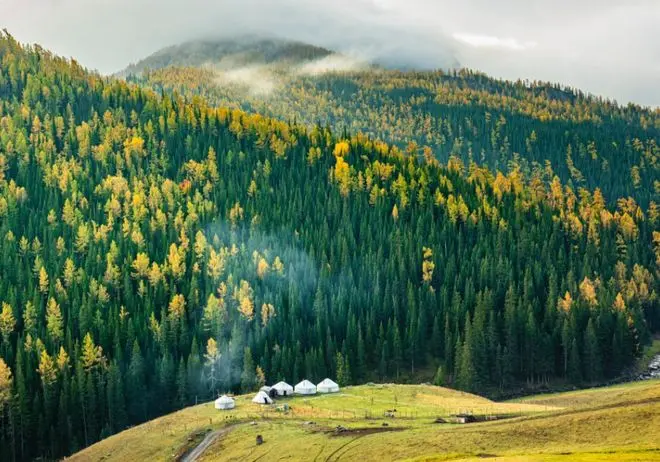
Nalati’s Summer Slopes
The most established place to try this is the Nalati grassland, a rolling plateau in the eastern Ili Valley that most visitors know for its flower meadows. Nalati sits about 220 km from Yining, a drive of roughly three hours on good highway. Up near the Sky Prairie section, operators set a cable tow on a smooth hill where the grass is mown short for the run.
I skied there in early July when the plateau was carpeted with red poppies and white stands of edelweiss. The run itself is about 120 meters long with maybe 25 meters of vertical, so it is more theme-park than mountain. That is the point. You are not chasing vertical drop, you are chasing a grin, and Nalati delivers one for about ¥80 a session including the tow and basic skis.
Timing matters. The slopes run from roughly June through August, with July the sweet spot when the grass is thick but not yet browned by late-summer heat. Mornings are best because the turf is still damp and grippy; by mid-afternoon the hill gets slick and the wheeled skis slide faster than beginners like.
Nalati works as a half-day stop if you are already touring the grassland by car. The scenic area is enormous, so treat grass skiing as one activity among many rather than the reason to drive out. After my runs I walked the plank boardwalks that wind through the meadows and watched Kazakh herders move a small flock toward a distant yurt.
Karajun and Zhaosu Options
If Nalati feels too polished, Karajun offers a wilder version. The Karajun grassland spreads across a high ridge system south of Tekes, and a couple of the valley hotels keep a small grass-ski line for guests. The runs here are steeper and the turf rougher, which I liked, though the equipment is older and the attendants speak little English.
Zhaosu sits farther west and is famous for its lavender fields and horse festivals, but a few operators near the county town run grass slides on the gentle hills behind the rapeseed fields. Zhaosu is about 120 km from Yining and roughly 90 km from Tekes, so it pairs naturally with a loop through the southern Ili circuit. The slide here is more like a toboggan on grass, a seated tray rather than stand-up skis, and kids adore it.
Each of these three spots has a different feel. Nalati is a tidy attraction with signage and a ticket booth. Karajun is loose and local, run out of a camp by people who ski because they always have. Zhaosu is a county-town sideshow, cheap and cheerful, best as a surprise rather than a destination. Knowing the difference saves you disappointment if you arrive expecting a chairlift and a lodge.
The distances between them are not trivial. Plan a full day of driving if you want to sample two in one trip, and accept that you will likely pick one and enjoy it properly. I chose Nalati for the reliable gear and Zhaosu for the relaxed slide, skipping Karajun’s line on a day when rain made the turf soggy.
Gear, Lessons and Cost
You do not need to bring anything. Each operator rents the skis or trays, a helmet, and sometimes elbow pads, all included in the session price. Wear closed shoes with a little tread and long trousers if you can, because the grass can scratch bare legs on a fall. I wore hiking pants and trail runners and was comfortable the whole morning.
Lessons are informal. An attendant shows you how to clip in, demonstrates a snowplough with the hands, and gives you a shove onto the tow. That is the whole class. There is no ski school building and no certificate, just a patient local who has watched a thousand first-timers wobble. After two runs most people are fine, and staff will slow the tow or hold your arm on the first descent if you ask.
Costs stay low. A typical session of unlimited runs for an hour runs ¥60 to ¥100 depending on the site, with Nalati at the top of that range and Zhaosu at the bottom. A photography surcharge sometimes applies if you want the staff to film your run, usually another ¥20. Compare that with the winter downhill ski resorts where a day pass and rental can exceed ¥400, and grass skiing looks like the bargain of the trip.
Cash still helps in the smaller towns. Yining and Nalati take cards and mobile pay easily, but the Zhaosu slide operator took only cash when I visited, so carry ¥100 in small notes. Fuel and park entry are separate costs on top, and the grassland scenic areas charge their own gate fees that range from ¥50 to ¥95.
Who It Suits (Kids, Beginners)
This is a beginner and family activity through and through. The speeds are low, the falls are soft, and the runs are short enough that a nervous child can walk back up instead of riding the tow. I watched a six-year-old conquer the Nalati line in twenty minutes, giggling the whole way down, which tells you most of what you need about the difficulty.
Solo adults will enjoy it too, especially those of us who ski in winter and want a strange summer echo of the sport. It scratches an itch without a flight to the southern hemisphere. If you are a confident downhill skier the grass version will feel comically easy, but that is part of the fun, like riding a bumper car after years of track racing.
People with knee problems should think twice. The skis twist under you and the damp turf can grab suddenly, so the strain on joints is real even at low speed. I met a retired teacher who swapped the stand-up skis for the Zhaosu seated tray after one wobble, and she had a better time sitting down. Listen to your body and pick the gentler option when in doubt.
Teenagers tend to get competitive, racing the tow line and trying to carve. That energy is fine here because the hill is short and the consequences small. Just keep an eye on younger kids near the top where the cable spur can tangle careless feet.
Pairing With Grassland Camping
The best way to round out a grass-skiing day is to sleep on the grassland itself. The Ili valleys are dotted with yurt camps where you can book a felt tent for the night, eat roast lamb, and step outside to a sky thick with stars. After a morning on the slopes, checking into a camp near Nalati or Karajun turns a novelty stop into a full mountain evening.
I spent one night at a camp about 15 km from the Nalati gate and it changed the trip. The host lit a fire, a guitar appeared, and the same herder who had waved at me on the ski hill joined for tea. Waking to mist over the meadow after a day of grass skiing felt like the real point of coming to Ili, not the activity itself but the slowness around it.
Camps range from basic felt yurts at ¥150 a night to cushioned glamping domes at ¥600, and most include breakfast. Book ahead in July when domestic tourists fill the valleys, and confirm whether the camp has its own grass-ski access or expects you to drive to the scenic area. Some Karajun camps run a private line just for guests, which saves the gate fee and the crowd.
Bringing your own tent is possible at designated sites, but the appeal of the yurt is the warmth and the company on a cold plateau night. Temperatures on the grassland drop to single digits after dark even in July, so the felt walls and a stove make the difference between a shivering night and a good one.
A Sample Day Plan
Here is how I would build a day if you are driving yourself and starting from Yining. Leave the city by 8 a.m. and reach the Nalati gate around 11 after a relaxed three-hour drive with a stop for noodles in Gongliu. Buy your scenic-area ticket, then head to the Sky Prairie slope and ski for an hour or two while the turf is still grippy.
Eat lunch at one of the plateau cafes or pack a picnic, then walk the boardwalks for an hour to let your legs recover. By 3 p.m. drive 30 minutes to a nearby yurt camp, check in, and spend the late afternoon by the fire or on a short horse ride. Dinner is lamb and flatbread, and the stars come out by 10.
If you prefer the Zhaosu version, swap Nalati for the county-town slide and add the lavender fields nearby, which peak in late June and early July. That loop runs Yining to Zhaosu in about two hours, leaves plenty of time for the slide and a photo stop among the purple rows, and ends at a camp south of town.
A winter skier curious about the region’s snow scene might plan a return trip using an Altai ski itinerary, because the grass slopes and the powder fields could not feel more different yet share the same love of a good descent. Either way, give yourself a buffer day in case rain softens the turf, since the slopes close when the hill gets dangerous.
One last note on driving. The Ili Valley roads are paved and easy, but distances add up, and a tired driver on a mountain evening is a risk. I capped my days at about 250 km of driving and never regretted the slow pace, because the grasslands reward lingering more than covering ground.