
Ili Valley Vineyards: A Self-Drive Wine Route Through Xinjiang’s Forgotten Wine Country
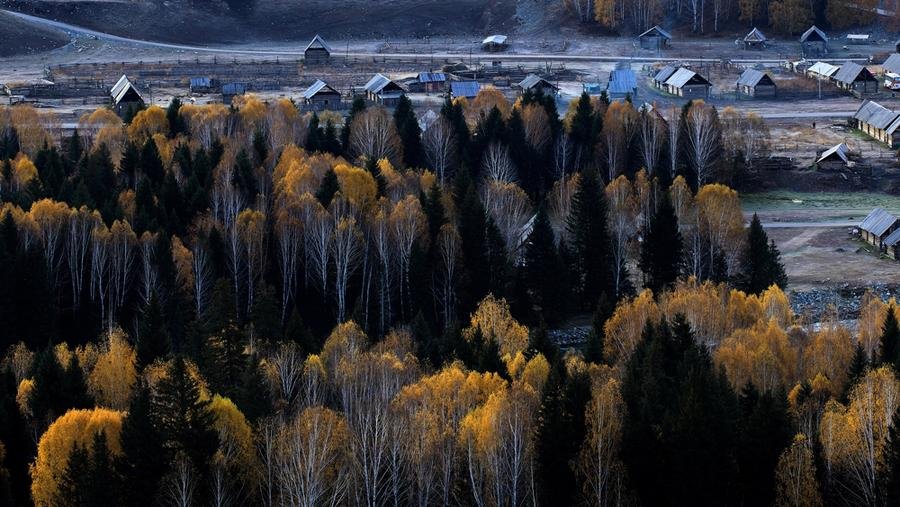
Most foreign travelers have never heard that Xinjiang makes wine. I certainly had no idea until September 2022, when I rented a car in Yining and started driving north into the Ili Valley. What I found was a quiet belt of family vineyards and small cellars sitting at roughly 43 degrees north, the same latitude band as Bordeaux. This guide is the route I wish I had before that trip, written from the driver’s seat with the window down.
Why the Ili Valley grows good wine
The valley sits between 800 and 1,000 meters above sea level, a gentle elevation that protects the vines from the worst of the summer heat. It gets more than 180 frost-free days each year, which is long for such a northern latitude and gives the grapes a slow, even ripeness.
The climate is continental, with hot dry summers and cold winters that the vines survive only because farmers bury the trunks in soil. The same latitude as Bordeaux means long sunny days and cool nights, a combination that keeps grape sugars and acids in balance. I tasted a Cabernet Sauvignon here that had more freshness than many pricier bottles I had bought in Shanghai the year before.
Rain is scarce during the growing season, so disease pressure is low and farmers spray less than their European peers. The wind off the Tian Shan cools the vineyards in the evening and helps the fruit hold its acidity. On my first evening I stood in a row of Merlot and could feel the cold air pouring down from the mountains.
What grapes you will find
The main varieties are Cabernet Sauvignon, Merlot, Chardonnay and Riesling. These are the international grapes you already know from home, planted in long rows that run straight toward the snow line of the Tian Shan.
Local farmers also grow fat red globe table grapes that you will see piled in roadside baskets. They are sweet, crisp and cheap, often sold by the kilogram at the edges of villages. I bought a bag for less than ¥10 and ate it in the car for two days, wiping the juice off the steering wheel at every stop.
Do not expect the heavy oak and high alcohol of a California cabernet. The Ili reds are lighter, brighter and built for the table rather than the cellar. That style suited me, because I was drinking them with grilled lamb rather than aging them for a decade.
The regiments and their cellars
The old military regiments still shape the map here, a leftover from the mid twentieth century settlement of the frontier. The 68th Regiment and the 70th Regiment areas near Yining are where many of the small wineries cluster today.
These are not polished estates with marble tasting rooms and tour buses. They are working farms where a family presses, ferments and bottles on site, often in a shed beside the house. You might taste from a steel tank or a dusty barrel stacked in a concrete cellar, and the owner will pour without a script or a price list.
The regiments also explain the odd geography of the region, because the roads follow old field boundaries rather than any logical grid. I got lost twice near the 70th Regiment before a farmer on a tractor waved me onto a lane I would never have chosen. The detour led to the best Chardonnay of the trip.
Family cellars around Yining, Qapqal and Gongliu
Yining, Qapqal and Gongliu form a loose triangle of cellar stops within an hour of each other. Each town has a few family operations that welcome drop-in visitors during the harvest weeks.
Qapqal is the closest to the Kazakh countryside and feels the most rural, with wooden fences and apricot trees in every yard. Gongliu has slightly larger cellars with labeled bottles you can take home without guessing what is inside. I spent one afternoon in a Qapqal courtyard drinking Riesling while children kicked a football against the wall and a dog slept in the shade.
How to find the wineries
There is no wine trail sign and no app that lists them all, so this is not a route you can follow blind. Your best move is to ask at your guesthouse or at a roadside fruit stand where the nearest cellar is.
Most signs are in Chinese, so keep a translator app open on your phone and learn a handful of characters. I showed the symbols for wine and taste to a shopkeeper and was pointed down a dirt lane to a cellar I would never have found alone. Ten minutes later a grandfather was pouring me his best bottle and refusing to name a price.
Costs: tastings and bottles
A tasting runs about ¥30 to ¥80 depending on how many pours you try and how friendly you become. A bottle from a family cellar costs ¥80 to ¥400, with most good reds sitting near the lower end of that range.
Bring cash, because small cellars often do not take cards or foreign phones. I always carried a stack of ¥100 notes for exactly this kind of stop, and it never failed me. The prices are a fraction of what the same quality would cost in a Western shop, and the experience is worth more than the wine.
If you want to ship bottles home, ask the cellar about courier service, because the post office in town can send glass within China. International shipping from here is unreliable, so drink what you can and buy a second case to post to a friend in Urumqi.
The drive loop from Yining
The villages sit 40 to 90 km from Yining, so the whole loop is an easy day trip with time to spare for lunch and photographs. The roads are paved and quiet, and you will share them with more sheep than cars on the back lanes.
I based myself in Yining and made three short runs north and west over two days, never driving more than ninety minutes at a stretch. The distances feel small on the map but the light changes so fast that I kept stopping to photograph the fields, and the stops cost me more time than the roads did. A loop through Qapqal and Gongliu and back covers about 200 km of easy driving with fuel to spare.
Best time to go
September and October are the harvest months, and that is when the cellars are busiest and the grapes are still on the vine. Early October gave me golden leaves and full tanks of fresh juice at every stop I made.
By late October the first snow can close the higher passes, so plan your loop for the first three weeks of the month. I drove the first week of October 2022 and the weather was sunny every single day, with cold nights that made the yurt welcome.
Where to sleep
You can return to Yining each night, but staying out in the valley is the better story and the better rest. A yurt or a village guesthouse puts you under a sky full of stars with no city light to wash them out.
I slept one night in a yurt near the grassland and woke to cows walking past the felt door and steam rising from a kettle. Book ahead in harvest season, because the nice guesthouses fill with domestic tourists on weekends and you do not want to be knocking on doors after dark.
Combine this with Sayram Lake and Turgen Gorge
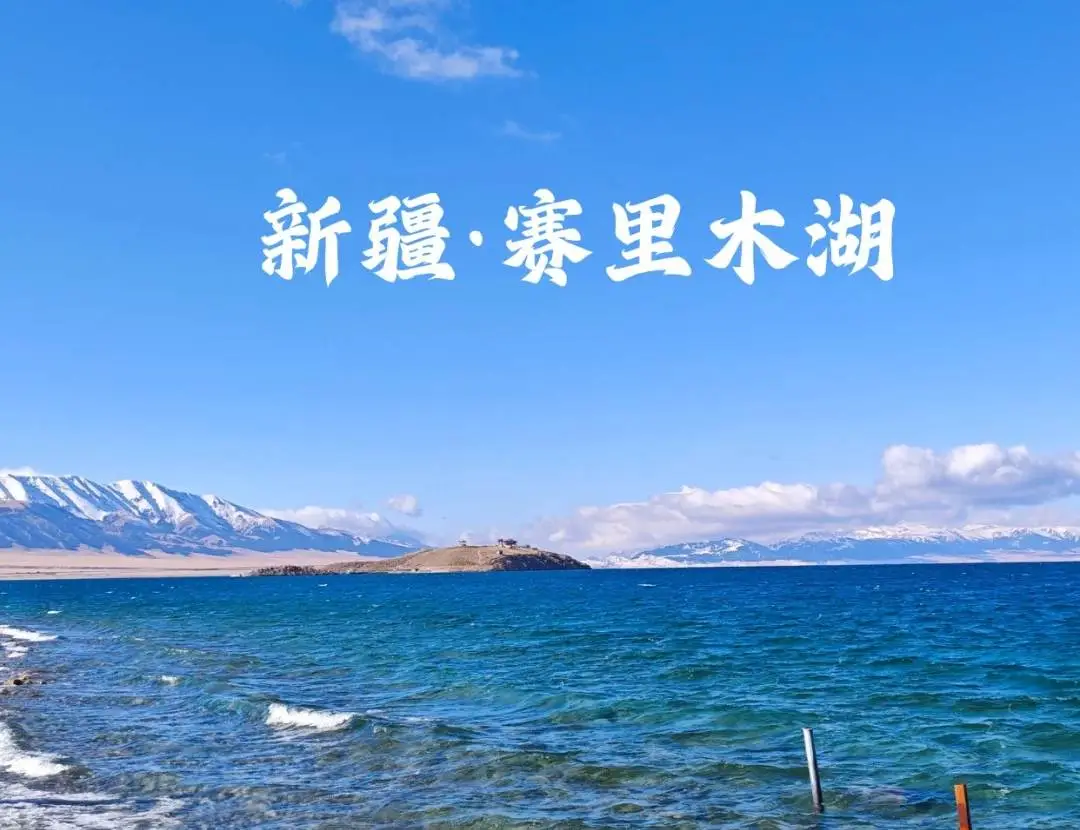
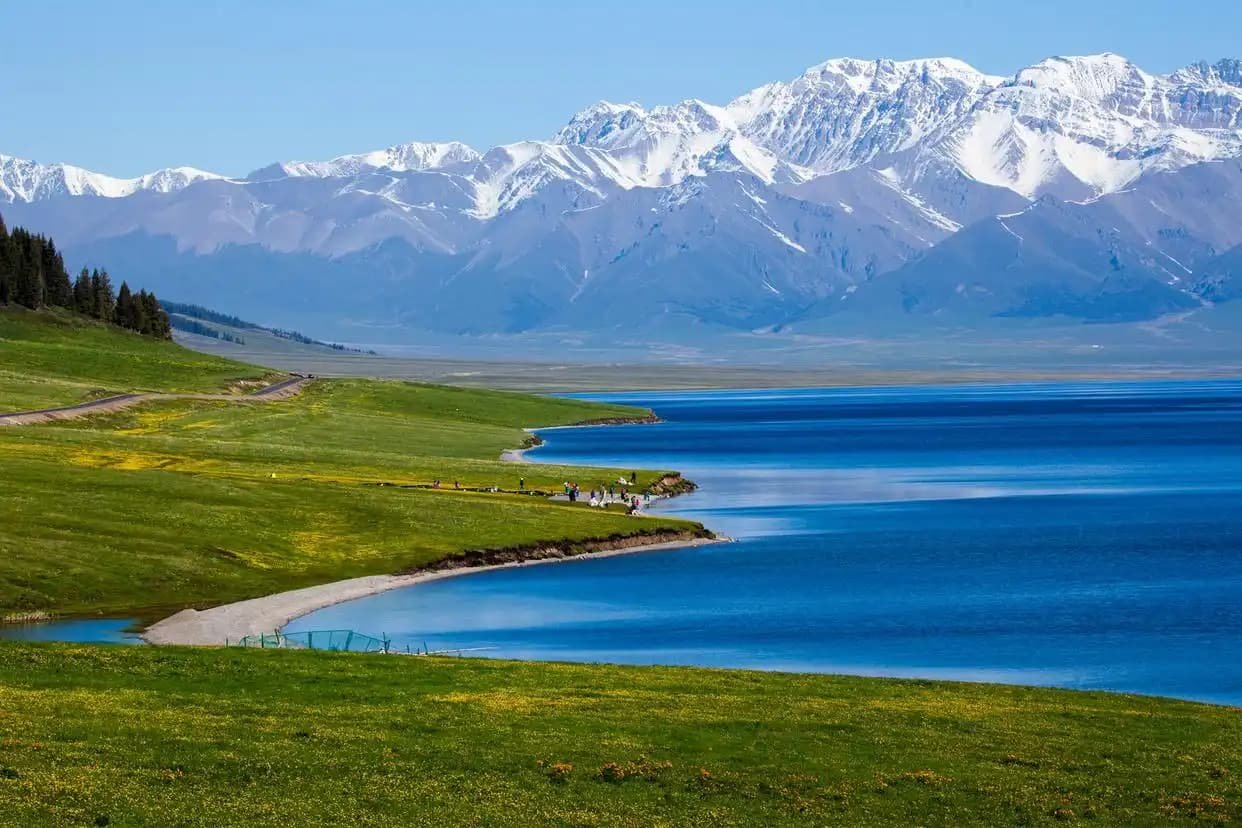
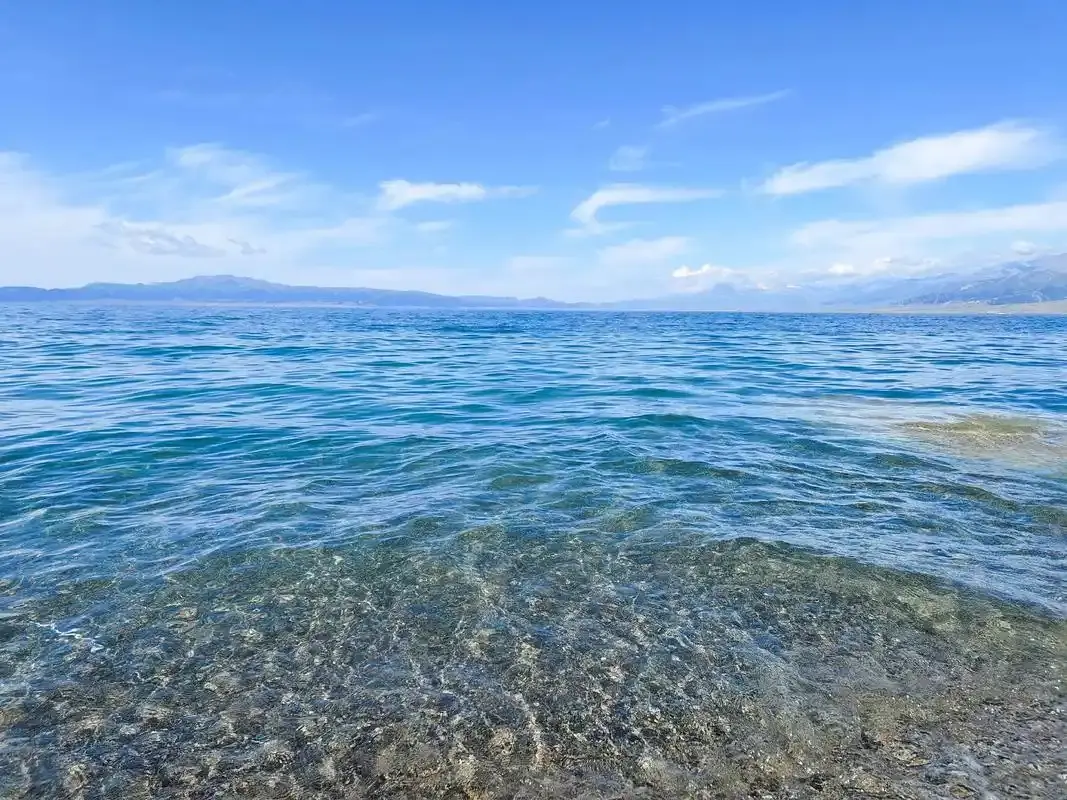
The vineyards sit on the same roads that lead to bigger sights, so you can sip wine and still see the famous postcards. Sayram Lake is a high alpine lake about two hours north, and it pairs perfectly with a wine afternoon followed by a cold shore walk.
The Turgen Gorge is another easy add, with a riverside forest that turns red in autumn and a boardwalk built for slow walking. My own route went Yining, vineyards, Turgen Gorge, then back, and the contrast between a warm cellar and a cold canyon was the highlight of the week.
A quieter backcountry option
If you want to go deeper, the Kazakh village of Qiongkushitai sits far back in the hills at the end of a long rough drive. It is a place of wooden cabins and wide meadows that reward the effort you spend reaching it.
I did not reach it on the wine trip, but I went the following spring and wished I had saved more time on the first visit. Treat it as a second loop rather than a quick stop, because the road alone takes half a day each way and you will want to stay the night.
Practical tips before you leave Yining
Fuel up and download offline maps before you go, because signal drops in the folds between the ranges and you cannot always call for help. Carry your passport, because random checks are normal on these roads and a photocopy will not satisfy the police.
Learn the Chinese characters for wine, taste, and the towns you want, and keep a translation app ready at all times. The people are friendly and curious about foreign visitors, and a smile plus a phone screen got me into cellars that had no other guests all day.
Drive slowly on the village lanes, because children and dogs appear without warning and the sheep have no sense of traffic. I dented nothing, but I came close, and a patient crawl is the right speed for both safety and scenery.
What to eat with the wine
The Ili Valley feeds you well, and the local food is built for red wine. Grilled lamb skewers, hand-pulled noodles and a flat bread called nang turn up at every stop, often within steps of a cellar.
I made a habit of buying a bottle, then walking to the nearest grill for skewers cooked over coals. The Riesling cut the fat of the lamb and the Cabernet stood up to the spices, and neither pairing cost more than ¥60 for two people. Ask your cellar host where they eat, because the best grills have no sign you can read.
Make the Ili Valley part of a longer plan
This loop works as a standalone long weekend or as the western end of a bigger Xinjiang drive that runs east toward the deserts. The city of Yining is the natural hub, with good food and a relaxed border-town feel that suits a tired driver.
Before you come, read the Ili Valley overview to understand the region, and use the Yining food guide to plan your meals around the cellar stops. If you want a second wine region, the Turpan wine country is a dry, hot contrast worth the long drive. Add the Turgen Gorge for a day of color, and keep the Qiongkushitai village guide bookmarked for when you come back with more time.