
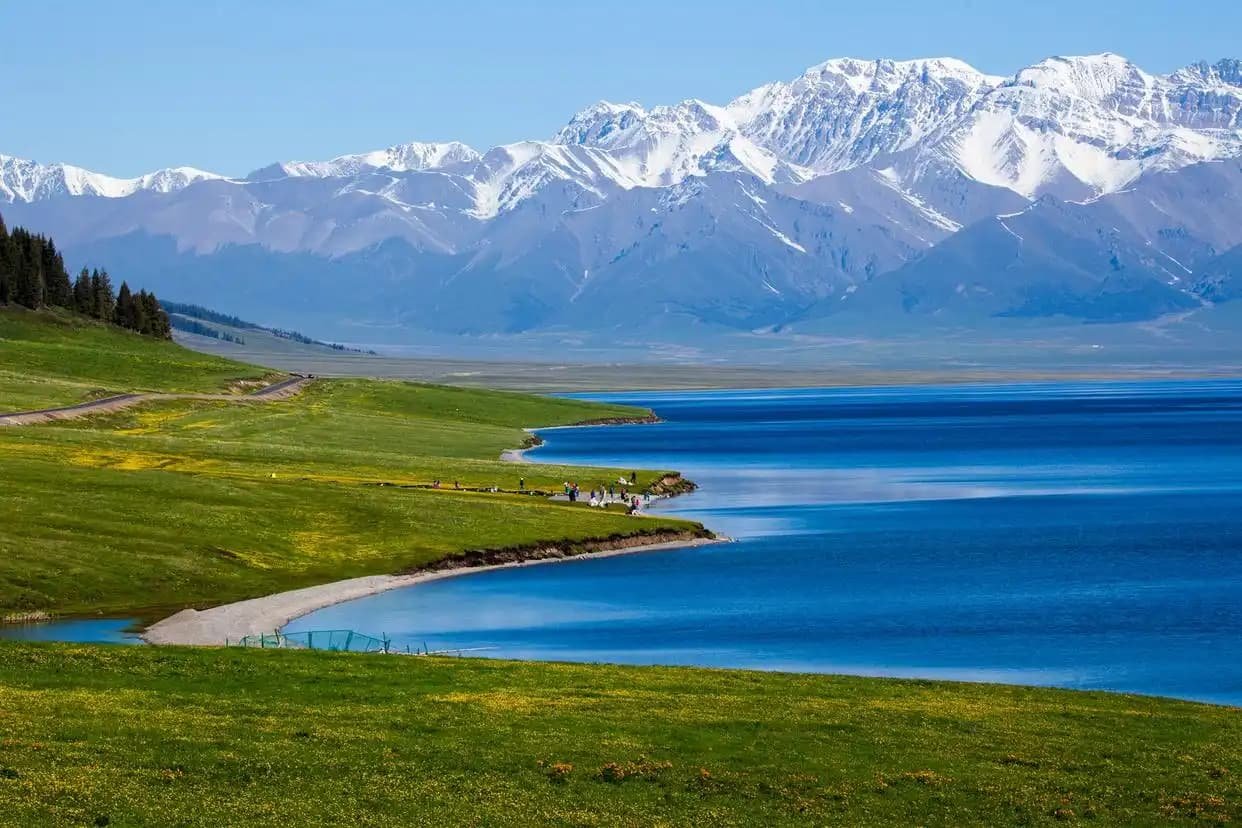
Xinjiang Shorpa and Uyghur Soups: Bowl-by-Bowl Through the Cold-Country Kitchen
Last February I sat in a back-street oshkhana in Kashgar with frost on the window and a bowl of shorpa in front of me that steamed like a small weather system. The broth was the color of weak tea but tasted of long-cooked bone, and the single strip of hand-pulled noodle coiled at the bottom like a sleeping animal. I had come to Xinjiang chasing mountains and deserts, but the thing I remember best from that two-week trip is the soup.
Xinjiang sits at the cold end of the Silk Road. Winters in the Tarim Basin drop past minus ten without much fuss, and the wind off the Pamirs in the south carries grit that gets into your teeth. The food here was built to keep a person warm, and the soups are the quiet heart of that kitchen. They rarely show up in the glossy guides next to the kebab stalls and the pilaf mountains, but ask any local where they eat when they are tired or cold and the answer is a bowl.
The first bowl in Kashgar
I landed in Kashgar after a fourteen-hour train from Urumqi and walked straight from the station into the old town, a maze of mud-brick lanes about two kilometers across. My guesthouse host pointed me at a place she called simply the soup house, near the Id Kah Mosque, and told me to order shorpa and nothing else on the first night. The room held maybe eight tables and a stove that roared in the corner.
The bowl arrived in under four minutes. It was a wide shallow lagan full of clear broth, a fist-sized chunk of mutton on the bone, a halved onion raw on the side, and one thick noodle the cook had pulled and dropped in at the last second. I paid ¥28 and left feeling, for the first time that winter, like I had properly arrived somewhere.
What struck me was the restraint. There was no chili oil freckling the surface, no pile of cilantro, no sour hit of vinegar. The soup tasted only of the animal and the water and time. That is the whole point of shorpa, and it took me a few nights to understand it.

Shorpa, the mutton-bone bowl
Shorpa means soup in Uyghur, and in practice the word almost always means this one: mutton simmered for hours with onion, a little carrot, and salt, served with the bone still in it and a noodle or two swimming alongside. The best versions I ate came from places that did nothing else. In Hotan I found an oshkhana near the Sunday bazaar where the cook kept three pots going, each at a different stage, so a customer at any hour got broth that had been breathing on the fire since dawn.
The meat matters more than the spice. Xinjiang sheep graze on wild sagebrush and salt grass out on the plains, and the lamb carries a sweetness you do not get from grain-fed animals. A good shorpa uses the neck and the shank, the parts with cartilage that melt into the broth and give it body without flour or cream. I learned to ask for the bone-in piece specifically, since some counters will slide you a leaner chop if you do not.
How to order it without looking lost
Point at the pot and say shorpa, then decide on bread. Most shops sell round nan hot from a nearby tandir, and you tear it and float the pieces. The raw onion is not a garnish, it is the condiment; you bite it between spoonfuls to cut the fat. Nobody eats shorpa fast. The bowl is built to sit in front of you for forty minutes while the street goes dark outside.
Prices stay honest. In Kashgar and Hotan I never paid more than ¥35 for a full bowl with bread, and in smaller towns like Korla the same meal ran closer to ¥25. The tourist strips near the Karakoram Highway trailheads charged more, sometimes ¥45, but the soup was the same.
Etiquette that nobody will tell you
Slurping is fine. Leaving the bone clean to the sinew is a quiet compliment to the cook. If you are offered tea, take it; the house black tea is free and it is what locals drink between bites. I made the mistake once of asking for a spoon and a fork together and got a look, then a demonstration of how to lift the bone with the left hand and strip it with the right. Eat the way the room eats.
Osh, the polo that turned to broth
Osh is the Uyghur word for polo, the rice pilaf that is the region’s banner dish, but in soup form it becomes something gentler. Where the classic Uyghur polo piles carrot and lamb over greasy rice, osh broth keeps the same cast of characters loose in a thin stock. You get shreds of carrot, bits of lamb, and sometimes a few grains of rice drifting at the bottom like sediment.
I ate my first osh in Yining, in the Ili Valley, on a morning that had started at minus six. The cook told me it was a breakfast soup, something old men ate before the day’s work, and he served it with a soft fried bread he called girde. The broth was lighter than shorpa, almost sweet from the carrot, and it went down before I noticed. This is the soup for a queasy stomach or a hung-over morning, and half the charm is that it asks nothing of you.
What confused me at first was how many names one pot could carry. In some towns the same broth is called osh su, the water of polo, and in others it is just shortening. Order by pointing at the rice version first and then miming a bowl with your hands; the cook will know.
Suytash, the milk-noodle comfort
Suytash is the one I crave in memory. The name breaks into milk and dough, and that is the whole recipe: a milky broth, barely salted, with tiny hand-rolled noodles dropped in and a knob of butter melting on top. There is no meat in the honest version, though some counters add a scatter of lamb. It is the soup Uyghur mothers make for children and for anyone who looks like they need feeding.
I had it in Urumqi on a sick day, in a canteen near the southern bus station where the only English on the menu was the word SOUP in crooked letters. The bowl was the color of old pearl, warm rather than hot, and the noodles were the size of my little fingernail. I finished it and ordered a second, which the woman behind the counter seemed to find deeply funny.
Suytash pairs well with the region’s dairy habits, and if you want to go deeper into the fermented side of the table, the drinks beyond beer worth knowing include kumis and herbal teas that sit alongside a milk soup without fighting it. I would not mix the two in one meal, but the logic of the cold-country pantry connects them.
Kawa, the pumpkin soup of autumn
Kawa is pumpkin, and kawa shorpa is what happens when the autumn gourds come in. The soup is roasted pumpkin pounded into a broth with onion and a little stock, sometimes thinned with milk, sometimes not. It shows up only in the shoulder seasons, roughly September through November, when the melon trucks slow down and the squash takes over the bazaar floors.
I caught it once in Payzawat, a county town about sixty kilometers east of Kashgar, in a courtyard kitchen where the pumpkins were stacked like cannonballs against the wall. The cook roasted them whole in the ash of the tandir, scooped the flesh, and beat it into the pot. The result was thick enough to stand a spoon in, sweet in the way only roasted squash gets, with a savory pull from the onion underneath. It cost ¥18 and came with bread still too hot to hold.
Kawa is the soup most likely to surprise a foreign traveler, because it reads as dessert and then doesn’t. Order it as a side to a plate of Uyghur kawap kebabs and you get the sweet-savory swing that the whole regional kitchen is built around. The pumpkin cuts the smoke of the charcoal meat better than any salad would.
Laghman soup and the noodle family
Laghman is the hand-pulled noodle dish everyone knows in its stir-fried form, but the soup version is older and, to my taste, better in cold weather. Laghman shorpa takes the same pulled ribbons, the ones with the chewy bite that only hand-stretched dough holds, and lays them in a tomato-and-mutton broth with green pepper and a little celery. It is shorpa’s louder cousin, the one with color.
You can read the whole laghman noodle tradition elsewhere, but the short version is that the soup is the dish before it left the wok. In Yining I watched a cook pull the dough to the length of his arm, cut it into ribbons, and drop them straight into a broth already simmering with tomato. The noodles finished in the liquid and soaked up the red. A full bowl there was ¥30, and it came piled higher than the rim.
This is the soup to order when you want vegetables with your warmth. The peppers and tomato give it a brightness the meat broths lack, and the hand-pulled noodle keeps its spring even after ten minutes in the bowl. I ate laghman soup four times in nine days and never once got the fried version, which tells you where my loyalties landed.
Where to sit down and order
The soups hide in plain sight. Look for the word oshkhana on a sign, which means cooked-food house, or shorpa khana if you are lucky enough to find one. In Kashgar the old town behind Id Kah has a cluster within a five-minute walk. In Urumqi the rings around the southern bus station and the back lanes of the Erdaoqiao bazaar hold the cheap ones. Hotan’s bazaar edge and Yining’s street-canteen strip near the river are both reliable.
Avoid the glass-front places on the main squares that have picture menus in three languages. The soup is fine there but priced for the view. Walk two streets back, find the room with steam on the windows and a single pot on the stove, and sit where the old men sit. That is the whole method, and it has not failed me yet.
I kept a running list on my phone of bowls worth the detour. The Kashgar bone shorpa near the mosque. The Yining osh at the girde counter. The Urumqi suytash at the southern station. The Payzawat kawa in autumn only. The Yining laghman soup anywhere with a pulling board out front. Five bowls, five towns, none of them more than a short walk from a bus or a train.
Prices, portions, and what to expect
Budget ¥25 to ¥45 per soup with bread, more at the trailhead cafes, less in the county towns. Portions are built for a meal, not a starter, and most shops will top up your broth for free if you ask and point at the pot. Tea is usually on the house. Nan is extra, typically ¥2 to ¥4 a piece, and you will want two.
None of these soups are spicy by default. If you want heat, the chili paste on the table is there for a reason, but add it slow; a heavy hand buries the broth you came for. The steamed manti dumplings on the same menu make a good shareable side, and a plate of them between two people turns one soup each into a proper feast.
Hours run early to late but not always straight through. The breakfast osh houses open before eight and close by noon. The shorpa counters keep evening hours and thin out after ten. In smaller towns the pot is done when the pot is done, so arriving before eight in the evening is the safe play.
A cold-country kitchen worth the detour
I went to Xinjiang for the lakes and the passes and the long empty roads, and I found those. But the soupy part of the trip is the part that stuck. There is a particular comfort in a back room with frost on the glass and a bowl that tastes only of bone and water and patience, and Xinjiang serves that comfort in a dozen quiet forms.
Shorpa first, because it is the key. Then osh when you want it light, suytash when you want it soft, kawa in the autumn, laghman soup when you want it red. Learn the five and you have a meal in any town from Kashgar to Yining to Korla, at any hour the cold catches up with you. The mountains will wait. The soup will not.