
Kashgar Sunday Livestock Market: Food & Culture Experience Guide
A man in a brown chapan was holding a sheep’s mouth open with both hands while another man peered at its teeth, and behind them a truck was reversing into a wall of tethered animals, and somewhere to my left a donkey started screaming. It was 10:40 on a Sunday morning in April 2023, my fourth visit to the Kashgar livestock market, and I still had no idea where to stand.
This is the least curated thing you can do in Xinjiang. There is no ticket, no gate, no signage in English, and nobody is performing for visitors. It is a functioning agricultural market that has run on Sundays for centuries and would run identically if not a single tourist showed up. That is exactly why it is worth your morning.
First, Two Different Markets
People conflate these constantly and then turn up at the wrong one.
The Grand Bazaar, formally the Central and Western Asia International Trade Market, sits on Aizirete Road in the city and operates every day of the week. It sells carpets, textiles, hats, knives, spices, dried fruit and hardware. It is busiest on Sunday. It is roofed, orderly and easy.
The livestock market, called Mal Bazar in Uyghur and shengchu bazha in Chinese, runs on Sundays only, on open ground in the northeastern outskirts roughly 8 to 10 km from the centre. This is where animals are bought and sold. Mud, dust, noise, smell, and the single best food I eat in Kashgar.
If your taxi driver takes you to the Grand Bazaar when you wanted the livestock market, you will get a pleasant shopping trip and miss the thing you came for. Say Mal Bazar and show the Chinese characters 牲畜巴扎 on your phone.
A Bit of History
Kashgar sat at the junction where the northern and southern branches of the Silk Road rejoined west of the Taklamakan. Weekly markets served the agricultural hinterland long before the trade route had a name in any European language, and the Sunday cycle has proven remarkably durable through every change in how the region is governed and farmed.
What you are watching is an old economic institution, not a heritage display. Farmers from the villages around Kashgar bring animals in the back of small trucks and on trailers pulled by motorcycles. Buyers are butchers, other farmers, and traders who will move animals on to other county markets. Deals are still done by hand, sometimes literally, with the two parties clasping hands and negotiating through squeezes hidden under a sleeve so the surrounding crowd cannot see the numbers.
I have watched that sleeve haggling perhaps a dozen times and still cannot read it. Neither can the onlookers, which is the point.
Getting There
The market has moved location more than once over the decades as the city has expanded, so a pin from a 2015 blog post may be wrong. Confirm with your accommodation the night before.
| Method | Cost (CNY) | Notes |
|---|---|---|
| Didi from city centre | 25–45 | Easy going out. Hard to get a return pickup |
| Street taxi | 30–60 | Agree the price before getting in |
| Driver hired to wait | 150–250 for the morning | What I do now. Solves the return problem |
| Local bus | 1–2 | Cheap, slow, requires local knowledge to find the right route |
| Guesthouse shared transport | 40–80 per person | Several old town guesthouses organise Sunday runs |
The return journey is the part to plan. At 13:00 on a Sunday there are two hundred people trying to leave and not many empty cars arriving. On my second visit I waited 50 minutes in the sun. Now I pay a driver to sit and wait, and the extra ¥100 is the best money I spend in Kashgar.
If you are flying in specifically for this, the Sunday timing shapes your whole booking. Options and schedules are covered in the Kashgar airport flights guide. Arriving Saturday and leaving Monday is the clean version.
The Time Problem, and It Is a Real One
Xinjiang officially runs on Beijing time. Local life in Kashgar runs roughly two hours behind it, on what everyone calls Xinjiang time. Shops open late by the clock on your phone. Lunch is at 14:00 Beijing time. Sunset in summer can be after 22:00.
The market operates on local rhythms. Sellers start arriving before dawn in local terms, which is around 08:00 Beijing time. When a guesthouse owner tells you “get there by nine”, ask which nine. I have made the mistake of arriving at 07:00 Beijing time to an almost empty field.
| Beijing time | What is happening |
|---|---|
| 08:00–09:30 | Trucks arriving, animals being unloaded and tethered. Good light, few people |
| 09:30–11:00 | Filling up. Trading begins in earnest. Food stalls firing up |
| 11:00–14:00 | Peak. Maximum noise, maximum chaos, maximum interest |
| 14:00–15:30 | Deals concluding, animals loading out, eating |
| After 15:30 | Winding down. Mostly gone by late afternoon |
My preference is to arrive around 09:15 and stay until 13:30. The early hour gives you the unloading, which is visually the best part, and the late morning gives you the trading and the food.
What You Will Actually See
The ground is divided into loose zones, not by any signage but by long-standing convention. Sheep and goats occupy the largest area, tethered in rows along cables staked into the earth. Cattle are separate. Donkeys and horses have their own patch, and this is where the test drives happen, with buyers riding donkeys up and down a strip of ground while everyone watches and comments.
Fat-tailed sheep dominate. The local Dolan and Kashgar breeds carry a large fat deposit at the rear that looks startling if you have not seen it before, and it is the most prized part of the animal for cooking. Buyers assess an animal by feeling that tail, checking the teeth for age, and running hands along the back.
Camels appear in smaller numbers, usually Bactrians, usually looking supremely unbothered by everything. Yaks turn up occasionally, brought down from the higher ground. In spring you will see a lot of very young lambs.
Indicative prices, from conversations rather than transactions, because I have never bought a sheep:
| Animal | Rough price range (CNY) |
|---|---|
| Lamb | 800–1,500 |
| Adult fat-tailed sheep | 1,200–2,800 |
| Goat | 700–1,800 |
| Cattle | 6,000–15,000 |
| Donkey | 1,500–4,000 |
| Horse | 6,000–20,000 |
| Bactrian camel | 10,000–25,000 |
Treat those as orientation only. Prices move with feed costs, season and the quality of the animal, and a farmer would laugh at how wide my ranges are.
The Food, Which Is the Real Reason to Go
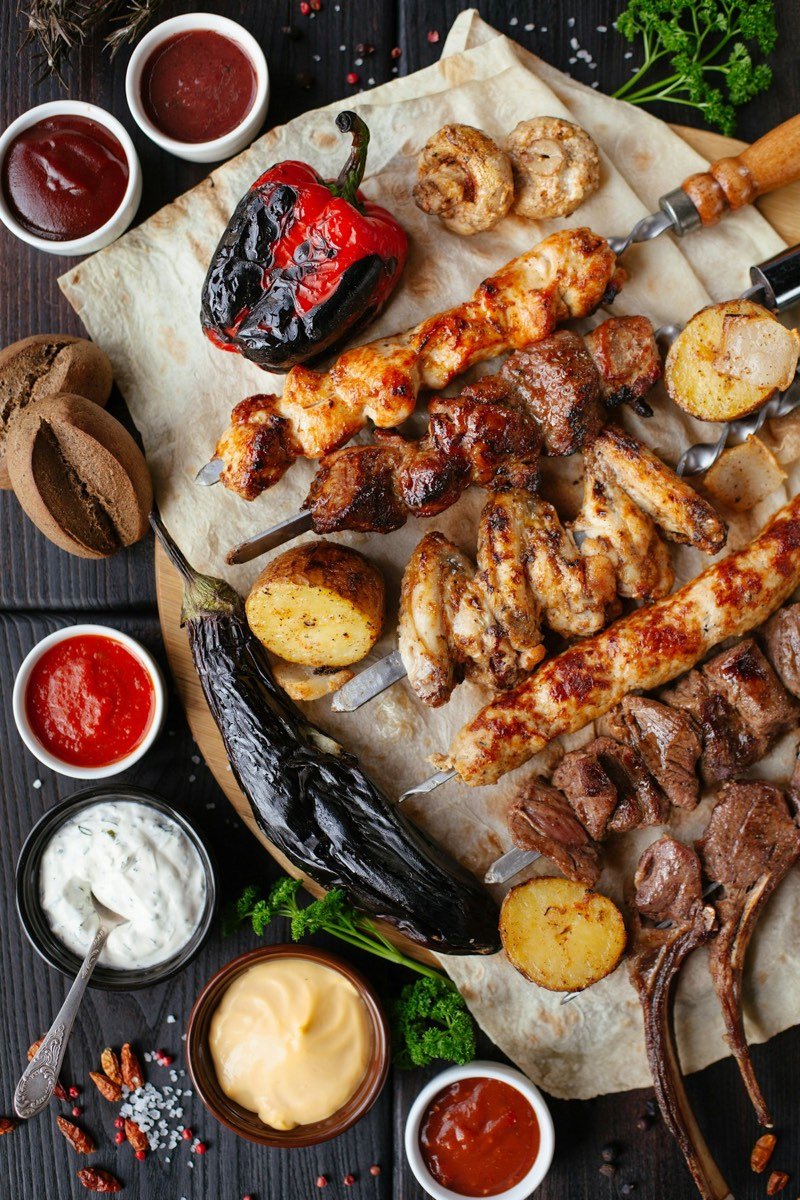
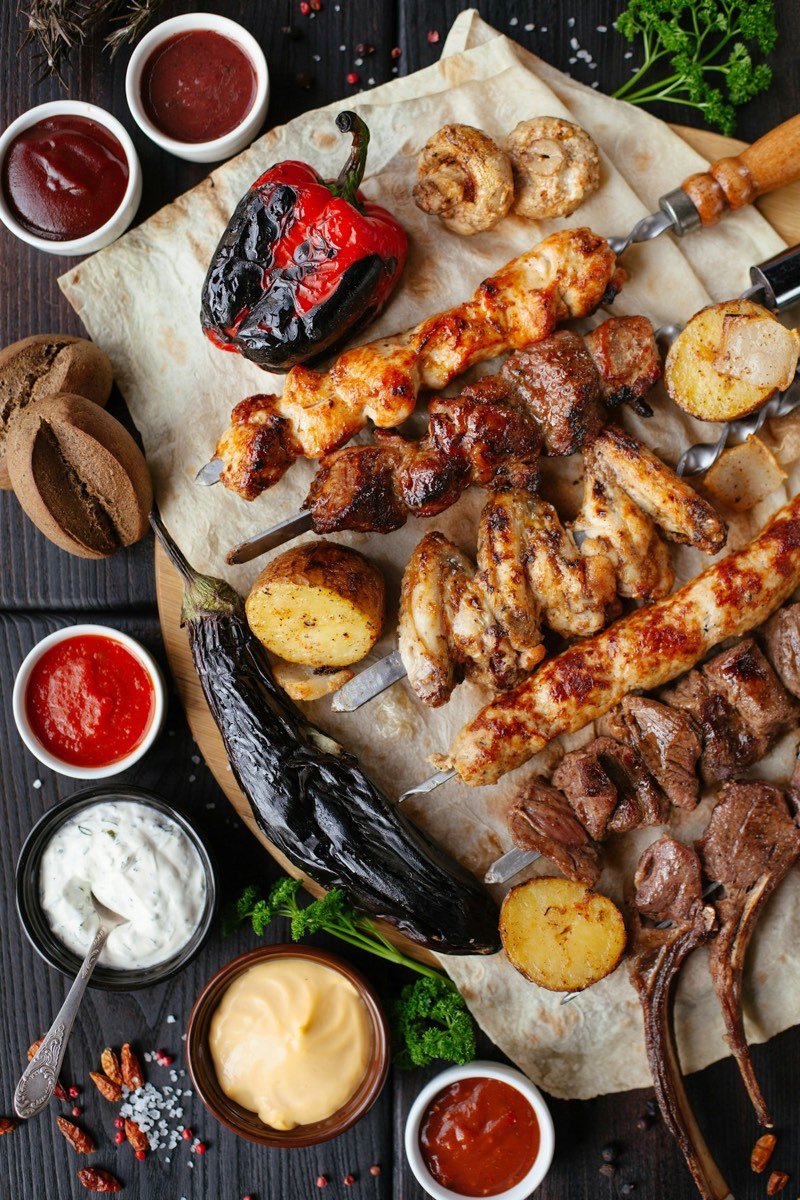
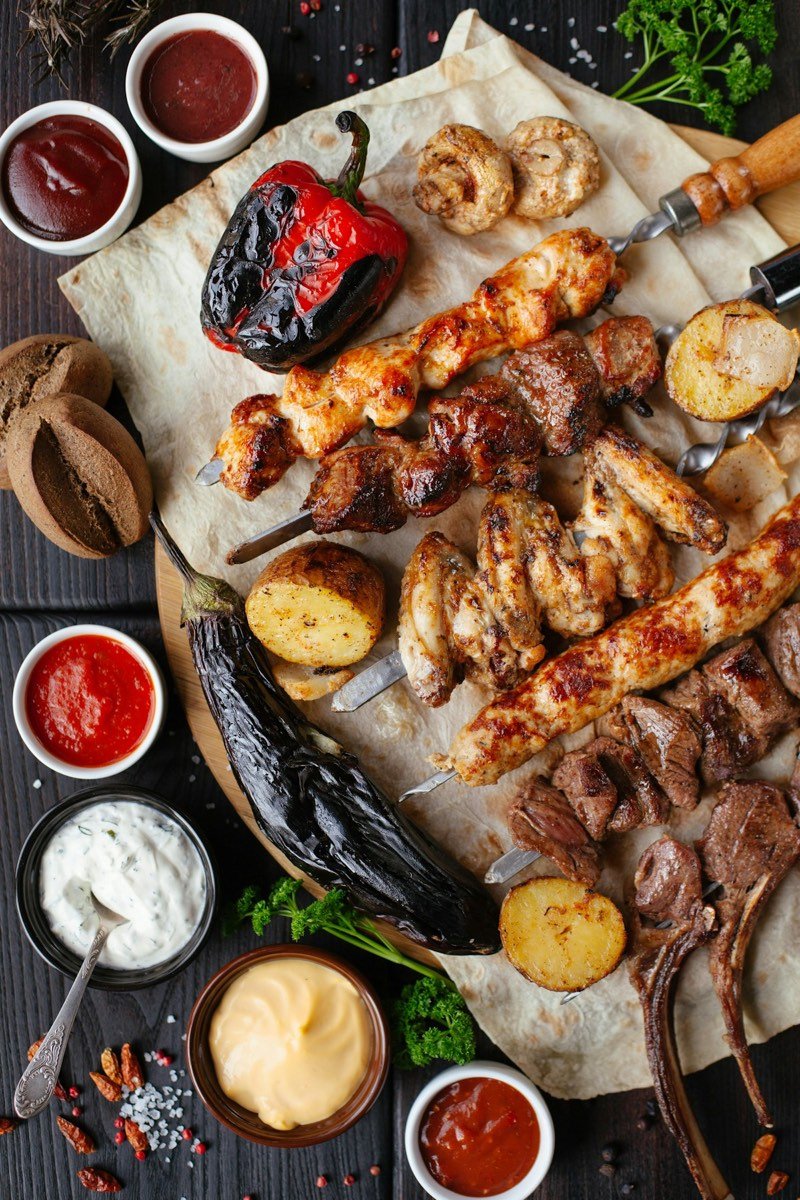
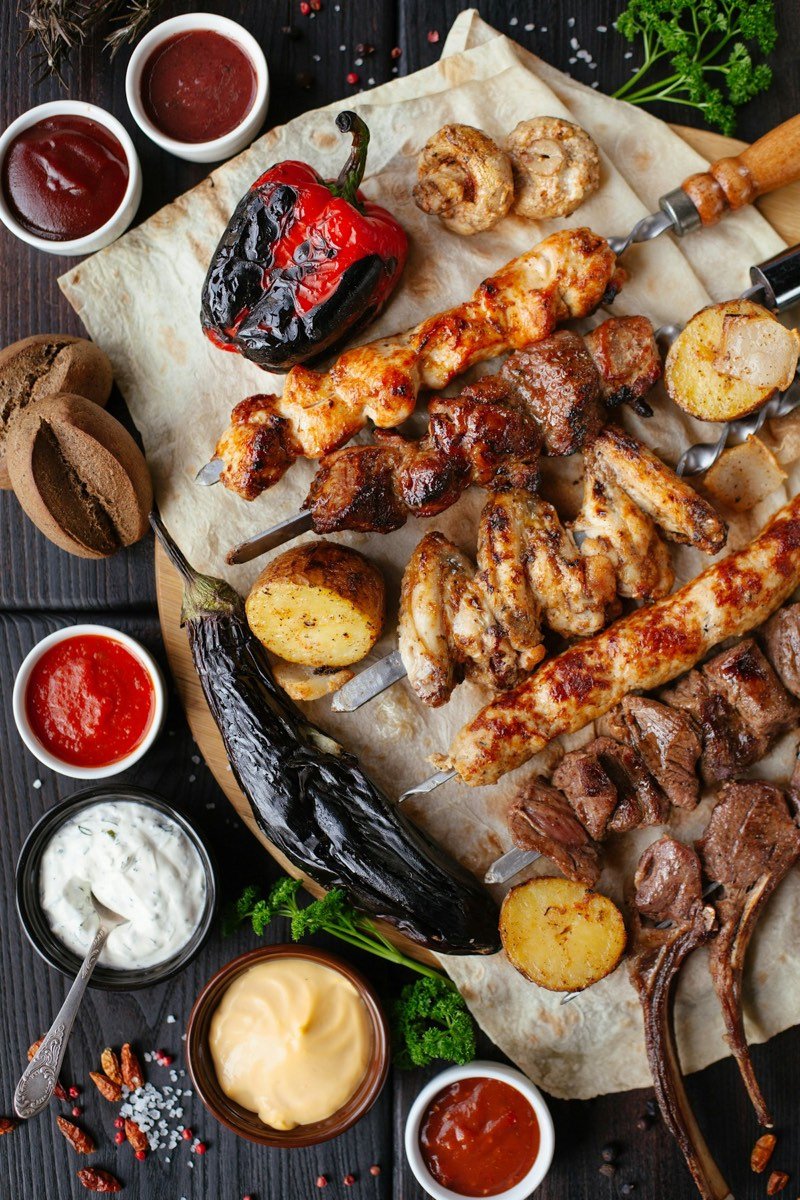
Here is the thing nobody tells you. The eating at the livestock market is better than anywhere in Kashgar city, and it is better for a specific reason: the customers are farmers who have been up since four and know exactly what good mutton tastes like. Nobody is cooking for tourists.
The kebab pits sit along one edge of the ground, long troughs of charcoal with skewers laid across them and a man working a piece of cardboard as a fan. The meat is cut thick, alternating lean and fat, seasoned with salt, cumin and chilli and nothing else.
| Dish | Uyghur name | Price (CNY) | My notes |
|---|---|---|---|
| Mutton kebab | Kawap | 5–8 per skewer | Order four. You will want six |
| Offal soup | Öpke | 10–18 a bowl | Lung, liver, intestine, broth. The genuine article |
| Baked meat pastry | Somsa | 5–8 | Straight off the tonur wall, burns your fingers |
| Bread | Nan | 2–5 | Buy one to tear into the soup |
| Pilaf | Polu | 15–25 | Served from a cauldron the size of a bathtub |
| Hand-pulled noodles | Leghmen | 15–25 | Fewer stalls do this here |
| Milk tea | Süt chay | 3–6 | Salty, hot, exactly right at 09:30 |
| Iced yoghurt | Doghap | 6–10 | Summer only. Shaved ice, yoghurt, sugar |
The öpke divides people. It is a broth of lung and liver, sometimes with rice-stuffed intestine sliced into it, ladled from a vat that has been going since before dawn. My first bowl in 2016 defeated me. My fourth, in 2023, was one of the best things I ate that year. Order it with bread, eat it hot, and do not think too hard about it the first time.
Sit on the low benches with everyone else. Nobody will mind. I have been handed tea by strangers at that market three separate times. Broader context on the regional cooking is in the Kashgar Old Town guide, but the market food is a category of its own.
Photography Etiquette
I want to be direct about this because the market attracts photographers and some of them behave badly.
These are people at work on a working morning. A man negotiating the sale of an animal that represents a meaningful share of his annual income does not owe you a portrait. Ask before you point a camera at a face. The Uyghur phrase is sürete alsam bolamdu? and holding up the camera with a questioning expression communicates it fine.
What has worked for me: buy something first. Eat at a stall, chat badly in three words of Uyghur, then ask. The refusal rate drops to almost nothing. What does not work: a 200mm lens from thirty metres away, which everyone notices and nobody appreciates.
Other practical points. Do not photograph money changing hands during a negotiation. Do not use flash near animals. Do not climb on trucks or fences for a better angle. And if someone waves you off, smile, put the camera down and move on. It costs you one frame.
Technically, a 24-70mm equivalent covers almost everything. The scenes are close and chaotic rather than distant. I shoot at f/5.6 and higher ISO than feels comfortable because everything is moving.
Practical Survival
Footwear. Closed shoes you do not care about. The ground is a mixture of dust, mud and animal waste depending on the weather. I have ruined one pair of trainers here.
Clothing. Long trousers. Something you can wash. The smell attaches itself to fabric and lasts until laundry day.
Cash. Bring ¥200 to ¥300 in small notes. Some food stalls have QR codes now, many do not, and the older traders deal exclusively in paper.
Water. Bring a bottle. There are vendors, but you will want it before you find one.
Hand sanitiser. You will be touching benches, notes and food in an environment full of livestock. This is not squeamishness, it is basic hygiene.
Toilets. Basic facilities exist on the edge of the site. Manage your expectations and bring your own tissue.
Situational awareness. Animals move suddenly and trucks reverse without much ceremony. Do not stand directly behind a horse or a cow. Keep your bag in front of you in the crush, not because of theft, which I have never experienced there, but because you will get shoved.
The Animal Welfare Question
Worth addressing honestly rather than pretending it does not come up. This is a livestock market. Animals are tethered in the open for hours, handled roughly by Western pet-owner standards, transported in crowded trucks, and sold for meat. Some visitors find it upsetting.
What I have observed over four visits is farmers handling valuable property competently rather than cruelly, because a stressed or injured animal sells badly. That is not the same as a modern welfare framework and I am not going to claim it is. If you are vegetarian on ethical grounds, or if the sight of animals being assessed for slaughter will distress you, this is not your morning out. Go to the Grand Bazaar instead.
The pastoral economy behind all of this, and what it looks like from the herding side, is a bigger subject covered in the guide to Kazakh nomadic life and yurt stays.
Fitting It Into a Kashgar Itinerary
Sunday is the fixed point. Build the rest around it.
Saturday: arrive, walk the old town in the afternoon, eat at the night market near the Id Kah area. Early night.
Sunday morning: livestock market from 09:15 to 13:30. Eat there, do not plan lunch.
Sunday afternoon: shower, change clothes, then the Grand Bazaar on Aizirete Road, which is at its busiest and best on Sunday afternoon. This is where you actually buy things, and the Xinjiang souvenirs guide covers what is worth carrying home and what is not.
Sunday evening: old town lanes in the golden hour, when the light comes down the alleys sideways and the residential quarters come alive.
Monday: Id Kah Mosque, the Abakh Hoja Mausoleum, and either onward travel or a day trip.
If you can only have one full day in Kashgar, make it a Sunday. I would trade any other single day in southern Xinjiang for it.
Common Questions
Is it open every Sunday, year round?
Yes, in normal conditions, including winter. Winter is a genuinely different experience, colder and smaller, with steam rising off everything and the food tasting twice as good. Major religious festivals shift the rhythm, and Corban and Roza Heyt periods change both the scale and the atmosphere.
Do I need a guide?
Not to visit. A guide is useful if you want the negotiations explained, and a Uyghur-speaking guide will get you into conversations you cannot have alone. Expect ¥300 to ¥600 for a half day. I have done it both ways and enjoyed both.
Is there an entrance fee?
No. It is free to walk in.
Can I bring children?
Yes, with supervision. It is crowded, muddy and full of large animals, so hold hands. Older children generally find it fascinating.
How long should I allow?
Three to four hours including eating. Under two hours and you are rushing. Over five and you have seen it.
Is it safe?
In my experience yes, with the usual crowd sense you would apply anywhere. The hazards are livestock and vehicles, not people.
Can I buy an animal?
You can. Getting it home is your problem.
What to Do Next
Check which day of the week your Kashgar nights fall on and rearrange them if Sunday is not covered. This single scheduling decision determines whether the market happens for you at all.
Then, on the Saturday, ask your guesthouse two questions: where exactly is the market meeting ground this season, and can they arrange a driver to take you at 09:00 Beijing time and wait until 13:30. Agree the price that evening.
Put ¥250 in small notes in your pocket, wear the shoes you are prepared to lose, and go hungry. The kebabs come off the charcoal at around 10:00 and there is no reason to eat breakfast first.
Based on four visits between 2016 and 2023, most recently April 2023, with prices updated from local contacts in August 2026. Market location and timings can change. Confirm locally before you go.