
2WD or 4WD in Xinjiang? A Rental Decision Guide That Saves You Money
2WD or 4WD in Xinjiang? A Rental Decision Guide That Saves You Money
The rental counter will always, without fail, suggest the more expensive four-wheel-drive. The agent is not being malicious; the 4WD is the profitable unit, and the commission is better. After three trips and roughly six thousand kilometers of Xinjiang tarmac, gravel, and the occasional washed-out county road, my honest answer is that most travelers do not need it, and the money you save is better spent on an extra night in a good hotel and a few memorable meals. But there are specific, nameable cases where a two-wheel-drive will genuinely strand you, and walking into those unaware is how people end up sleeping in a county-town guesthouse they did not budget for. This guide walks through the real terrain, the real costs, and the decision rule I actually use before I sign the contract.
The romance of a 4WD is real. The badge promises freedom, and the photos on the rental website show the truck cresting a dune. But Xinjiang’s traveled roads are kinder than their reputation, and the brochure is selling a fantasy of where you will drive rather than the paved loops most people actually follow. Book the car that fits the roads you will really use, not the ones on the postcard.
The headline: paved roads reach almost everything
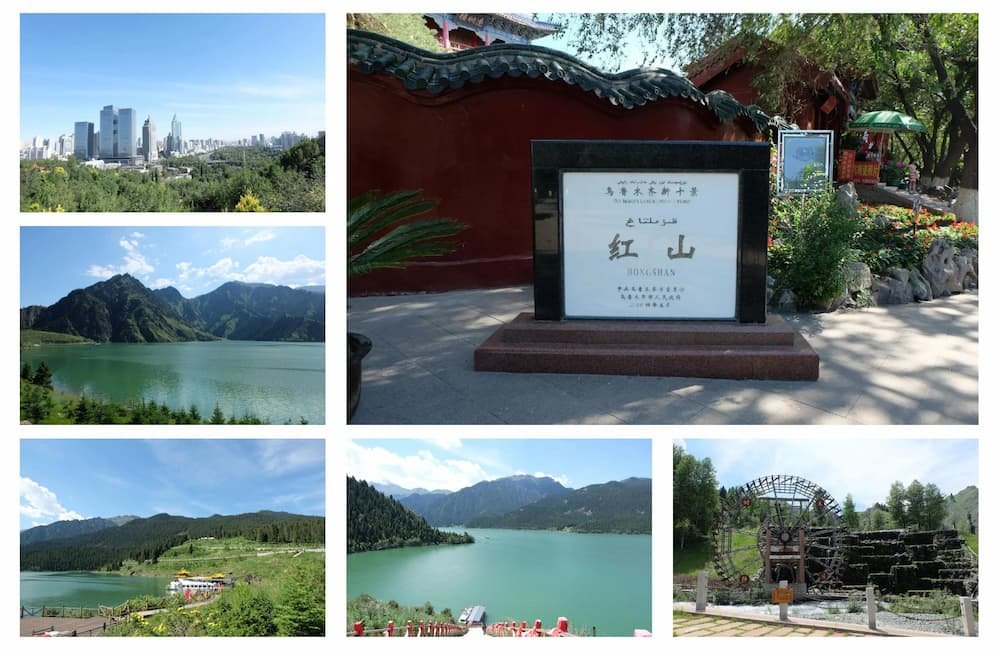
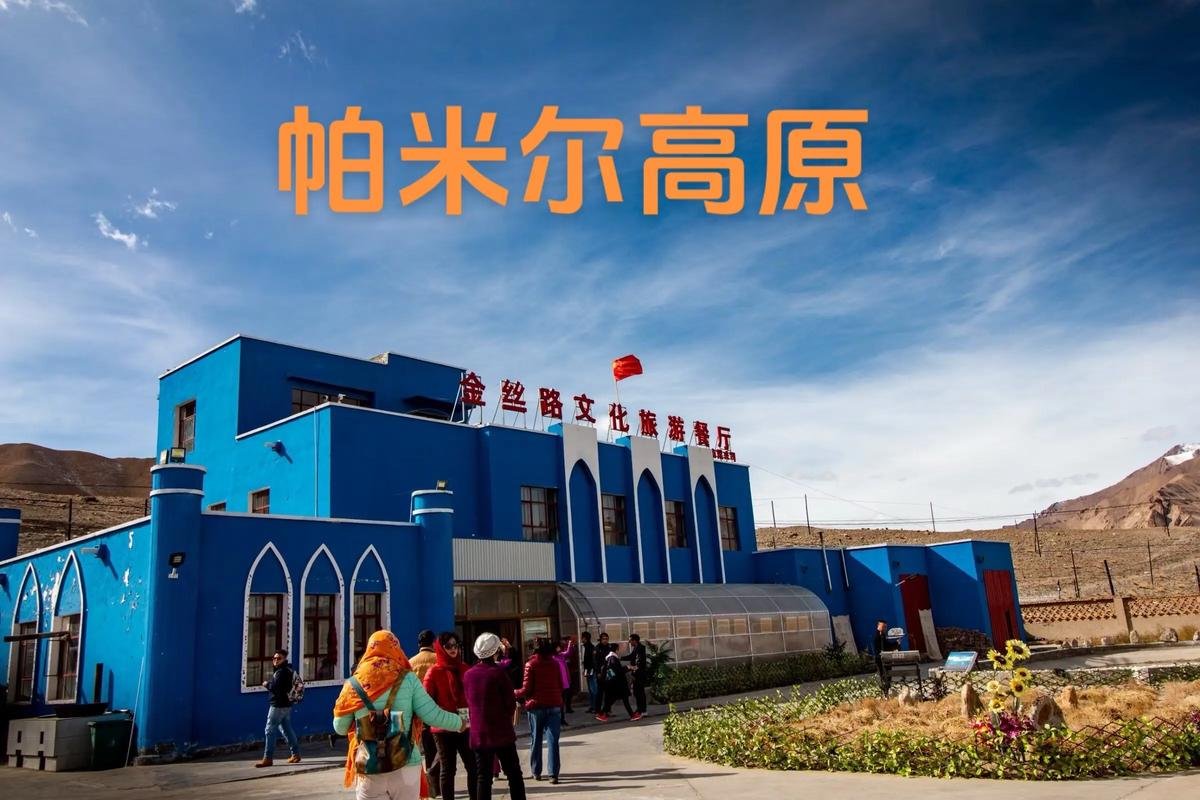
Xinjiang’s main attractions, Kashgar, Turpan, Urumqi, Sayram Lake, the Duku Highway, and even the dramatic road up to Karakul Lake, are fully paved and regularly patrolled. A standard sedan or a compact SUV on those routes is perfectly fine, and you will not once wish for low-range gearing. The paved network is far better than most foreigners expect, because China poured enormous money into these tourist corridors over the last decade, and the result is smooth, well-signed highway where a humble compact is as capable as anything with a transfer case. If your plan is city-to-scenic-spot driving on the standard loops, stop reading this section and book the cheap car with confidence.
I did the entire Kashgar to Urumqi run, including the Duku, in a front-wheel-drive compact, and the only moment I questioned it was a snow patch on the Duku’s high pass in early June, which a set of decent tires handled without drama. The point is not that 4WD is useless; it is that the places most tourists go are reachable by the car you would drive to the supermarket. Reserve the heavy machinery for the places that actually need it.
Where 2WD actually struggles
There are three situations where two driven wheels will let you down. The first is unsurfaced county roads after rain, where the loose approach to some grassland spots near Tangbula turns to axle-deep mush and a front-wheel car simply sits there spinning. The second is sand or soft desert tracks that leave the highway, where a single spinning wheel digs you in faster than you can say “recover strap,” and no amount of throttle helps. The third is deep snow or ice on the high passes in the shoulder seasons, though for that particular problem tires matter more than drivetrain, and our winter tires guide explains why a good snow tire on a 2WD beats a bald all-season on a 4WD every cold morning. If none of those three are on your itinerary, the two-wheel car wins on price, comfort, and deposit.
A fourth, quieter case is the washboard gravel that leads to remote yurt camps and undeveloped viewpoints. It is not impassable in a sedan, but it is unpleasant, slow, and hard on the car, and a little extra clearance turns a white-knuckle hour into a relaxed ten minutes. That is the zone where the middle option, the AWD crossover, earns its keep.
The cost difference is not small
In peak summer a two-wheel-drive compact runs roughly two hundred and fifty to three hundred and fifty yuan a day. A genuine four-wheel-drive SUV is five hundred to nine hundred yuan a day, and many agencies also require a much higher deposit, often five thousand to ten thousand yuan blocked on your card, which ties up the cash you might want for the trip itself. Worse, the contract for the 4WD usually forbids “non-paved roads,” so you pay double and then are not even insured for the exact rough tracks the bigger wheels would help you with. I have watched travelers celebrate the bigger car at the counter and then read the fine print at the first gravel road and turn back. Read the clause about permitted road type before you sign, because that single line decides whether the 4WD was a tool or a trap.
There is also the fuel math. A 4WD drinks noticeably more, and over a two-thousand-kilometer loop that difference is a few hundred yuan you could spend on entrance fees. The deposit hold alone, ten thousand yuan on a card, is enough to sour a budget trip, and it is released slowly, sometimes weeks after you return the car. None of this means don’t rent one; it means rent it for a reason you can name, not for a feeling.
When 4WD is genuinely worth it
If you are running the G216 and G217 northern loop, planning detours to remote Kazakh yurt camps that sit at the end of ungraded tracks, or self-driving to the very edge of the Taklamakan with local knowledge, the clearance and the grip genuinely save nerves and maybe a recovery bill. All-wheel-drive crossovers are a decent middle ground: more ground clearance than a sedan, cheaper than a truck-based 4WD, and usually permitted on graded gravel by the rental contract. For most travelers who simply want to feel safe on unknown roads, an AWD compact SUV is the sweet spot, and it will go almost everywhere the full 4WD goes without the deposit pain.
Ground clearance beats drivetrain
Here is the counterintuitive part that took me two trips to internalize. The thing that actually gets you stuck on a Xinjiang back road is low clearance, not the count of driven wheels. A raised all-wheel-drive wagon will go further than a low-slung 4WD estate, because the problem is almost always a rock, a rut, or a cattle grid, not a lack of traction. When I camped near Bayinbuluke, the sedans bottomed out on a cattle-grid approach and needed a push, while the crossovers floated over without slowing. If your budget is tight, spend it on clearance and tire quality, not on the 4WD badge, and you will be stuck less often than the person in the expensive truck.
What the rental companies actually offer
Through the main rental channels you will see three broad tiers. The economy tier is Chery and Geely sedans and hatches: cheap, light, fine on pavement, hopeless on a muddy track. The compact SUV tier, Haval H6, Tiggo 8, that sort of car, is what I recommend for ninety percent of trips: enough clearance to clear a cattle grid, good air conditioning for the heat, cheap to fuel, and usually allowed on all paved and graded roads by the contract. The true 4WD tier is Pajero, Land Cruiser, and the newer tank-style SUVs: capable, thirsty, and expensive, and worth it only for the rough northern loops. Book the compact SUV early, because the good ones sell out in July and August and you do not want to be choosing between a tin can and a gas guzzler at the airport counter.
A practical tip from experience: ask specifically whether the compact SUV you are offered is front-wheel or all-wheel drive, because the same model name sometimes ships both ways, and the agent may not volunteer which one you are getting. The AWD version costs a little more but closes the gap with the 4WD for almost every real situation you will meet.
One-way and the 4WD question
If you are doing a one-way rental, say Urumqi down to Kashgar, the same logic applies and then some. The route is paved end to end, so a two-wheel or all-wheel car is perfectly fine, and you avoid the higher one-way drop fee that the 4WDs often carry on top of the daily rate. The only reason to insist on a 4WD on a one-way route is if your endpoint is a remote county with genuinely bad access roads, which is rare on the standard loops and usually signals a trip that needs more planning than a rental counter can give you. For the classic one-way drives, save the money and the deposit.
My decision rule
- Paved-loop tourist, Kashgar to Urumqi to Ili: a 2WD compact or an AWD crossover. Save the cash for the food.
- Photographer chasing remote grasslands and yurt stays: an AWD crossover at minimum, and ask about clearance.
- Self-guided desert or tundra expedition with a local fixer: a true 4WD, and know the contract’s road limits cold.
- Winter or early-spring pass driving: prioritize winter tires over 4WD, because ice defeats the badge every time.
- Solo first-timer who just wants calm: an AWD crossover, booked two weeks early, no exceptions.

Final word
The romance of a 4WD is real, but Xinjiang’s traveled roads are kinder than their reputation suggests, and the expensive truck is usually a solution to a problem you will not have. Book the car that fits the roads you will actually drive, not the ones on the brochure, and you will arrive with more money and less stress. Most people who rent the big truck regret the deposit hold more than they enjoy the capability, and the Duku Highway looks just as good from a Haval as it does from a Land Cruiser. Drive the road in front of you, not the fantasy in the catalog.