

Yengisar: Xinjiang’s Uyghur Knife-Making Town
The Town That Forges Xinjiang’s Famous Knives
About sixty kilometres southwest of Kashgar, on the road that runs toward the Pamir, sits Yengisar, a small county town that almost every traveller passes without stopping. That is a mistake. Yengisar has been the blade-making capital of southern Xinjiang for more than a century, and the local knives, with their inlaid handles and sharp Uyghur-style blades, are carried by herders and cooks from here to the Altai. I stopped on my way back from the mountains and left with a much better understanding of how a craft survives in a small town.
The knives are not a museum piece. You will see them for sale across Xinjiang, from the bazaars of Kashgar to the markets of Urumqi, but the genuine article is still made here by hand, in workshops that have passed from father to son for generations. The difference between a Yengisar blade and a factory copy is obvious the moment you hold one.
Getting There and Why It Is Worth a Stop
I drove from Kashgar in just under an hour on a good paved road, the same route that continues toward the Pamir plateau. The town itself is unremarkable from the highway, a spread of low buildings and poplars, but turn off toward the old workshops and you find the reason to come. Several forges cluster on the eastern side, and the sound of hammer on steel carries down the lane in the morning.
You do not need a guide or a tour. Park near the main street, walk, and follow the noise. Most workshops welcome a look, and a few have a front counter where finished knives hang in rows like fish on a line. The owners are used to visitors and, provided you are polite, happy to show the work.
How the Knives Are Made
The blade starts as a strip of high-carbon steel, folded and hammered to a sharp, flexible edge. What makes a Yengisar knife distinctive is the handle: traditionally a single piece of horn or bone, often inlaid with brass or coloured resin in geometric Uyghur patterns. No two are quite alike, because the inlay is done by eye. I watched one maker spend twenty minutes on a handle that, he told me through gestures, would outlast him.
Prices range widely. A small utility knife with a simple handle runs around 80–150 yuan; a large decorated piece with a sheathed horn handle can reach 500 yuan or more depending on the work. Bargaining is expected but gentle. The broader handicraft tradition of the region includes atlas silk and Dolan bags as well, but the blade is Yengisar’s signature.

Buying One and Taking It Home
Here is the part most guides skip. A knife is a weapon in the eyes of airlines and border security, and a honed blade will not pass airport security in your carry-on, full stop. Even in checked luggage, Chinese domestic flights and international carriers vary, and customs at your home end may seize it. I shipped mine home by post from Kashgar and will explain that option below, but the safe rule is: buy it, love it, and plan for it to travel separately from you.
Within China, carrying a knife in your car is also legally sensitive, so if you drive on, keep any purchase well packed and out of reach. The point of owning one is the craft, not the edge, and treating it as a souvenir rather than a tool keeps you out of trouble.
Food While You Are There
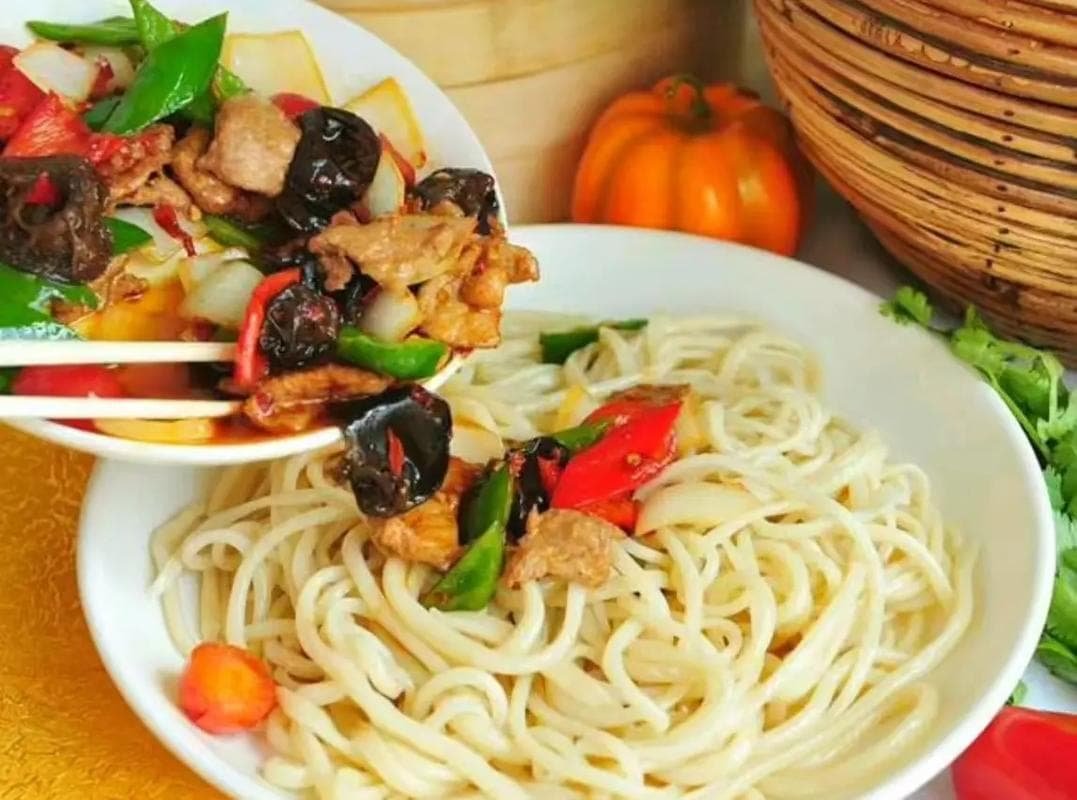
Yengisar is a county seat, which means it eats well. The street food is the same glorious southern Xinjiang repertoire you find in Kashgar, just quieter and cheaper. I had samsa fresh from a tandoor, a bowl of laghman, and a plate of grilled mutton, all for under 30 yuan, at a stall where the only English was the smile. If you want the full tour of what to try, the street food guide covers the essentials.
Pairing It With Kashgar
Yengisar works best as a half-day detour from Kashgar, either on the way to the mountains or as a slow morning before the drive north. The old town of Kashgar has its own knife sellers, but buying at the source, watching the hammer fall, and meeting the maker is a different experience. I treated Yengisar as the craft stop and Kashgar as the cultural base, and the two complemented each other perfectly.
When to Go
The workshops run year-round, but spring through autumn is more pleasant for the drive and the walk-around. I went in September, when the poplars along the road had just begun to turn and the heat had broken. Mornings are best for both the light and the chance to see the forges actually working, since some close or slow in the afternoon.
The Wider Blade Culture of the Region
Yengisar is the most famous knife town, but it is not the only one, and understanding the family of blades helps you appreciate what makes this one special. Across southern Xinjiang, every oasis had its smiths, and the shapes varied with use: a short curved blade for fruit and detail work, a longer straight one for butchery and the kitchen, a heavy cleaver for bone. What Yengisar perfected was the decorative handle and the consistent edge, which is why its name travels further than the others. When you see a “Xinjiang knife” for sale in a distant city, the odds are it traces its look back to this small county.
The craft also sits inside a larger tradition of handicrafts that includes atlas silk and Dolan bags, all of them made by hand in family workshops rather than factories. The knife is the most portable of these, which is precisely why it is the one travellers try to take home. Knowing that the same hands that forge the blade might also weave the silk in the next county gives the whole region a connective thread that a single souvenir cannot.
Reaching Yengisar by Bus
If you are not driving, Yengisar is an easy half-day trip from Kashgar by public bus, which leaves from the main station roughly every hour and costs around 15–20 yuan each way. The ride takes about ninety minutes and drops you in the county town, from which the workshop lane is a short walk or a five-yuan taxi. I did it both ways and preferred the bus for the simple reason that it let me linger at the forges without watching a parking clock. The last return bus leaves in the late afternoon, so confirm the time when you arrive and do not lose track of the hour among the hammers.
Carry small cash for both the bus and any knife you buy, because card readers are unreliable and the workshops certainly do not take foreign cards. A phone translation app covers the haggling, and a friendly manner covers the rest. The town is safe, relaxed, and used to the occasional foreigner wandering in from the highway.
What to Look For When You Buy
Not every knife in Yengisar is equal, and a little knowledge keeps you from overpaying for a pretty but soft blade. The first thing to check is the steel: a genuine working blade takes and holds an edge, and you can ask the maker to cut a piece of paper or a thin branch to demonstrate. The second is the handle join, where the blade meets the grip; a well-made piece has the metal tang running through the handle rather than a blade simply glued into a slot, and the inlay pattern should be symmetric and flush, not lumpy. I learned to turn the knife in the light and watch the inlay line, because sloppy work there usually means sloppy work everywhere.
Handle material tells you about age and authenticity. Traditional handles use horn, bone, or a local hardwood, often inlaid with brass or coloured resin in geometric Uyghur patterns. Some modern pieces use plastic that looks similar at a glance but feels light and warms oddly in the hand. Weight is a quiet guide: a real horn-and-steel piece has heft and balance, while a fake feels hollow. None of this requires expertise, only attention, and the makers expect you to look, because a buyer who cares is a buyer they respect.
Price tracks work, not size. A small, perfectly inlaid utility knife can cost more than a large plain one, because the decoration is where the hours go. Expect to pay 80–150 yuan for a simple piece, 200–350 for a good decorated one, and upward of 500 for a large showpiece with a sheathed handle and fine inlay. Bargain gently and with a smile; the first price is rarely the last, but a knife worth owning is worth paying for, and a price that seems too low is usually a signal of a fake or a factory copy.
Finally, buy where you can watch the work. The workshops on the eastern lane are the right place, because you see the hammer fall and meet the hand behind the blade. A knife bought in a Kashgar bazaar may be genuine, but you lose the story, and the story is half the value. I still carry the one I watched being finished, and the memory of the maker’s hands is what makes it mean more than the steel.
Shipping the Blade Home
Having chosen well, the last task is getting the knife home without it being confiscated at an airport, and the answer is almost always the post rather than your luggage. A honed blade will not pass the security line in your carry-on, full stop, and even checked baggage is a gamble with carriers and with customs at the far end. The reliable path is to pack the knife securely, well wrapped so it cannot cut through the box, and send it by mail from Kashgar, where the main post office handles international parcels and can guide the paperwork.
Declare it honestly as a decorative knife or souvenir, state a realistic value, and keep the receipt, because a blade with no paper is a blade with no story at the border. Travel insurance is worth a read here too, since cover for a mailed item is separate from your baggage and a lost parcel is your responsibility once it is in the system. I shipped mine and it arrived three weeks later, the inlay still perfect, a far better outcome than the fight at the checkpoint would have been. The knife earns its place on your wall precisely because it travelled the proper way, as a letter from a town that makes them well.
Why a Knife Town Mattered
I have bought plenty of souvenirs that ended up in a drawer. The Yengisar knife is different because I watched it being born. There is a particular satisfaction in owning something shaped by a man’s hands an hour before you met him, in a town most maps dismiss. If you are driving the southern route and you skip Yengisar, you will lose nothing urgent, but you will miss one of the few places in this region where the old economy is still visibly alive. That, for me, was worth the detour.