
Qiongkushitai: The Last Primitive Kazakh Village in the Ili Backcountry
The Village at the End of the Paved Road
Somewhere west of the well-trodden Nalati meadows, where the tourist buses thin out and the asphalt finally gives up, you reach Qiongkushitai. I drove there in June after three days of increasingly crowded grasslands, and the contrast was immediate. The road narrowed to a single track, the buses disappeared, and a Kazakh herder on horseback nodded at me as he passed. This is one of the last genuinely remote villages in the Ili valley, and getting there is half the point.
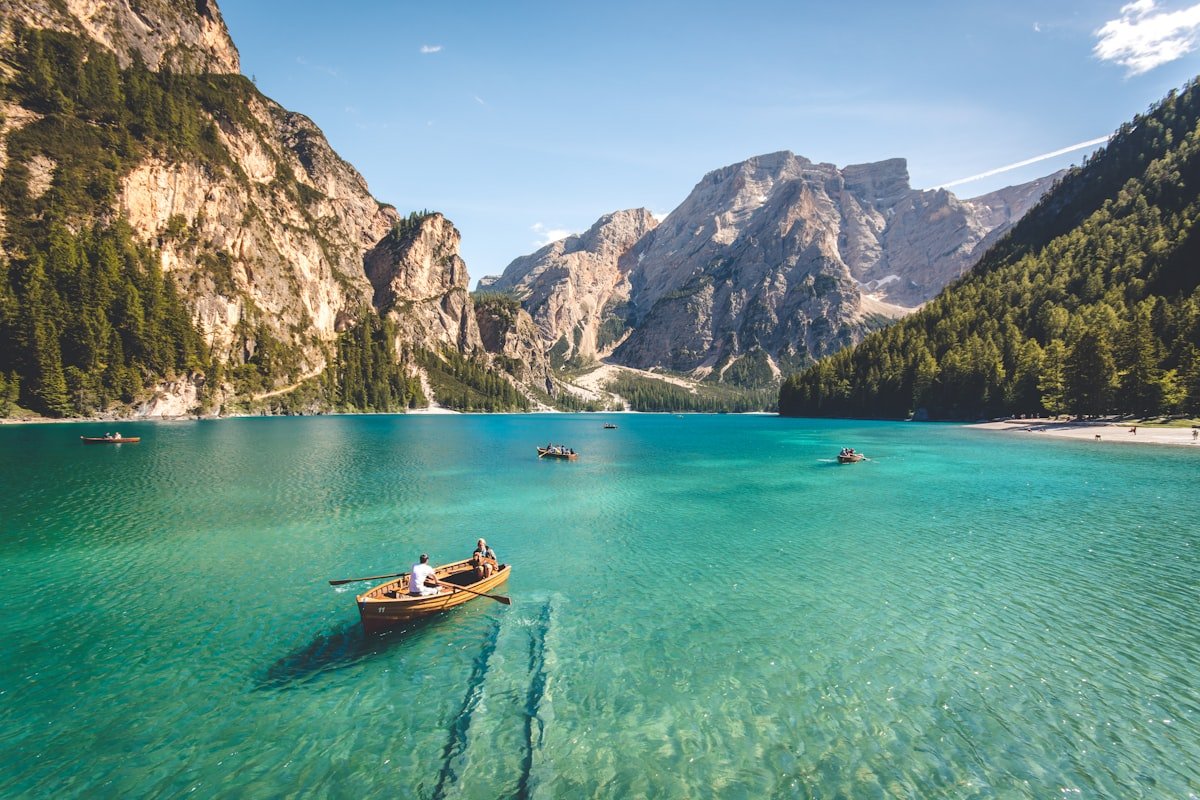
Qiongkushitai sits in a river valley at around 1,800 metres, ringed by spruce forest and alpine meadow. It is the kind of place Chinese travel writing calls “the last primitive village,” which is marketing, but not entirely wrong. There is no high-rise, no ticket gate at the entrance, and no neon. There is a river that runs loud all night, wooden houses with carved eaves, and a horizon full of grass.

The Approach: A Drive Worth the Worry
The village is reached from the town of Tekes, the famous bagua-shaped city, by a mountain road of roughly 90 kilometres. The first half is decent paved road; the second half is graded dirt that climbs and dips through forest and pasture. I drove it in a two-wheel-drive SUV and managed fine in dry June weather, holding 30–40 km/h on the loose sections. After rain the same road gets slick and rutted, and I would not attempt it without decent clearance or some experience on unpaved mountain tracks.
Give yourself a full two and a half hours, not the ninety minutes a map suggests. You will want to stop. Around every bend the valley opens to a different shade of green, and the spruce stands on the slopes look painted. There are wooden bridges over the river, herds of sheep moving like smoke across the meadow, and, if you are lucky, a kayak or two on the calmer pools.
What the Village Is Actually Like
Qiongkushitai is a working Kazakh community, not a museum. Wooden houses line the river, smoke rises from chimneys in the morning, and horses are tied outside nearly every door. The architecture is the distinctive local style: whole logs, not planks, notched at the corners, with deep eaves to shed the snow. Several of these old houses are officially protected, and the craftsmanship is worth a close look even if you care nothing for buildings.
I stayed in a family guesthouse run by a woman who spoke no English and her grandson who spoke a little. Dinner was laghman noodles and a plate of cold cured meat, eaten at a low table while the grandfather tuned a dombra in the next room. That combination, a hot meal and live music in a wooden house at the edge of a forest, is the actual product here, and it is better than any viewpoint.
Walks and Rides Out of the Valley
You do not need a plan to enjoy Qiongkushitai. A morning walk up the valley following the river will take you past summer pastures where families have pitched yurts, and the light through the spruce in early sun is extraordinary. For something more structured, local families rent horses by the hour, typically around 80–120 yuan, and a half-day ride will get you to high meadows with views back down the whole valley.
This is also a gateway to the backcountry that connects, on foot or horseback, toward the Kalajun grasslands to the east. I did not attempt the multi-day crossing, but I met a German cyclist who had ridden in from the other side over two days of mud and switchbacks. The point is that Qiongkushitai is not a dead end; it is a threshold, and the threshold feeling is part of its charm.
Where It Fits in an Ili Road Trip
Most visitors to this corner of Xinjiang base themselves at Nalati grassland or loop the Sayram Lake circuit. Qiongkushitai is the quieter alternative or the natural next stop if you want to escape the coach tours. From Tekes it is an easy morning drive; from Zhaosu, which sits on the other side of the mountains, you can reach it via the Xiata ancient road corridor, though that route is longer and rougher.
If you are building a wider Ili itinerary, Qiongkushitai pairs well with a night or two among Kazakh nomads staying in yurts, because the village is where the settled and the pastoral versions of the same culture meet. The guesthouses here are more comfortable than a tent but carry the same rhythm of animals, weather, and woodsmoke.
Practicalities: Signal, Fuel, and Booking
Mobile coverage is weak to absent once you leave Tekes, so download offline maps and confirm your guesthouse booking by message before you lose signal. Fuel is only reliably available in Tekes, so arrive with a full tank; the mountain road offers nothing but scenery. Bring cash, because card and phone payment fail the moment the network does, and a family guesthouse in the valley will not have a card reader.
The best season is June through early September. July and August bring wildflowers across the higher meadows and warm days, though afternoon thunderstorms are common, so plan drives for the morning. October is stunning as the spruce and poplar turn, but nights drop near freezing and some guesthouses close. I went in mid-June and had blue skies, flowering pastures, and a river cold enough to numb my ankles.
A Note on Roads and Respect
The final track into the village passes through pastureland that families depend on, and speeding vehicles frighten the herds. Drive slowly, close gates behind you if you find them open, and do not drive onto the meadow itself no matter how inviting the grass looks. The village has survived this long because visitors treated it gently, and that bargain is worth keeping.
The Log-Building Craft You Will See Everywhere
Qiongkushitai is famous locally for its wooden houses, and the construction is worth a close look even if you care nothing for architecture. The walls are built from whole logs laid horizontally and notched at the corners, a technique suited to a forest where timber is plentiful and nails were once rare. The deep eaves are not decoration; they throw snow and rain clear of the wall in a climate that gets both hard. Several of the oldest houses are officially protected, and you can see the difference between a century-old original and a newer copy in the tightness of the corner joints.
I spent one rainy afternoon just walking the lanes and looking at houses. A man rebuilding a corner of his own wall showed me how the notch is cut so the next log locks without a single fastener, and explained, through his grandson, that the method came down from the forefathers and simply works. That kind of unbroken craft, done for use rather than display, is exactly what makes a remote village worth the drive. The houses are not a museum piece; they are where people live, and the technique is alive in every repair.
A Packing Note for the Valley
The comfort gap between a village guesthouse and a city hotel is real, and a small kit closes most of it. I travel with a silk sleep sheet, because you cannot be sure of the state of the bedding in a family home; a head torch, because the path to the outhouse is unlit and the stars are spectacular; and a pack towel, because hot water is a luxury that may not arrive. Add a power bank, because the signal and the charge both fade, and a small gift, a bar of chocolate or a packet of good coffee, which goes over far better than you would expect in a household that sees few foreigners.
Layers matter more than you think at 1,800 metres. The days can be warm and the nights cold enough for breath, even in July, and the wooden houses hold the chill. A fleece and a warm hat earned their place in my bag on every night I spent there. None of this is heavy, and all of it turns a rough night into a comfortable one, which is the difference between remembering Qiongkushitai fondly and remembering it as the place you shivered.
When the Pastures Close
Qiongkushitai follows the grass, and the grass has a season. The family guesthouses open as the snow lifts from the high meadows, usually in June, and most close by late September as households move down to winter quarters with the herds. Visit inside that window and the valley is full of life; arrive in November and you will find the road quiet, the wooden houses shuttered, and the river loud in an empty place. I went in mid-June and caught the sweet spot, green pastures, flowering slopes, and hosts settled in for the season rather than packing up.
October is a second good window if you dress for cold. The spruce and poplar turn gold, the light is low and rich, and the tourist numbers have dropped with the temperature. Nights approach freezing and some guesthouses have already closed, so confirm a booking before you commit the drive. The trade for the chill is a valley that feels entirely your own, which is rare in a region this photogenic and a real privilege to witness.
The closure is not a hardship but a rhythm, and tuning your trip to it is the difference between a working village and a shut one. The families are not performing for visitors; they are moving with the weather, and the months they are open are the months the land can support them. Plan around that fact rather than against it, and Qiongkushitai will receive you as a guest instead of an interruption. The valley has kept its character precisely because it closes when it must, and respecting that cycle is part of earning the welcome.
The Road Back Down to Tekes
The drive out is a different experience from the drive in, and worth a different mood. Going up, you are curious; coming down toward Tekes, you are relaxed, and the same bends that felt adventurous now feel familiar. I stopped at a bridge on the way back, parked where it was safe off the track, and watched the river for twenty minutes, because the descent is when most travellers speed, and the road punishes speed with a slide or a meeting with a herd. Take the return slowly and the valley gives you a second quiet hour.
Tekes itself is worth a night rather than a pass-through, because the bagua-shaped city is a curiosity in its own right, and a hot shower after the wooden-house stay is a small luxury you will appreciate. From there the road net opens to the wider Ili valley, Sayram Lake to the north and Zhaosu to the west, so Qiongkushitai slots neatly into a loop rather than a dead end. I treated the village as the hinge of a week, and the slow road in and out became two of the better days of it. Plan the return before dark, fuel in Tekes, and let the mountain send you off at its own pace.
Why Drive All That Way
I have stood on the boardwalks at Nalati with two hundred other people and wondered why I came. At Qiongkushitai I stood in a wooden house at the forest edge with no one else in sight and knew exactly why. The drive is long, the road is rough, and the comforts are few, but the trade is real: you trade the crowd for a place that is still itself. If your Xinjiang trip is all highways and ticket gates, skip this. If you came for the part of the map where the lines stop, point the car west from Tekes and keep going until the pavement ends.