

Boat Trips on Xinjiang’s Lakes: Ferries, Cruisers and Silent Bays
The Quietest Way to See a Xinjiang Lake
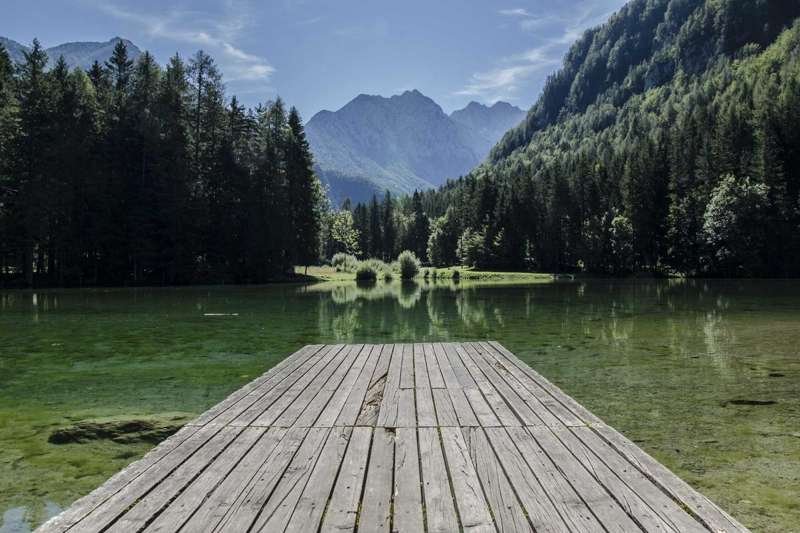
Everybody photographs Kanas from the boardwalk. Fewer people push off from the little jetty at dawn, when the water is flat and the only sound is the electric motor. I took that boat at 7 a.m. with a Kazakh boatman who said almost nothing and pointed once at a swan. We drifted past the three bays with the mist still on them, and for an hour the most famous lake in northern Xinjiang was ours alone. That, more than any overlook, is how I remember it.
Xinjiang’s lakes are vast, and from the shore you only see a slice. A boat changes the whole picture. Several of the big ones run scheduled ferries or tourist cruisers, and a few allow small rented craft. Knowing which is which saves you from a long wait or a wasted drive.
Kanas: The Crown Jewel
The Kanas cruise runs the main lake from the entrance jetty to the far bays, about 20 minutes each way, with a narration in Chinese that you can mostly ignore in favor of the view. The three bays guide explains which bends matter; from the water, Moon Bay’s crescent reads clearly in a way it never does from above. Tickets run about ¥120 including the boat in high season, less in spring and autumn.
Sayram: The Alpine Mirror
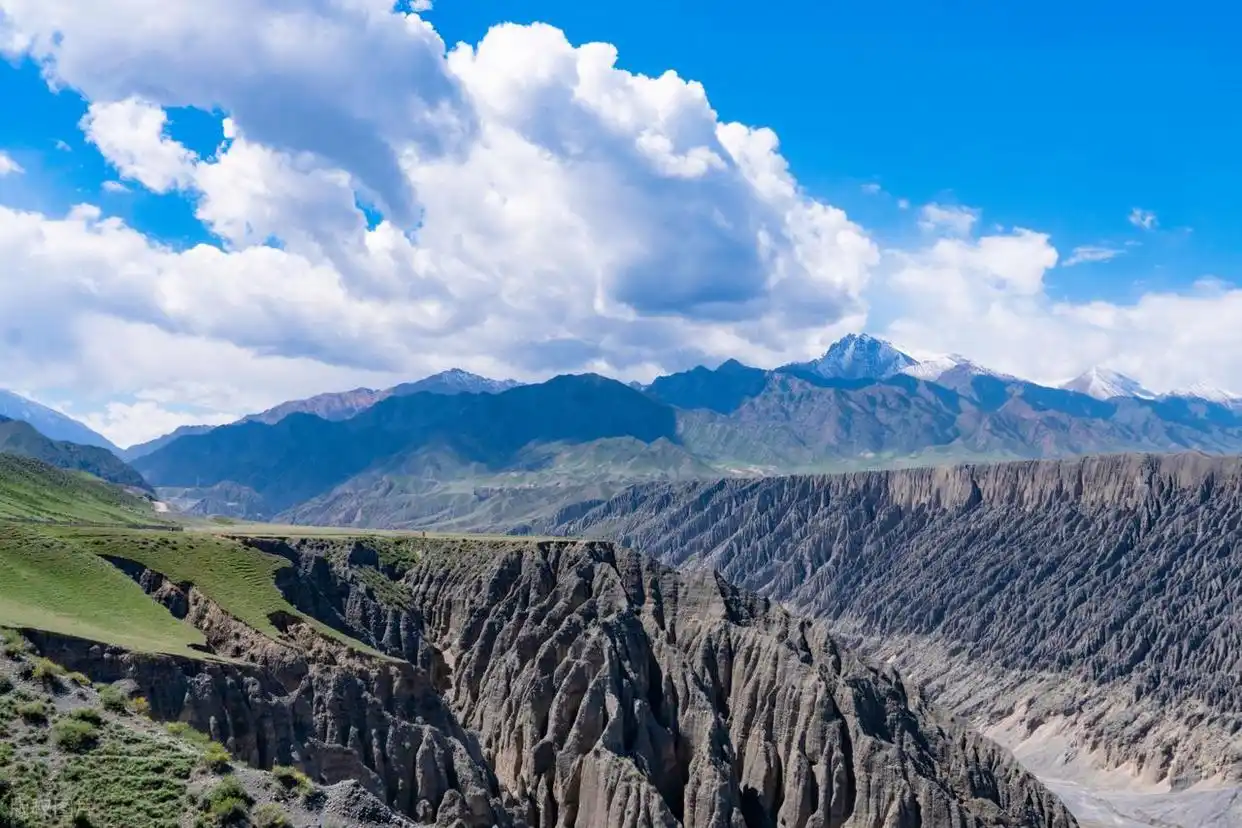
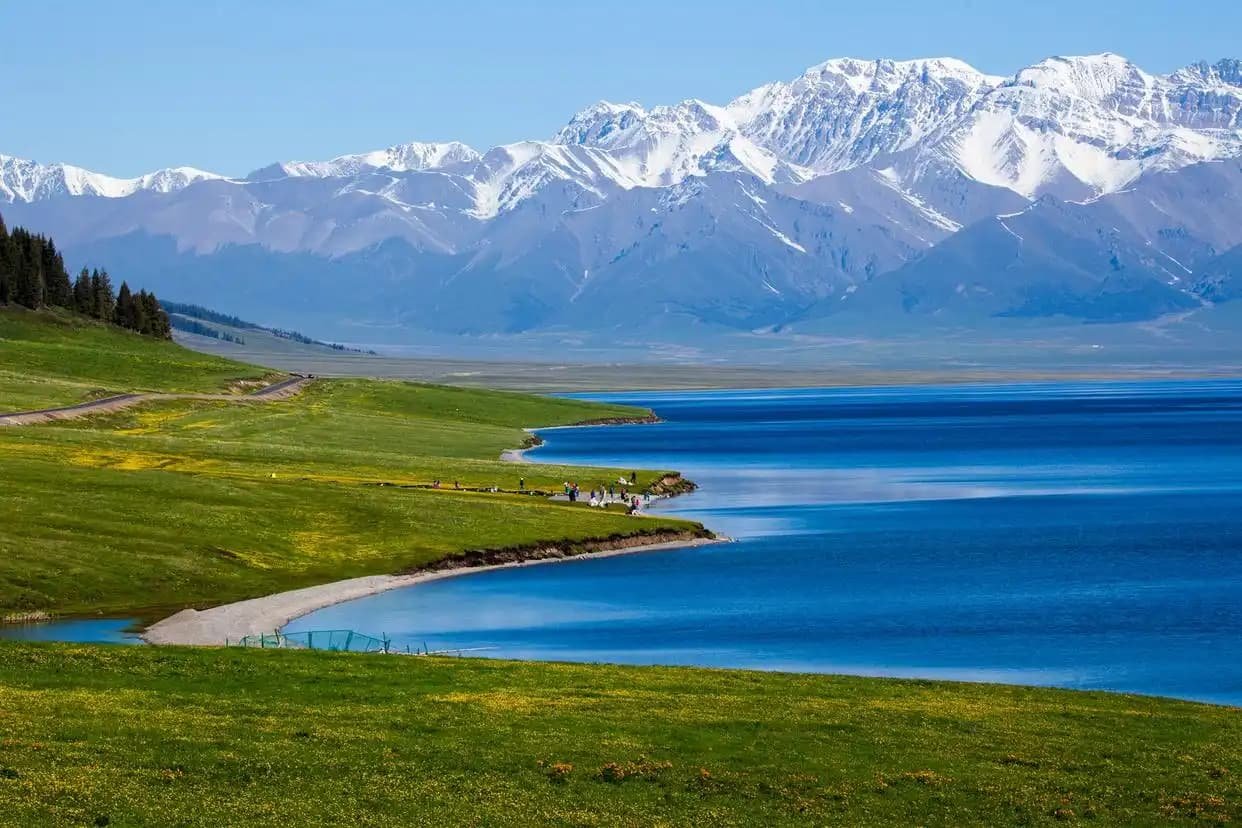
Sayram Lake, up near the Kazakh border, is ringed by a road but best appreciated from a slow cruise across its cold blue middle. The Sayram Lake guide covers access and the loop road; the boat adds the open-water perspective, with snow peaks stacked behind the far shore. It is cold even in July, so bring a layer for the deck.
Bosten and Ulungur: The Big, Quiet Ones
Bosten Lake, south of Korla, is the largest inland freshwater lake in China and runs fishing boats and small cruise vessels from several jetties; the Bosten guide lists the launch points. Ulungur, far north, is the “sea farthest from the ocean” and supports working fishing villages with boat trips that feel more working-class than touristy. The Ulungur guide has the details, including which village runs the most reliable departures.
Self-Powered: Kayaks and Paddleboards
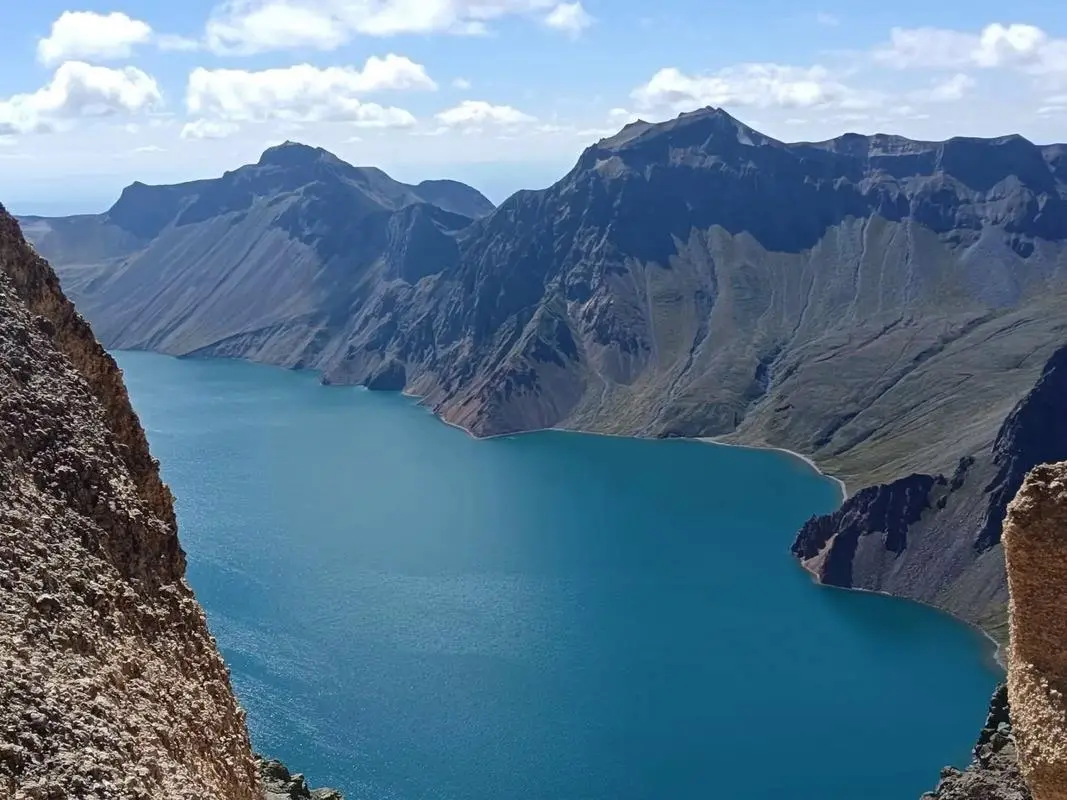
If a motorized cruise feels too easy, several lakes allow kayaks and paddleboards, which get you onto the water under your own power. The kayaking and paddleboard guide ranks the safe launch sites and the rental spots, and notes where permits are needed. We paddled a quiet bay of Sayram for an hour and saw more birdlife than in two days of driving.

Timing and Tickets
Most cruises run May through October, with reduced or paused service in deep winter when the northern lakes freeze solid (Ulungur and parts of Kanas become ice roads). Buy tickets at the official jetty windows; touts near the entrances sometimes sell “private” rides that are not licensed. Mornings are calmer and the light is better for photos. A 30-minute ride costs roughly ¥80-150 depending on the lake; the longer Kanas cruise is the priciest.
Why Bother With the Boat
Driving gives you distance. Boats give you intimacy. You hear the water, you feel the scale, and you get the photograph without the fence. On a region this huge, the small watery perspective is the one that stuck with me longest.