
Backcountry Ski Touring in Xinjiang: Powder, Skinning and the Altai Birthplace of Skis
The First Tracks I Ever Made Were in the Altai
Local lore in the Altai says the first skis were carved here, by hunters who needed to cross deep snow after game. Standing on my own skins at the top of a silent powder run above Kanas, I could almost believe it. There was no lift, no lodge music, no line. There was a slope of untouched snow, a cold so clean it hurt, and the sound of my own breath. I had skied resorts across three continents. None of them prepared me for this.
Backcountry ski touring in Xinjiang is the region’s most exhilarating winter activity and its least crowded. The same Altai powder that draws resort skiers also feeds vast off-piste terrain reachable only on skins and commitment. If you have the skills, this is the trip of a lifetime. If you do not, read on anyway, because the resorts here are world-class too.
Where the Powder Is
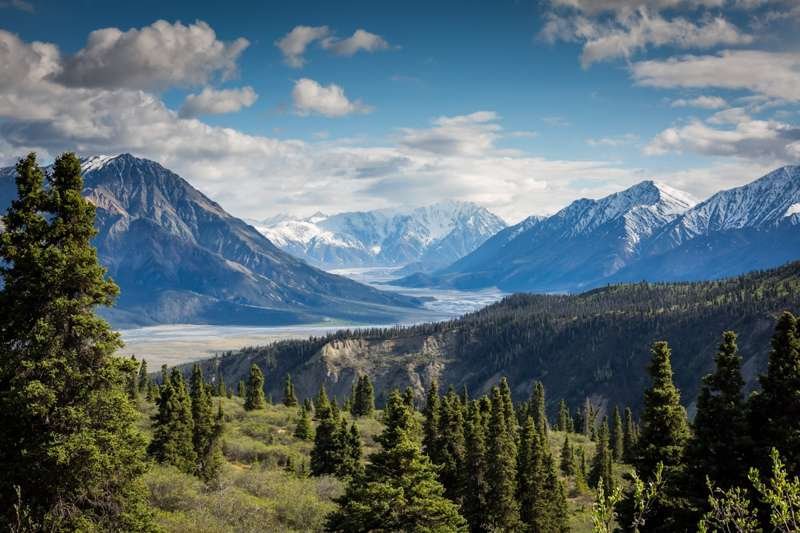
The Altai range, shared with Kazakhstan and Mongolia, holds some of the driest, deepest snow in Asia. The Altai ski itinerary covers both the developed slopes near Altay City and the backcountry gates around Hemu and Kanas. For touring, the gladed slopes above the villages and the open bowls between the ridgelines are the prize. A typical day: drive to the trailhead, skin up two hours, ski down 800 vertical meters of untouched snow, repeat.
Skills and Safety, No Shortcuts
Backcountry touring is not a beginner activity. You need avalanche training, a beacon, probe, and shovel, and ideally a partner who knows the snowpack. Xinjiang’s continental snow can slab unexpectedly after warm spells. Never tour alone, never without a local who reads the conditions, and always file your plan. The winter travel guide lays out the cold-weather basics; touring adds a layer of serious risk that deserves respect.
Getting There in the Cold
Winter driving to the trailheads is its own skill. Mountain passes ice over, and rental rules tighten. The winter tires guide explains what the law and the roads require; the snow chains regulation guide covers when and where chains are mandatory. We ran studded tires and still carried chains for the final climb to the Hemu gate, where the plows stop.

A Day I Will Not Forget
Our best run came on a bluebird morning after a fresh 20-centimeter dump. We skinned up in the dark with headlamps, reached the ridge as the sun lit the Russian border peaks pink, and dropped in. The snow was bottomless and light, the kind that puffs up around your waist. Halfway down, my partner stopped, pointed at fox tracks crossing ours, and we stood in the silence for a full minute. That is the backcountry bargain: you suffer for the access, and the mountain gives you a moment no resort can.
Pairing Touring With Geology
The Altai and Tian Shan also offer summer rock and winter snow from the same trailheads. The Koktokay geopark guide describes terrain that, under snow, becomes a different kind of playground for those with the right gear. Just remember the season: the granite canyon closes to vehicles in deep winter, so plan the two activities for different months.
My Honest Verdict
If you can tour, come in January or February and ski the birthplace of skis. If you cannot, the Altai resorts will still ruin you for Europe. Either way, bring more than you think, tell someone where you are going, and leave the first tracks of the day to the foxes. Xinjiang’s winter is cold, quiet, and yours if you earn it.