Xinjiang Scenic Tickets in 2026: A Practical Guide for Foreign Visitors
Why Tickets Trip Up Foreign Drivers
My first solo loop around Xinjiang almost ended at a ticket window. I had driven 420 km from Urumqi toward Tianchi, arrived at 4 p.m., and discovered the park closed online sales to non-residents at 3:30. The gate attendant waved me off. I slept in a parking lot that night and learned a lesson I wish someone had handed me before the trip: buying entries here follows rules that don’t match anything in Europe or North America.
Xinjiang runs on a mix of national-park pricing, provincial rules, and a thick layer of digital booking that assumes you own a Chinese phone number and a local bank card. None of that applies to a foreigner on a rental from Urumqi. This guide is the cheat sheet I built after four trips and a lot of awkward waiting. It covers what your passport does at the gate, what things actually cost in 2026, where you must book ahead, and how to avoid the line that forms at 9 a.m. sharp.
Your Passport Is the Ticket
Carry your passport everywhere. Not a photo, not a hotel copy. The gate scanner reads the machine-readable strip, and a blurred screen shot won’t satisfy it. On my second trip I drove the G217 in late September and reached Bayinbuluke at dusk; the ranger wanted the physical booklet before he would print anything.
Most major parks now link your entry to your passport number. They photograph you at a kiosk, or a staff member holds a tablet to your face. This is normal. It is not a security interrogation, just the system. The photo stays in the park database for the day and confirms you are the same person who bought the pass.
One wrinkle catches people: some border-adjacent areas want a separate permit. Places near the Kyrgyz or Kazakh frontier, and certain sections of the G314 heading toward the Pamirs, ask for a border-area travel permit stamped by the local police station. That is a different document from your ticket. Get it in the city before you drive out, not at the gate, because the gate cannot issue it.
What Things Cost in 2026
Prices move a little each spring. Here is the range I found reliable across the last two seasons. Entry to a mid-size county park like a municipal lake or a desert reserve runs ¥35 to ¥60. The big national draws charge more. Tianchi lists ¥95 for entry plus a ¥60 shuttle that you cannot skip, because private cars stop 9 km below the shore.
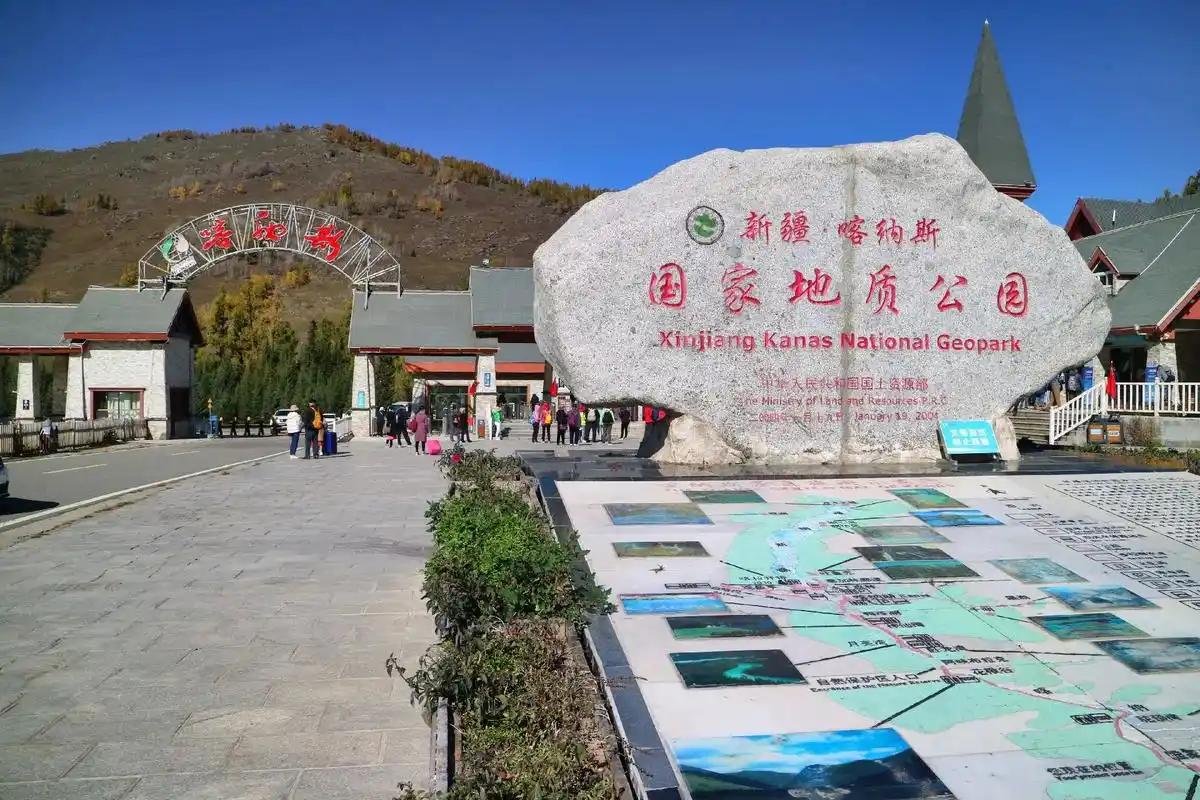
Kanas sits at the top of the scale. Entry runs ¥160 in peak season, with a mandatory shuttle ¥70, and if you stay inside the valley the guesthouse pass adds ¥80. Sayram Lake changed to a one-way scenic drive model: ¥70 entry and a ¥60 bus if you don’t bring your own car, which most renters do. Bayinbuluke charges ¥65 with a ¥35 shuttle across the wetland boardwalks.
Shuttle fees are where budgets blow out. At heavenly sites the bus is not optional. The road simply closes to private vehicles past a certain point, so the ¥60 or ¥70 is the price of seeing the place at all. Kashgar’s old town is the happy exception. Wandering the lanes costs nothing. The handful of paid courtyards, like the century-old pottery house, ask ¥15 to ¥30 and you can skip them entirely.
Combo Tickets and Where They Pay Off
Some regions bundle. Around Kanas the valley, Hemu village, and the Baihaba border hamlet sell a three-day combo around ¥285 that beats buying each gate separate by roughly ¥90. If you only have one day, skip the combo and take the single valley pass. I made the reverse mistake in 2023, bought the full set, and used one stamp.
Urumqi’s southern parks sometimes pair Tianchi with a cable-car upsell for ¥100 extra. The cable is a nice view on a clear morning but useless in low cloud, which is most afternoons in July. Ask the window staff about the weather before you add it. They will tell you straight if the top is socked in.
Booking Online versus the Window
The apps want a Chinese ID. WeChat mini-programs and the official park platforms default to a resident ID field, and the foreign-passport option hides two menus deep, if it exists. Even when you find it, payment routes through WeChat Pay or Alipay, which a short-term visitor usually cannot load without a local bank account. I tried for forty minutes outside Kanas and gave up.
The reliable path is the human window. Walk up with your passport, state the date and the pass type, and pay with cash or a foreign card where the terminal accepts UnionPay or Visa. Many gates now take international cards on the counter machine, though the connection drops often. Carry ¥400 to ¥600 in small notes as backup. I keep mine in a separate envelope so I am not flashing a wad at the desk.
Buy the day before when you can. For Kanas and Bayinbuluke in peak season the daily cap on visitors means same-day tickets can read “sold out” by 10 a.m. online, but the foreign window sometimes holds a few. Don’t bet on it. Drive in the prior afternoon, sleep in the lot or a nearby guesthouse, and buy first thing.
Timed Entry and the Peak-Season Squeeze
From July through October the famous spots run timed slots. Tianchi releases entries in hourly blocks. Kanas opens the gate road at 8 a.m. and the last shuttle up the valley leaves around 6 p.m. Bayinbuluke allows entry until 7 p.m. but the boardwalk light is gone by 8:30, so a late ticket wastes the ¥35 shuttle. Plan the slot around the light, not the other way.
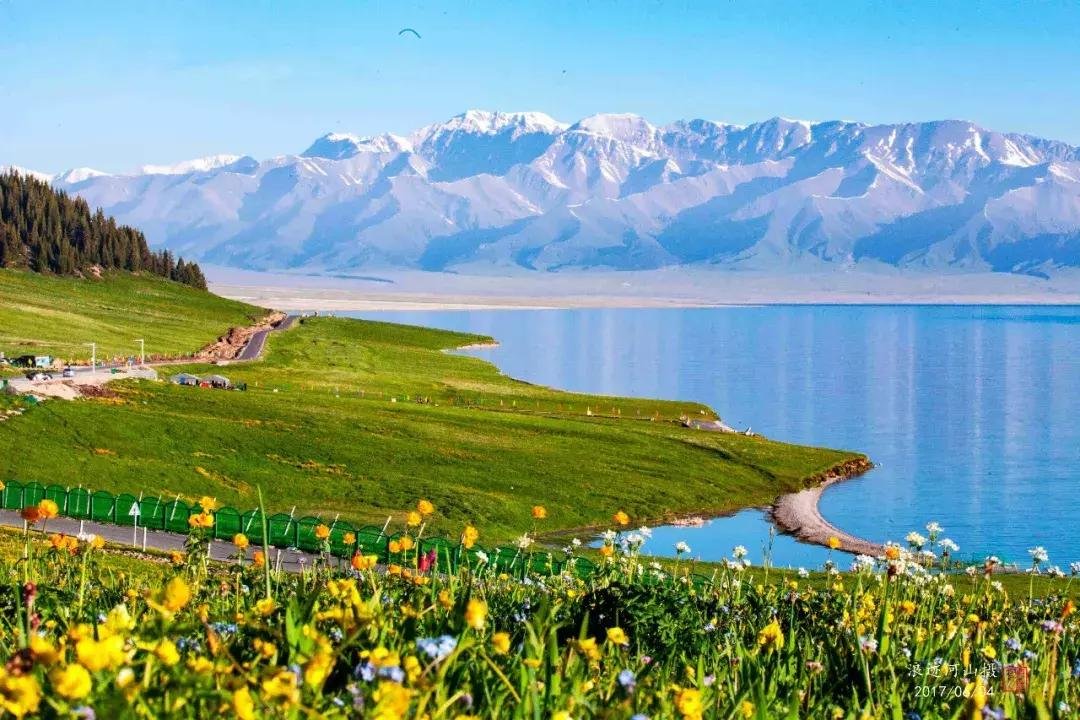
Through planning a trip to Sayram Lake, I learned the lake loop only opens fully once the May snow clears, and the timed model there means you drive the 90 km ring in one direction with no backtracking. Arrive before 11 a.m. or the west wind kicks up whitecaps and your photos flatten. The staff at the gate will mark your entry hour on the pass; overstaying is fine, re-entry is not.
At the Gate: What Actually Happens
Expect a queue. Chinese holiday weeks, especially early October, draw lines of 200-plus cars by 9 a.m. at Tianchi and Kanas. A normal weekday in September you walk straight up. The gate process, as staff call it, runs like this: show passport, get scanned, pay, take the printed pass, walk to the shuttle point. Budget twenty minutes on a quiet day, an hour on a busy one.
Rentals add a check. The gate sometimes logs your plate against the passport, so the car you entered in must be the car you leave in. If you swap vehicles mid-trip, tell the window. I once borrowed a friend’s 4×4 for the G314 and the mismatch flagged at the exit; a five-minute call to the office cleared it, but it was a needless nerve-jolt.
A Few Spots Worth the Special Effort
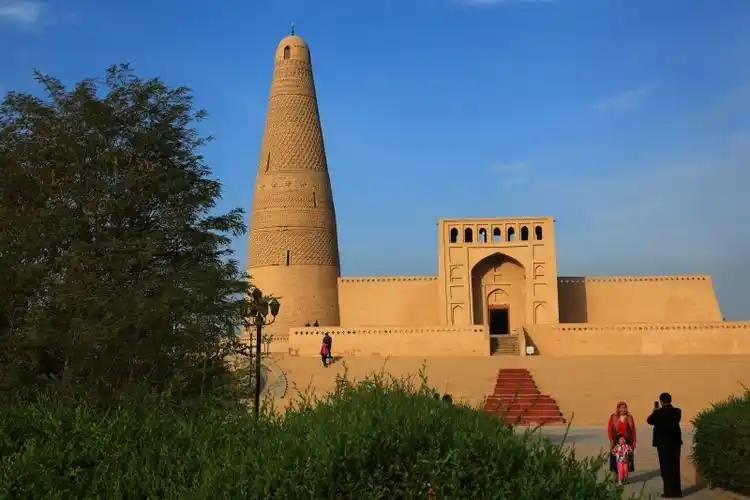
Kashgar rewards the aimless walker more than any ticket buyer. The old town lanes, the rooftop teahouses, the Sunday livestock market on the edge of town, none of it needs a pass. Through exploring Kashgar’s old town you will find the paid sites are minor; the free wandering is the real attraction. Spend your money on the mutton skewers, not the courtyard entries.
Tianchi is the opposite kind of decision. The lake is genuinely beautiful, but the ¥95 plus ¥60 shuttle plus the climb means you should only go on a blue-sky day. Standing at the Tianchi lakeside under clear sky with Bogda peak reflected is worth every yuan. Under cloud it is a grey pond and a long bus ride. Check the Urumqi forecast, not the park’s, and decide the morning of.
Kanas deserves the biggest budget and the most time. Three days is the real minimum if you want the morning mist over the inlet and the quiet of Hemu at dawn. visiting Kanas Lake taught me that the ¥160 entry is cheap relative to the experience, but the ¥70 shuttle and ¥80 stay pass stack up, so book the guesthouse months ahead or the combo math stops working.
Bayinbuluke is a half-day wonder if the weather holds. The nine bends of the Kaidu river catch the sunset in a way that justifies the drive across the G218 grasslands. the Bayinbuluke grasslands sit at 2,500 meters, so the ¥65 entry plus ¥35 boardwalk bus is a small price for the swap from desert to green valley. Go in late June for the wildflowers, not August when it browns.
Cash, Cards, and a Quiet Backup Plan
Bring more cash than feels reasonable. Signal dies on the G217 and G314 for long stretches, and the counter terminals fail with it. I carry ¥1,000 split across ¥100 and ¥50 notes. On the day Kanas online sales crashed, the cash window kept moving while the card line froze.
Keep screenshots of your passport, your rental agreement, and the park price board on your phone. Not as substitutes for the real documents, just so you can show a skeptical clerk what you think you booked. A translated note that says “one adult entry, foreign passport, today’s date” in simple Chinese characters on a card has saved me twice. Hand it over and the confusion ends fast.
Low Season Changes the Math
Winter flips the pricing. From November through March, Kanas drops entry to around ¥80 and the valley goes quiet, but the shuttle runs less often and some boardwalks close under snow. Tianchi in deep winter charges the same ¥95 yet the lake freezes into a skating plain that needs no boat fee, so the ¥60 shuttle becomes the only extra. Sayram in January is a frozen blue sheet ringed by ice sculptures, entry ¥40, and you may have the whole 90 km loop to yourself.
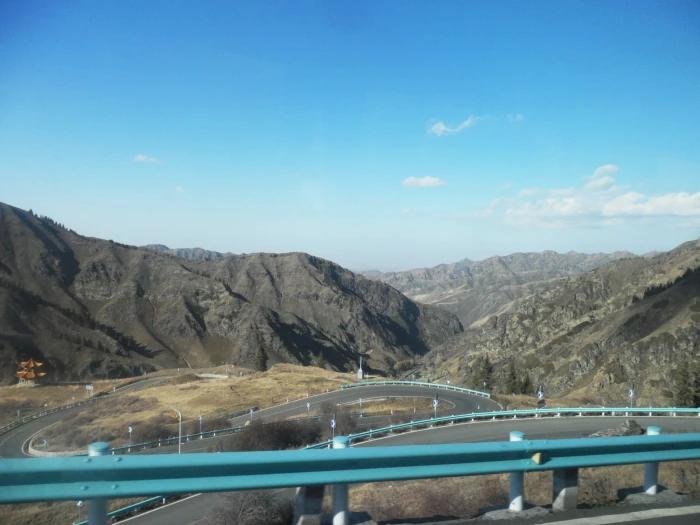
The trade is weather and access. The G217 over the mountains can shut for days after a snowfall, and Bayinbuluke’s wetland road ices over. If you chase low prices, chase them with a weather app open and a flexible schedule. I once saved ¥200 across a week in February, then lost a day waiting for a pass to clear. The discount was real, the delay was the cost.
A Note on Group Tours and Your Own Car
Travelers on a packaged bus get tickets bundled into the fare, handled by the guide, who carries a stack of passport copies and walks the group through. You lose the freedom but skip every window. Self-drivers trade that ease for control. The gate treats you as an individual buyer, which means the passport scan, the cash or card, the timed slot, all on you. I prefer it. The thirty minutes at the desk buys a thousand kilometers of my own timing.
If you hire a local driver for a stretch, ask upfront whether tickets are included in his daily rate or separate. Most say separate, and he will walk you through the window just as a guide would, passport in hand. Clarify before you leave the city so there is no surprise ¥160 at Kanas that you thought was covered.
Practical Takeaways Before You Drive
Pack your passport like it is fuel. Book the big three, Kanas, Bayinbuluke, and Sayram, a day early at the window. Skip combos unless you have the days to use them. Treat shuttle fees as the real cost and decide on weather, not schedule. And remember the free places, Kashgar’s lanes, a roadside Tianchi-view pull-off, a random Tarim riverside, often beat the paid gate.
None of this is hard once you have done it once. The first window is the scary one. After that the rhythm is the same at every gate from Urumqi to the Pamir edge: passport, scan, pay, board. Drive on.