
Beyond Milk Tea: Xinjiang’s Cheese, Kumis and Dairy Traditions for Curious Travelers
The first time I drank kumis, I was sitting on a felt rug inside a Kazakh yurt about 20 km south of Sayram Lake, after a long drive up from the Jinghe junction on the G30. A herder’s wife handed me a shallow bowl, said something I could not translate, and watched my face as I tasted it. It was sour, faintly fizzy, and carried a small alcoholic warmth that surprised me more than the flavor.
My First Bowl of Kumis by Sayram Lake
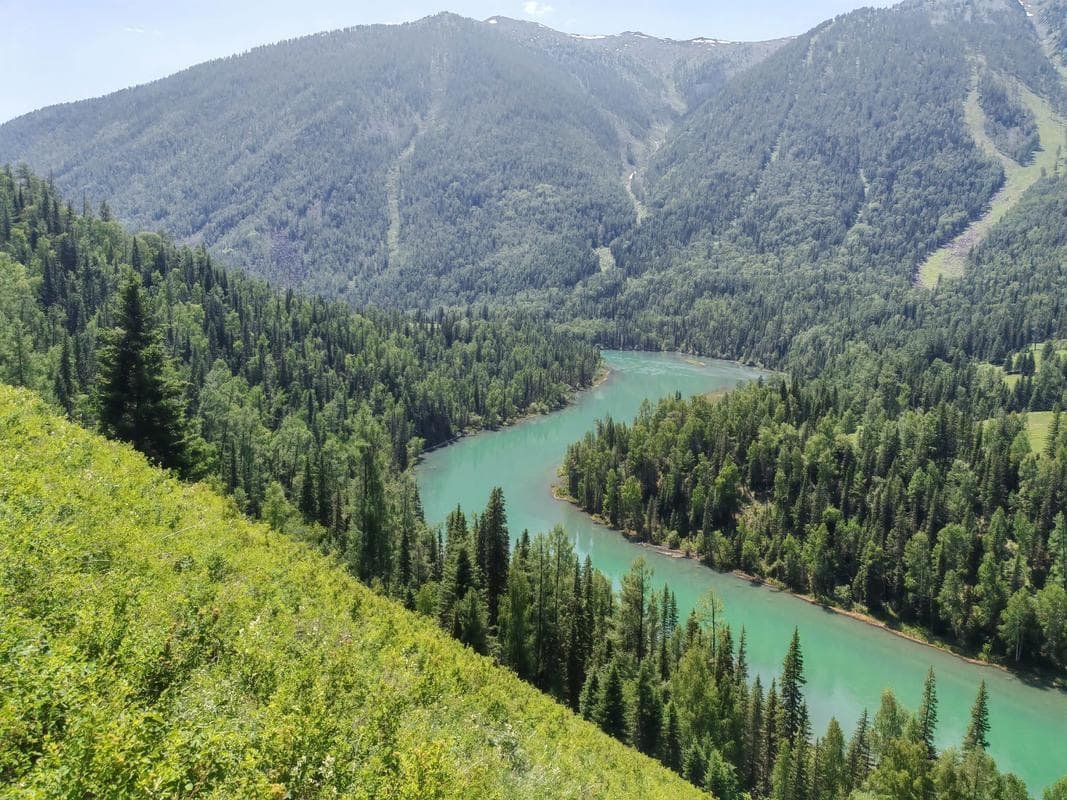
Sayram sits at about 2,070 meters, ringed by bare green mountains, and the Kazakh families who summer there still keep horses the old way. I had read that kumis was made from mare’s milk, but reading and sipping are different countries. The bowl cost me ¥15, and the view was free.
We talked through gestures for an hour while a foal wandered past the yurt flap. By the second bowl I had stopped analyzing and just enjoyed the strangeness. That afternoon reset what I thought Xinjiang food was, which until then had meant lamb and noodles.
I returned the next morning to find the same family churning a fresh batch in a wooden barrel, working the plunger up and down in a rhythm that looked like breathing. The early batch was milder than the evening one, proof that kumis changes by the hour as the culture wakes up. That single morning taught me more about the drink than any menu description ever could.

What Kumis Actually Tastes Like
Kumis is fermented mare’s milk, and the fermentation makes it lightly alcoholic, somewhere below 2 percent. The taste is sour and a little effervescent, closer to a dry cider than to the sweet milk tea most travelers expect. Some bowls are sharper than others depending on how long they sat.
The herders I met churn it in a leather sack or a wooden churn, beating air into the milk to keep the culture alive. Fresh kumis from a yurt is nothing like the bottled version you find in a city supermarket, which is milder and often sweetened. Try it at the source if you can.
Why Mare’s Milk and Not Cow’s
Mare’s milk has more sugar than cow’s milk, which is what lets it ferment into something drinkable rather than sour clabber. The nomads of the north, Kazakhs and Kyrgyz, built their whole dairy culture around horses for that reason. A good herd of mares is a moving pantry on the grassland.
Cow and sheep milk still matter, especially for yogurt and butter, but they behave differently in the churn. Sheep milk is rich and turns to a thick, almost cheese like yogurt that the families eat with a spoon. The mix of animals is why a single grassland guesthouse can put four or five dairy things on your breakfast table without repeating a flavor.
The Full Dairy Spectrum of the Grasslands
Kumis is only the start. The traditional dairy drinks of Xinjiang run from fresh milk tea to ayran, a salty yogurt lassi that cuts the heat of a summer drive. Each region leans on what its animals produce.
Beyond drinks there is kurut, the dried yogurt balls that taste salty and tangy at once. There is smoked cheese with a bark colored rind, fresh yogurt eaten with honey, and the dense yellow butter that flavors nomad bread. The variety is wider than most guidebooks admit, and wider than my stomach was ready for on day one.
Ayran and the Salty Side
Ayran surprised me as much as kumis. It is plain yogurt thinned with water and salted, and on a hot afternoon near Turpan it tasted better than any soft drink. You find it most often in Uyghur neighborhoods, where it sits beside the Uyghur breakfast spreads of tea, eggs, and pastries.
The salt in ayran is not a mistake but a design. Out on the steppe you lose salt in sweat, and a salty drink replaces it better than plain water. I started treating it as a sports drink, and on the long empty roads between Yining and Zhaosu it kept me alert when the heat wanted to drag me down.

How Nomads Keep Milk Without a Fridge
The genius of steppe dairy is preservation without refrigeration. Fermenting milk into kumis or yogurt slows spoilage and adds nutrition, while drying it into kurut makes a food that travels for weeks in a saddlebag. Butter, packed in a skin, keeps through a whole migration season.
I watched a family in Nalati turn a morning’s milking into three different products before noon. The fresh stuff fed the children, the surplus became kumis, and the leftover curds went into the sun to dry into kurut. Nothing left the yard unused, which is a lesson most kitchens could use.
The Logic of Drying
Kurut keeps because removing water removes what bacteria need to grow. The balls harden into something like salty candy, and you soften them in your mouth or drop them into soup. A bag lasts a road trip from Ili to Kashgar without a single ice pack.
The same logic explains butter. Once the water is worked out and the salt worked in, the fat resists spoilage and becomes the most portable calorie on the grassland. Herders pack it into sheep stomachs or wooden boxes and carry it on horseback. On a self drive you will see these boxes stacked by every yurt door, and a slice melted onto hot naan is the fastest good meal on a cold morning.
Kurut, the Travel Snack of the Steppe
If you try one dairy product to take home, make it kurut. The dried yogurt balls sell in bazaars for about ¥20 to ¥40 per bag, and they are the perfect trail food on a long haul across the Dzungaria basin. Some are plain salt, others get a dusting of herbs.
I carried a bag from Khorgos all the way to Kuqa, eating a few each morning with flat bread. They woke up a dull roadside breakfast better than any packaged snack. Just mind the salt if you are driving in the dry heat, because they make you thirsty.
Kurut also doubles as a cooking ingredient. Drop a handful into a pot of lamb broth and it dissolves into a tangy thickness that no shop bought powder can match. In a guesthouse near Bayinbuluke the hostess did exactly that, then floated a knob of butter on top, and the result was the most comforting bowl I ate at altitude. Buy two bags, one for snacking and one for the road kitchen if your trip includes any self catering.
Smoked Cheese and Fresh Yogurt
Smoked cheese is the showpiece of the dairy world up north. The rind goes amber from the smoke of dried dung or wood, and the inside stays springy and mild. A whole round runs ¥60 to ¥120 at a grassland guesthouse, depending on size.
Fresh yogurt, eaten with a spoon and a drizzle of Tianshan wild honey, became my standard breakfast on the northern route. The honey from the black bees of the Tianshan has a dark, almost floral depth that plain sugar never reaches. Together they are the simplest good meal I had on the whole trip.
The cheese differs by maker. Some families press it hard and smoke it long, so it keeps for a month and grates like a mountain cheese. Others leave it soft and fresh, barely smoked, meant to be eaten within days. Ask which you are buying, because the soft kind will not survive a long drive in the trunk, while the hard kind will outlast your whole itinerary. Either way, buy it where you watch it come out of the smoke, not from a sealed pack at a highway mart.
Where to Try and Buy on a Self Drive Route
Bazaars are the easy answer. The Sunday market in Yining and the dairy stalls of the Khorgos border town both stock kurut, smoked cheese, and fresh butter. For the live experience, though, you want the grasslands where the animals actually live.
The kumis and herbal teas piece on our site maps more tasting stops, including spots near the hot springs east of Wenquan. Plan a loop that hits at least two grassland areas so the dairy does not all taste the same.
Bazaar Buying Tips
Ask to taste before you buy, which every vendor expects. Check that kurut is hard and dry, not soft and damp, and that smoked cheese smells of wood rather than ammonia. Cash helps in the smaller stalls, where a ¥50 note often closes a deal faster than a phone payment.
Weigh matters more than price in a bazaar. A ¥30 bag that is half air is worse than a ¥40 bag that is packed tight, so heft it in your hand and compare two or three. The vendors near the Yining market are used to travelers and will happily break a round of cheese in half if a whole one is too much for your cooler. Bring a small insulated bag if you plan to buy fresh cheese, because a hot car trunk ruins it within an hour.
Yurt Stays and Grassland Guesthouses
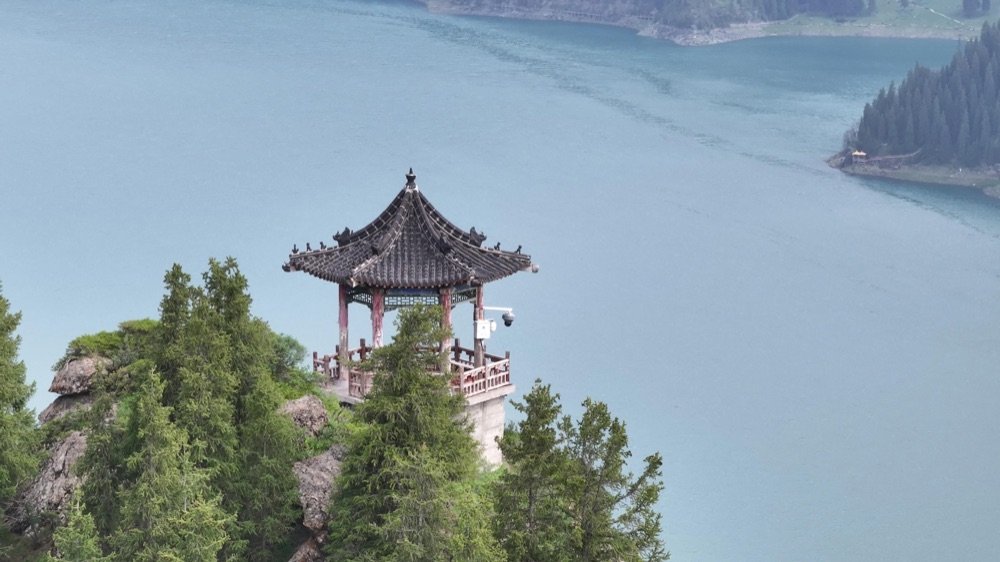
The best dairy is at the source, which means sleeping where the herders do. Yurt stays near Sayram, Nalati, and Bayinbuluke run about ¥120 to ¥200 a night with meals, and the morning bowl of kumis or fresh yogurt is included without you asking. Bayinbuluke in particular sits at 2,500 meters, where the cool air keeps everything fresh.
I spent two nights in a family yurt above Nalati and helped churn butter one morning, which earned me a plate of it with bread. The guesthouses along the 200 km stretch from Gongliu to Nalati are the most reliable for this, and most speak enough Mandarin or Russian to sort out the basics.
Book yurt stays a day ahead in peak summer, because July and August fill the grasslands with domestic tourists and the best families stop taking walk ins. The quieter months of June and September gave me empty valleys and hosts with time to teach. If you only have one night, pick Sayram for the altitude and the lake light, or Bayinbuluke for the swans and the wide wet meadows that the nomads call the birthplace of their butter.
A Word of Caution for Your Stomach
Most of this dairy is unpasteurized, which is exactly why it tastes alive. It is also why a sudden overdose can lay you out for a day. I learned to start with a small bowl of kumis and wait before going back for more, especially after a long drive when my gut was already tired.
Travelers from places with strict pasteurization should treat steppe dairy like street food abroad. Eat it where you see locals eating it, keep portions modest for the first day, and carry your usual remedy just in case. The reward is worth the care, and the risk drops fast once your system adjusts.
One more practical note: the fizz in kumis can bloat you if you drink fast on an empty stomach, so pair the first bowl with bread rather than sipping it solo. I made that error on day two and spent a sluggish afternoon by the lake. After that I treated kumis like wine, small amounts, slow sips, always with food, and the rest of the trip was smooth. Your mileage will vary, but the cautious approach costs you nothing and saves a lot.
Pairing Dairy With Naan and Honey
The simplest pleasure is also the best. Tear a piece of naan bread, lay on a slice of smoked cheese, and finish with a dab of honey. The bread’s dry chew balances the salt, and the honey rounds off the smoke. It is a three ingredient meal I ate almost daily.
On a self drive trip through Xinjiang, these pairings turn gas station stops into picnics. Buy naan fresh from a roadside oven for ¥3 to ¥5, grab honey at a village stall, and you have a lunch that beats any highway canteen. Drive the grasslands slow, eat the dairy fresh, and let the nomads teach you what milk can become.
If you want a final combo to remember, do what the Kazakh hosts did for me on my last morning. They warmed a flat bread over the coals, spread it with fresh butter, drizzled Tianshan honey, and set a bowl of kumis beside it. Sweet, salt, smoke, and sour in one short meal, eaten squatting at the yurt door with a horse blowing steam in the cold air. That is the taste of the grassland, and it is worth every cautious sip it took to get there.