What to Wear in Xinjiang: Dress Codes for Mosques, Villages and the Desert
The Short Version: There Is No Law Telling You What to Wear
I still remember the first time I crossed into Xinjiang with a backpack and zero clue about clothing. Some forum post had warned me I would be “required” to wear a headscarf, that police would stop me at checkpoints for showing shoulders, that women especially needed to cover head to toe. None of it was true. I drove 4,000 km across the region over three weeks and nobody, not once, told me to change what I was wearing.
Xinjiang has no legal dress code for foreign visitors. You will not be fined, refused entry to a city, or pulled over for wearing shorts. That fear-mongering travels faster than the truth, and it keeps a lot of people from even booking the trip. The real story is gentler and more practical: there is no rule, but a little awareness makes your days smoother and your photos warmer.
Think of it less as a code and more as a set of small courtesies. Cover a bit more at a mosque. Keep things loose and modest in a village home. And then forget politeness entirely and focus on the thing that actually matters out here, which is the sun and the altitude. My packing changed completely after my first afternoon on the Pamir, when I learned the hard way that the sky at 3,000 meters does not forgive.
Mosques: Cover Shoulders and Knees, Not Your Face
The single biggest myth I hear is that foreign women must wear a hijab in Xinjiang. You do not. At no mosque I visited, from Kashgar to Kuqa to the little roadside shrines near Aksu, was a headscarf required of visitors. Local women often wear one, and you will see men in caps, but the obligation is cultural and personal, not something imposed on guests.
What does help is covering your shoulders and knees when you step inside an active place of worship. I keep a lightweight long-sleeve shirt and a scarf in the car for exactly this. At the Id Kah Mosque in Kashgar, the largest in the region, the courtyard is open and casual, but once you move toward the prayer hall you will feel more comfortable in longer sleeves. A scarf draped over the shoulders reads as respectful without being a full cover.
Shoes come off in the carpeted prayer areas, so wear something you can slip on and off without a struggle. I learned this at a small village mosque near the Taklamakan edge, fumbling with lace-up boots while a dozen locals watched politely. Slip-on shoes or sandals with a back strap saved me the second time around. You can read more about visiting religious sites across the region before you go, since the customs vary a little by sect and by how active the site is.
One practical note: Friday midday prayers draw crowds, and that is when modesty matters most. If you wander in during the call to prayer, step back and observe from the edge rather than walking through. Nobody scolded me, but I felt the awkwardness of a tourist in shorts cutting across a sea of kneeling worshippers. Timing your visit for mid-morning or late afternoon keeps everyone happy.
What I Actually Carry for Mosque Stops
A scarf that packs to nothing, a long-sleeve cotton shirt, and slip-on shoes cover 95% of situations. The scarf doubles as a sun shield later in the day, so it earns its place. Skip anything tight or sheer; loose fabric keeps you cool and reads as respectful. I keep all of it in a small daypack that never leaves the front seat.
Village Homes and Family Courtyards
Out in the countryside, hospitality is a serious business. If a family invites you in for tea, which happened to me more times than I can count, modest dress shows you respect the home. This does not mean a headscarf. It means avoiding low-cut tops and tiny shorts, the kind of thing that would feel out of place at a grandmother’s table anywhere.
I once spent an evening in a mud-brick courtyard near the Tian Shan foothills, sharing flatbread and grapes with three generations. I had arrived straight from a hike in cargo shorts and a tank top, and the older woman quietly handed me a long shirt to pull on over them. Not a rebuke, just care. Since then I keep a spare overshirt for exactly these moments, and the gesture always lands well.
Families often want photos with you, and dressing in a way that matches the room’s tone makes those pictures feel like friendship rather than tourism. You can go deeper into local cultural etiquette before you travel, but the clothing part is simple: when in a home, cover a little more than you would on the trail.
The Real Dress Code Is the Sun and the Altitude
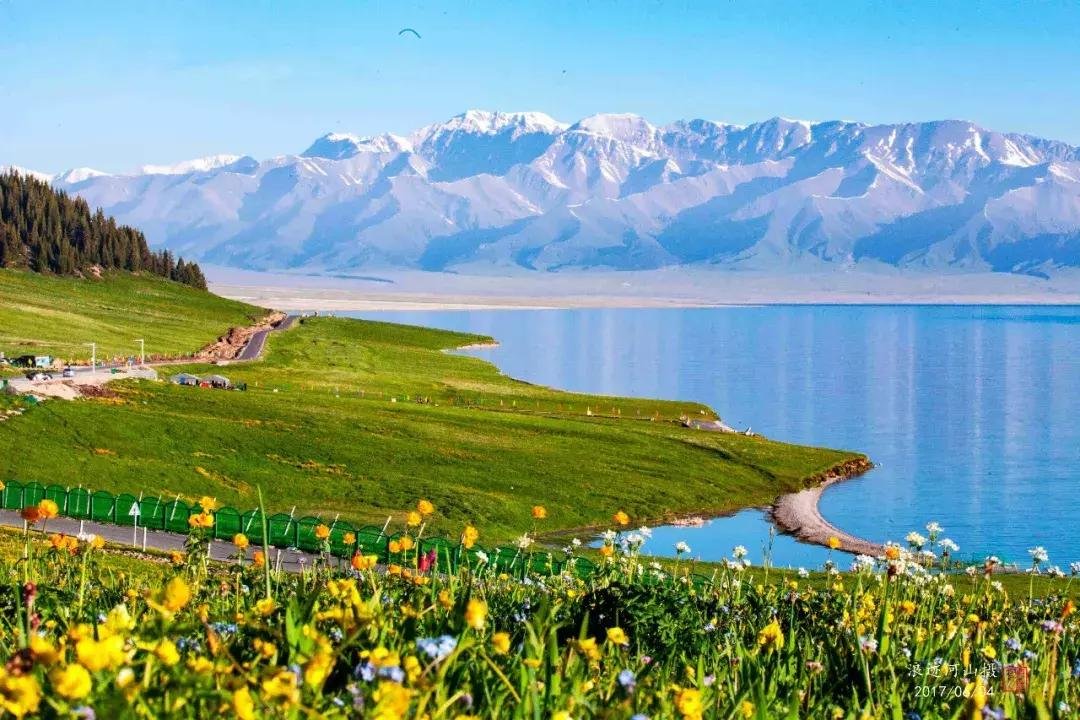
Here is what actually beat me up in Xinjiang: not customs, but the sky. At 3,000 meters on the Pamir Highway the UV index sits around 11 even in May, and the air is so dry your lips crack by noon. The desert floor around Turpan and the Taklamakan hits 40°C in July, while the mountains behind Kuqa drop near freezing at night. The clothing that saves your trip is the clothing that handles this.
A wide-brimmed hat is non-negotiable. I went through three cheap ones before buying a proper ventilated trekking hat with a neck flap, and the difference was absurd. Sunglasses need real UV protection, not fashion lenses; my eyes ached for two days after a bright drive near Lake Karakul before I upgraded. A long-sleeve UV shirt became my uniform from Kashgar north, and I never once regretted the extra coverage when the wind picked up.
My full approach to beating the UV is written up separately, but the short version is: cover skin, cover eyes, cover head, and drink more water than feels necessary. You stop feeling thirsty before you stop being dehydrated out here.
The 20°C Swing
The day-night temperature gap on the Pamir and Tian Shan can reach 20°C. I have started a morning at Tomur’s gateway in a fleece and ended the same day in a T-shirt at noon, then needed the fleece again by 7pm. Layers are the answer, not a single heavy coat. A base layer, a light fleece, and a wind shell fit in one small cube and handle almost everything.
At altitude the wind cuts cold even when the sun blazes. I keep a packable puffer for passes above 3,500 meters, where a blue sky can still leave you shivering at a viewpoint. The trick is zipping and unzipping through the day rather than committing to one outfit. Drivers especially feel it, since you step from an air-conditioned cabin into thin mountain air without warning.
Driving Versus Walking: Two Different Wardrobes
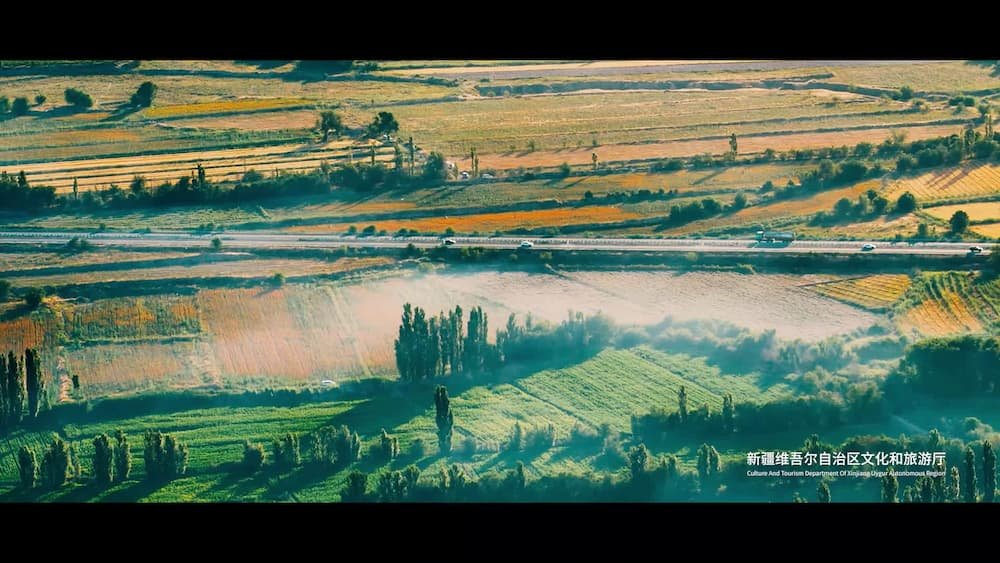
Behind the wheel your needs shift. The car cabin stays warm and the sun comes through the side window, so I wear light long sleeves and a hat I can push back while driving. Sunglasses with polarized lenses cut the glare off pale desert roads around the Tarim Basin, where the wash of light after rain is genuinely disorienting. Keep a pair of comfortable shoes for when you stop, because you will want to walk every viewpoint.
Walking, whether through a Kashgar alley or up a canyon near Aksu, wants sturdier footwear. I wore trail runners almost every day and they handled gravel, dust, and the occasional stream crossing. Sandals are fine for town and mosques but useless on loose scree. The desert looks flat and bites your ankles if you wear anything with a soft sole.
One thing nobody told me: dust. A fine tan dust coats everything west of the Taklamakan, and light colors show it instantly while mid-tones hide it better. I stopped caring about looking clean by day three and just kept one decent shirt for evenings in town. Comfort won over presentation every single time.
What to Pack: A Practical List From the Car
I build my suitcase around the season, and a seasonal packing list covers the month-by-month detail far better than I can shorthand here. But the clothing core stays constant year-round: two UV long-sleeve shirts, one light fleece, one wind shell, a packable puffer, a wide-brim hat, a scarf, polarized sunglasses, trail runners, and slip-on shoes for mosques and homes.
For summer, add a sun hoodie and lighter pants; for winter, swap the puffer for a serious down jacket and bring liner gloves. Spring and autumn are the tricky seasons where you wear everything in a single day. I pack one “nice-ish” outfit for dinners in Urumqi or Kashgar, but honestly the region is relaxed and nobody dresses up.
Toiletries matter as much as clothes for comfort. Lip balm, a strong sunscreen (SPF 50+, reapplied, not just applied once), and moisturizer kept me functional. The air stole moisture faster than any place I have driven. A small towel for the unexpected invitation or roadside wash rounded out the bag.
Laundry on the Road
Most towns have a guesthouse with a line out back, and quick-dry fabrics mean a shirt washed at night is ready by morning. I ran a three-shirt rotation for two weeks without issue. The desert sun does the drying; you just need water and a bit of soap. This kept my bag under 12 kg, which mattered when I moved hotels every night or two.
Dispelling the Hijab Myth, One More Time
I want to be blunt about this because the fear stops people from coming. As a foreign visitor you are not expected to cover your hair anywhere in Xinjiang. Women who choose a headscarf do so for faith or comfort, and you are free to join that choice or not. Covering shoulders and knees at a mosque is a courtesy, not a requirement enforced by anyone.
The friends I traveled with who wore what they wanted, shorts and tank tops in town, headscarf only when they felt like it at a shrine, had zero problems. The only stares they got were the usual curious ones any outsider gets in a small oasis town, and those faded the moment they smiled. Dress with basic respect and the region welcomes you warmly.
Seasonal Snapshots
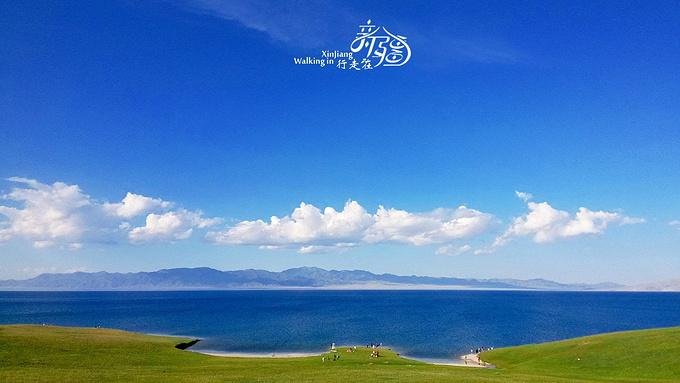
In July around Turpan I wore the lightest clothes I own and still drank four liters of water on a short walk. In October near the Kizil caves a morning fleece gave way to a shirt by noon and back again at dusk. February in the Tian Shan meant full winter gear even at midday. The region spans climatically from furnace to glacier, sometimes in one drive, and your wardrobe has to bend with it.
I plan each leg around the altitude more than the calendar. A July pass above 3,500 meters near Tomur can hold snow while the valley bakes. Checking the elevation of your stops tells you more about what to wear than the month does. The map, not the season, is your dress code.
A Final Word Before You Zip the Bag
Pack for respect at the door and survival under the sky. A scarf and a long shirt handle the human side; a hat, sunglasses, and layers handle the mountain side. Everything else is preference. Xinjiang asked far less of my wardrobe than I feared and far more of my sunscreen than I expected.
Drive slow, dress loose, and keep water within reach. The landscape will do the rest, and you will come home with stories instead of sunburn. The clothing is the easy part once you stop worrying about rules that were never there.