
Baicheng County: Kizil Caves and the Gateway to Tomur Peak
Why Baicheng Stays Quiet
I almost skipped Baicheng. My route ran west from Kuqa and the guidebooks gave it a single flat sentence, a county town on the way to somewhere else. That sentence was wrong. Baicheng sits where the green Tarim oasis runs up hard against the grey wall of the Tian Shan, and it holds one of the oldest Buddhist sites in all of China plus the southern road to the highest mountain in the range. I stayed two nights and wished for three.
The town itself is small, maybe 40,000 people, with wide dusty streets and poplar trees that turn gold in October. You feel the frontier here in a way Kashgar no longer shows. Trucks rumble through toward the passes, old men play chess under awnings, and the call to prayer drifts over rooftops at dusk. Nobody hurries, and after a week of long driving that pace was exactly what I needed.
Baicheng works as a base you did not expect. From here you reach cave temples older than any in Dunhuang, a canyon road toward a 7,443-meter giant, and glacier approaches that most travelers only read about. Pair it with the Kuqa sites to the east and you get a Silk Road loop that few self-drivers bother to complete. This is the corner where the desert Buddhism of the south meets the ice of the north.
Getting There: The Drive In on G3012
Most people reach Baicheng from Kuqa, which is the logical jumping-off point and a better place to sort fuel and supplies. The run west on the G3012 expressway covers about 110 km and took me just under 90 minutes in a rented SUV, cruising at the 100 km/h limit with light traffic. The road is smooth, well-marked, and boring in the best way after some of the rougher county routes I had driven.
Coming from Aksu to the west, budget around 130 km and roughly two hours on the same G3012. I did this leg the other direction on my way out and stopped once for fuel at an expressway station that took card payment without fuss. Aksu makes a solid fallback base if Kuqa is full, and you can read more about the Aksu gateway town before deciding where to sleep.
Fuel is the thing to watch. Baicheng has two or three stations, all accepting domestic cards and the local payment apps, but the smaller villages north toward the mountains have none. I topped off in Baicheng every morning before heading up, because the climb to the Tomur road eats gasoline faster than the odometer suggests, with switchbacks and cold starts. A full tank gave me peace of mind on roads with no phone signal.
One practical note on the expressway: the G3012 runs a toll section, and the booth took my rented-car transponder without issue, but carry cash just in case the machine rejects a foreign card. The toll from Kuqa was under ¥30, cheap for the time it saved. Police checkpoints appear at county boundaries, so keep your passport and car documents in the glovebox where you can reach them.
The Kizil Caves: Older Than You Think
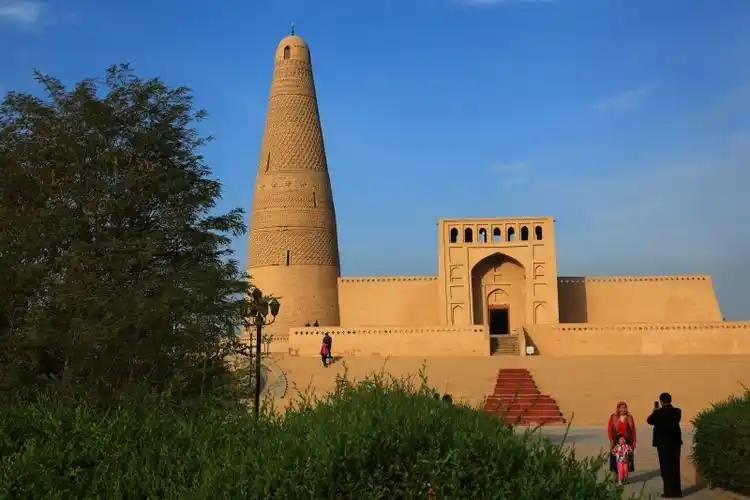
The reason Baicheng earns a detour sits 7 km northeast of town, up a side road that follows the Muzat River into a cliff of honey-colored rock. The Kizil Caves are the oldest major Buddhist cave-temples in China, carved and painted between the 3rd and 8th centuries, centuries before the famous caves at Dunhuang reached their peak. Walking into the first dim chamber, with a flashlight catching a blue apsara on the ceiling, I felt the age of the place in my chest.
Some 236 cave openings were cut into the cliff face, though only a portion are open to visitors and even fewer hold well-preserved murals. The paintings show a fusion you will not see elsewhere, Indian pose, Persian color, and Central Asian face, all mixed in a remote Tarim valley. Rows of small Buddha figures, donors with round foreign features, and scenes of paradise gardens cover walls that have survived fourteen hundred years of wind and theft.
Our guide told the story I still repeat to everyone: the “Russian dancer” mural. A panel in one cave shows a figure with a posture and costume so unlike the surrounding Buddhist imagery that early 20th-century researchers, including the German expeditions who removed many murals, nicknamed her the Russian dancer. She likely depicts a secular entertainer from the Silk Road, a reminder that this was a cosmopolitan stop, not a quiet monastery. Standing in front of her, I thought about the caravans that once rested right outside.
Much of the best art was cut from the walls by foreign expeditions a century ago and now sits in Berlin and elsewhere, a loss the site does not hide. What remains is still stunning, and the on-site museum explains the history without sugarcoating it. For deeper background before you visit, see the Kizil Thousand Buddha Caves, which covers the art and the looting in more detail than the panels manage.
Timing Your Cave Visit
Give the caves a half day at minimum: 40 minutes to drive in from Baicheng, two hours with a guide, and time afterward to walk the cliff path and the riverbank. Tickets ran about ¥70 when I went, with a mandatory guide included because the murals are fragile and photography is restricted inside. Mornings had the softest light on the cliff face and the smallest crowds, so I aimed for a 9am arrival.
Bring a jacket even in summer. The shaded cliff stays cool and the caves themselves hold a damp chill that surprised me in July. Comfortable shoes matter on the uneven stone steps. I spent longer than planned just sitting on the riverbank watching swifts wheel past the cave mouths, and that quiet hour became a trip highlight.
The Road North Toward Tomur
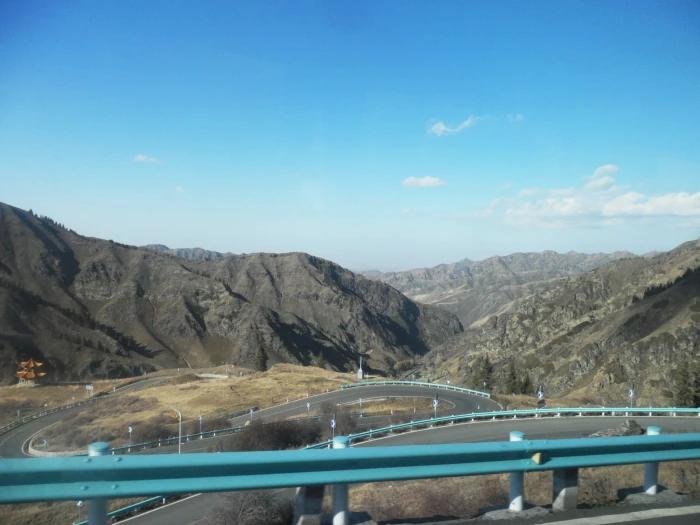
North of Baicheng the real drama begins. The road climbs along the Muzat River into the Tian Shan, heading toward Tomur, the range’s highest peak at 7,443 meters. This is the mountain the Chinese call the roof of the Tian Shan, and the approach from Baicheng is the gentlest driving line to its foot. I did not summit anything, obviously, but reaching the glacier viewpoint was a reward in itself.
The first 40 km from town are paved and easy, winding through orchards and then pine forest as you gain height. Beyond that the surface turns to graded gravel for stretches, and a normal car will manage in dry weather but will feel every stone. I was glad for the SUV’s clearance on the washboard sections past the last herder camp. Snow can close the upper road from late October through April, so plan a spring-to-autumn visit for the full run.
About 60 km up you reach the turn toward the Muzarti glacier, the tongue of ice that drains off Tomur’s northern face. I parked where the track ended and walked the final kilometer over moraine, the white peak finally visible above the ridge. The cold up there in August was real, a sharp wind that dropped the feel to near freezing, and I was glad for the fleece I had learned to keep in the car. This is where the Wensu Tomur canyon system connects, a different approach from the Wensu side that many drivers pair with this one.
Altitude and Caution
The glacier viewpoint sits around 3,200 meters, high enough that I felt the thin air on the walk and moved slower than usual. Nobody should rush this road. Weather turns fast, a clear morning can slam shut with sleet by noon, and there is no shelter past the herder camps. I turned back by 2pm both times, leaving the mountain while the light held.
Carry water, a warm layer, and a paper map, because GPS signal fades in the gorges. I marked the glacier turn on a printed map before leaving Baicheng and it saved me from a wrong fork. Tell someone your plan if you go beyond the paved section, since you may not see another vehicle for hours up there.
Eating and Sleeping in Town
Baicheng feeds you simply and well. The evening market near the main cross street grills lamb skewers for ¥3 apiece, and a plate of hand-pulled noodles with tomatoes and green pepper ran me about ¥18. I ate at a corner spot three nights running because the laghman was that good, and the owner started pouring me tea without asking by the second visit. That is the town in a nutshell.
Breakfast was nan bread, fresh from the tandoor, and weak milk tea, bought from a stall that opened before sunrise. Fruit in autumn is exceptional, the local apples and grapes taste nothing like the shipped versions. I loaded the car with grapes from a roadside stand for ¥5 a kilo and ate them across two days of driving.
Lodging is basic but clean. I stayed in a small hotel for around ¥160 a night, with hot water and a firm bed, nothing fancy and exactly enough. Book ahead during the October holiday period when domestic tourists flood the canyon roads. The front desk arranged my cave guide contact, which smoothed the Kizil visit considerably.
Pairing Baicheng With Kuqa Sites
Baicheng makes most sense as the western half of a Kuqa loop. East of Kuqa, the ruined temples and watchtowers fill the gaps in the story the caves begin. I drove back toward Kuqa on my last day and stopped at the Subashi ruins, the silent Buddhist monastery complex where two lonely stupas rise from the desert, a perfect coda to the Kizil murals I had seen two days earlier.
On the way I passed Kizilgaha beacon tower, a Han-dynasty watchtower of rammed earth still standing amid the fields, a reminder that this corridor was guarded long before the caves were painted. These stops are quick, an hour each, and they turn a simple transit day into a proper Silk Road narrative. I planned Kuqa as my final base, which let me return the car there without backtracking.
If you have a full day in Baicheng itself, do the caves in the morning and the lower Tomur road in the afternoon, returning for the evening market. A half day works if you only want the caves and a glimpse of the mountain road before pushing on. I leaned toward the full day and never regretted the slower pace, since the town rewards anyone willing to stop.
A Sample Two-Day Loop
Day one: drive Kuqa to Baicheng on G3012, check in, eat at the night market, sleep. Day two: Kizil Caves at 9am, back for lunch, then the Tomur road north as far as conditions allow, return before dusk. That gave me both the deepest history and the highest view without a stressful schedule. Add a third day if you want the glacier walk at a relaxed pace.
Fuel and water for two days cost me under ¥200 beyond lodging and food, which tells you how cheap this corner stays. The only real expense is time, and Baicheng repays it slowly. I left knowing I had seen a China most travelers miss, the Buddhist past and the icy present in a single small county.
Before You Point the Car North
Baicheng rewards preparation more than most stops. Fill the tank, download offline maps, carry a warm layer even in July, and confirm the cave guide ahead if your Chinese is thin. The roads are quieter than the famous routes, which is the point. You trade crowds for space and come away with the better story.
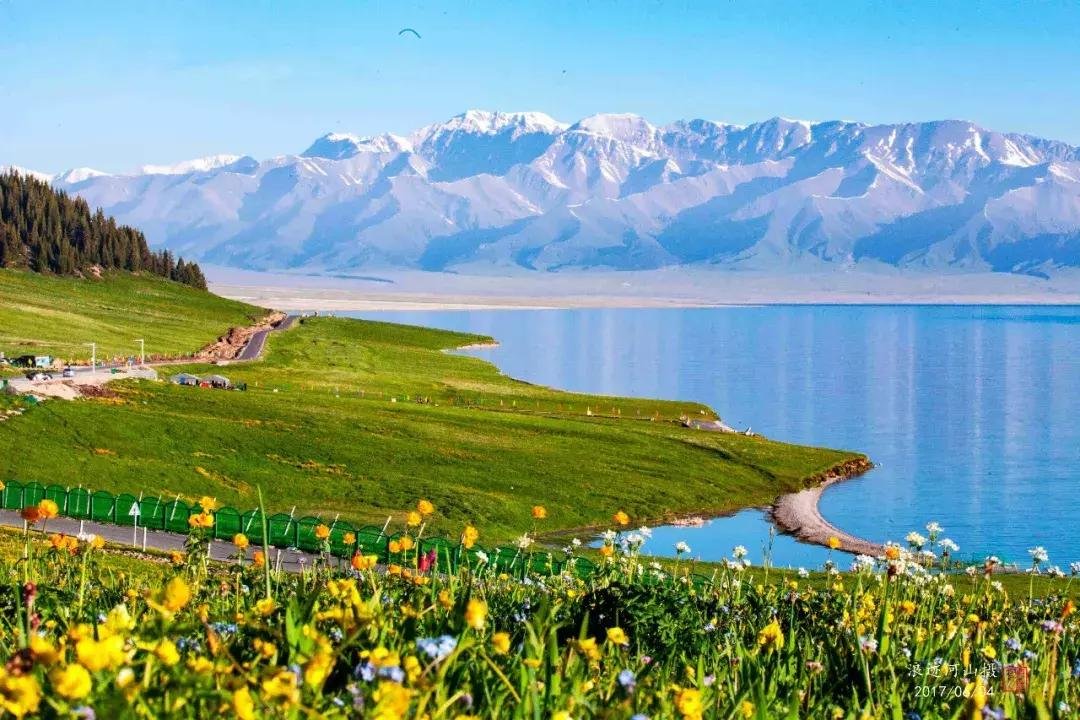
I still think about that first evening, sitting on a low wall with a skewer and a view of the mountains going purple. The guidebooks undersold it. Drive the G3012 west, turn off at Baicheng, and let the cliffs and the ice do the rest. The quiet corner turned out to be the loudest memory of the whole trip.