
Three Days and a Lifetime: Uyghur and Kazakh Weddings in Xinjiang
An Invitation You Should Accept
I was staying at a Kazakh yurt camp near the Ili grasslands when the family I was renting from announced, through my patchy Mandarin and their patchy everything, that there would be a wedding the next valley over and I should come. I went expecting to watch. I left having danced, eaten a sheep’s worth of food, and been declared, loosely, an honorary uncle. Weddings in Xinjiang are not private events with a plus-one list. They are community explosions of food, music, and motion, and outsiders are welcome if they are polite.
The two biggest wedding traditions a traveler might witness are Uyghur and Kazakh, and while both involve a lot of food and a lot of singing, they feel different.
The wedding I crashed that first time ran from late afternoon until past midnight. I arrived at six. The courtyard was already strung with lights, and a long table bent under the weight of watermelon, grapes still warm from the vine, and trays of nuts. By nine the dancing had spread from the women’s side to the men’s, and by eleven a boy of about four was asleep on a chair dressed in a tiny suit. I left at one in the morning, full, hoarse from singing vowels I did not understand, and certain I had stumbled into the best evening of the trip. Nobody had checked a list. Nobody asked my name twice. I was simply there, and that was enough.
The Uyghur Wedding
A Uyghur wedding in the south, around Hotan or Kashgar, is a two-part affair. There is the religious ceremony at a mosque or home, which is family-only, and then the celebration, the toy, which can fill a banquet hall or a courtyard with a few hundred guests. The men and women often celebrate separately or in alternating waves, and the music is live muqam and folk bands, not a playlist.
The food is the point after the music. Whole lamb, hand-pulled noodles, and a mountain of sweets. At one wedding I counted fourteen dishes before I stopped. The bride’s entrance is the climax, often in red and gold, and the photography is relentless.
Most southern Uyghur weddings I have attended follow a rhythm. The nikah, the religious contract, happens mid morning at the home or the mosque with perhaps thirty close relatives. The toy opens in the evening and can run four or five hours. Between the two, the groom’s family delivers the bride’s dress and the sweets, and the bride’s family lays out the dowry for display. As a visitor you will almost always arrive for the toy, and that is the part built for a crowd. The morning ceremony is not for you, and nobody will be offended if you skip it. Show up for the dancing and the feast and you will be treated as a guest.
The Kazakh Wedding
The Kazakh version, up in the north and the pastures, leans into horsemanship and the famous bride’s farewell. There is a tradition where the bride is “kiddapped” by the groom’s friends in good fun, and another where she is escorted on horseback, weeping a stylized farewell song to her family. It is choreographed, not coerced, though the song is genuinely sad and genuinely beautiful.
The Tajik communities add their own layer: the eagle-dance and the blowing of the naqsh horn at mountain weddings. If your route reaches the Pamir, ask about weddings. They happen year-round but cluster in summer.
I once joined a Kazakh wedding north of Yining where the bride’s farewell song was sung from the back of a horse, and the whole caravan of relatives rode a slow kilometer from her family’s yurt to the groom’s, pausing every hundred meters so the women could sing another verse. The altitude was around 1,800 meters, the air smelled of sage, and the groom’s uncle handed me a bowl of kumis so sour it made my eyes water. That is the version you hope to find, and it happens most often in July and August when the families are settled in the summer pastures. The Pamir Tajik weddings run even higher, above 3,000 meters, and the eagle-dance there is performed by a line of men imitating the bird’s wings with their arms, a sight worth the cold.
How to Witness One Respectfully
You will not find wedding times in a guidebook. The way in is personal. Stay a few nights at a family-run yurt stay or a small guesthouse, be friendly, and mention your interest. Communities that host travelers often know of a celebration that weekend. In the south, the big banquet halls on the edge of Kashgar or Hotan host multiple weddings on any given Saturday, and a polite ask at the door sometimes gets you in to watch the public dancing.

Rules of the Room
Dress modestly. A foreign face gets a pass on specifics, but cover shoulders and knees and skip the alcohol if the family is observant. Ask before photographing the bride; many families love it and will pose, but some consider it intrusive. A small gift, like fruit or sweets for the family, is always appropriate and costs you almost nothing.
Bring cash. Wedding banquets are not cheap for the hosts, and while you will almost never be charged as a guest, the surrounding stalls selling nuts and toys run on cash only.
What You Will Eat
Expect pilaf, laghman, samsa, and the centerpiece whole lamb. At a Kazakh wedding there will be kumis and boiled lamb with hand-torn bread. At a Uyghur one, the nan and the sweet halwa come in quantities that defy physics. Pace yourself. The first round is a warm-up.
At a Kashgar toy the pilaf alone is a production: rice steamed with carrot, raisin, and lamb fat, served in basins the size of bicycle wheels. The pilaf is only the opener. Then come the samsa, baked in a tandoor and handed out too hot to hold, and the laghman, hand pulled noodles tossed with tomato and green pepper. At a Kazakh wedding the boiled lamb arrives in a single great pot, and the host tears the bread by hand to scoop the broth. Eat when offered, decline nothing on the first round, and you will be treated as family by the second. The sweet halwa arrives near the end, a dense block of nuts and sugar that you pocket for the road without thinking about it.
A Kashgar Saturday, Door by Door
If you are based in Kashgar on a weekend, you do not even need an invitation to see something. The big banquet halls on the western edge of the old city, near the road out toward the airport, host wedding receptions almost every Saturday from May through October. I walked into one on a June evening by asking at the front desk, where a teenager in a bow tie waved me toward a side table with a plate already waiting. The public dancing, the chorchaq line dances where everyone links arms, happens in the main hall and is open to anyone standing respectfully at the edge. You will not sit with the family, and you should not try, but nobody asked me to leave.
The practical move is to arrive around eight in the evening, after the meal and before the dancing peaks. Bring 20 yuan in small notes for the stalls outside selling roasted sunflower seeds and bottled water, because the hall gets warm and the dancing lasts. Dress like you are meeting someone’s grandmother: long trousers, sleeves to the elbow, nothing loud. A foreign face is a curiosity, not a problem, as long as you behave like a guest and not a tourist with a camera stuck to your face. When the line dance reaches your corner, step in. The worst that happens is you trip, and the room will cheer you for trying.
The Bride Price, the Morning, and the Timing
Uyghur and Kazakh weddings both involve a negotiated bride price, though you will rarely see it as a visitor. What you can plan around is the schedule. Southern Uyghur toy celebrations cluster on Fridays and Saturdays, with the religious part on a Thursday or Friday morning. Northern Kazakh celebrations follow no fixed weekday and track the pasture season, so July and August are your best odds. If you want to catch one deliberately, tell the family you stay with on a Monday or Tuesday that you would love to see a wedding, and let them make a call. By Thursday they often know of one for the weekend, because these things are arranged days, not months, ahead in the countryside.
In the south, the bride’s entrance is the moment everyone waits for, and it is staged like a small procession: red and gold, a line of young women, and a photographer who will kneel in the aisle for twenty minutes. In the north, the climax is the farewell song and the horseback escort. Both are worth the wait, and both happen on a timeline that runs later than any invitation suggests. The banquet that was meant to start at seven often truly begins at eight, and the dancing that should peak at ten peaks closer to midnight.
What You Will Hear and How to Join In
The music is the part that pulls you in whether you mean it to or not. At a Uyghur toy the muqam and folk bands use the dutar, the rawap, and hand drums, and the tempo builds from a slow circle to a spinning line dance that can pull in fifty people at once. At a Kazakh wedding the instrument is the dombra, two strings plucked fast, and the song the bride sings is a solo that silences the whole yard. You do not need to know the steps. At the Uyghur line dance, copy the person on your right: step, link, turn. Within two minutes you will be laughing. At the Kazakh gatherings, clapping along from the edge is enough, and someone will eventually hand you the dombra to hold, not to play.
A Week That Gave Me Three Weddings
I once planned a route specifically to maximize my odds, and it worked better than I expected. I flew into Kashgar and spent three nights, attending a Saturday toy at a banquet hall on the west side and a smaller home celebration in a courtyard near the Id Kah mosque on Sunday. Then I took the long drive north, roughly 1,200 kilometers over two days via Aksu and the Korla corridor, to the Ili valley, where I stayed at a Kazakh yurt camp for four nights. On the third night there, the family’s cousin married, and I ate and danced until the generator ran out of fuel. Three weddings in seven days, none of them booked, all of them found by staying put and asking. The driving was long, and the road from Aksu to Korla is dry and empty for stretches of 80 kilometers without a town, but the payoff was the best week of a year in China.
Photography, Step by Step
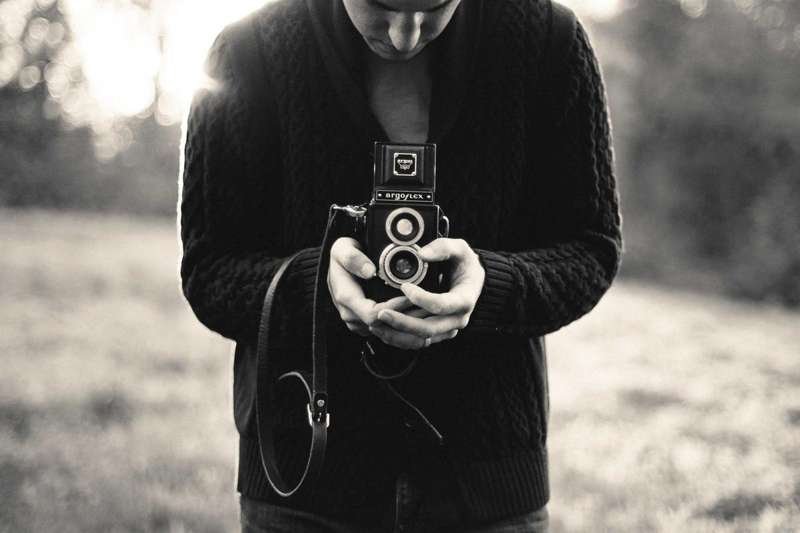
Cameras are welcome at most celebrations, but the etiquette is specific. Ask the family at the door before you raise a camera, and lead with a smile rather than a lens. Photograph the dancing and the food freely; these are communal and proud. Photograph the bride only after the family has posed her and is clearly enjoying the attention, or after they have invited you to. Never shoot during the religious ceremony if you are allowed into that part at all, which is rare. A small gift smooths everything: a bag of grapes from the market costs 10 yuan and reads as genuine warmth. If someone waves you off from a shot, lower the camera without argument. The memory is yours whether or not the photo is.
Why Go
A wedding is the fastest way into the emotional life of a place. The festivals get the press, but a wedding is more intimate and more real. I have stood in a hundred scenic overlooks. The half hour I spent in a Kashgar courtyard, clapping along to a drum I could not name, taught me more about hospitality than any hotel ever did. If someone invites you, cancel your plans. Go.