
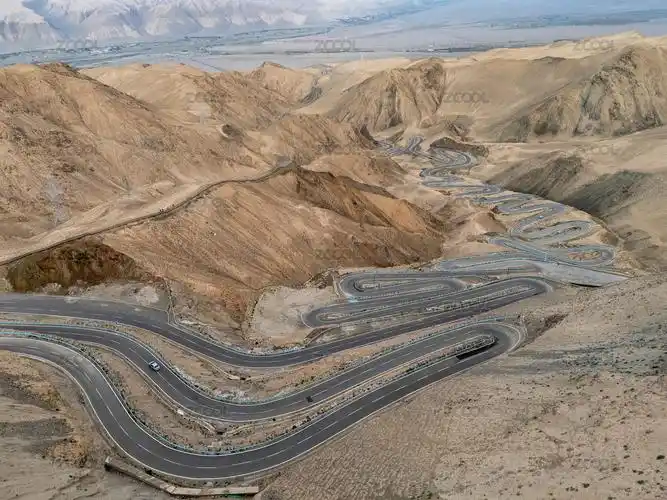
Petroglyphs and Ancient Rock Art Trails of Tianshan and Altay
Last September I stood on a slate slope above a river valley in the Tianshan and counted forty deer carved into the rock, each one running, none of them quite the same. I had driven two hours on a rough road to reach them, and for the first ten minutes I could not find the figures at all. Then my eye adjusted and the whole panel lit up, a frozen herd moving across the stone for three thousand years. Xinjiang holds hundreds of such sites, far more than most travelers realize, scattered from the Altay ranges in the north down to the red hills near Kuqa in the south.
These carvings are not decoration. They are the oldest writing in the region, made by herders who left no other record. The Kangjiashimenzi rock carvings get the most attention, and for good reason, but they are only one stop on a much longer trail. This guide covers the sites you can actually reach, what the images mean, and how to see them without damaging anything.
What the carvings show
The most common figure by far is the deer. Not the stiff, antlered deer of European coats of arms, but long-bodied animals with legs tucked and antlers swept back like a fern, caught mid-leap. Scholars read them as totems of the tribes who carved them, or as prayers for a good hunt, or both. At one site near Altay I counted a line of eleven deer all facing the same way, as if herded by an invisible hand, and the movement in the stone was so strong I almost expected them to move.
Sun symbols come next. A circle with rays, or a spiral, appears on panels from the Tianshan to the Altai, and almost always near the top of the rock, as if the carvers wanted the sun above the animals. I asked a local guide in Qinghe what he thought they meant. He shrugged and said his grandfather told him they were prayers for light in the long winter. That answer has stayed with me more than any book, because it came from a person who still lives with that winter.
Hunting scenes are the third big group. Tiny archers with bent bows stand below much larger animals, and the scale tells you who mattered. At a panel above a seasonal river I found a hunter no bigger than my thumb beside a goat the size of my forearm, and the message was clear enough without a translation. Some panels show rows of footprints, or hands, or what look like stick figures dancing, and nobody agrees on those. That disagreement is part of the fun, and a good reason to bring a notebook rather than a fixed opinion.
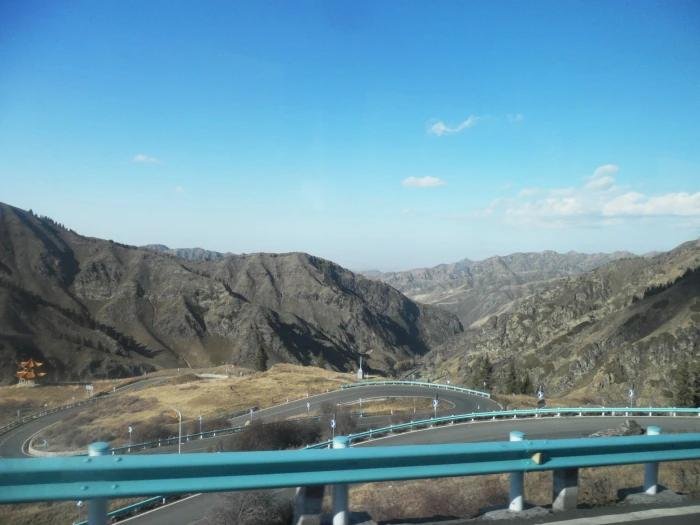
What you will not see, mostly, are written words. These people did not carve script. They carved memory, and the lack of text is why the meaning stays open. A Russian archaeologist I met at a site near Altay told me the figures likely span two thousand years and several different cultures, layered one over another on the same rock. The oldest might be Bronze Age. The newest could be a few centuries old. Standing there, you read time stacked like sediment, and the newer scratches sit on top of the older ones like a footnote someone added later.
Animals other than deer show up too. Wild horses, snow leopards, and the occasional bird appear on the finer panels, and the species tell you about the land as it was. A panel full of ibex means the slopes carried goats the herders followed. A panel with a single large wolf, rare and carefully cut, probably marked a boundary or a warning. I started photographing the species list rather than the whole rock, and by the end of the trip my list read like a field guide to a country that no longer exists.
Major sites
Kangjiashimenzi is the headline site and the easiest to plan around. It sits in Hutubi county, about 75 km from Urumqi, on a cliff face that was once a ritual ground. The carvings there are larger and more human than the animal panels elsewhere, with rows of figures that may show a fertility or initiation ceremony. A path and a viewing platform have been built, which takes some of the wild edge off, but it also means you can actually see the figures without scrambling up loose scree. Go in the morning. The low light rakes across the rock and the cuts throw shadows you miss at noon, and the tour buses tend to arrive after ten.
The Altay stone art is the other giant. In Qinghe county, locally called Chinggil, the slopes above the river valleys hold thousands of individual carvings across many panels, plus the famous stone men, standing figures carved from granite that once marked tombs. Altay’s stone men deserve a visit on their own, but the petroglyph fields around them are the quieter prize. I spent a full afternoon at one open hillside and saw only one other couple. The deer there are finer than anything at Kangjiashimenzi, thinner and more alive, and the wind off the ridge kept the flies away while I sat and looked.
The Tianshan slopes between Urumqi and the lake country hold a string of smaller sites that rarely make the brochures. Near Sayram Lake and along the old pasture roads above Yining you find panels on loose boulders, not cliffs, which means they are easy to miss and easy to damage. A Kazakh herder showed me one such boulder behind his winter cabin, a single deer worn smooth by weather and livestock, and shrugged when I asked how old. He said the old people always told the children not to scratch the stone. That instruction is the whole conservation policy in one sentence, and it works better than most fences.
For the historical frame that connects these sites to the trade routes running past them, the Silk Road history route maps how later travelers walked the same valleys the carvers once hunted. The petroglyphs predate the Silk Road by a long stretch, but the ground is the same, and standing on a carved slope you are on a road older than the road. The caravans came through with silk and silver; the herders came through with sheep and stone, and both left something behind.
Reaching them by car
A car is close to essential. The big sites have parking, but the good small ones sit at the end of pasture tracks that no bus will ever reach. I drove a rented SUV and was glad of the clearance on the Altay tracks, where a sudden rain turned the clay to grease and a low car would have been stuck. In dry summer the Hutubi road is fine for almost anything, and you can do Kangjiashimenzi as a half-day trip from Urumqi if you leave by eight and do not stop for a long lunch.
Distance matters more than it looks on a map. Xinjiang is huge, and the Altay sites are a long haul from the Tianshan ones, around 600 km of mixed highway and mountain road between Urumqi and Qinghe, closer to nine hours with stops. Most travelers split the trail into two trips: one north to Altay, one west to the Tianshan and Ili. Trying to do both in a week leaves you driving more than looking. I made that mistake on my first visit and saw the rocks through a windshield, which is the wrong way to see rock art.
Fuel and water are the real planning. Pasture tracks have no shops, and a panel that looks close on a map can be a hot walk from where you park. I carry ten liters of water and a full spare in the trunk, plus a paper map, because signal drops to nothing on the north slopes. A local in Altay told me the rule his family uses: never go past the last village without a full tank, and he was not joking. The empty country out there is the size of a small country, and the last village is sometimes an hour behind you before you notice.
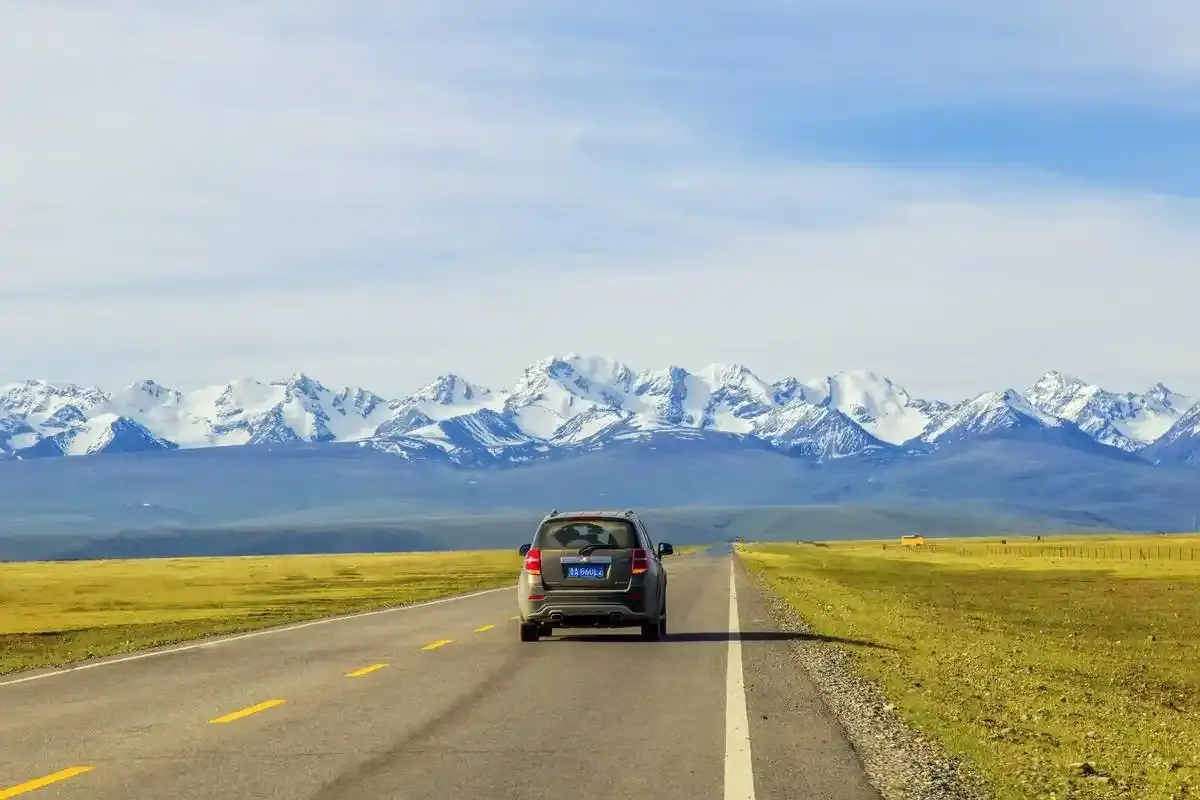
Timing helps more than gear. Late May through September is the safe window, with June and September the best for light and empty sites. July and August bring tour buses to Kangjiashimenzi and midday heat that bakes the slopes. I prefer September, when the grass turns and the light goes long and gold. The deer seem to run faster in that light, or maybe I just notice them more once the crowds are gone and the only sound is wind in the grass.
One more practical note: the managed sites charge a small entry fee, usually under 30 yuan, and the open pasture panels cost nothing but ask for respect. Carry cash for both, because the village gates and the herders who watch the land do not take cards. I keep a stack of small notes for exactly this, and a few handed to a family whose pasture you cross buys goodwill that a map never will. The herders are the real curators of this trail, whether the signs say so or not.
Reading and photographing rock art respectfully
The first rule is dull but real: do not touch the carvings. Skin oil speeds the weathering, and a thousand hands a season will erase a figure that survived three thousand years. At Kangjiashimenzi the platform keeps you back, but on open slopes nothing stops you from walking right up. I keep a meter of distance and use a zoom lens. The rock does not need your palm print to be real, and the photograph will be better from a few steps away anyway.
For photography, side light is everything. Shoot in the early morning or late afternoon when the sun is low, and the cuts fill with shadow and pop. Midday washes them flat, and a flash does nothing but glare. I shoot at a low angle, almost level with the panel, which is also how the carvers saw it. A small tripod helps on windy slopes. Avoid standing in the frame of someone else’s shot, and step off the rock itself, because the lichen you crush will not come back, and the next traveler will wonder why the panel looks bare.
Resist the urge to enhance. Chalking or wetting a carving to make it show for a photo is vandalism dressed as enthusiasm, and it is banned at the managed sites. If a figure will not show, it will not show, and that is part of the honesty of the place. The best panel I photographed all trip was nearly invisible until the sun dropped behind a cloud and the world went flat grey, and then the deer stepped forward. Wait for the light. It always comes, and the patience is part of what you take home.
Leave the stones where they lie. I have read posts from travelers who “collected” a carved pebble, and the loss is permanent and selfish. These panels sit on land that still matters to the herders who graze above them, and Xinjiang’s small ethnic communities often hold the sites as theirs in a way no park sign captures. Ask before you walk a private pasture, and a cup of tea with the family will tell you more than the plaque. The tea is also where you learn which panels are real and which were scratched last year by a bored shepherd boy.
Nearby itinerary ideas
The petroglyph trail pairs naturally with the scenery around it. From Kangjiashimenzi, push west toward Sayram Lake and the grassland above Yining for a three-day loop that mixes carved rock with some of the greenest country in China. I did this loop in reverse, starting at the lake and ending at the carvings, and the contrast between blue water and grey stone made both stronger. The lake takes a morning; the carvings take an afternoon; the drive between them takes the rest of the day and is its own reward.
Up in Altay, combine the Qinghe panels and stone men with a drive to Kanas Lake if the season allows, though that adds distance and crowds. A quieter link is the pasture road south toward Hoboksar, where the Mongol county holds its own open sites and far fewer visitors. I spent a night in a yurt between the two and watched the same constellations the carvers watched, which is as close as a traveler gets to the point of the whole thing. The host’s grandmother brought out a bowl of salted milk curd and said the old ones carved the sky so they would remember it, and I believed her for that night.
Down south, the red-rock country near Kuqa holds carvings too, on a completely different stone and in a completely different mood. The red-rock canyons of Kuqa are worth the detour on their own, and the petroglyphs scattered on the canyon walls tie the southern thread of this trail together. The figures there are rougher and older-looking, scratched into iron-red stone that glows at sunset, and they made a fitting end to my own loop from north to south. I camped one night at the canyon rim and the rock seemed to burn, and the deer on the wall looked like they were running from the light.
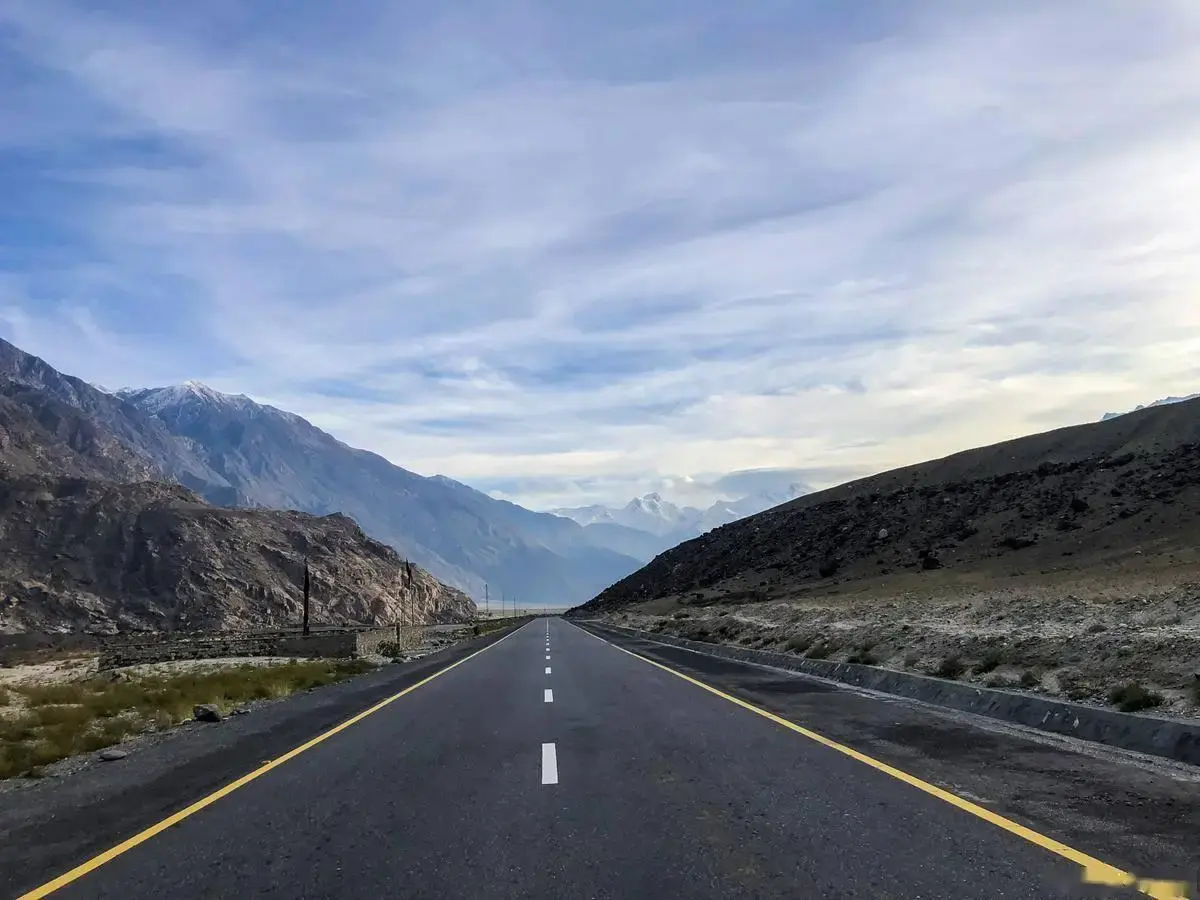
Three weeks and two thousand kilometers after my first deer panel, I still could not tell you what most of them mean. That is fine. The point was never the translation. It was standing on a cold slope with the wind off the Tianshan, reading animals that someone else read three millennia before me, and feeling the line hold. Pack water, pack a zoom lens, and leave the stone as you found it. The deer will be there for the next traveler, running, if we let them, and the slope will be quiet in the same way it has been quiet for longer than any of our roads.