
Motorcycle Touring Xinjiang: Routes, Rentals and Two-Wheeled Road Trips
Why I Swung a Leg Over a Bike Instead of a Car
I had crossed Xinjiang twice in a rented 4×4 before this trip. Both times the truck got me everywhere I pointed it, but the glass and the air conditioning kept the desert at arm’s length. On the third visit I wanted the wind, the dust, and the slow burn of a small engine under my boots. I wanted to feel the road grade change under the tires instead of reading it on a dashboard.
A motorcycle strips travel down to the bare essentials. You carry less, you stop more often, and you notice the shift in temperature the moment you drop off a plateau into a river valley. Xinjiang is huge, roughly 1.6 million square kilometers, and a bike will not let you forget that scale the way a sealed cabin can.
I rented a 250cc single-cylinder from a shop near the Urumqi railway station and spent the next eleven days working north to south. This is the trip I wish someone had written down for me before I left, with the numbers I actually lived through.
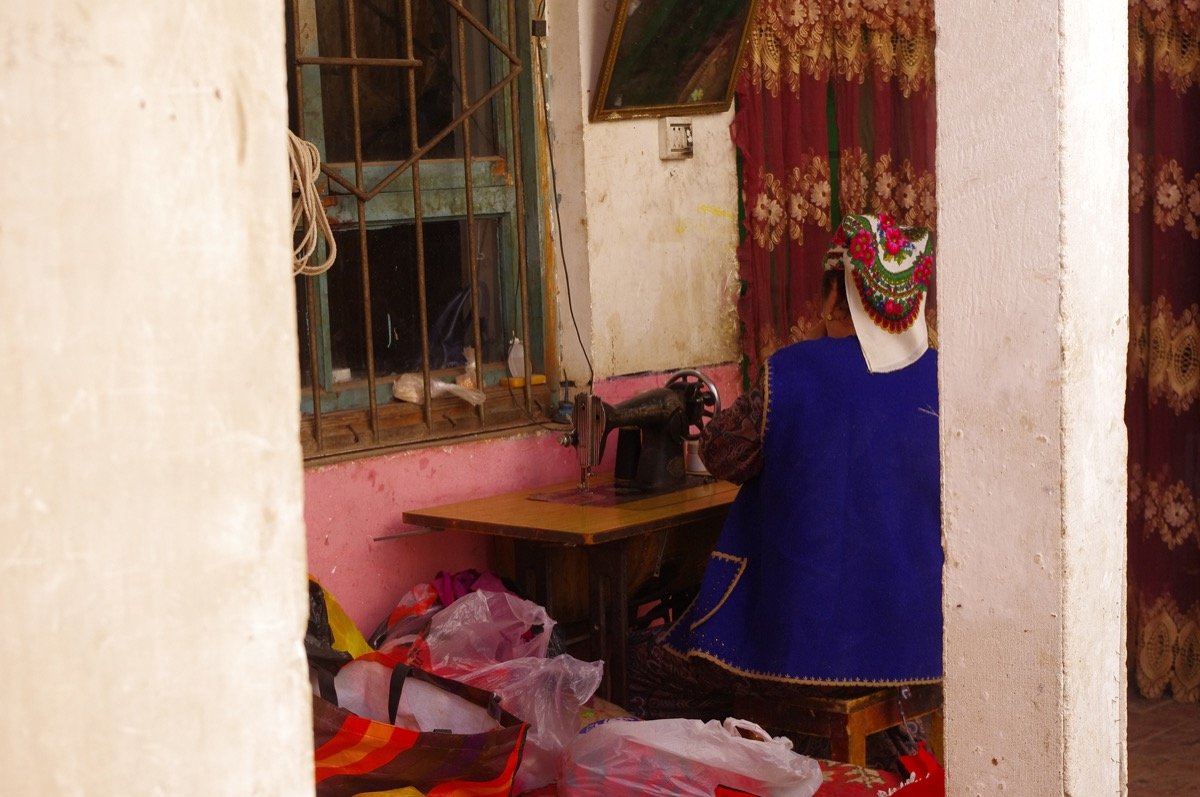
Renting a 250cc in Urumqi
The rental market in Urumqi is loose and cash-driven. I paid ¥180 per day for a bare-bones 250cc with worn tires and a hungry clutch. A 400cc twin ran ¥260 per day at the same shop, and a 650cc adventure bike with panniers went for ¥420 per day. Most shops ask for a deposit of ¥3,000 held on a card or in cash, returned when you bring the bike back with the same scratch on the left mirror.
None of the small outfits asked for an international permit I did not have, but that gap in paperwork is exactly why I read the foreigner guide to renting a car as a foreigner before I arrived. The rules around licenses and border zones are stricter than the rental counter will admit, and a polite check-in with the local traffic police saved me a fine on day four.
My 250cc burned about 3.2 liters per 100 km on the open road. At the pump, 92-octane fuel sat at ¥7.4 per liter and 95-octane at ¥7.9 during my ride in June. A full tank of 14 liters cost me roughly ¥104 and carried me about 430 km before the reserve light blinked.
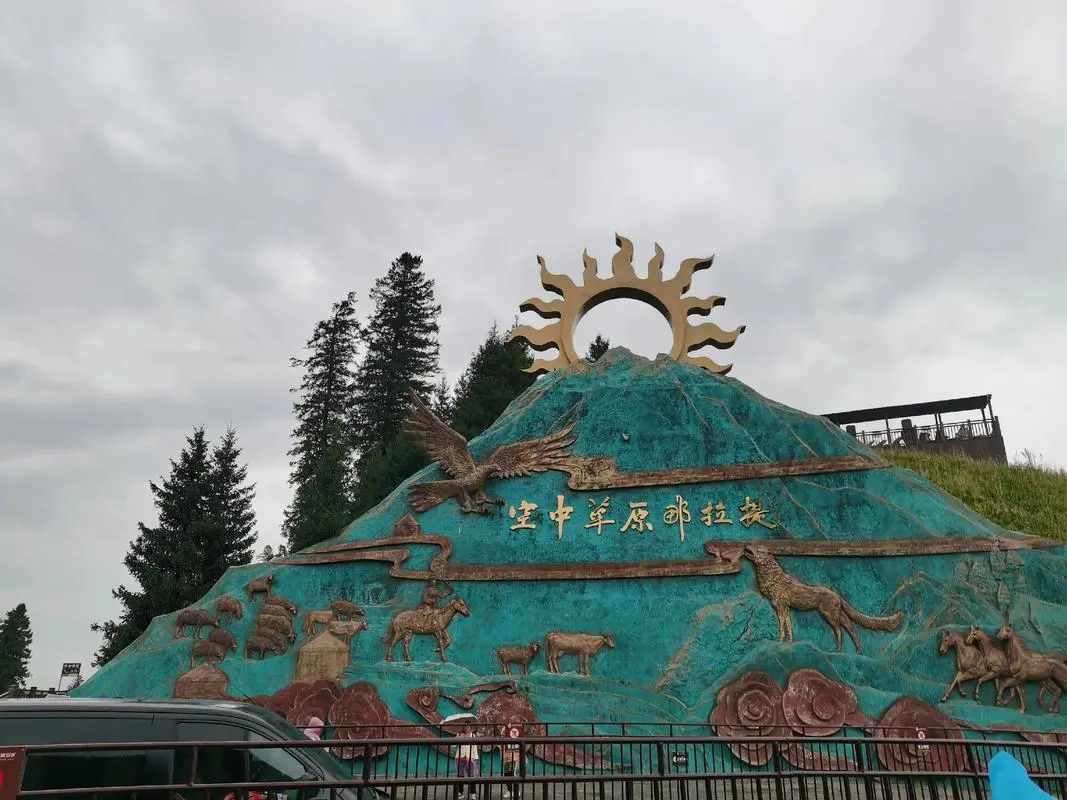
Urumqi to Heavenly Lake in a Day
My shakedown ride was the run north to Heavenly Lake, the alpine reservoir tucked under Bogda Peak. The route is about 110 km round trip from the city center, and I covered it on a single tank with fuel to spare. The first 70 km is fast highway where the bike sat comfortably at 95 km/h, then a tighter mountain road climbs the last stretch to the lake gate at 1,910 meters.
I left the flat at 8 a.m. and was back before dinner, but the ride taught me the two things every Xinjiang motorcyclist learns fast. The mountain road eats rear brake pads, and the morning cold at altitude drops the tire pressure enough to feel through the bars. I aired down a touch at the base and aired back up in the valley on the way home.
The lake itself was worth the chill. Snow sat on the ridgeline in June while the water stayed a flat, impossible blue. I ate a plate of laghman noodles at the visitor canteen for ¥28 and watched a tour bus unload forty people who would never feel the road the way I just had.
The Long Haul Roads
After the warm-up I pointed the bike southwest and started the serious distance. Xinjiang’s beauty is on the far side of long, straight roads, and the G217 is the spine of the best of them. The stretch from Dushanzi south over the Tianshan and down toward the Taklamakan edge is the ride people cross the country to do.
The Dushanzi end climbs hard. The road gains more than 2,000 meters in the first 80 km, and the temperature fell from 31 degrees at the town to 9 degrees at the high meadow. I stopped every 40 km or so to let the engine cool and to photograph the canyon walls that the river had sliced through over a few million years.
Fuel is the real planning problem out here, not the distance. My 250cc could stretch a tank to 430 km, but the gaps between open stations on the southern run run long. I studied the desert fuel and range planning notes before leaving and carried a 10-liter jerry can bolted to the rear rack from Dushanzi all the way to the desert’s edge.
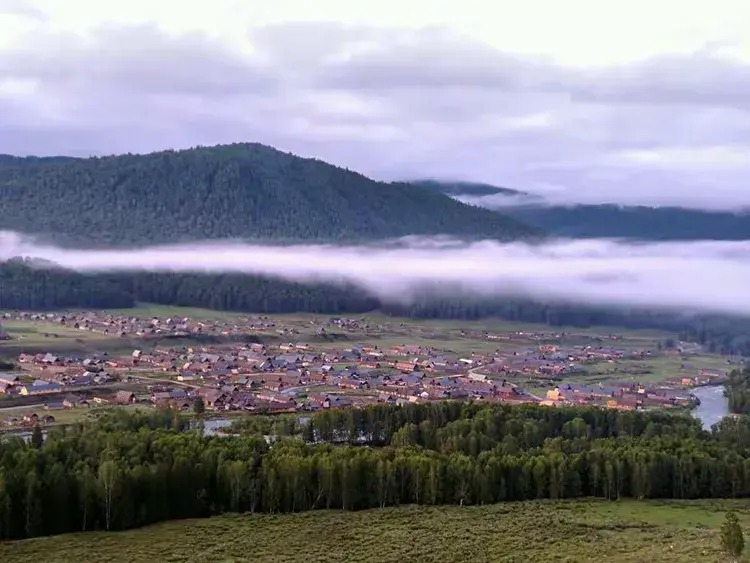
Crossing the Taklamakan Edge
The Taklamakan highway, the G216 that dives south through the sand sea, is the most surreal 500 km of asphalt I have ever ridden. For long stretches there is nothing on either side but dunes the color of weak tea. The road is dead straight, the lane markers tick by in a hypnotic rhythm, and the only breaks are the fuel stops the government built at 100 km intervals.
I learned to treat each station as a hard waypoint, not a maybe. At one stop the pump was down for two hours and the only other rider there, a local man on a 150cc, shared his water and a cigarette while we waited. That is the other gift of two wheels: you are approachable in a way a closed car never is.
The wind on the open desert came in steady gusts around 40 km/h, enough to push the bike a full lane if I loosened my grip. I dropped my speed to 80 km/h and leaned into the buffeting, and the ride turned from stressful to meditative once I stopped fighting it.
Mountain Pass Technique
The Tianshan passes are where a bike pays you back for the discomfort. The road from Dushanzi winds through switchbacks where a loaded 250cc needs a downshift to hold 35 km/h without lugging. I carried more speed into the corners than I would in a car, because the bike’s narrow width let me use the full lane without the fear of a cliff-edge drop-off that a wide vehicle carries.
Braking on loose gravel was the skill I practiced most. The technique is the same one the mountain-pass driving technique write-up recommends for cars, just tuned for two wheels: brake before the corner, roll on the throttle gently at the apex, and never stab the front brake on a loose surface. A locked front wheel on a 160 kg bike dumps you faster than you can think.
I dropped the bike once, on a sandy pullout near a pass at 2,400 meters. No traffic, no damage beyond a scuffed mirror and a bruised ego. I spent ten minutes lifting it with the help of a passing herder and rode on. The lesson stuck: when the surface goes soft, stand on the pegs and let the bike wander beneath you rather than fighting it upright.
Sandstorms and When to Stop
Xinjiang’s spring and early summer bring dust that can swallow a road in minutes. I hit a wall of it 60 km south of Korla, visibility dropping from clear to about 30 meters in the time it took to check my mirror. The grit found every gap in my jacket and turned the inside of my visor to frosted glass.
There is no pride in pushing through that. I pulled off at the next service area, bought a bottle of water for ¥3, and waited ninety minutes for the front to pass. The driving through sandstorms guide lists the same call I made: if you cannot see the lane edge, you are not riding, you are guessing, and a guess at 80 km/h on a bike ends badly.
When the wind eased I wrapped a scarf over my mouth, taped the visor gaps with medical tape from my kit, and rolled north at a crawlers’ pace until the air cleared. The desert went from brown haze to gold light in the space of a kilometer, and the ride after was the prettiest of the trip.
Days I Left the Bike Parked
A motorcycle trip is not eleven straight days of riding, and pretending otherwise wrecks both the bike and the rider. I took two full rest days in Kashgar, parking the 250cc behind the guesthouse and walking the old town instead. My legs needed the break, and the chain needed the oil I finally got around to applying.
On one stretch I skipped the bike on purpose. The run from Aksu to Hotan is long, flat, and pounded by crosswinds that made the handlebars a constant fight. I locked the bike at the guesthouse and took the intercity buses for that leg, reading and napping while a driver handled the gusts. Coming back to the bike two days later felt like meeting an old friend.
Rest is part of the route, not a failure of it. The riders who limp into Kashgar with worn-out wrists are the ones who never gave the machine a day off.
What I Carried
Packing for a Xinjiang bike trip means choosing between comfort and range, because every kilo steals a kilometer. My rear rack held a 10-liter fuel can, a roll bag with two days of clothes, and a small tool kit with a chain breaker and a spare tube. The front tank bag held my phone, a paper map, and sunscreen I used every hour.
I wore a textile jacket with armor at the shoulders and elbows, vented for the heat but zip-lined against the cold passes. Gloves were the one thing I wish I had bought better; my cheap pair left my hands numb after the Dushanzi descent. Boots that cover the ankle are not optional on the gravel pullouts.
Water was the heaviest, most necessary load. I carried four liters on the desert legs and finished most of them. A ¥15 filter straw lived in the tank bag as insurance against a breakdown far from a station.
A Loop Worth Your Leave
If you have ten days and a rental bike, here is the loop I would ride again. Day one, Urumqi to Heavenly Lake and back, 110 km, to learn the machine. Days two through four, south on the G217 from Dushanzi over the Tianshan, roughly 320 km of the best mountain road in the region, with a night in the high pasture towns.
Days five and six, push toward the Taklamakan edge and ride a slice of the desert highway, about 500 km if the wind allows, fueling at the 100 km stations. Day seven, rest in Kashgar and walk the old city. Days eight and nine, loop north through the oasis towns, and day ten, roll back to Urumqi and return the bike with the same scratch on the mirror.
The whole loop runs close to 1,800 km. At 3.2 liters per 100 km on a 250cc, that is about 58 liters of fuel, roughly ¥430 at summer prices, plus the rental and the food you will eat with a hunger the wind builds in you. The money is small. The ride is the thing.
I came home with a cracked mirror, a sunburned neck, and a list of roads I still owe myself. Xinjiang on two wheels is not the easy way to see it. It is the way that leaves the most of it under your skin.