
Never Run Dry: Desert Fuel-Range Planning for Xinjiang Self-Drivers
The first time I crossed the Tarim Basin I watched the fuel gauge more than the scenery. Between some towns the next open station is 250-300 km away, and a headwind or a detour can eat a quarter tank you did not budget for. Desert driving in Xinjiang is safe and well-paved, but only if you respect the distances between pumps, and the desert does not care that your rental paperwork said unlimited mileage.
Know your real range, not the sticker
A rental SUV with a 60 L tank and claimed 8 L/100 km looks like 750 km of range. In practice, sand-road detours, idling at passes, a roof load, and the air conditioner on full blast drop that to maybe 550-600 km. I plan as if my range is 70% of the label and never let the gauge pass half between known stations. That single habit has saved me twice on the basin roads, once when a station was closed for a staff break and once when a sand detour added forty kilometres I had not planned.
Prices drift, but the fuel price guide gives the current per-litre ballpark so you can budget. In 2025 unleaded hovered around 7.5-8 yuan/L; a full tank therefore runs roughly 450-480 yuan, and on a big loop that adds up to a few thousand yuan in fuel alone, before you count the tolls and the occasional bribe-like “scenic area” fee that has nothing to do with fuel.
Map the gaps before you leave wifi
Download offline maps and mark every county town on your route. The rule I use: if the gap between two towns exceeds 60% of my realistic range, I top up at the first one no matter how full I think I am. The offline maps guide explains how to keep navigation working when signal dies on the basin roads, which it will, often for an hour at a stretch and sometimes for most of a long day between the Taklimakan edge and the next oasis.
Major corridors like the G3012 and G217 are well served, but the side trips into the desert (to a poplar forest or a ruined fort) are where people get caught. Treat any unpaved adventure as round-trip fuel you must carry, because there is no pump at the end of a dirt track and the nearest one might be a hundred kilometres back the way you came, into a headwind.
Paying at the pump as a foreigner
Not every station takes a foreign card cleanly, and some require a Chinese payment app or cash. The foreigner payment guide walks through what to expect; I keep 500 yuan in small bills for exactly this. Stations also sometimes close for a midday staff break in tiny towns, so morning fills are safer than afternoon ones when you are racing a closing time and the sun is dropping toward the horizon faster than you like.
Carry a reserve, but carry it legally
A 10-20 L jerry can of fuel is a sensible buffer on the long basin crossings, especially if you plan to explore off the main highway where the next pump might be a rumor. Secure it outside the cabin, never inside, and top it from a proper station, not a roadside drum of unknown age and suspect contents. Note that some scenic areas and the train-shipping process have rules about loose fuel; the car-train shipping guide covers moving a vehicle with a can aboard, and the answer is usually “don’t,” so ship the car empty and refuel at the far end.
EV drivers have it different
If you are in an electric rental, range anxiety is real on the desert legs. The EV charging guide lists where the chargers actually are; on the Taklimakan ring they are spaced but present, and you must plan around them rather than around fuel, building the day around charger towns instead of scenic ones. I have driven the basin in both a petrol SUV and an EV, and the EV needs twice the planning even though the drives feel the same from the driver’s seat, and a flat battery out here is a far worse problem than an empty tank.
The human side of the empty road
The desert teaches patience. I once waited forty minutes at a pump while the only attendant finished lunch, and spent the time talking to a trucker who had driven the basin for twenty years and knew every dry well and every town that had shrunk. He told me which stations pad their meters and which never do, advice worth more than any app. That is the trade for the silence and the stars: you are on the land’s terms, and fuel is the bargain you make to be there at all. My pre-departure checklist is boring but it has never let me down: full tank at the last real town, a marked next-station distance, 500 yuan cash, and a half-tank red line I do not cross. Do that and the desert stops being scenic instead of stressful.
Reading the pump and the receipt
Watch the litre count on the pump, not just the yuan, because some remote stations round oddly and a tired traveler signs without checking. I photograph the receipt and the pump reading together now; it has caught two discrepancies, both small, both worth the habit. The payment guide covers the card dance; add the receipt check and you are harder to surprise.
The Taklimakan ring as a fuel plan
The desert highway loop around the Taklimakan is the ultimate range exercise: long, empty, and beautiful in a way that punishes carelessness. Plan fuel in three legs with a full tank at each oasis, and never leave an oasis with less than a full tank even if the gauge looks fine. The Tarim poplar guide marks one good oasis stop; I use it as a mandatory fill point, not a suggestion, and the forest in autumn is the reward for the discipline.
What a reserve canister actually buys you
Ten litres is about 120 km of buffer in a thirsty SUV, enough to reach the next town if a station is closed, not enough to be careless. I treat it as insurance, not range. The car-train guide is why I do not carry it on the train; I buy a fresh can at the far end, which is cheaper than the arguments at the freight gate and the risk of a leaking drum in the cabin.
Heat, altitude and consumption
You burn more fuel climbing to the plateau than cruising the basin, and idling to stay warm in winter eats a surprising amount. The altitude guide is about you, but the engine feels it too; expect 10-15% higher consumption up high. I pad the budget for it and arrive at the pump with room to spare rather than coasting in on fumes and prayers, which is a habit I dropped after one too many close calls.
When to abandon the plan
If a station is closed and your buffer will not reach the next, turn back to the last town and wait for morning rather than gamble on a rumor of fuel ahead. The desert keeps its rumors; I have chased three and found one. The tolls guide is unrelated but the same lesson: the road charges you for impatience, and the desert charges more. Plan the fuel before the day, not during it, and the empty road becomes a pleasure instead of a gamble.
Fuel on the Pamir highway
The Karakoram and the G314 up to the plateau are longer between pumps than the basin, and the altitude thins both you and the engine. Fill at every town: Upal, Bulunkou, Tashkurgan, and back. The Kashgar-to-Pamir guide maps the stops; I treat each as mandatory, not optional, because the next one may be a closed station and a long walk back down. The plateau does not forgive a casual tank.
Emergency fuel in the desert
If you do run low, flag down a truck; drivers share fuel for cash and a smile, and a few litres gets you to the next pump. I have both given and received on the basin, and it is the unwritten code of the empty road. The recovery guide is the same principle for sand; strangers help, so do not panic, just signal clearly and wait off the lane. A reflective triangle and a wave goes further than a phone with no signal.
Tracking consumption honestly
Reset the trip computer at each fill and write the litres down; patterns emerge, and you learn your real desert number instead of the brochure’s. The prices guide gives the cost side; the consumption log gives the range side, and together they end the guessing. I keep a notebook now and the peace of mind is worth the analog effort, especially when the next town is a rumor and the gauge is lower than the story.
A desert fuel story I still use
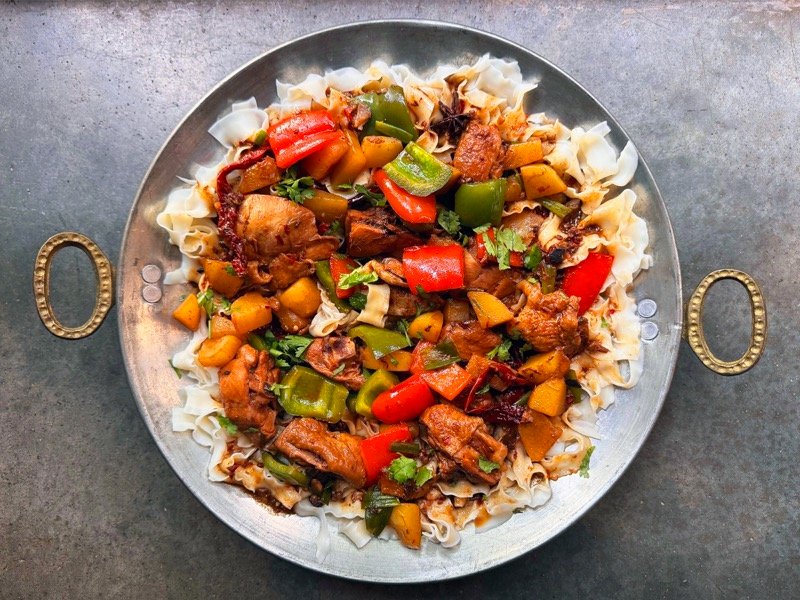
On the basin loop I once rolled into a town whose only station was closed for a staff meal, the pump silent behind a rolled shutter. My gauge read a third, the next town was 210 km, and the math was uncomfortable. I asked at the noodle shop, a boy ran to fetch the attendant, and twenty minutes later I had a full tank and a bowl of laghman on the house. The prices guide tells you the cost; the story tells you the culture, which is that the road looks after people who ask politely. I now pad every leg by that margin of kindness, and I have never been stranded, only fed, which is a trade I will take every time the desert offers it.
Build your own fuel spreadsheet
It sounds nerdy and it is, and it has saved me more than once. I keep a simple table: town, distance from last, litres to fill, price, and a note on whether the station took a card. Across a basin loop it becomes a map of where money and fuel actually flow, and the patterns are reassuring once written down. The prices guide gives the per-litre baseline; the spreadsheet gives your real per-trip number, which is always a little higher and always worth knowing before you brag about your range. I review it over a dinner in the next town and adjust the next day’s plan, turning a vague worry into a concrete decision about when to fill and where to sleep, which is the whole game on a road where the next open pump is a promise, not a guarantee, and a promise written in sand at that.
Petrol or diesel, plan accordingly
Most rentals are petrol, but some vans and the hardier overland vehicles run diesel, and the two are not interchangeable at the pump. Diesel is often a few jiao cheaper per litre and gives better range in a big vehicle, but in deep winter it gels if the fuel is not properly treated, which is a real risk on the plateau. I check the filler cap label before I ever hand the attendant a card, because a wrong-fuel stop is the kind of mistake that ends a trip at a tow yard. The prices guide covers both; know which column is yours before the pump runs, and the desert stays friendly.