
Crossing the Irkeshtam Border into Kyrgyzstan by Car: A Self-Driver’s Guide
I crossed the Irkeshtam border in a rented 4WD on a clear October morning, leaving China behind near the western tip of Xinjiang and rolling into Kyrgyzstan before lunch. It was the wildest and most logistically strange day of my whole Xinjiang trip, and almost nothing about it matched the advice I had read online. Irkeshtam is the westernmost road crossing between China and Kyrgyzstan, a high, cold pass on the old Silk Road that most travelers have never heard of. If you are a foreign self-driver who wants to take your own wheels from Kashgar toward Osh and beyond, this is the route that actually works. Below is the step-by-step of how I did it, what I wish I had known, and where the plan falls apart.
Why Irkeshtam and Not Torugart
Most people have heard of the Torugart pass, the more famous crossing further north. I considered it, then chose Irkeshtam for two solid reasons. First, Irkeshtam sits lower and stays open more reliably through the shoulder seasons. Second, the road on the Kyrgyz side reaches Osh fast, and Osh is a real city with flights and a proper base for the south. If you want the full detail on the other option, the Torugart pass crossing guide for 2026 explains why some drivers still prefer it, mostly for the scenery near the lake at Chatyr-Kol. For a straight shot west, Irkeshtam is the cleaner choice.
The Distance From Kashgar
Kashgar to the Chinese side of Irkeshtam is about 220 km. The first stretch on the G314 is good pavement and fast. Past the town of Ulugqat the road climbs and the checkpoints start. Budget three to four hours, not the two the map suggests, because you will stop at least twice for document checks. I left Kashgar at 6:30 am and that early start was the single best decision of the day.
Paperwork You Cannot Skip
This is where most plans die. You cannot just drive up with a passport and a rental agreement. China treats the border counties as restricted, and Kyrgyzstan wants its own paperwork on entry. Start this at least a week before you plan to cross.
Chinese Exit Side
You need a valid visa or stay permit for China, your passport, and ideally a border area permit for the Ulugqat region. I pulled the practical steps from the 2026 border permit guide for self-drive travelers and it saved me a second trip to the Kashgar police station. The permit is free but slow, and the office closes for lunch, so go before 11 am. The broader Xinjiang travel permits guide covers the county-level permissions too, and you will want both in hand because guesthouses on the way out may ask to see them.
Kyrgyz Entry Side
Many nationalities get a visa on arrival or an e-visa for Kyrgyzstan. I applied for the e-visa online three days before, paid around $50, and printed two copies. The officer on the Kyrgyz side wanted the paper, not just the phone image. Also carry proof of vehicle ownership or a notarized rental letter. My rental company in Kashgar gave me a Chinese document and an English translation, and both got read closely at the gate.
Carnet or Temporary Import
For a rented car, the rental firm handles most of the temporary import paperwork, but you must confirm this before you sign. Ask straight: can this car leave China at Irkeshtam? Some rental contracts forbid crossing any border. Mine allowed it for an extra ¥800 fee and a refundable ¥5,000 deposit. Get that in writing or the gate will send you back to Kashgar.
The Drive to the Chinese Gate
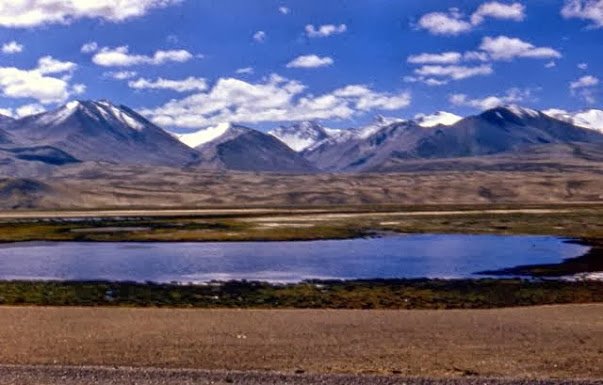
The morning run is the pretty part. The G314 climbs past the white rock formations at Oytag, then the landscape turns to grey hills and thin air. Near Ulugqat you hit the first real checkpoint, where they log your passport and permit. Smile, hand over the documents, and do not argue about the delay. The officers are doing a job, and a calm traveler moves faster than an impatient one.
Final Chinese Exit
The actual Chinese border post is another 40 km past Ulugqat, high and windy. You park, carry your bags inside, and clear exit stamps. Your car gets a quick look but not a deep search if your papers are clean. I was through in about 40 minutes, which felt lucky after the stories I had heard. Keep your rental return plan in mind: most companies want the car back in China, so crossing in a rental means you are abandoning it on the Kyrgyz side and flying or busing onward, or you arrange a one-way drop with the firm. Clarify this or you will owe a huge recovery fee.
The No Man’s Land Walk
Here is the part nobody warned me about. Between the Chinese exit gate and the Kyrgyz entry gate there is roughly 4 km of no man’s land with no public transport and no regular shuttle. In summer a few taxis loiter, but in October I found nothing. I had arranged a Kyrgyz driver through a contact in Osh to meet me, and that is the move I recommend. If you are in your own car, you simply drive it across, but if you crossed as a passenger or abandoned a rental, you need that pickup arranged in advance. The wind up there is brutal and the altitude around 2,950 meters leaves you short of breath carrying a heavy pack.
What If You Drive Your Own Car
Self-drivers with their own foreign-plated vehicle have it easier at this step: you just keep driving. But you still face Kyrgyz temporary import for the car, third-party insurance bought at the border for about $20, and a road tax sticker. Budget an hour for the car formalities even if your personal entry is quick. The officers speak some Russian and little English, so have your documents in a clear folder and point to what they ask for.
Entering Kyrgyzstan
The Kyrgyz gate is small and functional. You show the e-visa, get the entry stamp, then move to the car window for the vehicle papers. They check the translation of your rental letter or your own title, sell you the insurance, and wave you through. From there the road drops toward Sary-Tash, a dusty junction town with a few guesthouses, then on to Osh about 180 km later. The road is rough in spots but paved, and the first Kyrgyz meal of lagman noodles in Sary-Tash tasted better than anything I ate in weeks.
Money and SIM Cards
Change a little cash at the border if you can, but rates are poor. Better to use an ATM in Osh. Get a Kyrgyz SIM at the Osh shop for about $5 with a few GB of data. Signal is patchy until Osh, so download offline maps of the route before you leave Kashgar. I ran on a screenshot and a prayer for the last 60 km and do not recommend it.
How Irkeshtam Compares to Other Crossings
If you are building a bigger overland loop, it helps to see this gate in context. The China Kazakhstan self-drive guide for Khorgos describes a busier, more developed crossing to the north, better if your loop goes toward Almaty. The Khunjerab pass guide for 2026 covers the Pakistan route far to the south, higher and more weather dependent, and closed in deep winter. Irkeshtam sits in the middle: quieter than Khorgos, lower and more reliable than Khunjerab, and the natural western exit if Kashgar is your Chinese base.
Which One Fits Your Loop
Going toward Almaty or onward to Russia, use Khorgos. Heading to the Pamirs and Pakistan, use Khunjerab. Cutting west to Osh and the Kyrgyz highlands, use Irkeshtam. I built my loop around Irkeshtam because I wanted Osh, the walnut forests near Arslanbob, and a cheap flight home from Osh rather than backtracking to Urumqi. That choice saved me two days of driving.
Practical Tips I Wish I Had
A few hard lessons from the day that I will carry to the next border.
Leave at First Light
Both sides close in the afternoon, roughly around 5 pm China time, and the Chinese side especially moves slowly on a bad day. An early start means you clear China before the queue builds and reach the Kyrgyz gate with hours to spare. My 6:30 am departure had me eating lunch in Sary-Tash. A couple I met who left at 10 am got stuck at the Chinese gate past closing and lost a full day.
Carry Food and Water
There is nothing to buy in no man’s land and little at either gate. Pack water, a sandwich, and a chocolate bar. The altitude and the wait will make you hungry, and the border cafes charge silly prices for instant noodles. I carried three liters of water and finished two.
Watch the Weather Window
October was perfect: clear and cold. November can bring the first snow on the pass, and the gate may close without notice. If you cross later, check the forecast daily and have a Kashgar fallback hotel booked with free cancellation. The wind up top can hit you with a whiteout in minutes.
Keep Copies of Everything
Passport photo page, visa, permit, rental letter, insurance, and the car papers. I kept one set in a zip bag on my body and one in the car. When the Kyrgyz officer asked for a second copy of the e-visa, I had it ready and moved on while others dug through bags. Small preparation, big time save.
Talk to Other Travelers at the Gate
While you wait, chat with anyone crossing the other way. The day I went, a French cyclist who had just entered China told me the Kyrgyz side opens a touch earlier than posted and that the Sary-Tash guesthouses fill by dusk in autumn. That tip sent me driving harder toward Osh instead of dawdling. Border towns are tight communities, and a two minute conversation can fix a problem an hour of Googling will not.
The Verdict for Self-Drivers
Crossing Irkeshtam in your own car is very doable and genuinely thrilling, a real Silk Road moment with snow peaks on both sides and almost no other tourists. Crossing in a rented car is possible but fiddly, and you must settle the one-way return question before you leave Kashgar or face a nasty fee. Either way, the win is Osh and the open Kyrgyz highlands on the far side, a softer, greener world after the vast brown of Xinjiang. Plan the permits a week early, leave at dawn, arrange your Kyrgyz pickup, and the day runs like clockwork. Skip any of those and you will be the traveler sleeping in Ulugqat wondering what went wrong. I would do it again tomorrow, and I would leave even earlier.