
Uyghur Shadow Puppetry and Folk Theatre: The Silk Road Stories That Dance Behind a Screen
What Uyghur Shadow Theatre Is
The first time I heard a leather puppet laugh, I was sitting on a low wooden stool in a back room off the Id Kah Mosque square in Kashgar. A single bare bulb hung over a white cotton screen, and behind it a performer was breathing life into cut figures no taller than my hand. When the lamp lit up, those flat shapes became a prince, a fox, a teahouse drunk, all of them throwing long shadows that danced with a jitter only human fingers can give. That is Uyghur shadow theatre, a form of puppet play that reached the oases of the Tarim Basin centuries ago along the same caravan roads that carried silk and scripture.
The tradition is sometimes called qoshak by older performers, a word that points to the sung and spoken back and forth between the figures. Like so much in this region, it arrived as a traveller and stayed to become local. The mechanics are simple to describe and hard to do well. A translucent screen is stretched on a frame, a lamp is set behind it, and the puppets are held flat against the cloth so their silhouettes fall on the side facing the audience. The master works both hands, often with a second performer handling the voice of a comic servant or a sharp tongued wife.
What separates it from the shadow plays of other lands is the material and the music. The figures here are cut from tanned sheep and camel leather, dyed in deep reds, indigos and ochres, then jointed at the shoulders, elbows and knees with fine thread so they can bow, draw a bow, or fall into a faint. The stories are sung to the plucked pulse of a dutar or the frame drum of a dap, which means the puppet show is never silent. It is a small opera lit from behind instead of staged in front.
I came to understand it best as a kind of neighbourhood cinema that predates cinema by a thousand years. Before television reached the villages of southern Xinjiang, the shadow play was the Friday night spectacle, the thing children were lifted onto shoulders to see and the thing old men quoted the next day at the teahouse. It taught romance, warned against greed, and most of all made people laugh at the small absurdities of daily life.

The Stories Behind the Screen
The repertoire is built from the same wells every Uyghur storyteller draws from. There are the great romances, tales of separated lovers who cross deserts and disguise themselves to meet again, the kind of plot that makes a whole courtyard fall quiet. There are the epics of heroes and bandits, long cycles that a skilled performer can stretch across an entire evening. And then there is the comic stock, the miser, the bumbling son in law, the wife who always wins the argument, characters so familiar that the audience supplies the punchline before the puppet moves.
When I sat with a retired performer in Urumqi, he told me the screen was a safe place to say things you could not say in the open. A corrupt official could be mocked as a donkey in a robe. A greedy merchant could be tripped into a well. Because the figures were stylised and the voices were sung, the criticism slipped past while everyone laughed. That is part of why the art survived through hard centuries: it learned to hide its teeth behind a grin.
If you want to understand the narrative soil these plays grow in, the Uyghur dastan storytelling tradition is the deeper root, a sung epic form that hands down the same loves and feuds across generations. The shadow theatre is the pocket edition of that world, the thirty minute version you could stage in a village lane. Many of the same Uyghur folklore and legends show up in both, from the trickster fox to the pious wanderer, so seeing one makes the other richer.
The comic voice matters as much as the plot. A good show lives or dies on the banter between the straight hero and his comic sidekick, a partnership close to the clown and straight man of any theatre I have seen from Istanbul to Beijing. The sidekick flirts with the audience, breaks the spell on purpose, and turns a moral tale into a chat. That looseness is what keeps a performance feeling alive rather than rehearsed, and it is the part no two masters perform the same way.
How the Puppets Are Made
Watching a puppet get cut is its own quiet art. The leather is first soaked, scraped thin, and smoked or treated so it becomes semi translucent and will not warp in the heat of the lamp. Then the master traces the figure onto the hide with a stylus and cuts the outline with a small curved blade, the way a paper cut artist works but slower and with more patience. Internal lines, the fold of a robe or the feathers of a bird, are punched or scratched rather than painted, because paint would block the light.
Colour is applied only at the edges and in thin washes, since the audience sees mostly silhouette. A hero gets a taller crown and a longer robe; a villain gets a hooked nose or a hunch. The features are stereotypes the crowd reads at a glance, the visual shorthand of a folk theatre that has no time for subtle character study. Joints are then pierced and tied with silk thread so the arms and legs swing freely, and a thin rod of reed is fixed to the back of the head and one hand to let the puppeteer steer.
I held one once in a workshop attached to the Regional Museum in Urumqi, and the thing weighed almost nothing, maybe forty grams, but the leather was tough enough that the edges had stayed sharp for decades. Old troupes kept their figures in cloth wrapped bundles, handing them down like family tools. A master’s set might hold thirty or forty characters, enough to stage most of the standard plays with a quick swap of a head or a robe.
The making and the performing were usually the same pair of hands. A puppeteer carved his own cast through a winter, learning each figure’s balance by feel, because a puppet that fights the rod will never dance right. That union of maker and player is why the tradition resisted standardisation. Every surviving set I have seen has its own oddities, a three fingered giant or a bride with improbably long hair, marks of a single hand at work.
Where to Watch It Today
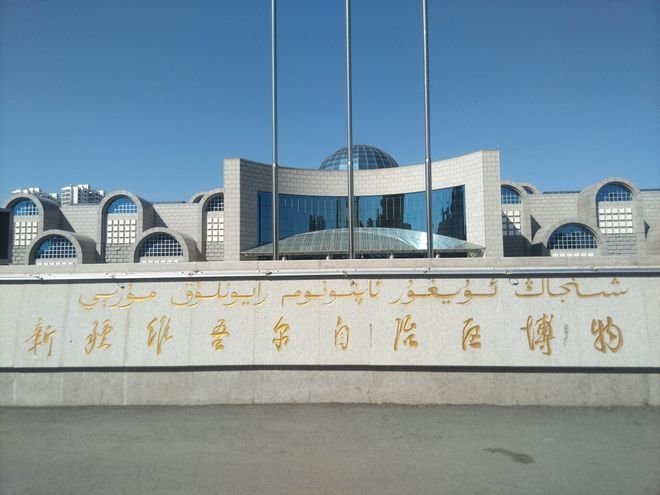
Honest answer first. You will not stumble on a nightly shadow play the way you stumble on a kebab stall. The living performances are rare, and chasing one is part of the adventure. The surest places are the museums and cultural centres that keep a demonstration troupe, and the best of those is the Xinjiang Regional Museum in Urumqi, where scheduled shows and static displays of historic figures run through the high season from May to October. I caught a twenty minute excerpt there on a June visit, and even stripped of its old street roughness it held the room.
Kashgar is the heartland, and the old town around the Id Kah Mosque and the nearby handicraft streets are where you are most likely to hear of a performance tied to a cultural event or a hotel courtyard evening. Ask at the small folklore cafes near the mosque; the staff often know when a master is in town. During my January trip I missed a show by two days, a lesson in how thin the schedule runs, but a museum guide pointed me to a filmed performance I could watch in the warmth, which kept the thread alive.
Urumqi’s smaller culture houses and the occasional university folklore night also host revivals, and I have seen student troupes perform modernised ten minute pieces in the city’s arts district south of the People’s Square. These are shorter and cleaner than the old village form, but they keep the voices and the jointed leather in view, which is the point. Yining, down in the green Ili valley, occasionally stages shadow work as part of broader folk programmes, though less often than the south.
Hotan and Turpan are worth a mention for the wider puppet and performance culture even when shadow plays are not on the bill. In Turpan especially, the evening culture parks near the old oasis put on rotating folk shows in summer, and a shadow piece sometimes appears in the mix. I treat any such listing as a bonus rather than a plan, and I build the rest of my itinerary around the places I can reliably reach, letting the puppet show be the surprise.
Festivals and Revival Efforts
The tradition is fragile, and nobody in the field hides that. Masters aged, apprentices thinned out, and the cheap glow of television and later the phone pulled the young audience away. By the early 2000s the number of performers who could stage a full play from memory had shrunk to a handful across the whole region. That is the endangered status the brief asks me to be straight about: this is a surviving art, not a thriving one, and the people who love it know the clock is running.
What gives me hope is the quiet, practical revival. The Regional Museum and a few city culture bureaus have funded recording projects, sitting masters down to perform entire plays onto video before the memory is lost. Cultural festivals in Kashgar and Urumqi now reserve a slot for shadow theatre alongside dance and music, and I watched one such slot draw a genuine crowd of curious teenagers during a spring folk arts week. Workshops let visitors cut a simple figure and work a rod, which turns spectators into someone who has felt the leather and understands the trick.
There is also a slow turn toward new stories. A troupe I met in Urumqi was adapting a short piece about a child lost at a market, sung in the old style but dressed for today, and the kids in the front row actually watched. That balance, holding the form while loosening the tale, is probably the only way a thousand year old puppet survives another hundred years. The festivals are small, the budgets thinner, but the intent is real and the lamps are still being lit.

A Traveller’s Etiquette
If you do get to a performance, a little courtesy goes a long way, and most of it is just common sense for any live folk art. Arrive a few minutes early so the lamplight setup is not disturbed, and sit where you are shown, since the screen angle matters and a moved stool can block half the row. Photography is often forbidden during the show itself because the lamp glare ruins the effect and the masters guard their figures; ask before you raise a phone, and accept a no with good grace.
Silence is not required, and in fact would feel wrong. The old custom is to talk back to the comic, to laugh loud, and to clap when a villain gets his due. What you should avoid is treating the performers like a museum exhibit rather than artists. A small tip handed over after, or buying the ticket at the full listed price without haggling it down, supports a craft that barely pays its way. I once paid the 30 yuan suggested donation at a museum show and felt it was the cheapest ticket in the region for what I got.
Learn a few words of the framing before you go. Knowing that the hero is often a wandering lover and the comic a household fool lets you follow a plot sung in a language you may not speak. The visual humour carries most of it anyway. And if a master invites you behind the screen, go. I was pulled back once to try a rod, and the puppet flopped instantly; the laughter was mine, and it taught me more about the skill than any seat in the audience could.
Pairing With Other Live Arts
Shadow theatre is rarely the only live art on offer, and the smart move is to build an evening or a day around the whole family of Uyghur performance. The natural companion is Muqam music, the UNESCO listed suite of song, instrumental melody and dance that forms the backbone of the region’s stage life. A Muqam concert and a shadow excerpt share the same modal world, and hearing the music first tunes your ear for the sung puppet voices later.
The Sama dance offers a contrast in body and stillness, a whirling, devotional form that fills a hall with motion while the shadow play shrinks everything to a lit rectangle. Seeing both in one trip shows you the range of how this culture puts story into the body. And for a broader sweep, the region’s folk music and dance traditions round out an itinerary so that puppets, song and steps all start to read as one long conversation carried down the Silk Road.
My own habit is to catch a Muqam or dance performance one evening and hunt the shadow play the next day, letting the music explain the puppet show’s tunes. In Kashgar I once did exactly that, a courtyard concert on a Friday night and a museum shadow excerpt on Saturday morning, and the two locked together in a way neither did alone. The puppet prince sang in the same scales the orchestra had used hours before, and suddenly the screen was not a quaint relic but a chapter in a living book. That is the reward of chasing this fragile art on a self drive loop: you meet the region not as a postcard but as a story still being told, one leather figure at a time.