
The Southern Tarim Edge: Qiemo, Minfeng, and the Road to the Niya Ruins
The forgotten southern edge
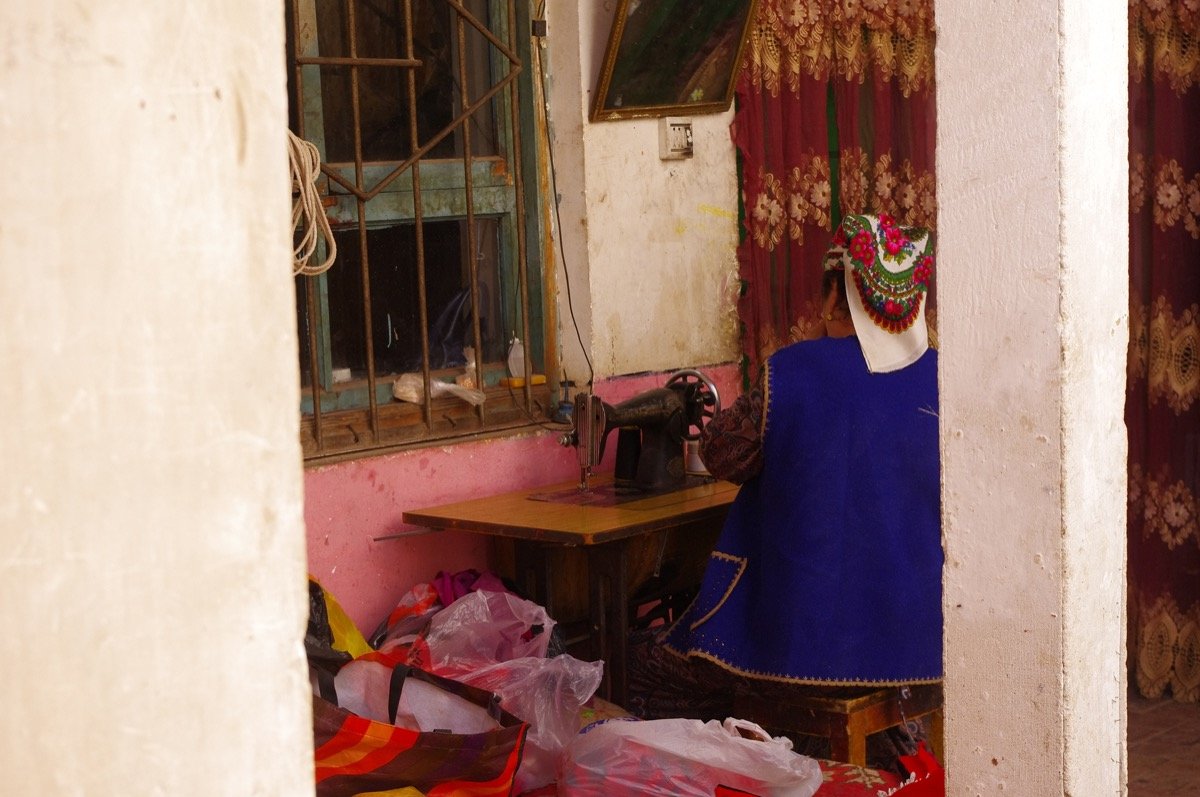
Every Xinjiang itinerary rushes the south: Kashgar, Hotan, maybe Yarkand. Almost none go deeper, along the southern rim of the Tarim Basin where the road runs below the Kunlun mountains through Qiemo , Minfeng , and the road toward the Niya ruins. I drove the Hotan–Qiemo–Minfeng stretch over three days last April and found the quietest, most genuinely “lost Silk Road” atmosphere in the region — oasis towns where the Han Chinese population is a minority, the Uyghur culture is intact, and the desert behind the orchards still swallows ancient cities whole.
The route in context
This corridor is the southern thread of the old Silk Road, the one that hugged the mountains to avoid the Taklamakan’s worst. Today it is paved and driveable, paralleling the newer desert highways to the north but feeling a century older. Hotan is the natural start; from there the G315 veers southeast along the Kunlun foothills.
It is also the gateway to the Taklamakan’s southern crossing — the Luntai–Minfeng highway ends here — so the region sits at a historic crossroads our desert crossing guide describes from the north. Approaching Minfeng from the south gives you the oasis-first perspective.

Qiemo: the jade and the walnuts
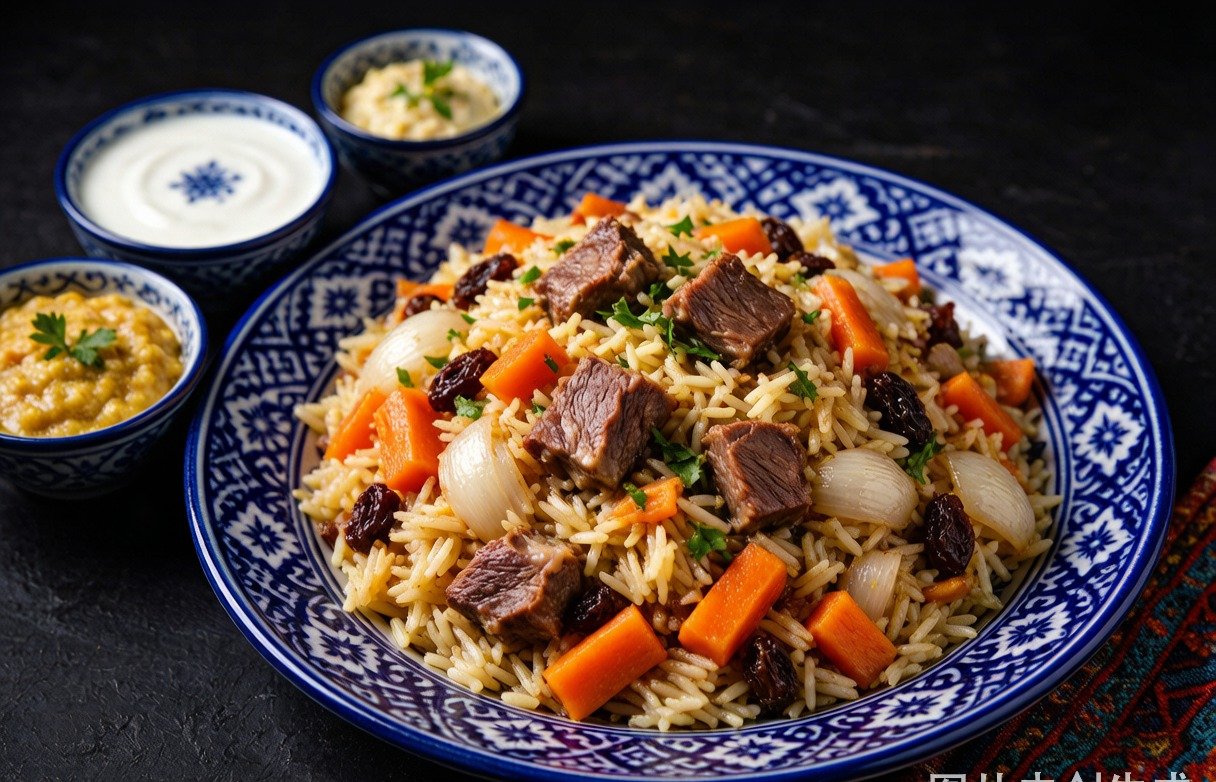
Qiemo (also called Cherchen in older maps) is a green town famous for two things: river jade and walnuts. The bazaar sells both, and the walnut orchards in spring are unexpectedly lovely — white blossoms against the brown hills. I stayed one night (¥150 hotel, perfectly clean), ate the best polo of my trip at a corner hole-in-the-wall, and watched the evening promenade around the central park, which felt more Central Asian than Chinese.
Fuel and cash are available; an ATM worked for me but carry backup. Beyond Qiemo the towns thin out.
Minfeng and the road to Niya
Minfeng is the last real town before the desert crossing north and the jumping-off point for the Niya ruins — the “Pompeii of the Taklamakan,” a Han-era settled city buried by sand and accessible only by permit and a long 4WD slog. I did not go in (permit and a guide are required, and foreign access is restricted), but standing at the edge of town where the paved road dissolves into track gave me the clearest sense of how the Silk Road actually died out here.
The Ruoqiang and Loulan guide covers the eastern counterpart of this story — the Loulan ruins to the northeast — if you want the fuller picture of vanished desert cities. Both underscore why this edge feels like a frontier.

Culture and daily life
What stayed with me was not a sight but a rhythm. In these towns the day starts at first light (Xinjiang runs on Beijing time officially but locals keep a roughly two-hour-later natural clock), the mosques fill for morning prayer, and the teahouses fill after. The southern Silk Road cultural itinerary is a good companion if you want to frame the whole region as a heritage drive rather than a checklist.
Our Korla guide is useful as the northern anchor if you loop this edge into the Tarim Basin circuit rather than out-and-back from Hotan.
Practical notes
- Distance Hotan → Qiemo ~520 km, Qiemo → Minfeng ~280 km on good paved road, ~7–8 hours total driving across two days with stops.
- Fuel plentiful in the three towns; nothing reliable between. Fill at each.
- Hotels basic but clean: ¥130–220.
- Permits: standard border permit not needed for the towns, but the Niya/Loulan interior requires special authorization rarely granted to foreign solo travelers. Treat the ruins as “view from the edge.”
- Language: Uyghur dominates; a translation app and our phrasebook-level courtesy go far.
Who this is for
If you have already done Kashgar and Hotan and want to feel like an explorer rather than a tourist, the southern Tarim edge is the move. It is not scenic in the postcard sense — it is oasis-and-desert, repeat — but the cultural texture is the densest in Xinjiang, and the silence at the town’s edge, where the orchards give way to the sand, is its own kind of monument. Go slow, eat the walnuts, talk to the teahouse old men.