
Hoboksar Mongolian County: Self-Driving to Xinjiang’s Forgotten Steppe
If you draw a line north from Karamay and keep driving past the last oil pump, past the point where most rental cars turn back, you eventually reach Hoboksar — a Mongolian autonomous county that almost no foreign traveler has heard of, and fewer still have visited. I went because a herder in the Devil City told me, through a translator, that “our grassland sings if you listen at dusk.” He was right, though not in the way I expected.
Hoboksar (pronounced roughly ho-bu-ke-sai-er) sits about 160 km north of Karamay, close to where Xinjiang narrows toward the Kazakh border. It is home to a community of Oirat Mongols whose ancestors came west centuries ago and never left. The county town is small, cold, and windswept, and it has exactly one thing going for it that you cannot get anywhere else on a Xinjiang road trip: the chance to sit in a felt tent and hear the Jangar epic sung in a language that predates the Silk Road.
The road north from Karamay
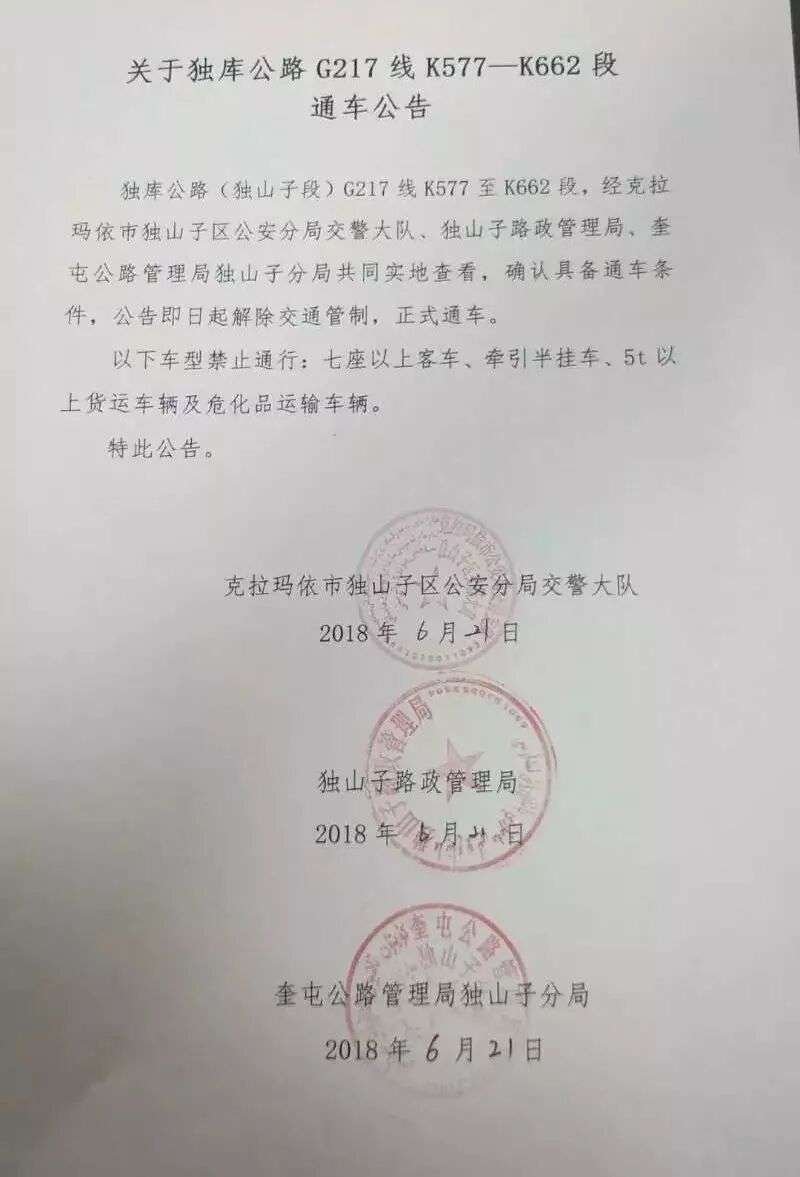
From Karamay, take the S319 heading north. The first 60 km are paved and dull, running through scrub and the occasional fenced pasture. Then the road begins to climb gently toward the northern edge of the Gurbantunggut, and the land turns from desert grey to a thin, yellow-green grass. Give yourself three hours, not two. The last stretch is patchy, with sections of fresh tarmac alternating with older, cracked road, and a few unmarked speed bumps outside villages that will jolt you if you are not watching.
There is a checkpoint roughly 40 km before the county seat. I have been stopped here twice; both times the officer checked my passport, asked where I was going, and waved me on after a minute. Have your documents in the door pocket and the conversation takes thirty seconds. In winter the same stretch can be closed by snow for a day or two — I cover the tires and chains you need in my winter driving guide.
Why drive this far for a quiet town
Two reasons. The first is the Jangar. The Mongols of Hoboksar are the keepers of the Jangar, a heroic epic poem that in its full form runs to dozens of chapters and was traditionally sung aloud, not read. In the county town there is a cultural hall where, on summer evenings, an elder with a two-stringed instrument will perform sections of it. I caught a Friday performance last June: perhaps forty people sat cross-legged on the floor, and when the singer hit a certain rhythm the whole room seemed to breathe with him. No translation was needed to feel it.
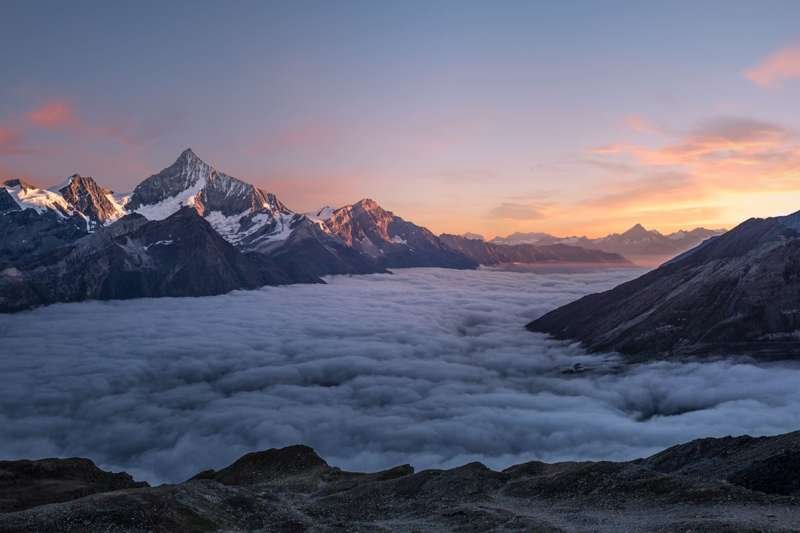
The second reason is the grassland itself. Hoboksar sits at around 1,200 m, high enough that the air is sharp and the horizon is enormous. In July the hills near the town go green and spots of wild iris appear; in September the grass turns the colour of weak tea and the light gets long and golden. It is not the postcard alpine meadow of Nalati, but it has a loneliness that the famous pastures have lost.
The Mongolian identity
What struck me most was how different the rhythm of the place feels from the Uyghur and Kazakh towns I had been driving through. The script on the signs is Mongolian, written top to bottom in vertical columns. The food is heavier, built around mutton and dairy. The faces at the market belong to people whose ancestors came from a different direction than everyone else in Xinjiang, and who have kept their own songs.
I spent one afternoon with a family who invited me in for milk tea after I asked (in gestures) about their yurts. The grandmother poured from a silver pitcher, the grandchildren practiced their Mandarin homework at the table, and the grandfather showed me a worn photograph of a horse he had raised twenty years before. None of it was staged for tourists, because there are no tourists. That is the entire appeal of Hoboksar.
What to do
Beyond the Jangar hall and the grassland, Hoboksar is thin on formal sights, and that is the point. The county museum, on the main street, is small and free, with a room devoted to Mongolian costume and another to the epic’s illustrations. Allow 40 minutes. Outside town, ask at your guesthouse about the hot spring resort — a cluster of tiled pools fed by a mineral source about 12 km out, where locals soak on weekends. I went on a Wednesday and had the lukewarm sulphur pool to myself, steam rising while the wind rattled the changing room door.
For a self-driver with a campervan or roof tent, the grassland north of town makes a wild, free campsite. I parked off the road one night, cooked on a gas stove, and watched the stars come out over a land with no lights for a hundred kilometres. It was the quietest night I have spent in China.
What to eat
Mongolian food here means mutton, and more mutton. The local hotpot — a brass pot of simmering broth with hand-cut lamb and a plate of wheat noodles — is the thing to order if you find a restaurant open. Dairy is everywhere: thick yoghurt, dried curds, and a salty milk tea that takes a day to acquire a taste for but warms you fast. I bought a block of homemade cheese from a roadside herder for 15 yuan and ate it over three days; it was sharper than anything in a city shop.
Bring your own snacks from Karamay. The county’s shops are basic, and the one supermarket closes early. A bag of nuts, a few apples, and a litre of water turned a long afternoon into an easy one.
When to go
June through September is best. July and August are mild and green; September is my pick for the colour and the empty roads. October brings the first hard frost. Winter is beautiful if you are prepared, but the S319 can ice over and the hot spring is the only warm thing for miles.
If you go in summer, aim for a Friday or Saturday evening to catch the Jangar performance. Ask at your hotel the day before — the schedule is informal and changes with the herders’ calendar.
Practical notes
– Base in Karamay, not Hoboksar. The city has proper hotels, fuel, and repair shops, and the drive up is half the adventure. I did it as a long day trip with an early start and was back in Karamay by 9 p.m.
– Fuel up in Karamay. The county has one station and it is not always stocked with the grade a foreign-rental diesel wants. Start the day full.
– Carry cash. The hot spring and the smaller eateries took paper money when I visited; the county ATM was “temporarily closed” for three days running.
– Signal is patchy north of the checkpoint. Tell someone your plan, and do not rely on your phone for the last 40 km.
– Respect the yurts. If you are invited in, accept the tea, and do not photograph people without asking. The hospitality is genuine; the courtesy is owed.
Why it stays with you
I have driven most of the obvious routes in Xinjiang — the Duku, the Pamir, the desert highways — and Hoboksar is the one I describe first when friends ask where to find the country nobody writes about. It asks something of you: a long, dull road, a cold wind, a willingness to sit and listen to a song you do not understand. Give it that, and the grassland does sing at dusk, just not in a way you can record. Some trips are better for the silence they leave than for the pictures they produce.
Driving farther north
If a single afternoon in the county seat leaves you wanting more, the road continues north toward the thin strip of border with Mongolia, and the landscape turns from grassland to a higher, colder steppe strewn with rounded hills. I drove about 30 km past the town one day before a fence and a watchtower politely ended the journey; the last stretch ran along a ridge where the wind came straight off the plateau and the car leaned into it like a sailboat. You will not cross anything, and you do not need a permit for the county, but the border zone is watched, so turn around at the first obvious marker and do not push your luck with the photographs.
The hot spring evening, in more detail
The resort’s main pool is tiled and roughly the size of a small swimming pool, fed by a pipe from the source a hundred metres up the hill. The water is mineral and mildly sulphurous, around 38°C, and after a day of cold wind it is narcotic. I soaked until my fingers pruned, then walked the short path to a smaller, hotter pool that the locals had to themselves, and finally lay on the warm concrete with my jacket over my face and listened to the wind and nothing else. Hoboksar’s entire appeal is concentrated in that hour: remote, basic, and completely yours.
What I would do differently
The one mistake I made was not packing enough for the cold. Even in July the evenings drop toward single digits, and the hot spring’s changing area is draughty. Next time I would bring a thicker towel, rubber sandals with grip, and a thermos of tea for afterward. I would also tell the Karamay hotel my return time, because the S319 at night, with no signal and the occasional wandering sheep, is not where you want a problem.
Costs
The hot spring entry was about 50 yuan when I went; the county guesthouse ran 120 to 150 yuan for a basic double; fuel and food in Karamay are normal city prices. A day trip from Karamay — fuel, entry, a meal, and the drive — cost me under 300 yuan all in, not counting the hotel I was already paying for. For a self-driver with a campervan, the real cost is just time and wind.
The deeper draw
I have thought about why Hoboksar stayed with me more than places with better views. I think it is the absence of an industry built to receive me. There is no ticket office for the grassland, no shuttle bus for the culture, no viewing platform for the song. You arrive, you are quietly tolerated, and you leave having seen something true. That is rare enough in Xinjiang that I have kept the directions to myself more than once. The Devil City is the famous northern stop; Hoboksar, forty minutes beyond it, is the one worth the extra fuel.