
Your Xinjiang Road-Trip First-Aid and Emergency Kit
The kit that saves the trip
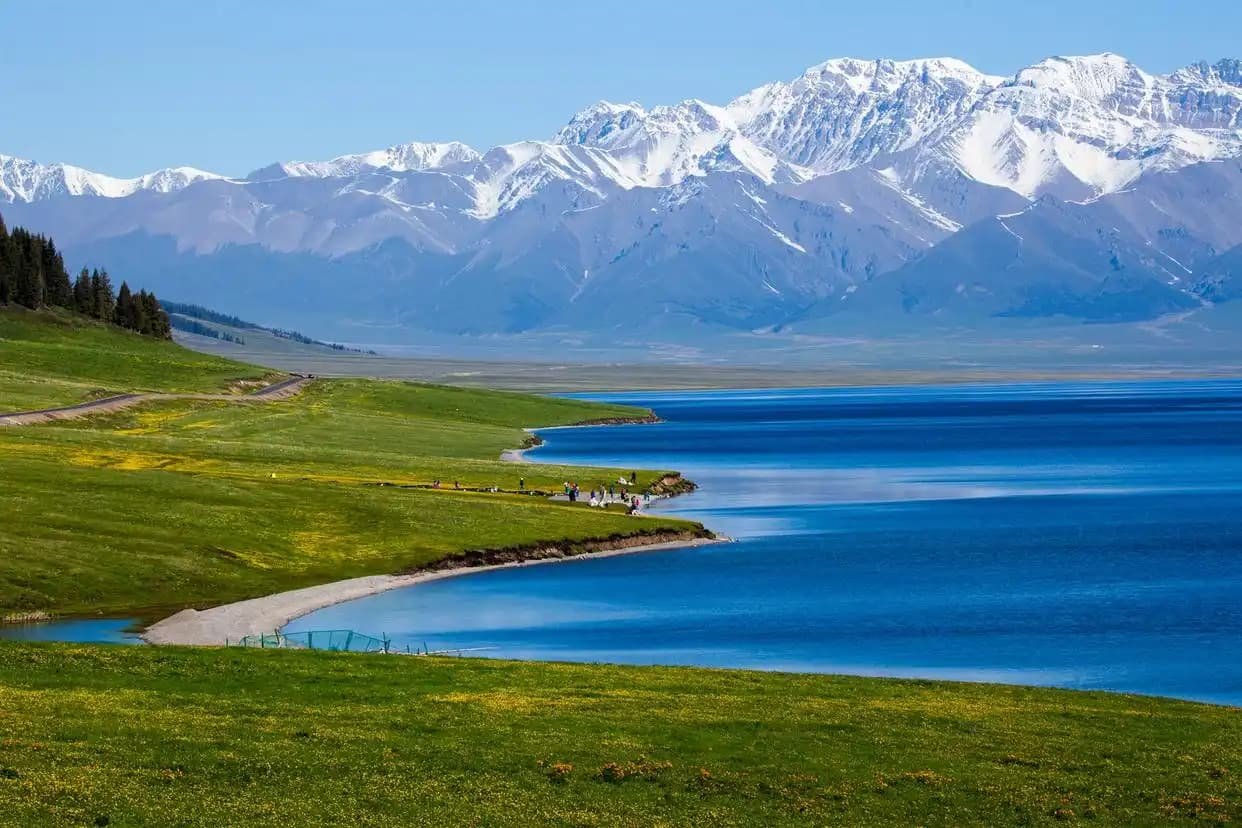
Nobody plans to need a first-aid kit on a road trip. I didn’t — until a friend sliced his hand open on a tent pole at 3,000 meters near Sayram Lake, an hour from the nearest clinic, and the trip turned on whether I had the right gauze and tape. Since then I build a dedicated Xinjiang road-trip medical and emergency kit for every rental, and I have used part of it on almost every long trip. This is the exact list, and the judgment calls that matter more than the contents.
Start from the risks specific to Xinjiang
The hazards here are not the usual cuts and headaches. They are distance, altitude, sun, and dryness. A scrape in Shanghai is a pharmacy visit; the same scrape 200 km from a town on the G3012 is a self-managed wound. So the kit is bigger than a city driver’s, and the skills matter as much as the supplies. Our altitude health guide is the first thing to read, because altitude sickness is the most likely serious event on a mountain route.
The medical portion
- Wound care: sterile gauze (10 packs), adhesive tape, a roll of cohesive bandage, butterfly closures, and a small tube of antiseptic (povidone-iodine wipes). I add a blister kit — the dry air and long walks make foot blisters the most common real injury.
- Medication: ibuprofen, loperamide (for the inevitable stomach turn from a roadside noodle), an antihistamine, rehydration salts, and acetazolamide if your doctor approves it for altitude. Carry a personal antibiotic only on a doctor’s prescription.
- Sun and skin: SPF 50+, lip balm, and a burn gel. The UV at altitude is no joke; our sun protection guide explains why.
- Extras: tweezers, small scissors, disposable gloves, a thermometer, and a few acetaminophen for fever.

The vehicle-emergency portion
The medical kit sits beside a separate car-emergency bag, because a stuck or broken car in the desert is itself a medical event once the cold sets in. Our roadside assistance guide covers calling for help; the kit backs that up:
- A reflective vest and two triangles (required and genuinely useful at night).
- A powerful flashlight and a headlamp with spare batteries; the electronics and power guide covers keeping them charged.
- A tow strap, a shovel, and a traction board for sand.
- Water — not for the kit per se, but 10 liters in the car at all times in the south. Dehydration precedes most “emergencies.”
- A paper map and a satellite messenger if you are leaving the expressway network.
How to carry and organize it
Two clear plastic bins: one “human,” one “car.” Both ride in the cabin, not the trunk, so you can reach them without unpacking. Label nothing in a way that advertises valuables. I keep the human bin behind the front seat and the car bin in the footwell. The packing organization guide has the layout I use.
When to use it and when to call
For minor wounds, blisters, mild altitude headache, and stomach upset, the kit handles it and the trip continues. For anything that worsens — a cut that won’t stop bleeding, chest pain, confusion at altitude, a fracture — the kit is triage only. Get to care. Our seeing a doctor in Xinjiang guide tells you how the hospital system actually works for foreigners, including what your insurance card gets you.
And obey the law while you drive to care: the speed and checkpoint guide means you will pass police posts where a calm, documented explanation of an emergency goes smoothly. Keep your permit and passport in the same place as the kit.
Signal and communication
Half the kit’s value is knowing you can call for help. Our signal and offline maps guide explains where you will have none — and that is exactly where the satellite messenger and the paper map earn their weight. I set a daily check-in text to a friend with my route; if I go silent, someone knows where to send help.
The honest bottom line
You will probably never open most of this kit. But the one time you need the gauze, or the rehydration salts, or the tow strap, the whole expensive trip pivots on having packed it. Build it once, restock after each trip, and never start a Xinjiang drive without it in the cabin. The peace of mind is the real payload.