
Camping Gas on the Road: Buying Canisters for a Xinjiang Road Trip
I learned the hard way that you cannot assume a gas canister waits for you at the next town. On a loop through the north I planned to buy propane on arrival and found the only shop sold a thread type my stove did not take, and the clerk had never seen my brand and could not advise me. Now I buy before I leave the big cities and carry what I need. If you cook on the road in Xinjiang, the fuel logistics matter as much as the food, and a cold dinner is a small tragedy you can avoid with an hour of prep.
The canister types you will actually find
The dominant format is the screw-on isopropane/butane blend canister (the standard 230 g backpacking size), sold at outdoor shops in Urumqi and the larger county towns. Some shops also carry the taller propane bottles for two-burner camp stoves, but the thread differs, so match your stove before paying or you will be the person waving an incompatible bottle at a confused shopkeeper. I bring the empty canister to the shop if I am unsure, which ends the guesswork in five seconds and saves a wasted trip across town.
For car-based trips the self-drive camping guide covers stoves and setups in more depth; I run a small screw-on stove for coffee and one hot meal, which keeps the canister count low and the packing simple, and means I am not hauling a heavy two-burner rig I only use once.
Where to buy
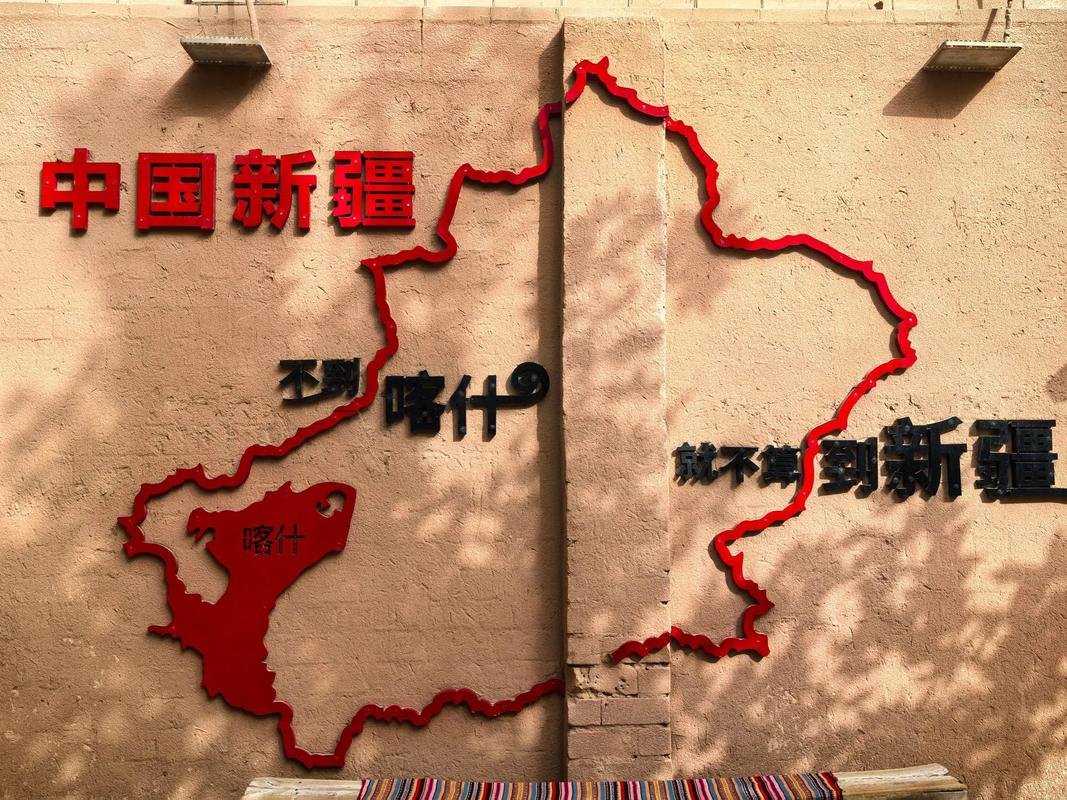
Urumqi has the best selection, including foreign-brand canisters that thread onto most imported stoves. Kashgar and Yining have decent outdoor stores too, and I have found screw-on canisters in smaller towns but never reliably, so I do not count on it. My rule: stock up in the last big city before a remote stretch, and carry two spare canisters beyond what I think I need, because a cold night makes you burn more than you planned and a windy cook takes twice as long.
Prices run roughly 25-45 yuan per 230 g canister depending on brand and whether it is imported. Not cheap, but a hot dinner at a viewpoint after a long drive is worth it, and it beats another gas-station noodle cup eaten standing in a cold wind. I treat the canisters as part of the food budget, not an afterthought.
Transport rules you must respect
Gas canisters are hazardous goods. You cannot take them on trains or planes, and ferrying them through some checkpoints draws questions. The car-train shipping guide notes the rules if you plan to rail your vehicle; assume loose canisters are a no, and ship the car empty, refueling at the far end where the shops are familiar. In the car, keep them in a ventilated external box, never in the cabin, and away from heat, because a canister baking in a parked car at 40 degrees is a genuine hazard that no view is worth.
Checkpoints are common on remote roads, and a visible fuel canister is fine if declared, but I keep the receipt handy to show it is sealed retail stock rather than a refilled drum of unknown age. The border permit guide is the bigger paperwork item for the restricted counties, so fold fuel into your general prep rather than treating it as separate, and have both documents in the same folder so you are not fumbling at the window.
Cooking without drama
Wind is the enemy. Use a windscreen, and never fuel or light a stove inside a tent or a closed vehicle, where a small leak becomes a big problem fast. I cook at a picnic stop away from dry grass, and I pack out the empty canisters to a proper disposal point in the next town rather than leaving them at the site, because the next person to camp there should not trip over my trash. A small mesh bag keeps them from rattling in the trunk and from puncturing against tools.
If you are running an RV or campervan, you likely have a fixed LPG system rather than canisters, which changes the resupply math entirely; the RV guide covers station filling and the paperwork that comes with a permanently mounted bottle, and you will envy the canister crowd only when they run out and you keep cooking.
Bottom line: buy in the city, match the thread, carry spares, and store them outside the cabin. Do that and a warm meal on a Sayram lakeshore becomes the easiest part of the day instead of a logistics headache, and the memory of coffee at sunrise by cold water stays with you longer than the inconvenience of carrying the weight.
Matching the stove to the canister
Most imported backpacking stoves use the screw-on Lindal valve, which is what the 230 g canisters here take. Some local two-burner stoves use a different screw or a clip-on, so buy the canister the stove shop recommends, not the one that looks cheapest. The camping guide lists stove types; I run a single-burner screw-on because it mates with every canister I have found from Urumqi to Kashgar, and one fuel system means one resupply worry.
How many canisters you really need
A 230 g canister boils roughly 18-22 litres of water, enough for maybe ten quick meals or a week of coffee plus a few dinners if you cook efficiently. For a two-week trip I carry three plus the one on the stove, because a cold evening burns more than the math suggests and a second pot of water for dishes adds up. The budget guide puts canisters under “misc” but they are a real line; three spares cost more than a nice dinner and earn it back in warm mornings.
Storing and disposing safely
Keep canisters cool and out of the sun; a locked external box on the roof or trunk is ideal, ventilated and shaded. Never store them in the cabin overnight, where a leak concentrates. I dispose of empties at a county town hardware shop or the guesthouse, asking where; leaving them at a campsite is how a future visitor finds a rusting can by the water. The car-train guide is why I never ship a partially used canister, a rule that has saved me a freight argument and a potential hazard in transit.
Cooking real meals, not just boiling
A single burner limits you, but a small nonstick pan turns a canister into actual dinners: fried eggs, flatbread, a stir of roadside vegetables. I pack oil, salt and a spice I bought at a bazaar, and the meal beats a rehydrated pouch every time. The road-food guide covers what to grab at stops; I treat the canister as the finishing step that makes market food into a camp dinner, and the contrast with a gas-station lunch is the whole point of cooking.
Alternatives if you hate canisters
If you rent an RV or campervan, you likely have a fixed LPG system filled at stations, which removes the canister math entirely and lets you cook freely. I switched to a van for one trip and missed nothing about the canisters except the excuse to buy a new gadget. For car campers, the canister is the light, simple answer; just respect the hazard and the rules, and the warm food follows.
The ethics of disposal
Empty canisters are scrap metal, not trash; drop them at a hardware shop or the guesthouse bin, never at a campsite. The first-timer mistakes guide lists the small errors; leaving gear is the visible one. I carry a dedicated bag and feel mildly righteous handing a neat stack to a shopkeeper, which is the level of virtue the desert demands and the least I can do for a free kitchen.
Cooking a real meal, not just boiling
A single burner limits you, but a small pan turns a canister into dinners: fried eggs, flatbread, a stir of market vegetables. The road-food guide covers what to grab; I treat the canister as the finishing step that makes market food into a camp dinner, and the difference from a gas-station lunch is the whole reason to cook. A spiced tomato pot over a hissing stove at a viewpoint is a memory, not a meal.
Gas for the RV crowd
If you run an RV or campervan, you likely have a fixed LPG system filled at stations, which removes the canister math and lets you cook freely. I switched to a van for one trip and missed nothing about canisters except the excuse to buy a new gadget. For car campers the canister is the light, simple answer; respect the hazard and the rules, and the warm food follows without drama or a trunk that smells of propane.
A camp dinner worth the canister
My standard Xinjiang camp meal: a packet of hand-pulled noodles, a couple of tomatoes and a green pepper from a roadside stall, an egg, and the spice I bought at a bazaar. The single burner handles it in one pan if you cook the veg first, push them aside, and fry the egg in the same oil. The camping guide has the gear; this is the menu. It costs maybe 15 yuan and beats any gas-station lunch, and the smell of tomatoes and cumin on a lakeshore at dusk is the advertisement for the whole canister system. I have fed strangers this dish and watched them understand, instantly, why I haul the weight.
Brands and what I actually carry
I carry two screw-on 230 g canisters from a major brand plus the one on the stove, all Lindal-valve so they fit anything I meet. Cheap no-name cansisters sometimes have iffy seals that hiss on the first thread; I learned that the hard way on a windy ridge and now pay the extra few yuan for a name I trust, because a leaking canister is both a waste and a hazard in a hot car. The RV guide is the alternative for fixed systems, but for a car-camping loop the small canisters are lighter, legal, and simple, and the only real skill is matching the thread and storing them cool. I label the spares with the date I bought them and rotate so the oldest gets used first, a habit borrowed from backpacking that keeps the kit honest and the dinners coming on the longest, coldest, most rewarding evenings of the trip.
Altitude changes your boil
At 3,000 m water boils well below 100 C, so pasta and rice take longer and a canister that fed you fine at sea level feels sluggish up high. I add a minute or two and keep the lid on tight, and I carry one extra canister for the plateau legs where every meal is a longer burn. The altitude health guide is about you, but the stove feels it too; a windy, thin-air cook is the slowest meal of the trip, and planning for it keeps dinner from becoming a cold wait. A pressure-adjusted stove helps, though the screw-on canisters here are a fixed mix, so I just pack more and cook with patience rather than crank the flame and waste fuel I cannot replace on the roof of the world.