
Self-Drive Camping in Xinjiang: From Picking a Site to Cooking Over a Stove
The night I pitched a tent by Sayram Lake taught me Xinjiang camping is nothing like inland China
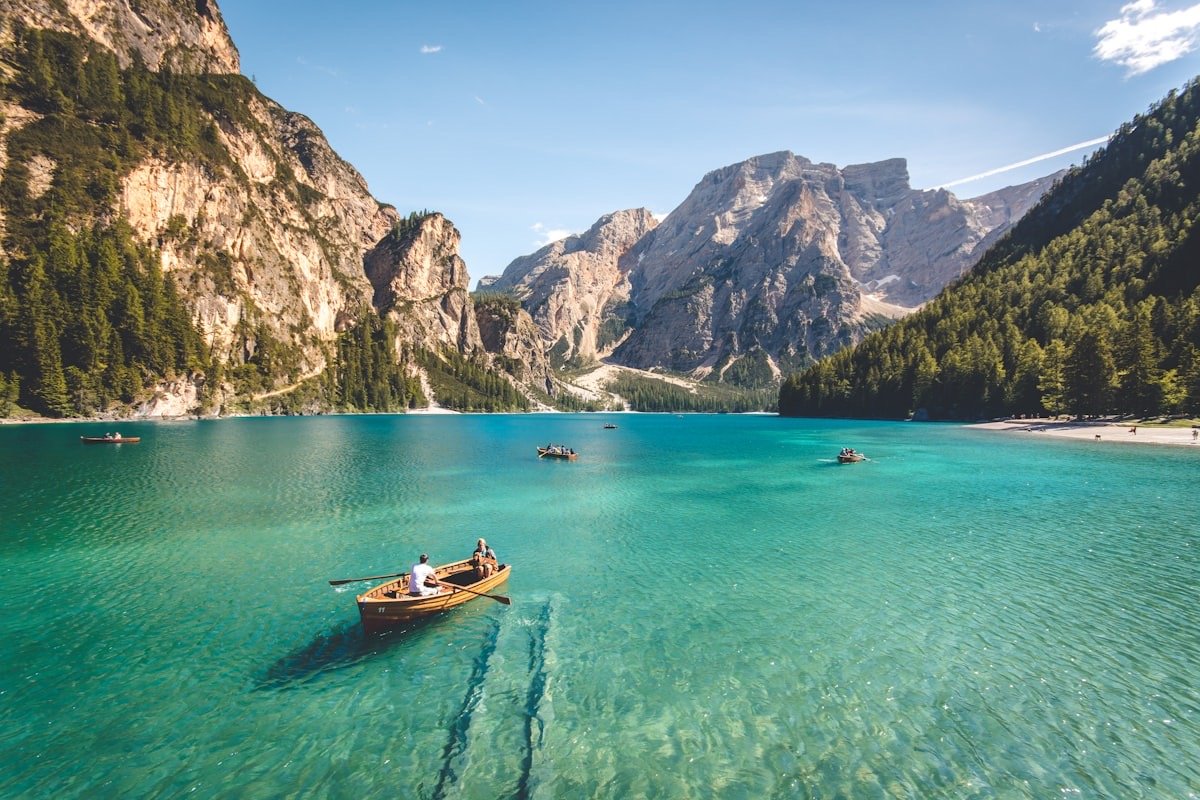
In August 2024 I drove an SUV out of Yining meaning to stay at the Sayram Lake RV camp. Peak season. The camp was full, no booking. A friend slapped his thigh: “Just pitch anywhere on the lakeside meadow.” I stopped him. Later I learned how much trouble that “anywhere” causes in Xinjiang. Sayram is a national scenic area. The core is off-limits for camping. Pitch on the meadow and a patrol truck shows up in half an hour to send you off, maybe with a fine. That night we drove a few km outside the scenic area to a herder’s private pasture, paid ¥60, and pitched only in the marked zone. The lesson stuck: in Xinjiang, camping’s first question is not gear. It is where you are allowed to pitch.
This article lays out what I have learned pitching, getting kicked out, and confirming with driver groups over three years. Xinjiang is among the best places in China for self-drive camping. Huge skies, dense stars. It is also one of the strictest on fire and the most carefully managed. Learn the rules and you get a top-tier experience. Ignore them and you get fines, eviction, and hassle.
Xinjiang camping splits in two: campgrounds and wild camping, and the gap is bigger than you think
Start with campground camping. This is for beginners and families. Xinjiang has sprouted proper self-drive camps around the popular spots: Sayram Lake, Nalati, Bayinbuluke, Kalajun, the Hemu Jadenyu lot, Koktokay, Tianchi, Jiangbulake. Most have power and water posts, toilets, even a small shop. The upside is zero fuss: park, plug in, toilet within 50 meters. The downside is price and scarcity. In peak season a pitch runs ¥150-300 a night and must be booked early. Treat campgrounds as the luxury option, for trips with elders or kids, or for the night you want a hot shower after days on the road.
Then wild camping (free camping). The old hands’ favorite. Leave the scenic areas, find your own flat spot by a highway, a river valley, a mountain hollow. Free, no one around. Xinjiang is so empty that these spots are everywhere. But the bar is high. You solve your own water, power, toilet, wind, and fire, and you carry the risk of legality. My rule: first choice is a herder’s pasture (pay to borrow land), second is a marked “self-drive camp spot” (many county outskirts have them), last is true wild ground, and never in a core scenic zone, never in a fire ban, never on a cliff edge or in a riverbed.
On the difference between RVs and camps, we have a dedicated Xinjiang RV self-drive guide. An RV is essentially a camp that walks. The trade-offs against tent camping are there. Read it alongside.
Three ways I find places where pitching is allowed
First, ask the herder. Xinjiang’s grasslands and gobi mostly have owners. Even land that looks ownerless falls inside someone’s pasture permit. See a yurt, stop, offer a cigarette or ¥20, ask “can my dog and I pitch tonight?” Eight of ten say yes and point you to the flattest, most wind-sheltered spot, sometimes pulling you in for milk tea. This paid-borrow arrangement is my top recommendation. Legal, safe, and human.
Second, watch for the “self-drive camp” signs. Many national and provincial roads carry blue-and-white “self-drive camp spot” markers, approved by local tourism or townships. Usually free or symbolic, with a basic toilet and bins. I have seen them on the G218 Yili stretch, the G217 Altay stretch, and some Duku pull-offs. Seeing that sign is like a stamp reading “legal here.”
Third, use apps to see where others pitched. Outdoor apps like Two Steps Road and Six Feet carry thousands of camper-tracked campsites with coordinates. Before leaving I search the target area, see which spots get repeated marks, then judge on site. Someone else pitching there does not guarantee it still works. Fire seasons and grazing bans shift. Eyes on the ground decide.
Fire control is the red line in Xinjiang. Do not even touch it
How strict is Xinjiang’s fire control? In spring and autumn many areas sit under a no-open-flame order. Smoking gets discouraged, let alone a fire. In April 2023 on a Yili pasture I watched cook smoke rise on a far slope; within twenty minutes a ranger’s pickup climbed up. In Xinjiang wild camping I almost never use open flame. Cooking runs on a gas canister stove (high-mountain canisters work below zero) for noodles or boiling water. Want barbecue? Save it for a county-town diner. No firewood in the wild.
Even outside the fire ban, wood demands care. Xinjiang is dry and windy; one spark on the wind and acres burn. I saw someone build a firewood grill at a Duku pull-off; a gust threw the flame half a meter, dry grass right next to it, my back went cold. If you must burn, pick bare gravel, dig a pit, clear a two-meter ring, keep a bucket of water, and douse with water then feel for heat before leaving. I run this every time. Tedious, mandatory.
Do not ditch empty canisters. Xinjiang wind rolls them into grass; next person’s fire meets a hazard. I bring empties back to the car and drop them at a town bin. On toilets and hygiene, we wrote a frank honest Xinjiang toilet guide that covers wild-camp sanitation in a pinch.
Gear: Xinjiang asks for three things extra
The inland tent, sleeping bag, pad, lantern, stove kit needs three additions here. Thicker guylines and stakes: Xinjiang wind is no joke. I once had seven- or eight-grade wind in the gobi rip ordinary thin stakes out and slap the tent down. Double the warmth: even July, northern grasslands drop below 10°C at night, higher places near zero. I carry a bag rated minus 5°C plus an aluminum foil pad. Take sun and water seriously: plateau UV and dry air mean peeling days and thirsty nights. I keep a case of water and lip balm in the car.
On packing, we have a seasonal Xinjiang packing list that says what goes in the car and what you can skip. My tip: keep the tent and pad where you can grab them, because you often pitch in the dark and fumbling a box is miserable.
Eating well: wild camping asks more than you expect
Many think camping means dry rations. That sells Xinjiang short. County towns and regiments have night markets at dusk. I drive into the nearest town in the afternoon, buy naan, watermelon, tomatoes, lamb slices, yogurt, then cook a pot of pulled noodles or lamb soup at camp on the canister stove. Better than a restaurant. The stove handles a two-person pot; forget stir-frying. Xinjiang wind makes even a low flame flicker, so I set the stove behind a wind-breaking rock.
Water is the most underestimated. Dry air means a camper burns at least two liters of drinking water a night; with cooking and washing, two of us easily use four or five liters. Campgrounds refill you; wild ground relies on the car. My rule: at every town with water, fill every empty bottle. The car always holds a case of water and a 20-liter backup jug. At a desert edge or in the gobi, water beats food.
On what to eat in Xinjiang and where ingredients are best, our Koktokay guide touches northern Xinjiang food. The camping food rule in one line: buy enough before the mountains, refill after, cook only the simplest hot meal in the wild.
Animals, wind, and night: the three gates of Xinjiang camping
Animals first. Xinjiang wild has marmots, gazelles, occasionally wolves and brown bears, but the odds of meeting one are lower than winning a small lottery. The real pests are two: herding dogs and insects. On a herder’s pasture his dog may patrol all night growling at the tent. My fix is a meat strip on day one to make friends; later it guards my camp. Insects on June-August grasslands and lakesides are vicious, especially Sayram and Bayinbuluke. The tiny black flies bite through thin cloth. I carry DEET spray and open the tent door only a crack, quick in and out.
Wind next. Xinjiang wind is the number-one enemy of my camping history. Gobi and mountain passes roar a tent all night; the bag feels cold. Site choice leads: never a ridge, never under a lone tree (lightning, falling branches), never a riverbed or low spot (water comes at midnight). I like a sheltered slope backed by hills, a bush-screened meadow, or a terrace inside a river bend. Stake at an angle, radiate the guylines. Matters.
Night temperature is where inland friends crash. Nalati in July, 28-29°C in a short sleeve by day, drops to 12-13°C within half an hour of sunset, near 10°C after midnight, single digits at altitude. My first Nalati night I trusted the day’s heat and brought a thin bag, woke frozen, piled on my shell and fleece to survive. Since then my bag floor is always rated minus 5°C. Hot beats cold.
Places I return to and will recommend to friends
Sayram Lake outer pasture — stay out of the core. A few km out the east gate, many herder pastures let you pitch for pay. Evening gold on the water, the Milky Way to the horizon at night; my favorite Xinjiang camp view. Avoid the July-August fire ban; cook on canister only.
Yili grasslands (Chaxi, Tangbula, Qiongkushitai outskirts) — Yili pasture camping is the best in China: water, dense grass, near towns. Tangbula’s “Hundred-Mile Gallery” has self-drive spots; I pitched once and watched morning mist rise from the valley like a dream. Note Qiongkushitai village has designated zones; do not wander deep into the mountains.
Koktokay surroundings — terraces along the Irtysh are flat and wind-sheltered, stunning when the birch turn in autumn. Our Koktokay geopark guide links camping and hiking into two or three days.
Desert edges (Shanshan Kumtag, Luntai poplar forest outskirts) — sand camping is another experience, but night wind, sand, and temperature drops make it experts-only. When the poplars turn gold in October, a pitch outside the forest, woken by gold light, is worth it.
Leave it cleaner than you found it
“Leave no trace” in Xinjiang is not precious, it is survival. Your trash on the wind becomes a fire hazard, or makes the herder never let you pitch again. My breakdown routine: empty and take the canister, bury or take food scraps (marmots dig, do not leave them), bag every plastic and wipe, and rake the flattened grass with a branch. Once outside Sayram I found a previous camp’s broken beer bottle that cut my friend’s shoe sole. Since then I pick up obvious glass and metal left by others.
Haul the trash to a town bin. Xinjiang town entrances almost all have bin stations, even small ones. Never bury it in the wild; thin soil, animals dig it up. I weigh this above saving money: bury today, this pasture bans camping tomorrow, and everyone after you pays.
The camping gear checklist I tick every time
This list came from three years of Xinjiang camping, split into “must” and “maybe.” Skip a must and I would not enter the mountains.
Must: a double-layer three-season-plus tent (wind resistant), eight-plus thickened stakes plus guylines, a minus 5°C bag, a pad (I stack foil plus inflatable), a lantern and a headlamp, a high-mountain canister stove plus two canisters, a 20-liter backup water jug, a case of water, DEET spray, sunscreen, lip balm, several trash bags, a lighter plus waterproof matches, a first-aid kit. Two people, two cars, it all fits.
Maybe: a sunshade (limited use in windy gobi, I dropped it), a folding chair (worth it for star-gazing on the grass), a car power source or power bank, a fishing rod (camp by Sayram or Ulungur and fish), a star-tracking tripod (Xinjiang’s galaxy is worth it). My car always holds a “camp box” with the must items, grab and go.
What to do if something happens at night
Thunder: Xinjiang mountains throw afternoon storms. See a cloud wall approaching, move the tent lower, away from lone trees and high ground; do not wave a metal pole. At Tangbula I once took down the sunshade twenty minutes early, left only the tent, and listened to rain in the bag all night, calm.
Flood: never pitch in a riverbed or dry channel. Xinjiang’s “dry rivers” look empty; one rain upstream and a torrent forms in half an hour. I always pick the highest flat ground, a few steps extra be damned.
Animals in camp: marmots and gazelles just peek; do not feed, do not chase. Wolves or bears are rare; if met, do not run, do not turn, back away slowly, make noise (bang a pot, shout). Camping near Kanas, rangers stressed: seal food in the car, not by the tent, smell draws bears. That is iron law to me.
Altitude: Bayinbuluke sits at 2,500 m; some get headaches and insomnia camping there. On altitude and health we wrote a Xinjiang altitude health guide. My method: no shower the first day at altitude, more hot water, slow moves. Usually bearable.
Before you leave: the lines I press to the bottom
Xinjiang camping is great because the land is big, the stars dense, no one managing you; hard because the wind is strong, the night cold, the rules strict. Weld these four sentences into your head: ask if pitching is allowed, no open flame, enough water, leave it cleaner. You get top-tier wild fun. I still remember the Sayram night, a few degrees below zero, unzipping the bag to a Milky Way laid across the lake, even the wind stopped. That quiet no hotel gives. Xinjiang is so big, so many flat grounds; may you find your own, pitch, switch off the phone, listen to wind and insects. Just remember, at breakdown, leave it as you found it, take the clean away.