
Xinjiang Farm Stays and Orchard Guesthouses: Sleeping Among the Vines and Apricots
Why Sleep on a Farm Instead of in a Hotel
Most foreign travelers treat Xinjiang as a place to drive through. They book a chain hotel in Urumqi, tick off a few sights, and move on. I did that on my first trip in 2021, and I missed the whole point of the region. The real Xinjiang lives in its villages, where families have worked the same apricot and grape plots for generations.
A farm stay drops you straight into that rhythm. You wake to the sound of a water pump, eat what was picked an hour earlier, and fall asleep with the smell of ripe fruit coming through the window. It costs less than a mid-range hotel and gives you ten times the story. This is the single best way I have found to understand the oasis life that keeps the desert habitable.
I have now stayed on farms in three different parts of the region, from the furnace heat of Turpan to the cool orchards of Ili. Each one taught me something the guidebooks never mention. Below is everything I wish I had known before that first night among the vines.

My First Night in a Grape Manor Outside Turpan
Last September I stayed at a grape manor outside Turpan, about 8 km east of the old town on the road toward the vineyards of Grape Valley. The owner, a quiet man in his sixties, met me at the gate with a bowl of cold melon and pointed at the vine canopy overhead. “Shade is the house,” he said, and he meant it literally.
The room was a thick mud-brick cell, maybe 16 square meters, with a flat roof you could climb to at night. The walls were nearly half a meter thick, which is the only reason the room stayed cool when the afternoon hit 38°C. I paid ¥180 a night, breakfast included, and that bought me a bed, a kettle, and the run of the courtyard.
After dark the family brought out a low table and we ate grapes still warm from the sun. They poured me tea from a dented thermos and asked, through a translation app, where I had driven from. When I said Kashgar, 1,450 km west, the grandfather just laughed and refilled my cup.
What the Room Actually Looked Like
Do not picture a boutique guesthouse. The mattress was thin, the blanket was polyester, and the bathroom was a squat toilet with a bucket of warm water for a shower. None of that bothered me once I understood the trade.
The trade is silence and stars. With the town lights 8 km behind me, the sky over the Gobi was the clearest I have ever photographed. I set my camera on the flat roof and shot the Milky Way until my battery died. That is the kind of memory a hotel corridor never gives you.
Where to Find Orchard Guesthouses Across Xinjiang
Farm stays are not listed on the big international booking sites, and they rarely appear on the Chinese apps either. You find them by asking at a county tourist office, by word of mouth from another traveler, or by simply driving the orchard roads and knocking on a gate that looks friendly. I have had the best luck in three regions.
Turpan and the Grape Valleys
Turpan is the easiest place to start. The vineyards run in a green belt around the town, and dozens of families take guests from May through October. Distances are short: most manors sit within 5 to 12 km of the center, so you can base yourself there and still reach the bazaar and the ruins by day.
Prices here run ¥150 to ¥220 a night. The heat is the catch. From June to August the daytime temperature regularly passes 40°C, so plan your driving for early morning and evening, and treat the thick-walled room as your refuge at midday.
Ili and the Apple Orchards
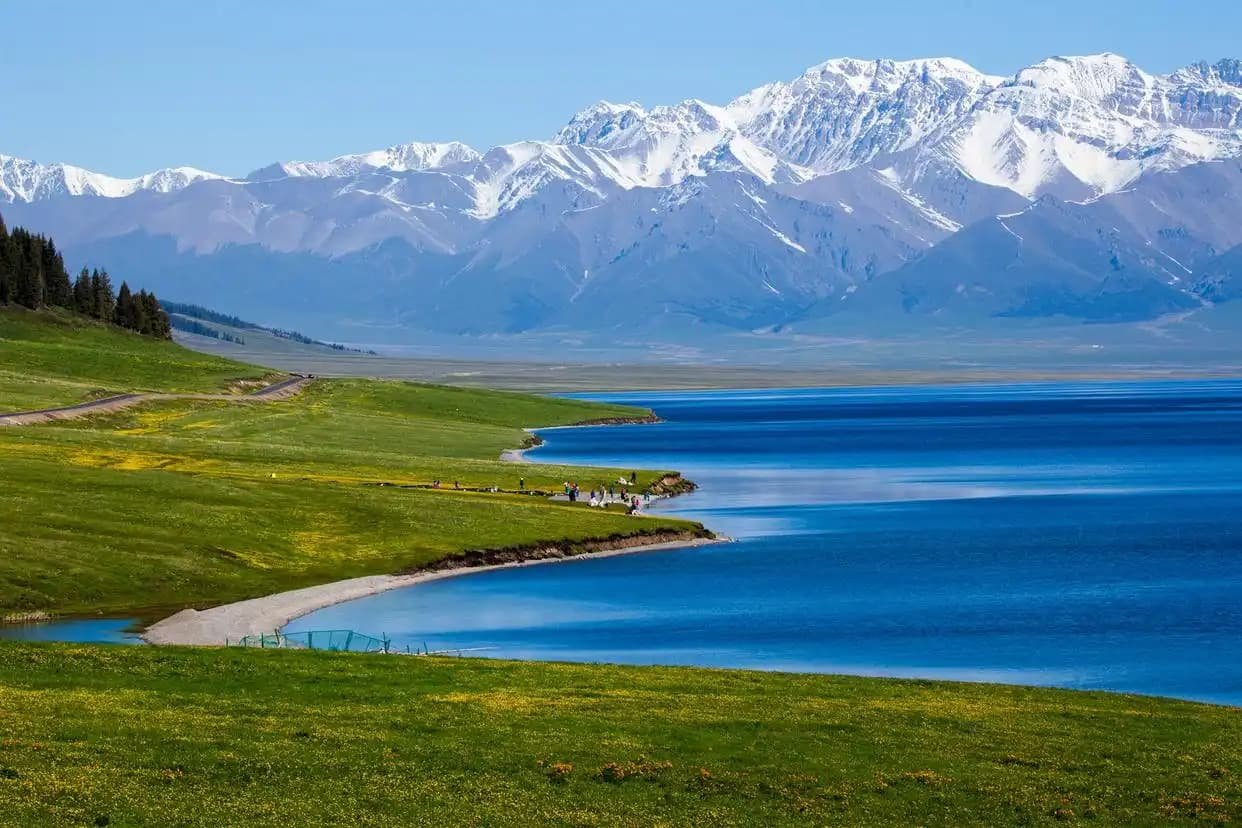
Ili, in the far northwest near the Kazakh border, is cooler and greener, and the orchards grow apples, pears, and walnuts instead of grapes. I stayed 22 km south of Yining in a courtyard surrounded by 40-year-old apple trees. The night temperature in late August was a soft 16°C, and I slept with the window open.
This is the place for travelers who want fruit and forest rather than desert. The families here often keep horses, and for ¥120 they will saddle one and walk you up the valley for an hour. It was the calmest afternoon of my whole trip.
Kashgar and the Apricot Rim
Around Kashgar and the oasis towns to the south, the crop is apricots, and the guesthouses are often Uyghur courtyard homes with a mulberry or two shading the gate. I found one 14 km from the old city, past the last brick factories, where the host dried apricots on the flat roof in long rows like orange tiles.
Stay here in late May or early June and you will arrive at the height of the harvest. The host sold me a kilo of dried apricots for ¥25 and refused to let me leave before I had tried the fresh ones straight from the tree.
What You Eat When You Stay on a Farm
Food is the real currency of a farm stay. Breakfast is almost always the same and almost always generous: flatbread hot off a griddle, a wedge of melon, boiled eggs, and endless cups of brick tea. One host in Ili added fresh walnut jam that I still think about.
Dinner is where it gets good. Expect hand-pulled noodles with tomato and green pepper, or a mutton pilaf cooked in a single wide pan and served straight from it. At the Turpan manor the family grilled grapevine cuttings into skewers and set them smoking over charcoal, a flavor I have never found in any restaurant.
You should eat what is put in front of you and say thank you in the local way, a hand over the heart. Refusing food reads as an insult in these households, and the portions are built for a working farmer, not a tourist on a diet.
How Much a Farm Stay Costs
Budget honestly and a farm stay will beat a hotel on price while beating it on experience. I have paid as little as ¥130 a night near Kashgar and as much as ¥240 for a slightly fancier courtyard in Ili with a private bathroom. The median across my trips is around ¥180.
Meals are usually extra. Breakfast is often folded into the room price, but dinner runs ¥35 to ¥60 per person for a full spread, and that is a steal compared with a tourist restaurant. If you want to save more, the budget hostels and dorms in the bigger towns cost less still, but you trade away the orchard and the family.
Carry cash. Many of these households have no card machine and no working payment app for a foreign card, and the nearest ATM can be 15 km away in the county seat. I keep ¥500 in small notes folded into my passport wallet for exactly this reason.

Driving Yourself to the Orchards
A farm stay only works if you can reach it, and the orchards sit well off the train lines. This is where your own wheels pay for themselves. I have crossed the region twice now, and renting a car as a foreigner turned out to be far simpler than the forums warned, as long as you book from Urumqi or Kashgar with a company used to foreign passports.
Roads, Distances and Parking
The paved roads to the major orchard belts are good. The final kilometer to a family gate is often loose gravel or packed earth, so I keep my speed down and my clearance in mind. Parking is never a problem: every courtyard has space for one or two cars behind a wall.
Plan your distances with the heat. Turpan to the nearest vineyard manors is under 12 km, but Ili to its orchards can mean 20 to 30 km of winding valley road, and Kashgar’s apricot rim stretches out to 15 km from the old city. Fill the tank whenever you pass a county station, because the next one may not take foreign cards at the pump.
Etiquette and Small Favors
The families who take guests are hospitable by default, but a few habits will make you welcome and might earn you a second invitation. Take your shoes off at the threshold of the living room. Ask before you photograph anyone, and show them the result on your screen. Offer to help carry a water jug or clear the table, even if they wave you off.
Bring a small gift from your own country. I carry a pack of postcards from home, and the look on a child’s face when I hand one over is worth more than any tip. A tip of ¥20 at the end of a stay is appreciated but not expected; a return visit the next season is the highest compliment you can pay.
When to Go for the Harvest
Timing decides what you eat and how hot you are. May brings apricots around Kashgar and the first green grapes near Turpan. June and July are the peak grape months, brutally hot but sweet. August cools Ili and ripens its apples, and September is my favorite: the heat finally breaks, the grapes are at their best, and the tourist crowds have thinned to almost nothing.
I would avoid deep winter for a farm stay. The courtyard homes are built for summer shade, not cold, and many families close the guest rooms from November through March. If you travel then, stick to the towns and save the orchards for spring.
Weaving in the Bazaars and the Parks
A farm stay pairs well with two other parts of a Xinjiang trip. On market day I wander the county bazaar and load up on dried fruit and nuts to bring back to the courtyard, and a little practice at haggling in the bazaars kept my souvenir bill low without offending the sellers. The same smile and patience that work on a farm work on a stallholder.
When I want a break from driving the orchard roads, I head into the high country, and the Xinjiang national parks give me a reason to leave the car and walk. A morning on a mountain trail and an evening among the vines is a balance I have come to plan my whole route around.
A Few Practical Warnings
Farm stays are wonderful, but they are not hotels, and the gap can surprise you. The walls are thin and the roosters start at 5 a.m., so pack earplugs. The toilets are often squat and shared, and the hot water, if it exists, may be a bucket. None of this is a complaint, only a fair warning so you are not the traveler who sulks through breakfast.
Signal is patchy. I bring a paper map of the orchard district and mark the manor on it, because my phone lost service 3 km from the Turpan gate and stayed dark until I drove back toward town. Tell someone your plan before you turn down an unmarked lane, and keep your fuel above a quarter tank.
If you crave total isolation, wild camping freedom is the more rugged cousin of a farm stay, but it leaves you without the meal, the roof, and the conversation. I do both on a long trip, farm stays when I want a hot meal and a story, wild camps when I want the desert to myself.
Why I Keep Coming Back
I have slept in fine hotels across this region, and I remember almost none of them. I remember the grandfather in Turpan refilling my cup, the apple orchard in Ili at dusk, the apricot host who would not let me leave hungry. Those are the nights that turned a driving route into a place I care about.
If you are planning a self-drive loop through Xinjiang, leave two or three nights open for a farm stay and let the harvest decide where you stop. Book nothing, drive the orchard road, and knock on a gate that looks kind. The worst that happens is a cup of tea and a direction back to the highway. The best is a night you will still be describing years from now.