
Wild Camping in Xinjiang: Laws, Ethics, and Where to Pitch
Sleeping Where You Stop
Wild camping sounds romantic until you try it at minus five beside a road with no name. I have done it both ways, badly and then better, and the difference was never the gear but the homework. Xinjiang is enormous and empty enough that freedom camping is possible, but the rules are uneven, the land is fragile, and the courtesy you show a place determines whether the next traveler finds it intact. This is what I wish someone had told me before my first night under the stars out here.
The appeal is obvious. After a day of driving the Duku or looping the Ili Valley, the idea of pulling onto a quiet stretch of grassland and waking to a lake is stronger than any hotel bed. Done right, it is the best sleep of the trip. Done careless, it is a fine, a stuck car, or a spoiled site.
What Is Allowed, Roughly
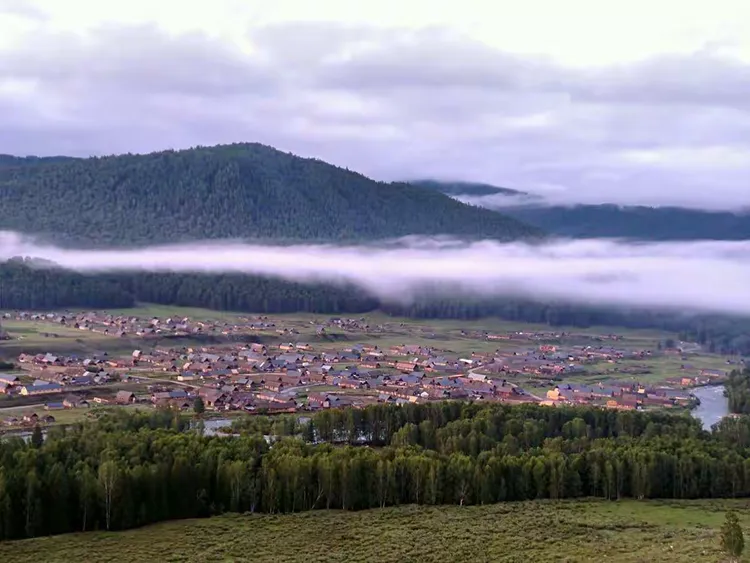
There is no single law that says yes or no to wild camping across the region; it is a patchwork. Inside national parks and nature reserves, camping is usually restricted to designated sites, and the yurt camps and glamping sites exist precisely because the surrounding land is off-limits to free pitching. On open grassland outside protected boundaries, a discreet night is often tolerated, but you are on county land where a ranger or herder may ask you to move. I treat any fenced or signed area as a hard no and everything else as a maybe I keep quiet about.
The safest legal option, and the one I now favor, is a designated site or a rooftop setup in a paid lot. The rooftop tent road trip approach lets you sleep above the ground, pack in seconds, and stay in established lots where camping is accepted. I have spent more nights that way than truly wild, and I have rarely regretted the trade of solitude for a level surface and a nearby toilet.
Finding Water and Staying Legal
Water is the first thing that runs out, not fuel. On the Duku I can drive 200 km between towns with a fuel station, but potable water is rarer than petrol once I leave the main arteries. I carry 12 liters minimum and refill at every chance I get: guesthouses in the Ili Valley, the tap behind a noodle shop in a county town, a hot spring lodge near Altai. Streams look clean and usually are not. Giardia is a real risk at altitude, and boiling for a single minute at 1,500 meters is not enough. I treat everything with a filter rated to 0.1 micron or a few chlorine dioxide drops, then trust it.
Staying legal is mostly about not looking like you plan to stay. Rangers in the nature reserves around Sayram Lake and the Kanas buffer zone patrol at dawn and dusk. A tent pitched just before dark and struck by eight in the morning draws less attention than a camp that settles in for the day. I keep my camp small, my vehicle on a hard surface, and my paperwork in the door pocket: my ID, the car’s documents, and a copy of my route. A calm explanation in English plus a translation app has gotten me waved through more than once where a defiant attitude would have ended the night in a car park.
Near the southern Tarim I once picked a spot beside a dry canal, thinking it was unused. A herder on a motorcycle arrived at six and explained, through gestures, that the channel fills in July when the irrigation turns. I thanked him, moved 3 km to a raised gravel bar, and slept better for the warning. The lesson stuck: the people who live on the land know the water, and a five minute conversation beats a fine and a soaked sleeping bag.
Choosing a Spot
Flat, dry, and away from water is the rule I repeat to myself. Grassland looks level until you wake on a tilt; I scout with a headlamp and a level app before committing. Never camp inside a river bend or a dry wash, because a mountain storm can send water through a channel that was bone dry at dusk. Keep a hundred meters from any dwelling, because a herder’s dogs and a farmer’s patience are both short.
Wind is the variable people forget. The Tarim and the northern basins can gust past 60 km/h at night, and a freestanding tent becomes a kite. I angle the door away from the prevailing west wind and pile packs on the footprint corners. On the desert fuel planning runs I learned to check the night’s wind forecast before committing to an exposed dune.
Gear I Carry for a Cold Night
My sleep system starts with a bag rated to minus 12 C, and I have needed every degree of it on the Pamir approach roads in October. A closed-cell foam pad under an inflatable one keeps the ground chill off my hips. Without it I lose heat through the floor and wake shivering at 3 a.m. I pack a liner that adds roughly 5 C, a beanie, and a pair of dry socks kept only for sleeping. The cost of one damp night is three bad days of driving, so I protect that dry layer like cargo I cannot replace.
I bring a stove that runs on the canisters I can actually buy in Urumqi, a headlamp with a red mode so I do not blind myself at midnight, and a power bank rated for minus 10 C because ordinary ones quit in the cold. Rope, a tarp for cooking in wind, and a small shovel round out the load. Total weight stays under 9 kg so the car is not dragging a second home. None of it is fancy; most of it is boring gear that earns its place the first time the temperature drops 15 C after sunset.
Food lives in a sealed box off the ground, hung from the tarp line or tucked in the footwell, because a fox or a stray dog will take bread left on the grass. I pre-portion meals so I am not fumbling with frozen fingers at dinner. The whole kit fits a single duffel, and I can pitch, cook, and strike in under forty minutes once I have done it a few times. Speed matters when a storm rolls in off the basin and the light is going.
A Night the Wind Took My Tent
On the northern edge of the Tarim, one April night the wind built from a steady 25 km/h to a roar past 70 km/h. I had pitched on a flat patch of hardpan, door into the west, thinking I was clever. At 2 a.m. the poles buckled and the whole shelter tried to leave without me. I ended up sleeping in the car with the seats folded, the tent bundled in the footwell, and a lesson I have not forgotten since.
What saved the night was that I was not exposed. I had parked behind a low ridge of old dune, out of the worst of it, and I had already moved my food and battery inside. A tent is a poor shelter against that kind of wind; the car is the real refuge. Since then I read the wind forecast like a window before a sea crossing, and if gusts are predicted above 50 km/h I either pick a walled site or sleep elevated in the rooftop setup. The desert does not negotiate with a tent peg.
I lost one bent pole and a night of real sleep, but nothing else, because everything I cared about was already in the vehicle. The morning was dead calm and 8 C, the kind of false peace that lures you into the same mistake. I now pack a repair sleeve for the poles and a bungee backup, and I never trust a Tarim evening that feels too quiet. Quiet there usually means the wind is gathering somewhere out of sight.
Leave No Trace, for Real
The emptiness fools people into thinking no one will notice. Someone always notices, and the next traveler pays for your mess. I pack out every scrap, burn nothing I did not carry in as fuel, and dig a cathole well away from water and trails when there is no toilet. Fires are banned across most of the south during the dry season, and a wind-blown spark on grassland is a disaster you cannot undo. The gas canister guide covers the stoves that let you cook without a fire, which is what I use.
Camping Near Herder Communities
In the Ili Valley and up toward Altai I have camped within sight of herder camps, and the rule is simple: ask before you settle, and ask in person. A wave and a few words through a translation app go further than slipping in after dark. Most herders I met were welcoming, some invited me for milk tea, and one lent me a length of rope when mine frayed. The payment is respect: I stay below the ridge they use, I keep the dogs calm, and I leave before they are up tending stock.
Their land is working land, not a campsite. Sheep move through a valley on a schedule tied to grass and season, and a tent in the wrong draw can block a path the animals have used for generations. I ask where the flock goes at dawn and pitch at least 200 meters off that line. A small gift of sugar or a charged phone for a photo goes a long way, and it costs me nothing compared with the knowledge these families share about water and weather ahead on the road.
Language is barely a barrier when the intent is clear. A smile, a pointed finger at my tent, a nod toward their camp, and I have never been refused a quiet corner. What they will not tolerate is a mess or a fire risk near the dry grass. I cook on the stove, never on open flame, and I show them the empty bag I carry out. That single habit has turned suspicious glances into waves the next time I passed through.
Winter Camping Realities
Winter changes the equation completely. From December through February, nighttime lows across the northern basins and the Altai regularly hit minus 25 C, and the Kanas area has dropped past minus 30 C on still nights. Wild camping then is not freedom, it is a logistics problem with a beautiful view. I only do it with two vehicles, a diesel heater for the car, and a bag rated to minus 18 C plus the full liner and foam stack.
Daylight is short, roughly eight hours, and the road ices over before noon in shaded valley stretches. I carry traction boards, a folding shovel, and enough fuel to idle the engine for warmth without draining the tank. Frost on the tent inner is normal; I shake it out before it freezes solid. Most travelers should not attempt a winter wild camp on their first trip, or alone, or without a plan written down and shared.
If you go, tell two people your route and carry a satellite messenger, because rescue in a white basin can take a full day. I keep the car pointed downhill and clear of snow so I can always drive out, and I never let the fuel drop below a third of a tank. The silence at minus 28 C, with breath hanging in the air and the stars knife sharp, is worth something. But it is worth it only if you come back to tell it.
Safety and Company
Solo wild camping is quieter but riskier, and I never do it without telling someone the plan and the date I will check in. A satellite messenger goes in the bag on remote legs; the cell signal dies a hundred kilometers past the last town, and the carpool and cost-splitting habit sometimes means traveling with another vehicle, which is the safest way to camp remote. Two cars, two drivers, one shared watch, and a much shorter list of things that can go wrong.
The Leave-No-Trace Checklist
I run the same list every morning before I strike camp, and it has kept me welcome in places that turned others away. Pack out all trash, including the small stuff: bottle caps, peelings, the wad of tissue. Scatter the footprint so no dead grass patch marks where I slept. Pour wash water 50 meters from any water and strain the noodles out of it before it soaks in.
Check the cathole is filled and disguised with the turf I lifted. Make sure no microplastics from a melted bag blew into the grass while I cooked. Take the photo that proves the spot looks untouched, then actually leave it that way. The herders, the rangers, and the next traveler all read the site after I am gone.
A clean camp is the only permission I have to come back, and I want that permission for years. I have returned to valleys near the Duku and found my old site exactly as I left it, because the person before me also packed out. That chain of small disciplines is what keeps a place open. Break it once and the fence goes up, the sign goes in, and the freedom is gone for everyone who follows.
My Standing Advice
Try it once, legally, on a designated site, before you attempt the free version. Learn your kit, learn your tolerances for cold and wind, and learn the courtesy that keeps these places open. Xinjiang rewards the traveler who camps lightly and leaves nothing. The nights out here, with the Milky Way laid flat over a silent valley, are among the reasons I keep coming back, and I would rather they stay that way than watch them fenced off because someone left a mess.