
Kanas in Autumn: Chasing the Golden Larch Forests of Northern Xinjiang
Kanas in Autumn: Chasing the Golden Larch Forests of Northern Xinjiang
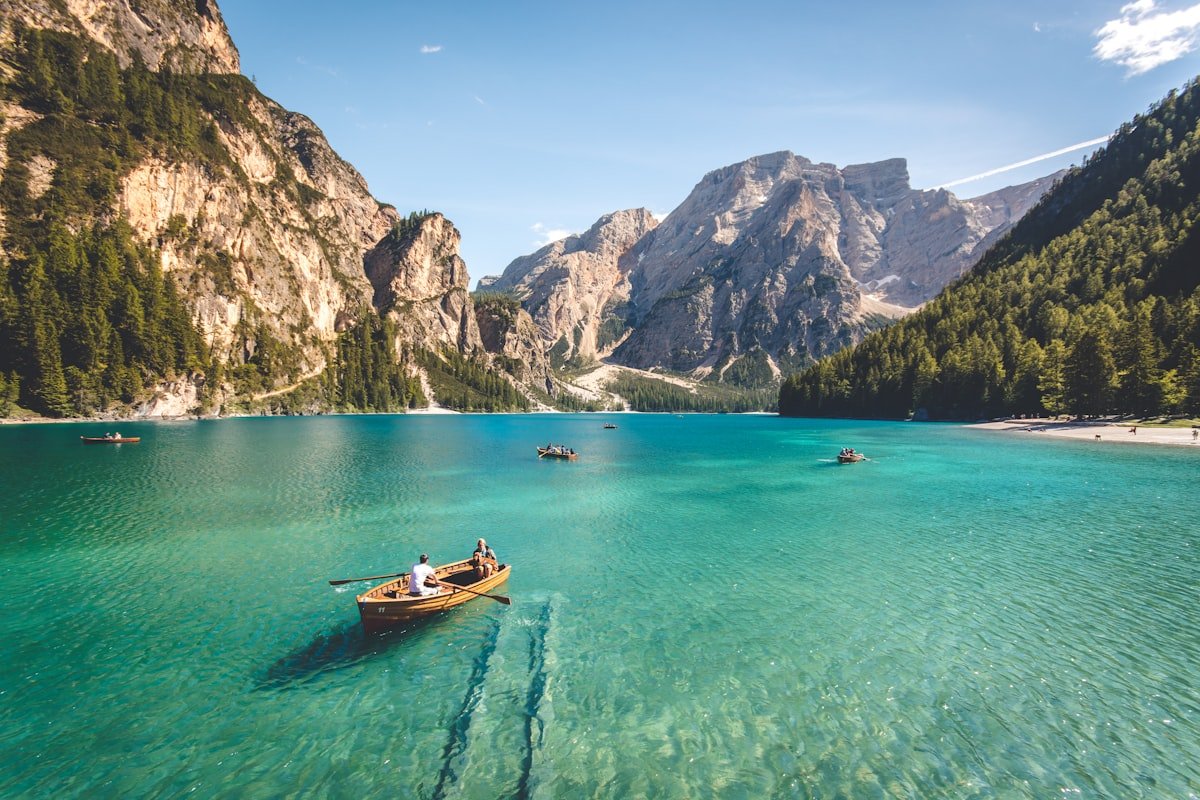
I have seen a lot of pretty forests, but nothing prepared me for the first morning I stood above Kanas Lake in late September. The larches on the far ridge had turned the color of pale gold, the water below was a flat green-grey, and a thin line of mist moved through the trees like a slow animal. A man next to me just said, “Well,” and went quiet. That is the autumn Kanas people travel 5,000 km to see.
This is a season, not a single week. The gold builds through September, peaks around the end of the month, and burns out fast once the first hard frost hits, usually in early October. If you time it right, you get the best autumn foliage routes in the whole of northern Xinjiang with almost no competition from summer crowds.
Why the autumn is different from summer
In July the meadows are green and the lake is busy with families. In September the grass goes straw-colored, the larches go gold, and the birch stands turn a softer yellow. The light is lower and warmer, which means photographs taken at 8 a.m. look better than anything you shot at noon in August.
The weather by month matters here because autumn is short and the cold comes quickly. Daytime at the lake might reach 15°C late in the month, but nights drop near freezing. I slept in a guesthouse at 1,400 m and woke to ice on the inside of the window.
Getting there for the color
Most people combine Kanas with Hemu Village, 40 km north, which is even better for autumn because the timber houses sit right inside the golden forest. The standard play is to fly or drive to Burqin, then spend two nights in Kanas and one in Hemu.
If you are driving, the same Urumqi–Burqin–Kanas line works, but book your in-park rooms a month ahead for September. They sell out, and the walk-in price triples. I paid 480 yuan a night in late September; a couple I met paid 1,100 for the same room booked two days out.
Where to stand for the best view
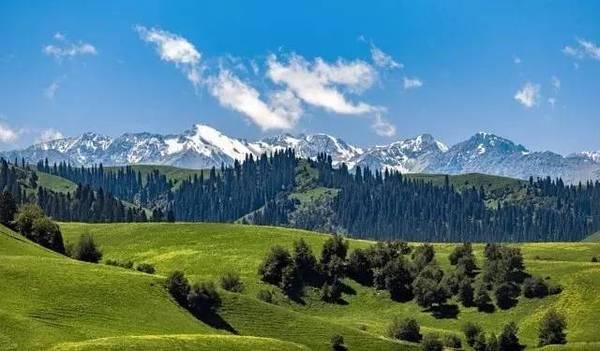
The main platform above the lake is fine, but the photograph everyone remembers is from the higher wooden stair another 40 minutes up. Go at first light, before the tour buses arrive around 9:30. The water is calmest then and the mist is still low.
In Hemu, climb the small hill behind the village before sunrise. The whole wooden settlement sits in a bowl of gold trees with smoke from the chimneys drifting sideways in the cold air. It is the single most photographed scene in Xinjiang for a reason.
What to pack for an autumn visit
Layers. The gap between a sunny 15°C afternoon and a frosty minus-2°C night is real, and you will be outside at both ends of it. I wore a base layer, a fleece, and a wind shell, plus gloves I did not think I would need and used every morning. Good shoes with grip matter on the wooden stairs, which get slick with frost, and a warm hat makes the dawn wait at the viewpoint tolerable.
Bring a real camera if you have one. Phones do fine in the flat midday light but struggle with the contrast of bright gold against dark green water at dawn. A small tripod helped me more than any filter, and spare batteries matter because the cold drains them fast.
Photography timing: the golden hour that matters
The single best light at Kanas is the first 45 minutes after sunrise, roughly 7:15 to 8:00 in late September. The mist lifts off the water, the larches catch a low warm light from the east, and the tour buses have not arrived. I set an alarm for 6:00, walked up in the dark with a headlamp, and was in position before first light. The second-best window is the last hour before sunset, when the ridge behind the lake turns orange. Midday is flat and worth skipping for photographs.
For Hemu Village, the opposite is true: sunrise lights the timber houses from behind the eastern hills and the chimney smoke turns gold. Be on the hill above the village by 7 a.m. The classic shot of the wooden bridge with mist on the river is a 10-minute walk from the main guesthouses.
Getting to Hemu and the early climb
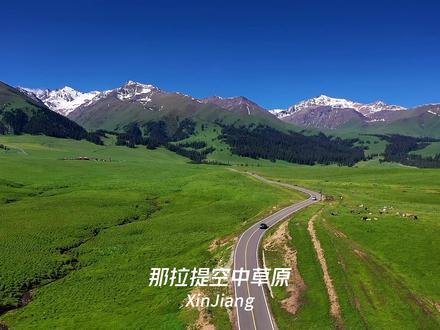
Hemu sits about 40 km north of Kanas and is reached by a narrower road that climbs through more larch forest. In autumn the whole drive is the show. The village itself has a strict cap on visitors, so you need to book the shuttle and the guesthouse together, ideally a month ahead in September. I stayed two nights and was glad I did, because the first morning was cloudy and the second was perfect.
Inside Hemu, horses and carts share the lanes with the few vehicles allowed in, and the pace is genuinely slow. It is the one place on the north route where doing less is the point. Walk, sit, and watch the light move across the valley.
Crowds and costs in peak season
September is not empty. The National Day holiday at the start of October brings the year’s worst crowds, and even the week before, the shuttle buses inside the park run full. The trick is to be at the first bus at 8 a.m. and do the popular platforms before 10. By mid-afternoon the light flattens anyway.
Prices for everything inside the park rise in autumn. Entry stays at 230 yuan plus 100 yuan for the shuttle, but rooms and the few restaurants climb. Budget 600–800 yuan a day per person inside the scenic area, less if you stay in Burqin and drive in each morning, which I do not recommend because you miss the dawn.
Pairing Kanas autumn with other gold
If you have extra days, the best time to visit the rest of the north overlaps with Kanas. Southern Sayram Lake, a few hundred km southwest, gets a late-September ring of gold too, and the drive between them along the northern edge of the Junggar Basin is empty and lovely. I did Kanas first, then swung south, and the contrast between the alpine lake and the high steppe lake made both better.
Where to stay inside the park
There are essentially two places to sleep: inside the Kanas scenic area, close to the lake, or down in Burqin, an hour and a half away by road. Staying inside costs more (420–900 yuan in autumn for a basic room) but wins you the dawn, which is the whole point. Staying in Burqin is cheaper and has better food, but you sacrifice the first light and add a daily transfer.
I did one night inside and one in Burqin and would flip that to two inside if I went again, purely for the mornings. The in-park rooms are rustic: thin walls, weak wifi, and heating that clicks on and off, but you are paying for location, not luxury. Book through the official park platform or a Kashgar agency a month ahead in September, because walk-up availability is poor and the price jumps.
Inside the scenic area the food is limited and pricey, which surprises people who expect a tourist town. The guesthouse restaurants serve adequate noodle and mutton dishes at 40–60 yuan a plate, and the small shops near the Jiadengyu gate sell instant noodles, water, and fruit at closer to normal prices. I packed a day’s worth of snacks and was glad I did, because the lake-view cafes charge a premium for the view and the lunch queue is real.
Getting around inside the park is by shuttle bus, included in your ticket, on a fixed loop between the lake, the villages, and the main viewpoints. Your rental stays at the gate parking; you cannot drive it in. Buses are frequent in peak season and sparse in the shoulder months, so build wait time into the plan and ride the first one at 8 a.m. to beat the groups. The walk from the bus stop to the best platform is another 40 minutes uphill, so wear the right shoes and leave the heavy bag at the room.
One last tip: the weather at the lake turns within minutes. I started a clear morning and was in drizzle by noon, so the rain shell in your bag earns its place even in high summer. The mist that comes with it is part of the magic, but only if you are warm enough to enjoy it, and the wooden stairs get slick fast once the rain starts.
The quiet alternative: Baihaba at the border
Most visitors stop at Kanas and Hemu, but the third Tuvan village, Baihaba, sits right on the Kazakhstan border and is the quietest of the three. It needs a border-area note on your permit, so mention it when you apply, but the reward is a village with almost no tour buses and a ridge line you can see across into another country.
I spent a half day there and saw maybe a dozen other travelers, against the hundreds at the main lake platform. The road in is rougher and the guesthouses are fewer, but if you have the time and want the silence, it is the best-kept secret of the north. Combine it with Hemu on a two-night stay and you get the famous views and the empty ones in the same trip.
A note on photography permits and drones
Xinjiang is strict about drones, and Kanas is inside a protected scenic area where they are flatly banned without special permission that foreigners essentially cannot get. I left mine at home and was glad I did, because the checkpoint at Jiadengyu asks about them and confiscation is the real outcome. A good long lens and a tripod do the job the drone would have done, and they cause no trouble.
Tripods are fine on the viewing platforms and in Hemu, and the low autumn light is kind to them. Just keep them off the wooden stairs where the crowd flows, and out of any area marked as restricted, which around the lake are signed in both Chinese and English. The Hemu guide has more on the village-specific rules.
One honest warning
The gold is not guaranteed. A warm, wet September can dull the color, and an early frost can strip the leaves in a day. I met a traveler who arrived on October 4 to bare branches and a frozen lake. You cannot control the weather, so build a day or two of slack into your route and treat the autumn as a bonus, not the only reason you came.
Kanas in autumn is the postcard of Xinjiang, and for good reason. Get there in the last two weeks of September, walk further than the buses go, and wake up early. The gold will do the rest.