

Xinjiang in August: Summer Peak, Big Crowds, and Why I Still Love It
August Is Loud, Hot, and Absolutely Worth It
I will not pretend August is a secret. It is the busiest month in Xinjiang, school holidays are in full swing, and the best-time guides all warn you about crowds. But I have spent three Augusts here and I keep coming back, because August is also when the mountains are at their greenest, the festivals are actually happening, and the long days mean you can drive until 9 p.m. in full light. If you can handle heat and people, August rewards you.
The trade is real. Daytime temperatures in the Turpan basin push past 40°C, and the popular boardwalks at Heavenly Lake and Kanas get bottled up by tour groups between 11 a.m. and 3 p.m. The trick, which I will repeat throughout this guide, is to flip your clock: be on the trail at 7 a.m. and off it by noon, then use the hot afternoon for driving or indoor museums.
What August Actually Feels Like
Northern Xinjiang in August is green and mild. Urumqi sits around 28–32°C, the grasslands of Ili and the Altai are a comfortable 20–25°C during the day, and nights are cool enough for a blanket. The south is a different animal. Turpan and the Tarim Basin bake, regularly hitting 38–43°C, and the asphalt shimmers by midday. I once measured 46°C on a dashboard thermometer outside Aksu in early August. You do not sightsee at noon down there; you drive with the AC on and save the ruins for early morning.
Rain is rare but not absent. The northern mountains get short afternoon thunderstorms in July and August, which is also why the grass is so lush. Pack a packable rain shell even if the forecast looks clear.
Grasslands at Their Peak
Nalati and the Ili Valley
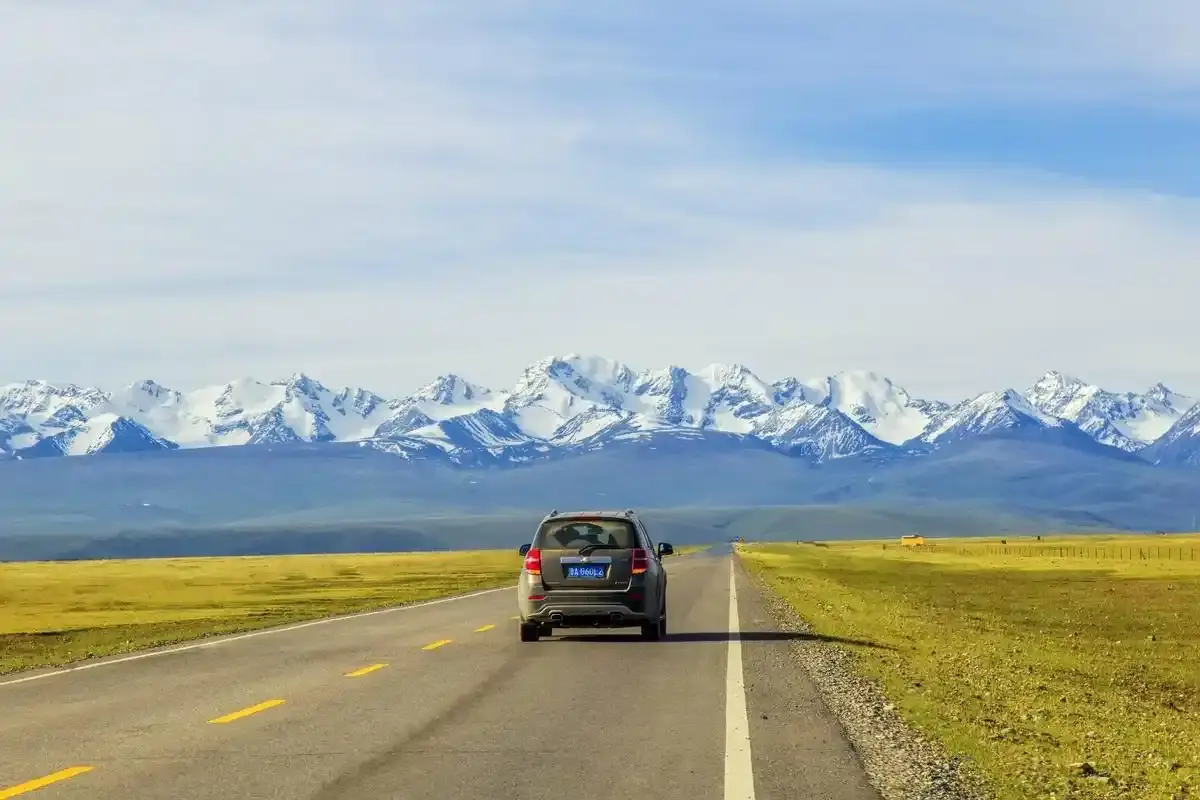
If there is a single postcard for August, it is the Nalati grassland rolling green under a huge sky, herds of horses dotted across it, and snow peaks behind. August is when the grass is tallest and the wildflowers are still scattered through the higher meadows. The downside is the crowds: the main valley road is busy from 10 a.m. Get there at opening and you will have the morning mist and empty paths.
I base in Yining and do Nalati as a long day trip, or sleep in a yurt inside the pasture. The yurt stays are basic but the experience of waking up to cows outside the felt door is worth more than any hotel. Book yurts a week ahead in August; they fill fast.
Heavenly Lake and the Tianshan Front
An hour from Urumqi, Heavenly Lake is the easiest alpine hit and therefore the most crowded. In August the water is a deep blue and the cable car queues can be 40 minutes. My move: arrive at the 8:30 first shuttle, walk the western shore trail before the boats start, and leave by 1 p.m. You still get the iconic view without the worst of the press.
Festivals and Family Energy
August is when the family travel crowd is everywhere, and that is not a bad thing. The Kazakh and Mongolian communities hold horse races, eagle hunts demonstrations, and naadam-style games through the summer. I stumbled into a small horse-racing day near Zhaosu in early August and it was the highlight of the trip, with no ticket, just locals and a dusty track.
If you are traveling with kids, August’s warm nights and the abundance of easy, short walks make it the most forgiving month. The July guide covers the same window with a slightly different loop if your dates drift.
The Heat Management Plan
In the south, your enemy is the sun, not the scenery. I plan southern drives for the early morning and late evening, and I treat 1–4 p.m. as rest time in a shaded teahouse or the car with AC. Carry more water than feels reasonable: three liters a day per person in Turpan is not excessive. Sunscreen, a cap, and light long sleeves beat short sleeves and a burn every time.
The Turpan sights like the Flaming Mountains are best at 7 a.m. or after 7 p.m. The difference between an August noon and an August evening there is the difference between misery and magic.
Roads, Bookings, and Prices
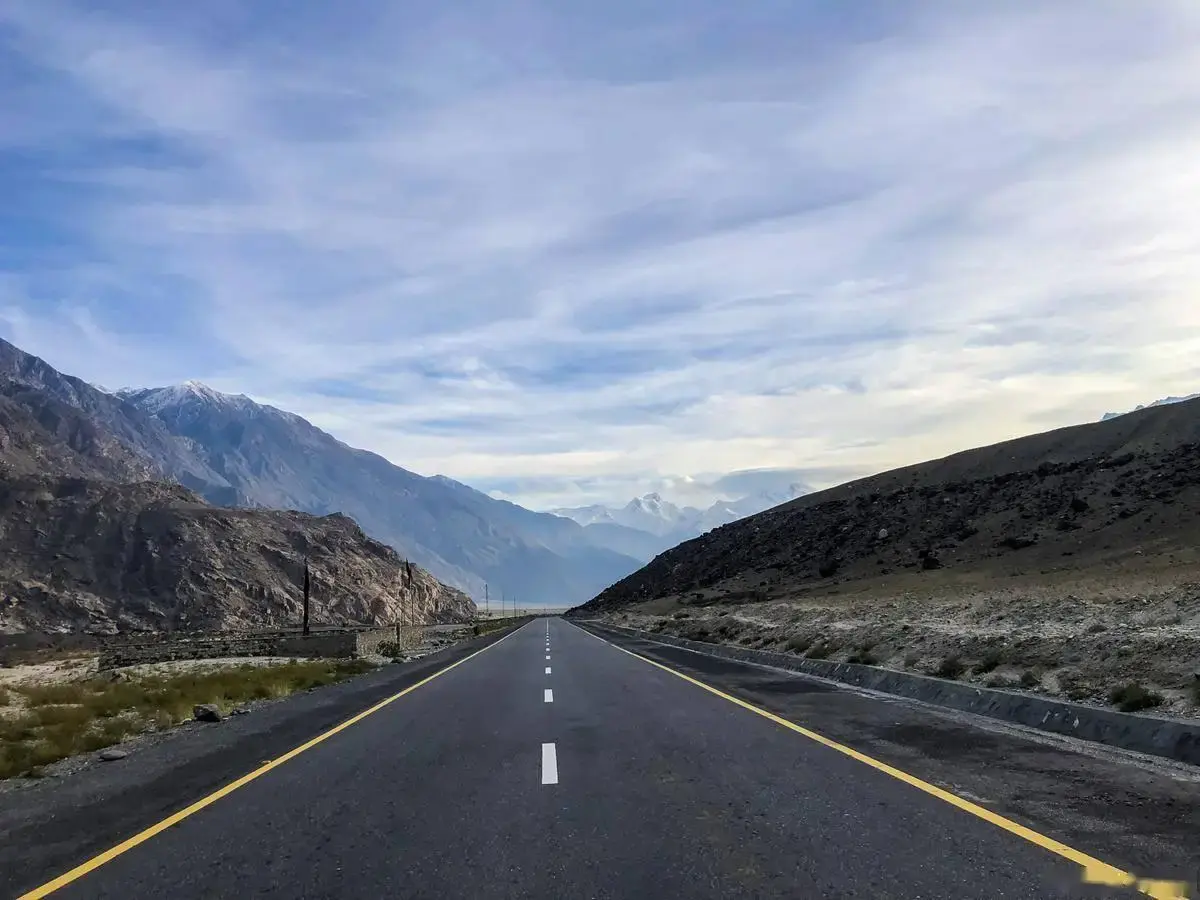
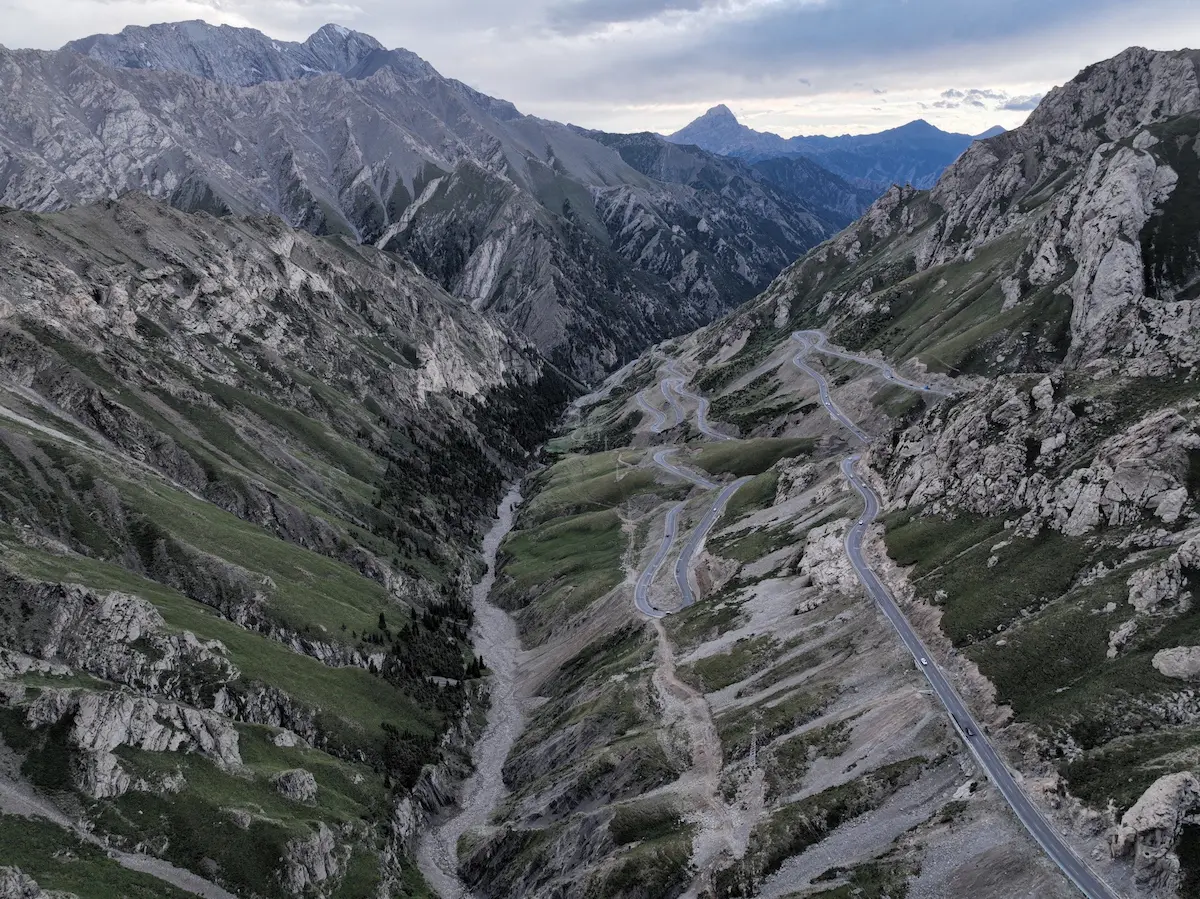
Every road is open in August, including the high Duku passes, which is the one big advantage over September and October. The Duku is a bucket-list drive and August is the safest bet for it being clear end to end. The cost is the crowds at the Duku viewpoints and the price of everything: rooms near Kanas and Nalati cost the most of the year, often 40–60% above the April low. Car rentals are tight; book three weeks out or you will be choosing from leftovers.
Domestic flights are also at peak price. I have found that flying into a smaller city like Yining or Kashgar and starting the loop there, rather than Urumqi, can save both money and a long first driving day.
My August Loop
A route that works: Urumqi to Heavenly Lake (day trip), then south to Turpan for two days of early-morning ruins, then fly or drive to Yining for four days of Ili grasslands and Sayram, then north to Kanas for three days, and finally back to Urumqi. That is about twelve days and it uses August’s open roads and long light without repeating a landscape.
Who Should Skip August
If you hate crowds, hate heat, or hate paying peak prices, skip August and read the best-time overview for September or May. But if you want green mountains, real festivals, and every road open, August delivers. Just wake up early.
August for Photographers
August is not subtle, and that is good for a camera. The light is strong and the colors are saturated, so even a phone does well if you shoot in the soft hours. I shoot the grasslands at sunrise when the mist sits in the valleys and the first sun hits the snow peaks pink. By midday the contrast is harsh, so I switch to detail shots: a close-up of wildflowers, the patterns of a woven rug at a market, the curve of a horse’s neck. The Nalati guide has a few specific viewpoints worth the walk.
Bring spare batteries. Heat drains them and you will be out all day. A light polarizer helps cut glare on lake shots. And respect the nomads; ask before photographing people, and a smile plus a few words of thanks goes further than a raised camera. The best portraits I have from August came after I sat and shared a bowl of tea first.
Health, Sun, and Keeping Your Cool
The two real risks in August are sun and dehydration, especially in the south. I drink constantly and eat salty snacks to replace what I sweat out. Sunscreen goes on in the morning and again at noon. A wide cap beats a visor because the back of your neck burns on long drives. The dry heat in Turpan is deceptive; you stop feeling sweat because it evaporates instantly, then you stand up and wobble. That is the danger sign, so I force water even when I am not thirsty.
Altitude is mild in most August routes, but if you climb toward the Pamir or the high Tianshan passes, take the first day easy. The family route guide has a sensible pacing plan that works for anyone, not just kids. Build a rest day into any two-week loop; the trip is better for it.
August Quick Picks by Region
If you only have a week in August, here is how I split it. North (Urumqi, Heavenly Lake, Kanas): green and mild, the classic postcard, but the busiest and priciest. Ili Valley (Yining, Nalati, Sayram): my pick for families, with the softest weather and the easiest short walks. South (Turpan, Kashgar, Aksu): brutally hot midday but open, cheap, and culturally rich, best done early and late. I usually blend north and Ili for a first trip and save the south for a second visit, because doing all three in a week means too much driving and not enough standing still.
For photographers, the north and Ili win in August. For history and food, the south. For kids, Ili. There is no wrong answer, only a wrong pace; August rewards slow more than any other month because the heat punishes those who try to cram.
August on a Budget
August is the most expensive month, but you can blunt it. Book rooms a month out, because walk-up prices near Kanas and Nalati double in peak weeks. Eat at the night markets and local noodle shops rather than hotel restaurants; the gap is two or three times. Use the train for the long hauls and save the rental for the scenic loops where it matters. And travel the last two weeks of August if your dates flex, because the back-to-school dip takes some pressure off both crowds and prices. The family guide has a sample budget that holds up in August if you follow the local-eating rule.
Wildlife and What You Will Actually See
August is when the grasslands are alive. On the Ili and Altai meadows I have watched marmots whistle from burrow mounds, eagles ride the thermals above the valleys, and herds of horses and cattle graze so close to the road you could photograph them from the window. Near the wetlands south of Urumqi and around Sayram, migratory birds are thick, and at dusk the whole valley seems to hum. None of this is in a zoo; it is the background of every drive, and it is one of the quiet joys of an August trip that the city-bound traveler never gets.
The one animal to respect is the yak and the semi-wild horses near pastures; they look docile and are not always. I keep a long lens and a longer distance, and I never walk between a mare and her foal. The nomads who tend these animals are usually happy to let you watch from a respectful range, and a few words of thanks in their direction goes a long way. August is the month the land feels most inhabited by more than people, and that is worth building into the day.
The One Thing I Tell Every August Traveler
Own the morning. The travelers who complain about Xinjiang in August are the ones who sleep until 9, hit the boardwalk at noon, and wonder why it is hot and packed. The ones who love it are on the trail at first light, done by lunch, and napping through the worst heat. Same month, two completely different trips.