
Xinjiang in July: Peak Summer, Long Days, and How to Handle the Heat
Xinjiang in July: Peak Summer, Long Days, and How to Handle the Heat
July is when Xinjiang fills up. Schools are out across China, the weather is warm everywhere except the high mountains, and the days stretch past 10 p.m. I have driven the region in July three times, and it is the easiest month to travel and the hardest to travel well, all at once.
This is the month for families, for the greenest meadows, and for the weather-by-month numbers that look almost perfect. It is also the month when every popular site is at capacity by 11 a.m. If you come in July, you win by planning around the crowds, not against them.
What July actually feels like
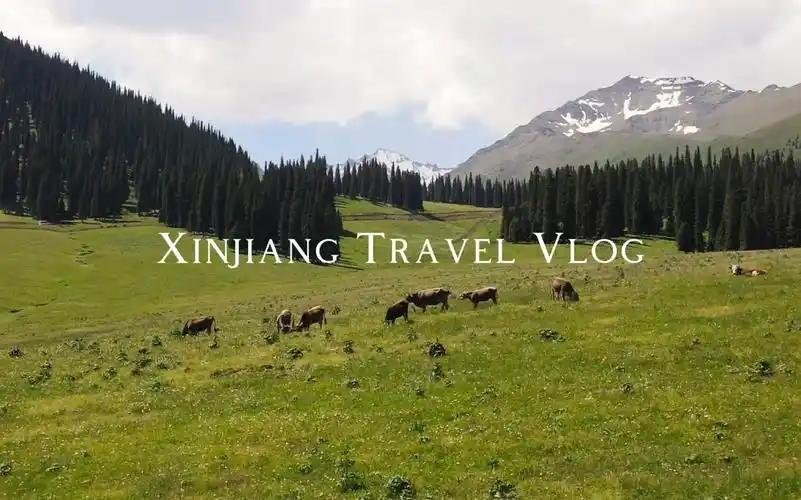
Northern grassland areas like Nalati sit around 18–22°C in the day, cool and green, with wildflowers across the slopes. Urumqi runs 28–32°C. The Turpan basin, the lowest and hottest part of the region, regularly hits 40°C or more in the afternoon.
The killer detail is daylight. At this latitude, the sun rises before 6 a.m. and sets after 10 p.m. That is a gift if you start early and a trap if you do not, because the hottest part of the day in Turpan lands right when everyone else is out sightseeing.
Where July is best
The north shines. Sayram Lake is ringed with wildflowers, the grasslands are at their greenest, and Heavenly Lake Tianchi above Urumqi is cool and walkable. This is the family-trip month, and most of the infrastructure is built for exactly this crowd.
The south is hot but not unbearable if you shift your schedule. Kashgar’s old town is fine in the morning and evening; the middle of the day is for shade, cold drinks, and the indoor bazaars. I did my Kashgar walking at 7 a.m. and 8 p.m. and spent the furnace hours in teahouses.
Beating the July crowds
Book trains and flights at least three weeks out. The Urumqi–Kashgar rail and the mid-summer flights sell out. Hotels near the big sites double in price and still fill, so lock your itinerary early.
On the ground, the trick is simple: be the first at the gate. Scenic areas open around 8 or 9 a.m., and the first ninety minutes are calm. By 11 the buses arrive. I saw the Nalati grassland empty at 8:15 and shoulder-to-shoulder at noon. Same place, different day.
Heat, water, and the Turpan problem
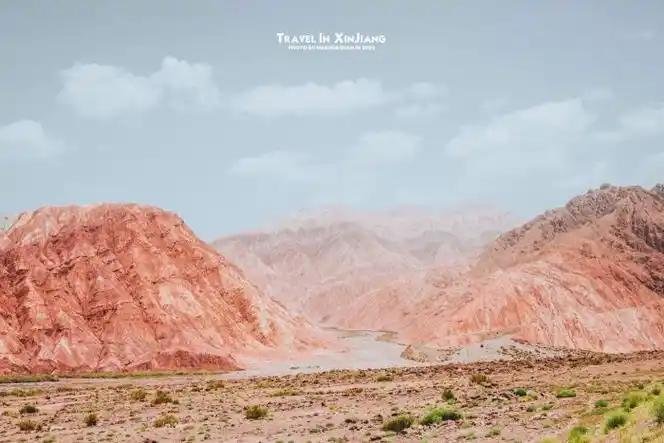
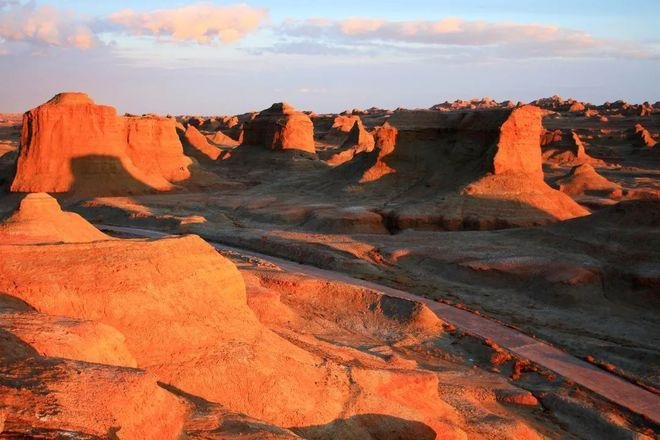
Turpan in July is no joke. I measured 43°C on a dash from the car to the Flaming Mountains viewing lot, and the steering wheel was too hot to touch without a cloth. Carry three liters of water per person per day in the basin, start drives before 8 a.m., and treat midday as rest time, not sightseeing time.
Air conditioning in rental cars is reliable, but the rental itself may not be if you book late; July is the peak for car hire, so reserve early or you will be stuck with whatever is left on the lot. I watched a family wait three hours at Urumqi airport for a car that never came because they had booked the week before.
Festivals and local events in July
July is when the grassland festivals happen. The Nalati and Sayram areas host horse races, wrestling, and eagle displays through the summer, and the Kazakh and Mongolian communities open their yurts to visitors. I stumbled into a small horse-racing day near Nalati and spent three hours watching kids ride squeezed between adults, then ate boiled mutton with the family that invited me. These are not staged for tourists; they are real, and July is the month they happen.
In the cities, the night markets peak in July. Urumqi’s Erdaoqiao and Kashgar’s night bazaar are fullest and liveliest now, with cold drinks, grilled meat, and music spilling into the warm dark.
Family travel in July
This is the family month. Schools are out, the weather is kind in the north, and almost every scenic area has a kids’ activity or a gentle walk. The downside is that every other family had the same idea. The best sites fill by late morning, so the early-start rule matters more with children in tow, who do not love standing in a hot queue at noon.
I traveled with friends and their two kids in July and the formula that worked was: one big site before 10, a long lunch and rest, a swim or a museum in the afternoon, and an evening market. The kids remembered the night market and the yurts, not the ticket lines, which told me the pacing was right.
Night life and the long evenings
The 10 p.m. sunset is July’s secret gift. After the heat breaks around 8, the whole region comes alive. Lakeside walks at Sayram, old-town roofs in Kashgar, and the riverside in Urumqi are all best in the last two hours of light. I did more of my best wandering between 8 and 10 p.m. than in the entire middle of the day.
Bring a light layer for those evenings in the north, where the temperature drops fast after the sun leaves the ridge. In Turpan the night stays warm well past 11, which is when the Flaming Mountains finally become walkable.
What to pack for July
Light clothes for the basins, a fleece for the mountains and the cold nights at altitude, and serious sun protection: a wide hat, sunglasses, and SPF 50. The UV at this latitude and elevation is brutal. I burned through “waterproof” sunscreen in a single Turpan afternoon.
Good shoes, a refillable bottle, and a power bank round it out. You will be out late with all that daylight, and your phone will be your map, translator, and camera all day.
Cooling strategies that actually work
After a few July trips I have a routine. I start drives at 6:30, aim to be at the day’s main site by 9, and am off the road by noon. The afternoon is for the museum, the teahouse, or the hotel pool, whichever the town has. Then I go out again at 7, when the light is soft and the temperature has dropped twenty degrees.
Hydration is the part people skip. At 40°C you lose water fast and stop noticing thirst, so I set a phone reminder to drink every hour and keep a cooler in the car with real ice, not just room-temperature bottles. The cooler was the single best 40-yuan purchase of any of my summer trips.
For the basins, I also learned to wear a light long-sleeve rather than a tank top: the sun is so strong that covered arms stay cooler than bare ones once you are in shade, and you avoid the burn that ruins the next three days.
July photography and the long blue hour
The 10 p.m. sunset gives July a second golden window that the shorter months lack. Around 8:30 to 9:45 p.m. the light goes long and warm, the heat haze drops, and the landscapes flatten into something photographic. I shot some of my favorite Xinjiang frames in that window, including a still Sayram at dusk and the old town roofs in Kashgar turning gold.
The flip side is that midday is hostile to cameras: blown highlights, harsh shadows, and washed-out distance. Plan the serious shooting for before 10 a.m. and after 8 p.m., and use the middle of the day for the indoor and the human stuff. The Sayram Lake ring in particular is magic in the blue hour.
July versus August: which week
If you can choose, July and August are similar in heat but differ in crowds, because August overlaps with the main school holidays across China and is the busiest of the two. I prefer late July, after the first rush of early-summer travelers and before the August peak, when the meadows are at their greenest and the festivals are in full swing.
August also brings the occasional thunderstorm in the mountains, which can close the higher scenic roads for a few hours. July is marginally drier in the north. Neither month is wrong, but if you want marginally fewer people and marginally less rain, late July is my pick, with September still the overall winner if your dates are truly flexible.
One more July note: the long daylight means you can do more per day than in any other month, which softens the crowd problem if you start early. I regularly saw two sites before 1 p.m. and rested through the heat, then did a third in the cool evening. The month rewards a schedule built around the sun, not against it.
July packing essentials
July packing is a balancing act between the basins and the mountains. For the low, hot country bring loose light clothes, a wide-brim hat, and serious sunscreen; for the highlands and the cold nights at altitude bring a fleece and a shell. I pack both in the same bag and swap at the day’s first viewpoint, because the difference between a Turpan afternoon and a Tianchi evening is twenty degrees.
A refillable bottle and a cooler are worth their weight in July, as is a power bank, because the phone is your map, translator, and camera through the long daylight and you will drain it. Good walking shoes, not sandals, handle the rocky scenic areas better than most people expect, and a light rain shell covers the occasional mountain storm that rolls in during August especially.
One thing I always add now: a small first-aid kit with rehydration salts and blister plasters. The heat and the long walking combine to dehydrate people faster than they notice, and a salty drink and a rest fixes the light-headed feeling that ruins an afternoon. The best-time guide has the monthly detail, but for July the rule is simple: water, shade, and a slow middle of the day.
The long July days also mean the cities come alive after dark in a way few other months match. Urumqi’s river park fills with evening walkers, Kashgar’s night bazaar runs late, and the cooler basins stay comfortable well past 11 p.m. I planned at least one evening stroll into every stop and they became the parts of the trip I most looked forward to, partly because the heat had finally lifted and partly because the region simply relaxes after sunset.
Is July worth it
Yes, with caveats. July gives you the greenest landscapes, the fullest services, and the longest days, at the cost of heat, price, and people. If you can handle crowds and plan around them, it is a wonderful month. If you want silence and gold forests, come in September instead.
For most first-timers, though, July just works. The roads are clear of snow, every guesthouse is open, and the region is at its most alive. Go early, drink water, and let the long light carry you.