
Xinjiang in April: Apricot Blossoms, Wildflowers and Shoulder-Season Roads
April is when Xinjiang flips from grey to pink. The apricot orchards around Kashgar and through the Ili valley burst within a single week, the grasslands start to wear their first green, and the roads that were iffy in March are mostly reliable now. I have timed two trips to this exact window, and the combination of blossom and empty highway is the best-kept secret on the self-drive calendar.
The Weather You Actually Get
The north warms fast. Urumqi runs 15°C to 22°C by day with nights around 4°C to 9°C, and the Ili basin near Yining pushes 18°C to 24°C in the afternoons. You can finally leave the heavy insulation at the hotel and drive with the window cracked.
The south is genuinely warm. Kashgar sits at 20°C to 26°C during the day and a comfortable 8°C to 12°C at night, perfect for late dinners in the old town. Turpan, as ever, leads the charge and can touch 28°C by late April.
The catch is dust. April is the start of the sandy season on the desert fringes, and I have driven into a wall of blowing grit near Aksu that dropped visibility to 200 meters and turned the sky the color of weak tea. When the forecast shows a dust front, I slow down, switch on fog lights, and let the Pamir-bound traffic pass me. It clears within a few hours, but you do not want to be caught blind at 100 km/h.
The Ili valley runs a few degrees cooler than Kashgar by day but feels milder because of the moisture, and the Pamir foothills stay cold, with nights near freezing even when Kashgar is balmy. I pack for both the blossom warmth and the mountain chill in the same bag, because a single day can hold both.
Apricot Blossoms Are the Headline
I watched the apricot blossoms come out near Kashgar in early April, and the speed of it still surprises me. One week the orchard branches are bare grey wood; the next they are coated in white and pale pink, and the whole oasis smells faintly of sugar. The old trees around the villages west of the city are the famous ones, some of them centuries old, and they flower a few days before the younger groves.
Timing is everything and it moves with the weather. A warm March pushes the peak into the first week of April; a cold one holds it to the third. I plan the orchard days loosely and confirm with a local contact a week out. For a deeper look at the specific villages and the exact windows, the Kashgar spring blossom guide is the one I send to friends, and the spring blossom trail maps the apricots, tulips and later lavender across the whole season.
The village I return to sits about 40 km west of Kashgar, and the old men who tend the trees will wave you into the orchard for the price of a greeting and a bought handful of the first hard little apricots. I spent a whole blue morning there one April with no other visitor, the bees loud in the branches and the snow line of the Pamir visible over the mud walls.
Wildflowers and the Grasslands
By the back half of April the Ili valley earns its name as the prairie of the west. Nalati and the surrounding meadows turn from brown to a bright, wet green, and the first wildflowers, mostly small yellow and purple ground flowers, open in the sheltered folds. It is not the June carpet of flowers yet, but the contrast with the still-snowy peaks behind is the photograph everyone wants.
The flower list is modest but lovely. Along the road verges I have found bright yellow rape patches near the villages, low purple iris in the damp hollows, and the first wild tulips pushing through on the drier slopes above Karajun. None of it is arranged for you; you have to slow down and look, which is exactly the point of driving rather than taking the train.
I base myself in Yining for the grassland runs because it sits at the gateway to the valley and the food is excellent. From there Nalati is a straightforward drive, and the Nalati grassland guide lays out the entry gates and the loop roads I use. The Yining city guide covers where I sleep and eat between the blossom days, and it is a calmer base than the tourist towns higher up.
Roads: The Shoulder Season Opens Up
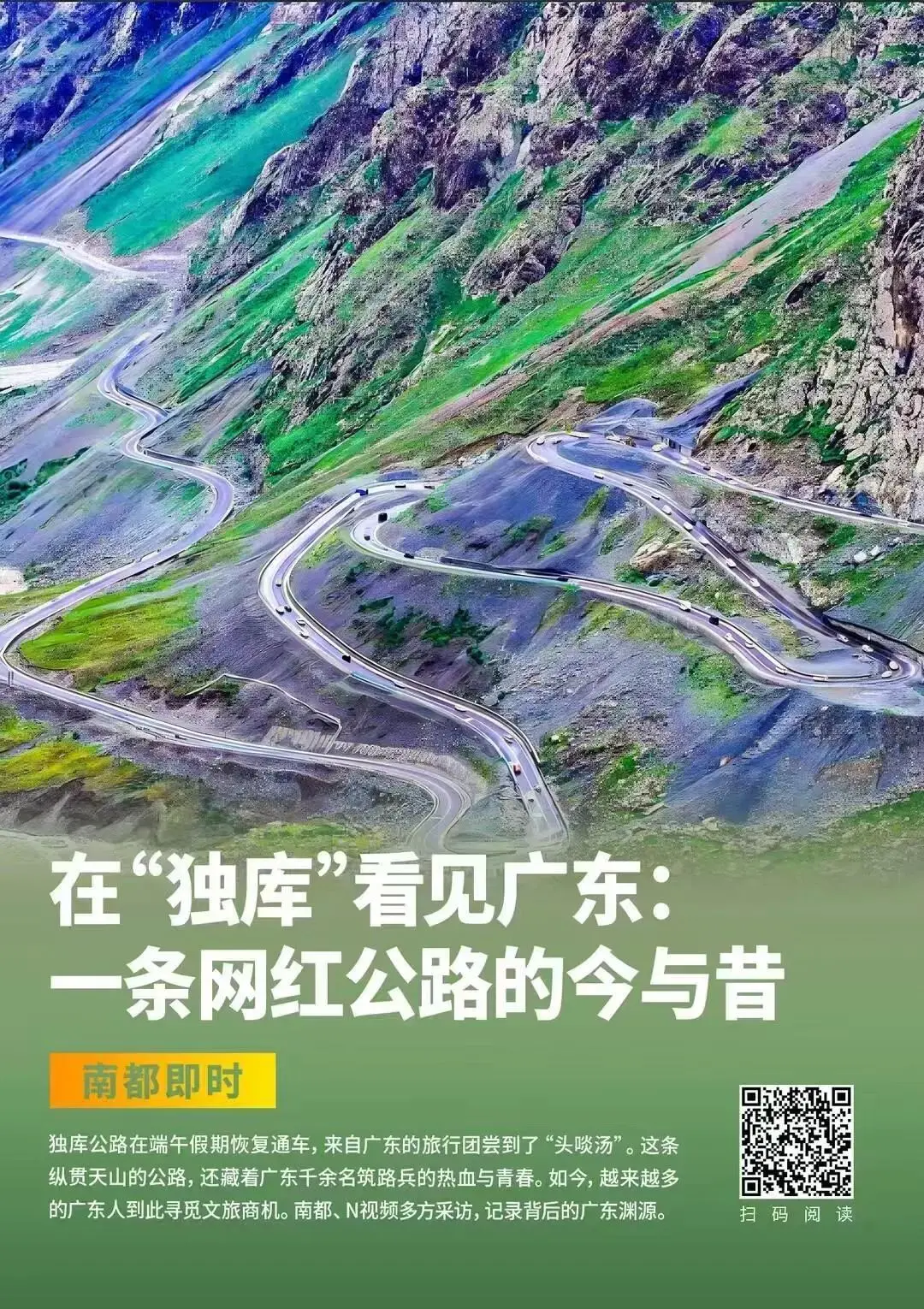
Most of the network is solid in April. The G3012 desert ring is clear, the G218 from Ili down to Korla is open and gorgeous, and the northern crossings that were iffy in March are firmer now. The one big exception is the Duku Highway, which still waits for June and a firm snow melt before the gates come down.
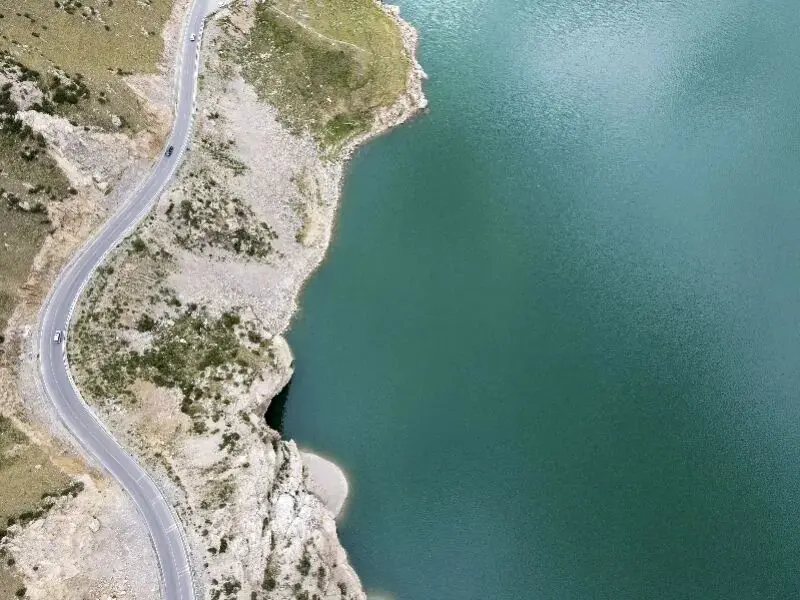
Sayram Lake, the high blue lake west of Yining, is thawing through April and still brutally cold at the shore, but the road around it is open and the wind off the water is worth respecting. I have seen April mornings there at -2°C even as the valley below hit 18°C by noon.
Dust is the only road hazard of note, and it is local rather than constant. The Pamir road from Kashgar toward Tashkurgan is usually open in April, though the highest stretches can still close on a late snow, so I confirm the gate the morning I leave. The blossom trail piece also notes which high routes stay shut, which saved me a wasted day on my first April run.

Where I Would Drive
My favorite April plan is an Ili loop. Start in Yining, run east to Nalati, swing south to the Karajun grasslands, then west to Sayram Lake and back to the city. That is about 600 km of rolling, blossom-dotted highway with a different view at every bend, and you can stretch it to four or five days without rushing.
I like to break the loop with a night at the shore of Sayram, even though the wind bites, because the lake goes from steel grey to electric blue as the sun clears the ridge, and you will have the viewing platforms to yourself before the coaches arrive in June. The Karajun leg is the quiet surprise: fewer tourists than Nalati, wider meadows, and a road that crests into views of the whole valley laid out below.
The southern alternative is a Kashgar blossom tour. Base in the old town, spend a day among the orchards west of the city, then run the Pamir road toward Tashkurgan if the gate is open for the snow peaks and the lake at Karakul. The May guide picks up this same route a month later when the high passes fully clear, so I read the two together when planning.
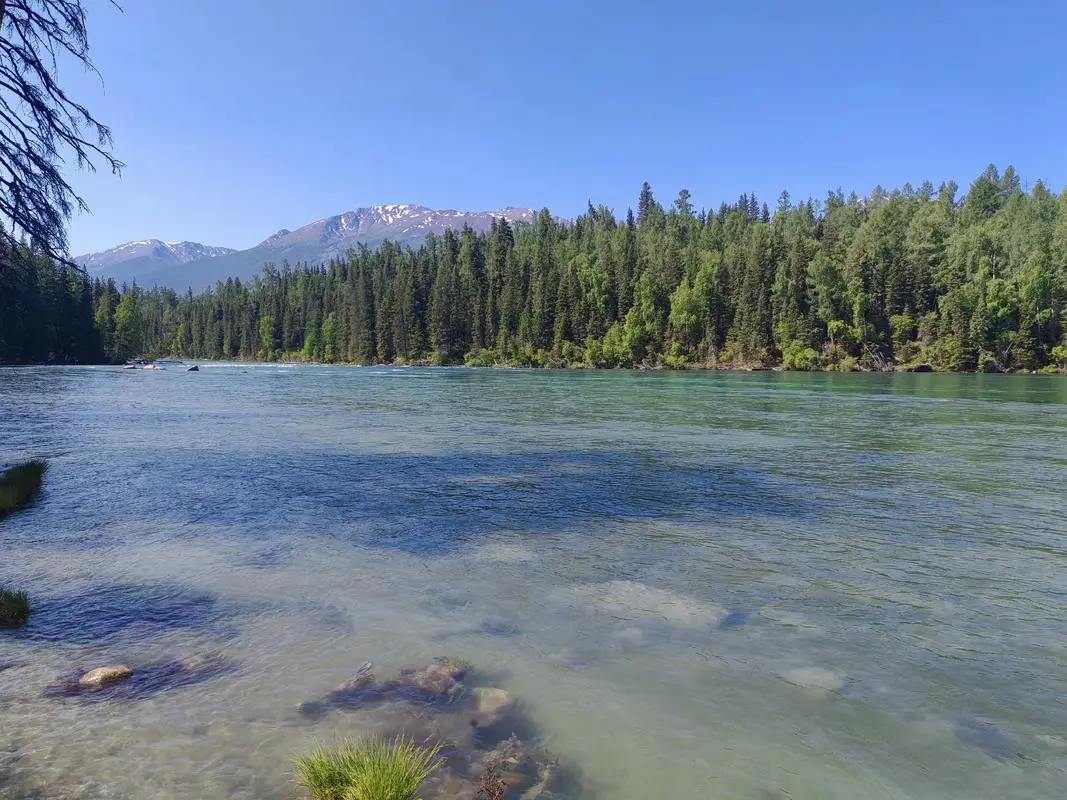
Kanas, up in the far north, begins to stir in April. The lake road reopens as the snow line lifts, and although the water is still rimmed with ice early in the month, the pine slopes and the quiet make it a fine shoulder-season target if you are already in the north.
Prices and Crowds
April is still shoulder season, so the wallet stays happy. Guesthouses in Yining and Kashgar run ¥130 to ¥220, and the same Urumqi hotel that charges ¥350 in July asks ¥220 now. Food is unchanged from March: pilaf ¥25 to ¥40, laghman ¥18 to ¥30, skewers ¥3 to ¥5, and the blossom-season fruit stalls start stacking early apricots and mulberries by the end of the month.
Crowds are thin except at the famous orchard villages on a weekend. I avoid Saturdays there and have the rows to myself on a Tuesday morning. The scenic areas have not yet hired their summer shuttle crunch, so entry is quick and the car parks are half empty.
Fuel, Cash and Services on the Spring Roads
April changes nothing about the fuel math, and I still fill at every town because the gaps between stations on the G3012 and the Pamir road are long. The difference from March is that more service areas have reopened their shops, so a hot cup of tea and a proper restroom are easier to find than they were a month earlier.
Payment is the same dance: cash in the wallet, a payment app where it works, and patience at the pump. I keep ¥2,000 on hand and have never been stuck for want of a screen that spoke English. The small-town clerks along the Ili loop are used to road-trippers by April and will wave you through once the tank is full, often with a nod toward the good noodle stall next door.
Driving the Pamir in April
The road from Kashgar to Tashkurgan is the single best drive of the blossom season, and April is when it becomes reliably open. You need the border-region permit sorted in Kashgar in a morning, and then the highway climbs past 3,000 meters toward the snow cones of Muztagh Ata and the still-half-frozen Karakul lake.
Take the altitude slowly and the dust seriously. A spring front can throw grit across the Pamir in minutes, and I have pulled to the shoulder near the lake to wait out a wall of blowing sand that lasted barely an hour. The reward is a mountain road with maybe a dozen other vehicles all day, and the first yurts of the season opening their doors by the roadside.
Light and Photography in Blossom Time
April light is soft and low, perfect for the orchards. I shoot the apricot rows in the first two hours after sunrise, when the blossom is lit from behind and the old tree trunks stay in shadow. The grasslands of Ili are best in the late afternoon, when the green deepens and the snow peaks behind Nalati turn gold for a few minutes before the cold comes back.
The empty roads mean you can set up a shot without a crowd walking through it. I have parked on the shoulder of the Yining to Nalati road to frame a single blossoming tree against the mountains, and the only audience was a flock of sheep moving down the verge, unhurried and indifferent.
What to Pack
Layers still rule because the day swings 15°C or more. I carry a light down jacket for the Pamir and Sayram mornings, a wind shell for the desert, and real sunglasses because the April sun on the Taklimakan edge is fierce. Snow tires can come off in the south, but I keep them on in the north through the month.
A paper map and a charged power bank round out the kit, since the blossom villages sit outside steady signal. April asks little of you beyond watching the dust forecast and checking the high gates each morning. Do that, and you get Xinjiang at its most generous: blooming, quiet, and wide open.